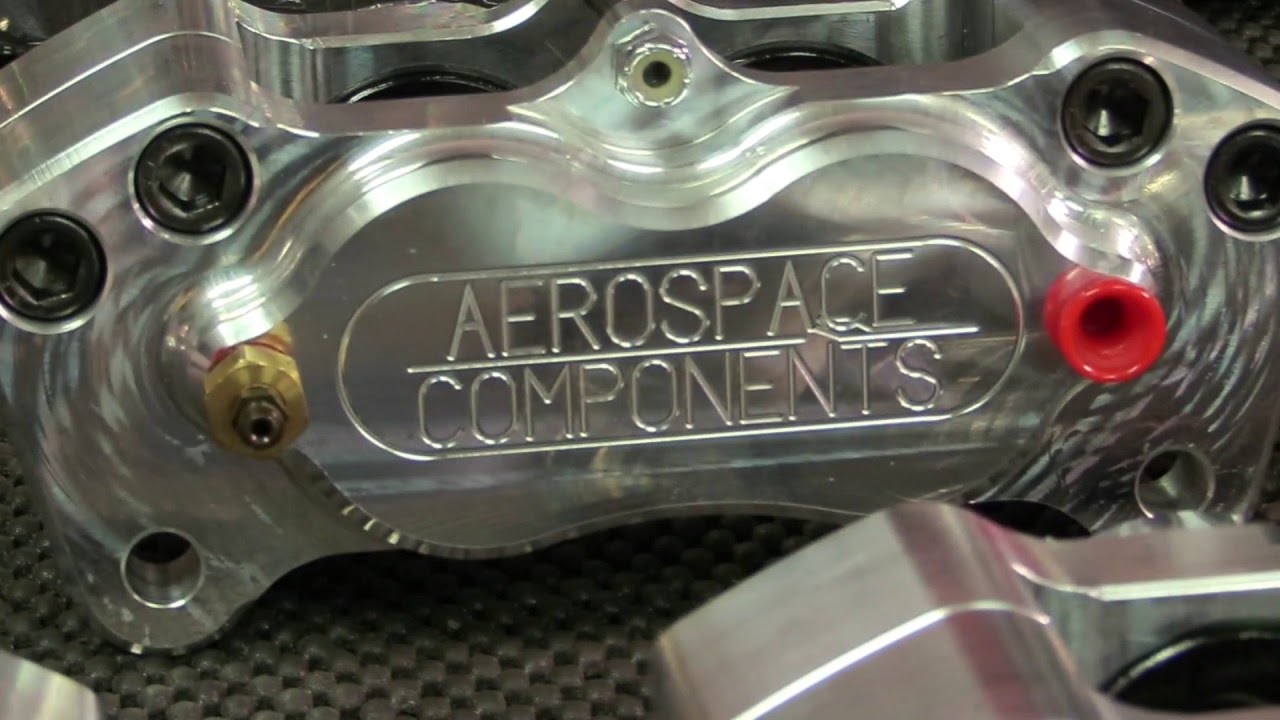
How to Select 5 Axis CNC Machining Importer: A Practical Guide for Precision Parts Buyers
When you’re sourcing critical components for aerospace, medical devices, or high-end automotive applications, understanding how to select 5 axis CNC machining importer is the difference between a flawless end product and a costly redesign. The global marketplace offers dozens of suppliers, but not all possess the technical depth, quality systems, and process maturity required for complex, high-tolerance parts. This guide walks you through the essential evaluation criteria, common pitfalls, and how to identify a partner that delivers consistent, certifiable results.
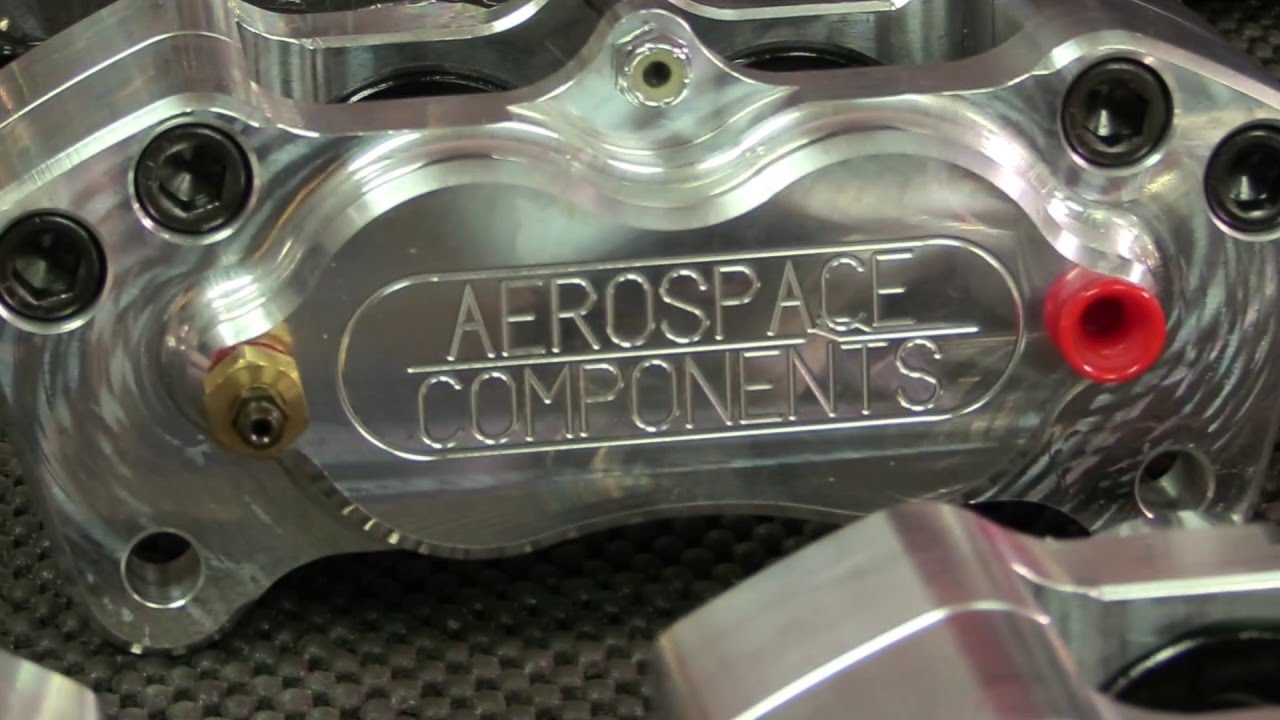
1. Beyond the Brochure: Assessing Real Technical Capability
Many suppliers claim 5-axis CNC capability, but the reality often diverges from the promise. When evaluating a potential 5 axis CNC machining importer, you need to look past marketing materials and dig into the actual equipment fleet and process controls.
Equipment Diversity Matters
A true 5-axis partner should own a range of machines from multiple brands (e.g., Dema, Beijing Jingdiao, or Hermle) to handle different geometries, material hardness, and part sizes. For instance, GreatLight Metal operates a cluster of large-format 5-axis machining centers alongside 4-axis and 3-axis CNCs, Swiss-type lathes, wire EDM, and mirror-spark EDM. This diversity allows them to choose the optimal process for each job rather than forcing every part into a single machine type.
Maximum Part Size and Tolerance
Ask for documented capabilities. The shop floor should support parts up to at least 4000 mm in length and hold tolerances down to ±0.001 mm. If a supplier can only guarantee ±0.01 mm or lacks large-envelope machines, they may not be suitable for your importer needs.
In-House Metrology
A reliable importer will have dedicated quality labs with CMMs, optical comparators, and surface roughness testers. Without in-house inspection, they cannot verify their own output—meaning you bear the risk of non-conforming parts.
2. Certifications as a Trust Framework
International certifications are not just wall decorations; they represent a structured quality management system. When selecting a 5 axis CNC machining importer, verify these credentials:
| Certification | What It Ensures |
|---|---|
| ISO 9001:2015 | Fundamental quality management, process consistency, continuous improvement |
| IATF 16949 | Automotive-specific quality system, reduces variation in production |
| ISO 13485 | Medical device manufacturing standards, traceability and risk management |
| ISO 27001 | Data security and intellectual property protection |
GreatLight Metal, for example, holds all four certifications, which demonstrates a commitment to systems that protect both product quality and your proprietary designs. In contrast, many smaller shops only carry basic ISO 9001—or none at all. For sensitive projects (e.g., engine hardware, humanoid robot joints), the absence of IATF 16949 or ISO 13485 should raise red flags.
Why IP Protection Matters
If you are an importer dealing with proprietary designs, a supplier without ISO 27001 may not have the contractual and technical safeguards to prevent data leakage. Always ask about their data handling protocols and whether they offer separate design review environments.
3. Full-Process Chain: From Prototype to Mass Production
A common frustration for importers is having to manage multiple vendors for different process steps (CNC, die casting, surface treatment, assembly). This fragmented approach increases lead time, communication overhead, and the risk of dimensional mismatches.
The ideal 5 axis CNC machining importer offers integrated manufacturing—what we call a full-process chain. This includes:
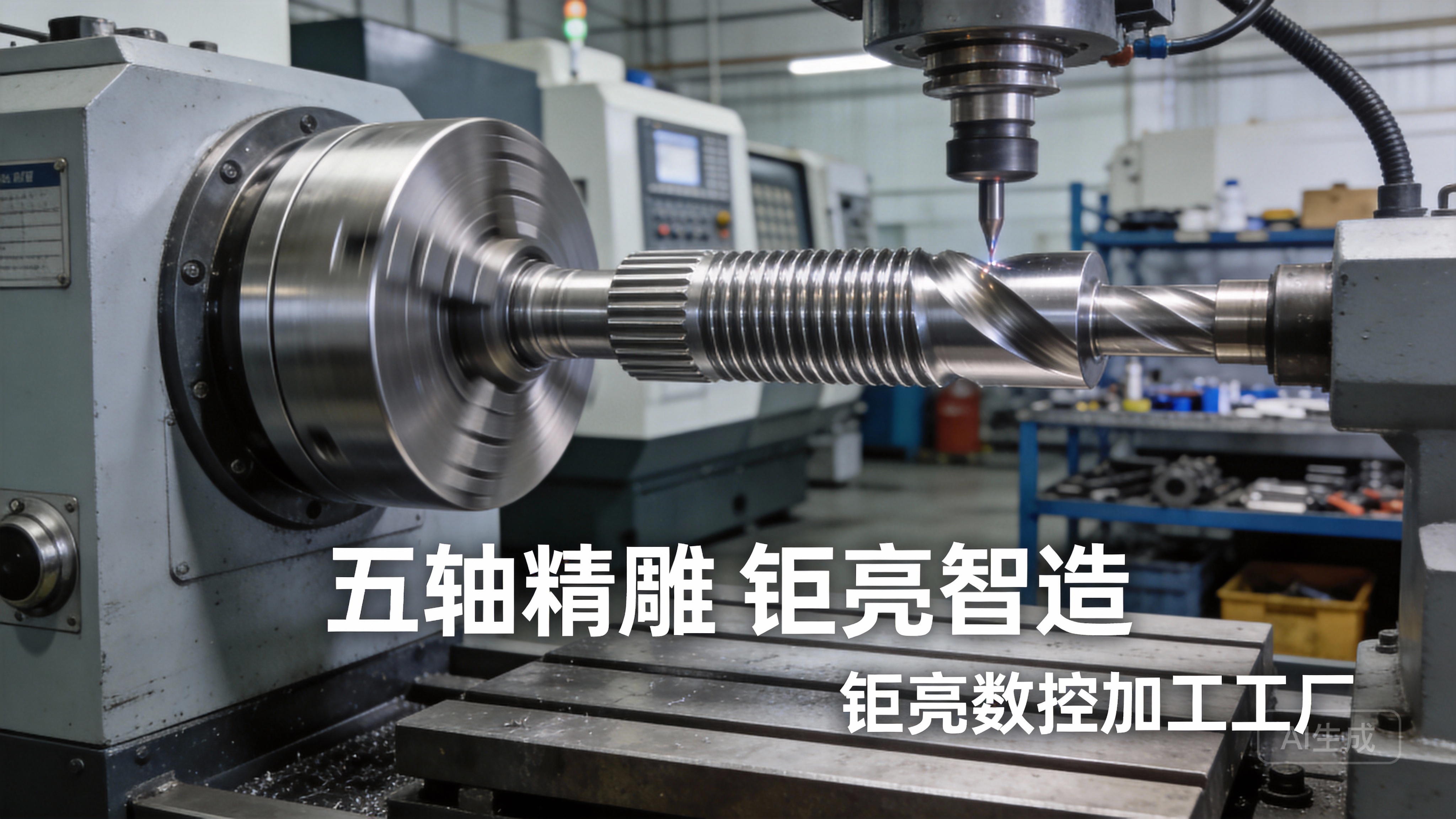
Precision CNC machining (3-axis, 4-axis, 5-axis milling and turning)
Die casting and metal injection molding
Sheet metal fabrication
Metal and plastic 3D printing (SLM, SLA, SLS)
Surface finishing (anodizing, plating, painting, passivation)
Assembly and testing
GreatLight Metal has three wholly-owned manufacturing plants under one roof, covering these capabilities. This allows them to move a part from raw billet to finished, assembled component without external handoffs. For an importer, this means single-point accountability and faster time-to-market.
4. Materials and Lead Time Transparency
Not all 5-axis shops handle exotic materials equally. Request a material compatibility list early. Trusted suppliers stock common alloys (6061, 7075, 316L, 17-4PH, Ti-6Al-4V, Inconel) and have experience with hardened tool steels and high-performance plastics like PEEK.
Lead Time Realism
Be wary of suppliers promising “2-day delivery” for complex 5-axis parts. Realistic lead times for first articles typically range from 5 to 15 business days, depending on geometry complexity, material availability, and required surface finish. A mature importer will provide clear milestones and proactively communicate bottlenecks.
5. Case Study: Solving Complex E-Housing Parts for New Energy Vehicles
Consider a real scenario: an innovation company was developing a new energy vehicle’s electric drive housing. The part featured intricate internal cooling channels, tight flatness tolerances, and required both machining and leak testing. They initially worked with a small 5-axis job shop that could handle the geometry but struggled with repeatability across 500 parts.
After switching to GreatLight Metal, the importer gained:
Process stability via IATF 16949-aligned production controls
Complete inspection reports with CMM data for every critical dimension
Integrated surface treatment (hard anodizing) performed in-house, eliminating secondary supplier delays
Cost reduction by consolidating CNC, die casting, and finishing into one contract
The final product achieved >99.5% first-pass yield—a result that smaller, less integrated suppliers could not replicate.
6. The Risk of “Precision Black Holes”
A recurring pain point for importers is the gap between quoted precision and delivered quality. Some suppliers advertise ±0.001 mm but fail to maintain it in mass production due to aging machines, operator skill gaps, or lack of thermal compensation.
How to Mitigate This Risk
Request process capability indices (Cpk, Ppk) for critical features. A Cpk ≥ 1.67 indicates a capable process.
Ask for a sample first article with full inspection report before committing to volume.
Verify that the supplier uses in-house metrology—not just a certificate from an external lab.
GreatLight Metal provides full Cpk data and offers a contractual guarantee: if quality issues occur, they rework at no charge; if rework fails, a full refund is issued. This is rare in the industry and signals deep confidence in their processes.
7. Comparison with Other Global Suppliers
To give you a balanced perspective, here is how GreatLight Metal stacks up against other notable players in 5-axis CNC machining:
| Supplier | Core Strength | Key Limitation |
|---|---|---|
| GreatLight Metal | Full-process chain, multiple certifications (ISO 9001, IATF 16949, ISO 13485, ISO 27001), large equipment fleet, no middleman | Smaller brand recognition outside Asia |
| Protolabs (now Hubs) | Fast quoting, large network | Primarily 3-axis work; 5-axis capacity limited; not ISO 13485 or IATF certified across all sites |
| Xometry | AI-driven instant quoting, wide material range | Often subcontracts complex 5-axis jobs to partners; inconsistent quality control |
| Fictiv | Good for mid-volume production, strong software platform | Limited to certain geometries; no in-house die casting or sheet metal |
| JLCCNC | Low cost, basic CNC work | Limited 5-axis capability; no advanced certifications; smaller facility |
GreatLight Metal’s advantage lies in integrating advanced manufacturing with certified quality systems—especially critical for industries like humanoid robotics, aerospace, and medical where documentation and traceability are non-negotiable.
8. Final Verdict: How to Select 5 Axis CNC Machining Importer
Start your evaluation with technical capability: verify their equipment list, tolerance performance, and in-house inspection. Then confirm certifications that align with your industry. Prioritize suppliers offering a full process chain—this reduces risk and speeds up delivery. Finally, demand objective quality evidence such as Cpk reports and first article inspections.
Choosing a partner like GreatLight Metal, which combines over a decade of experience, 120+ precision machines, and a full suite of international certifications, gives you the confidence that your complex parts will be manufactured right the first time. Whether you need rapid prototypes or production runs of thousands, a thorough approach to how to select 5 axis CNC machining importer will save you time, money, and headaches. Always treat the selection as a strategic decision—not just a purchasing transaction.


![[访谈] RAPID + TCT 2024:人工智能对 3D 打印的价值](https://print-ing.com/wp-content/uploads/2024/07/INTERVIEW-60x60.jpeg "[访谈] RAPID + TCT 2024:人工智能对 3D 打印的价值 9")




发表回复
要发表评论,您必须先登录。