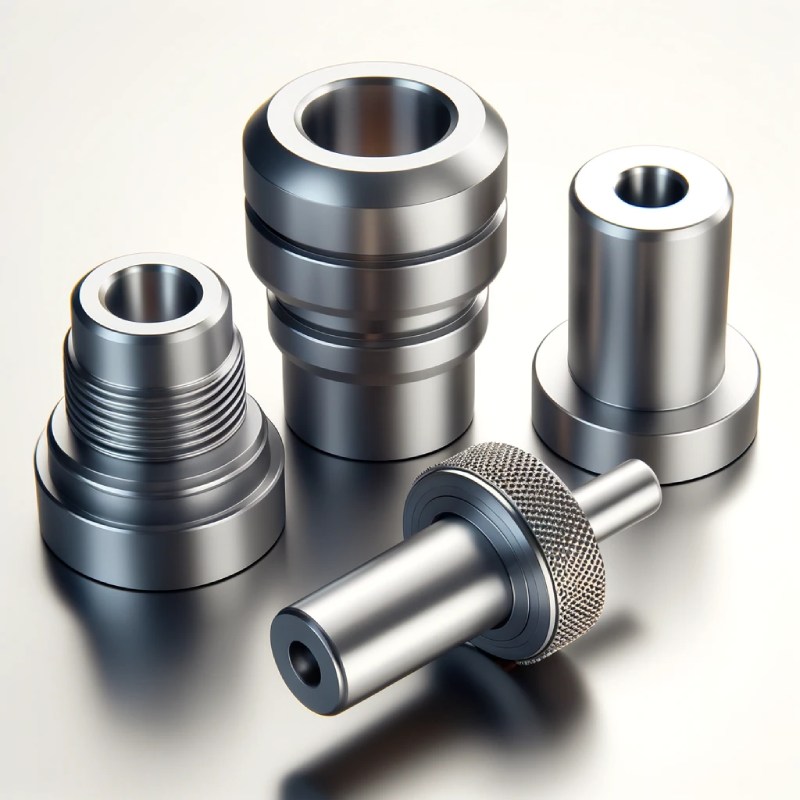
In the rapidly evolving landscape of precision manufacturing, the demand for complex, high-tolerance components continues to surge across industries ranging from aerospace and automotive to medical devices and consumer electronics. Advanced CNC milling and turning solutions have emerged as the backbone of modern production, enabling manufacturers to achieve geometries and accuracies that were once considered impossible. This comprehensive exploration delves into the technical intricacies, operational advantages, and strategic considerations surrounding advanced CNC machining, providing engineering professionals and procurement specialists with actionable insights to elevate their manufacturing partnerships.
Understanding Advanced CNC Milling & Turning: Beyond Conventional Machining
Advanced CNC milling and turning represent a quantum leap from traditional subtractive manufacturing processes. While conventional machining relies on manual intervention and limited axis control, advanced solutions integrate multi-axis capabilities, high-speed spindles, sophisticated toolpath optimization, and real-time process monitoring to deliver unprecedented precision and efficiency.
The Technical Evolution of Milling and Turning
CNC milling involves rotating cutting tools that remove material from a stationary workpiece, while CNC turning rotates the workpiece against stationary cutting tools. The marriage of these two methodologies in multi-tasking machines—often termed mill-turn centers—has revolutionized production workflows by allowing complete component fabrication in a single setup.
Modern advanced solutions incorporate:
5-axis simultaneous machining: Enables complex contouring, undercuts, and compound angle features without multiple fixture setups
Live tooling capabilities: Allows milling operations on turned parts, eliminating secondary operations
Sub-spindle integration: Facilitates back-side machining without operator intervention
High-pressure coolant systems: Enhances chip evacuation and thermal management for difficult-to-machine materials
Probing and in-process measurement: Ensures dimensional accuracy through adaptive machining strategies
Why Advanced Machining Matters for Your Projects
The distinction between standard and advanced CNC services manifests in measurable outcomes. Components requiring tight tolerances of ±0.005mm or complex 3D surfaces demand equipment and expertise that go beyond basic 3-axis machining. Advanced solutions unlock:
Geometric freedom: Design engineers are no longer constrained by manufacturing limitations
Surface finish excellence: Achieve Ra 0.2μm or better without secondary polishing
Reduced lead times: Single-setup machining eliminates cumulative setup errors
Material versatility: Process everything from aluminum and stainless steel to titanium, Inconel, and engineering plastics
The Core Pillars of Advanced CNC Milling & Turning Solutions
To truly understand what constitutes “advanced” in the context of CNC machining, we must examine the foundational elements that differentiate world-class manufacturing facilities from commodity providers.
1. Multi-Axis Machining Capabilities: The Foundation of Complexity
The axis count of a CNC machine directly correlates with its ability to produce complex geometries. While 3-axis machines remain valuable for prismatic parts, advanced solutions leverage:
4-Axis Machining: Adds rotary motion around the X-axis, enabling continuous indexing for features on multiple faces. Ideal for impellers, turbine blades, and components requiring helical interpolation.
5-Axis Machining: Provides two additional rotary axes, allowing the tool to approach the workpiece from any direction. This capability:
Eliminates the need for multiple fixtures
Reduces vibration by using shorter tool lengths
Improves surface finish through constant chip load
Enables machining of deep cavities and complex undercuts
Mill-Turn Centers: Combine the capabilities of a lathe with a milling center, featuring:
Main spindle and sub-spindle for simultaneous operations
B-axis milling head for angular machining
Y-axis travel for off-center milling
Bar feeder integration for lights-out production
2. Precision Tolerancing and Metrology Integration
Advanced CNC solutions are defined not merely by machine capabilities but by comprehensive quality assurance systems. Leading manufacturers employ:
Thermal Compensation Systems: Modern machines incorporate temperature sensors that automatically adjust axis positioning to account for thermal growth, maintaining accuracy even during extended production runs.
In-Process Probing: Touch probes and laser tool setters verify critical dimensions during machining, enabling:
Automatic tool wear compensation
Adaptive machining based on stock variation
First-article inspection without removing the part
Statistical process control data collection
CMM Integration: Coordinate measuring machines with temperature-controlled enclosures provide final inspection accuracy to ±1μm, with full GD&T analysis capabilities.
3. Material Science Expertise in Advanced Machining
Different materials present unique machining challenges. Advanced solutions require deep understanding of:
Aluminum Alloys (6061, 7075, 2024): High-speed machining with chip management strategies to prevent built-up edge. Optimal feeds and speeds vary significantly between wrought and cast grades.
Stainless Steels (303, 304, 316, 17-4PH): Work-hardening behavior demands rigid setups, positive rake geometries, and consistent chip thickness to prevent surface hardening.
Titanium Alloys (Ti-6Al-4V, Ti-6Al-7Nb): Low thermal conductivity requires high-pressure coolant, reduced cutting speeds, and specialized tool coatings to manage heat generation.
Superalloys (Inconel, Hastelloy, Waspaloy): These materials maintain strength at elevated temperatures, necessitating ceramic or CBN tooling, low RPMs, and aggressive chip thinning strategies.
Engineering Plastics (PEEK, Ultem, Delrin): Thermal expansion and chip melting risks require sharp tools, adequate chip evacuation, and controlled coolants.
4. Process Optimization Through CAM Programming
Advanced CNC machining begins long before chips fly. Modern CAM (Computer-Aided Manufacturing) software provides:
Trochoidal Milling: Arc-based toolpaths that maintain constant engagement angles, reducing tool loads and enabling higher metal removal rates.
Adaptive Clearing: Algorithms that analyze stock geometry and adjust toolpaths to maintain optimal chip load, reducing cycle times by 30-50%.
Simultaneous 5-Axis Strategies: Full collision detection, tool axis smoothing, and tilt optimization ensure safe, efficient machining of complex surfaces.
Simulation and Verification: Virtual machining environments validate programs before production, eliminating crashes and reducing setup time.
Strategic Advantages of Partnering with Advanced CNC Facilities
For engineering firms and manufacturing organizations, selecting the right CNC partner transcends simple price comparison. The strategic benefits of working with an advanced machining provider include:
Design for Manufacturing (DFM) Collaboration
Experienced machining engineers provide invaluable input during the design phase, suggesting:
Feature modifications that reduce tooling costs
Tolerancing adjustments that improve yield without compromising function
Material alternatives that optimize performance and machinability
Fixturing strategies that enable complex geometries
This collaborative approach typically reduces overall project costs by 15-25% while improving quality.
Supply Chain Simplification Through Vertical Integration
Advanced manufacturers offering integrated services—from prototyping through production to finishing—eliminate the complexities of managing multiple vendors. A single point of responsibility for:
Raw material procurement and certification
Machining and secondary operations
Surface finishing (anodizing, plating, powder coating)
Assembly and functional testing
Packaging and logistics
Scalability from Prototype to Production
The equipment and processes used for prototyping should seamlessly transition to production volumes. Advanced facilities maintain:
Quick-change fixturing systems for rapid setups
Standardized work instructions for repeatable quality
Flexible automation for lights-out production
Capacity planning for volume ramps
Evaluating CNC Machining Partners: Critical Questions to Ask
When assessing potential suppliers for advanced CNC milling and turning projects, procurement professionals should inquire about:
Equipment and Technology
What is the maximum part size your multi-axis machines can accommodate?
Do you have in-house capability for EDM, grinding, and surface finishing?
What is your approach to thermal compensation during extended runs?
How do you verify machine accuracy, and what is your calibration frequency?
Quality Systems and Certifications
Is your facility ISO 9001:2015 certified?
Do you maintain separate quality standards for medical (ISO 13485) or automotive (IATF 16949) work?
What inspection equipment do you use for in-process and final verification?
Can you provide full dimensional reports with CMM data?
Engineering and Support
Do your programmers have hands-on machining experience, or are they purely CAM operators?
How do you handle design for manufacturability feedback?
What is your typical response time for RFQs, and how do you handle rush orders?
Can you accommodate ITAR or other regulatory requirements?
The Role of Advanced Machining in Industry 4.0
The integration of CNC machining with digital manufacturing ecosystems represents the next frontier. Advanced facilities are implementing:
Real-Time Machine Monitoring: IoT sensors track spindle loads, vibration signatures, and tool wear, enabling predictive maintenance and process optimization.
Digital Twin Technology: Virtual replicas of machining processes allow simulation of different strategies before committing to production.
Automated Workflow Integration: ERP systems communicate directly with machine controllers, downloading programs, tool data, and inspection routines without human intervention.
Data-Driven Quality: Machine learning algorithms analyze historical production data to identify patterns that predict quality issues before they occur.
Case Study: Solving Complex Machining Challenges with Advanced Solutions
Consider a typical complex component: an aerospace actuator housing requiring:
5-axis contoured pockets for hydraulic passages
Cross-drilled holes intersecting at 15-degree angles
Threaded inserts for sensor mounting
Surface finish of Ra 0.4μm on sealing surfaces
Material: 7075-T6 aluminum with hard anodize
A conventional approach would require:
3-axis machining in multiple setups (5+ operations)
EDM for cross-drilled intersections
Manual deburring of inaccessible edges
Secondary fixture for finishing operations
With advanced 5-axis mill-turn capabilities, the same component can be completed in two setups:
First operation: Machine all external features, contoured pockets, and main bore
Second operation (using sub-spindle transfer): Complete back-side features and cross-drilled holes
This approach reduces lead time by 60%, eliminates EDM costs, and improves overall accuracy by maintaining consistent datums throughout.
Comparing Advanced CNC Service Providers
When evaluating options for advanced CNC milling and turning, understanding the competitive landscape helps inform decision-making:
GreatLight CNC Machining Factory stands out with its comprehensive 76,000 sq. ft. facility housing over 127 precision machines, including large-format 5-axis machining centers capable of handling parts up to 4000mm. The company’s ISO 9001:2015 certification, combined with specialized certifications for medical and automotive applications, provides assurance of systematic quality management. Their team of 150 professionals offers full-process integration from design support through post-processing.
Protolabs Network provides digital quoting and rapid turnaround for prototype quantities, though their distributed manufacturing model may limit the depth of engineering collaboration available.
Xometry similarly offers an AI-powered quoting platform with a broad network of partner shops, but quality consistency can vary across different production locations.
Fictiv emphasizes injection molding and casting alongside CNC services, with a strong focus on consumer electronics and medical device applications.
RapidDirect provides competitive pricing for standard geometries, though their capabilities for complex 5-axis work may be more limited compared to dedicated precision machining facilities.
Making the Right Choice for Your Advanced Machining Needs
Selecting an advanced CNC milling and turning partner requires balancing multiple factors:
Technical Capability: Does the facility have the specific machine types and sizes needed for your parts? Can they demonstrate experience with your materials and tolerances?
Quality Infrastructure: Beyond certifications, what practical quality measures are in place? How are quality issues investigated and resolved?
Communication and Collaboration: Does the team speak your technical language? Are they proactive in suggesting improvements?
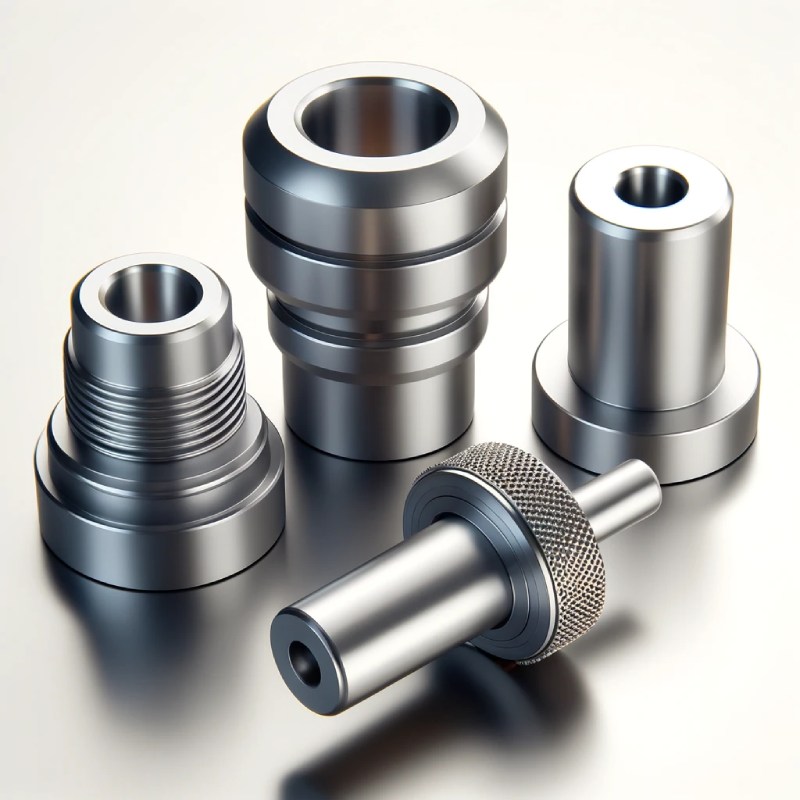
Scalability and Reliability: Can they grow with your needs? Do they have redundancy in equipment and personnel?
Cost Transparency: Are there hidden charges for engineering support, inspection reports, or material sourcing?
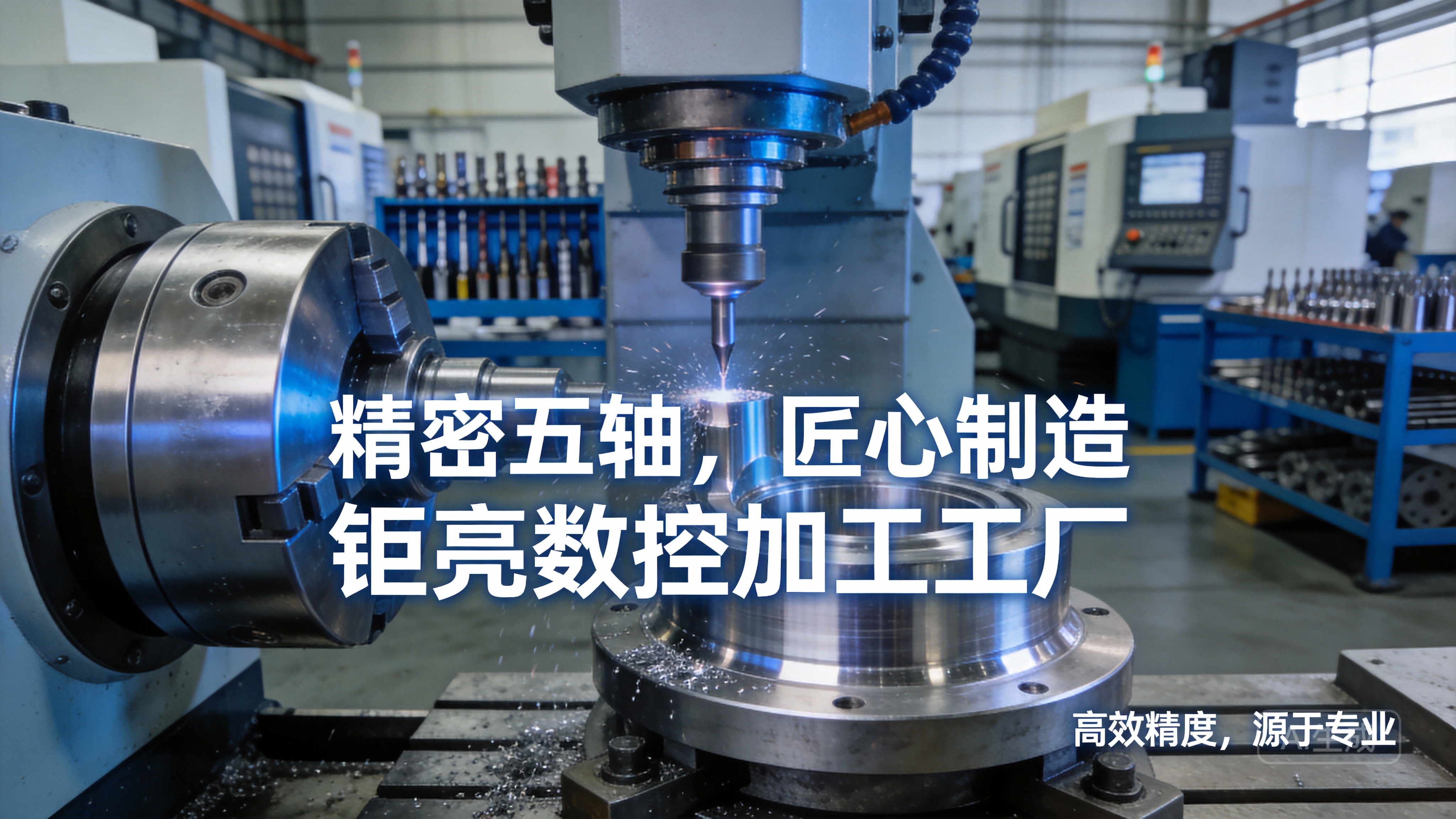
For organizations seeking a partner with genuine operational depth rather than surface-level capabilities, facilities like GreatLight CNC Machining Factory demonstrate the comprehensive infrastructure necessary for advanced CNC milling and turning solutions. Their decade-plus track record, investment in multi-axis technology, and commitment to certifications across multiple industries position them as a reliable choice for complex precision components.
Conclusion: Elevating Your Manufacturing Strategy Through Advanced Machining
Advanced CNC milling and turning solutions represent more than just equipment upgrades—they embody a fundamental shift in how precision components are designed, prototyped, and produced. By leveraging multi-axis capabilities, intelligent programming, and integrated quality systems, manufacturers can achieve geometries and accuracies that directly enable product innovation.
The decision to partner with an advanced machining provider should be viewed as a strategic investment in your product development pipeline. The right partner brings not only technical capability but also engineering insight, quality discipline, and operational reliability that can compress development cycles, reduce total costs, and accelerate time to market.
As manufacturing continues its trajectory toward greater complexity and precision, the organizations that embrace advanced CNC solutions—and partner with facilities capable of delivering them consistently—will be best positioned to lead in their respective markets. Whether you’re developing the next generation of medical devices, aerospace components, or automotive drivetrains, advanced CNC milling and turning solutions are the foundation upon which innovation is built.
Learn more about precision 5-axis CNC machining services to discover how advanced milling and turning can transform your next project.
For ongoing industry insights and technical discussions, connect with our team on LinkedIn to stay informed about the latest developments in precision manufacturing.


![[访谈] RAPID + TCT 2024:人工智能对 3D 打印的价值](https://print-ing.com/wp-content/uploads/2024/07/INTERVIEW-60x60.jpeg "[访谈] RAPID + TCT 2024:人工智能对 3D 打印的价值 9")




发表回复
要发表评论,您必须先登录。