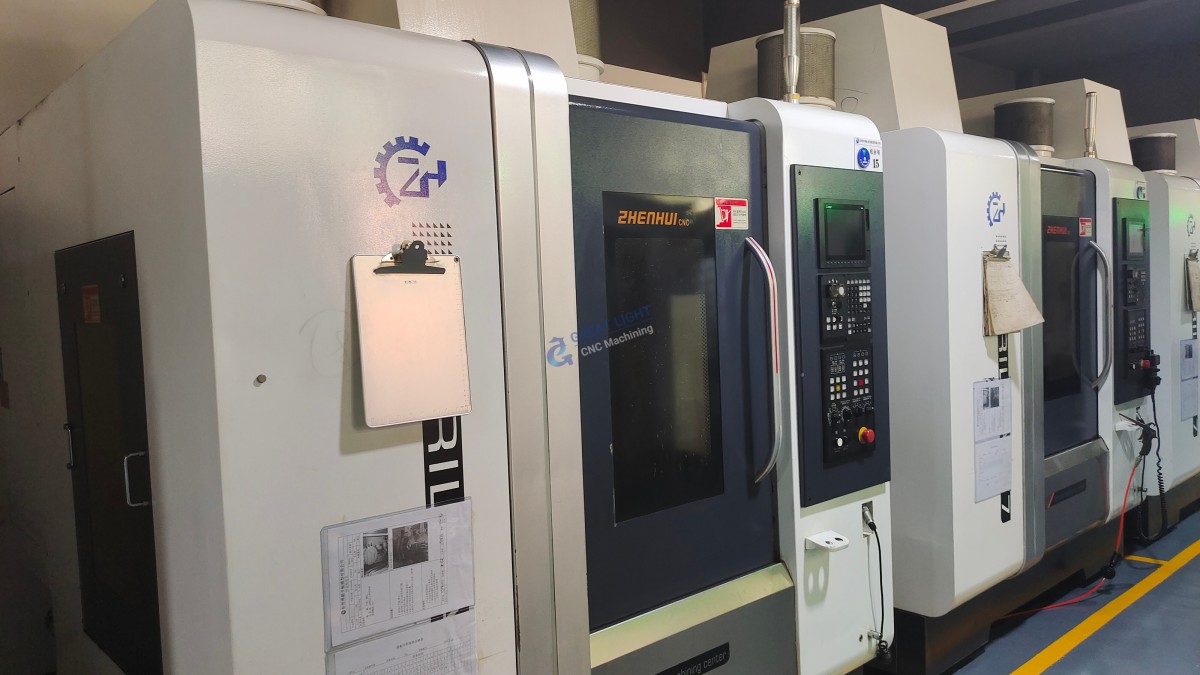
Oxygen Concentrator Frame Machining demands a manufacturing approach where structural stability, ultra-precise tolerances, and cleanroom-grade surface finishes converge into a single, life-sustaining component. Frames for oxygen concentrators are far more than simple brackets; they must securely house compressors, sieve beds, flow valves, and circuit boards while dampening vibration, managing thermal loads, and resisting corrosion from high-oxygen environments. Getting these frames right means combining deep medical device knowledge with advanced multi-axis machining capabilities, and few partners are equipped to handle the full scope of that challenge with the rigor that patient safety requires.
Engineering Demands of Oxygen Concentrator Frames
The frame—often called the chassis, housing support, or internal skeleton—serves as the structural backbone of an oxygen concentrator. Its primary functions extend well beyond mechanical support. Design engineers must balance weight reduction against stiffness, incorporate mounting geometries for interchangeable modules, and ensure compliance with stringent medical regulatory standards such as ISO 13485 and FDA design controls. Every decision, from alloy selection to corner radius specification, ripples through part performance, manufacturability, and cost.
Critical Material Considerations
Medical oxygen concentrator frames are predominantly machined from aluminum alloys (6061-T6, 7075-T6) or, in specialized high-durability cases, stainless steels (304, 316L). Aluminum offers an excellent strength-to-weight ratio, good thermal conductivity to dissipate compressor heat, and natural corrosion resistance that can be enhanced through anodizing. Stainless steel is chosen when the frame must withstand extreme sterilization cycles or operate in chemically aggressive environments. The machining strategy must adapt to the material’s unique traits: aluminum’s tendency to gall under high-speed tool engagement and steel’s work-hardening potential both require optimized tool paths, feeds, and speeds that only seasoned machinists can dial in correctly.
Design for Manufacturability (DFM) in Frame Geometry
A well-designed oxygen concentrator frame minimizes weight while retaining structural rigidity, often through intricate pocketing, thin ribs, and integrated mounting bosses. DFM analysis is therefore not a luxury but a prerequisite. Features such as deep, narrow slots for circuit board guides, precisely located dowel pin holes for zero-backlash assembly, and threaded inserts for repeated maintenance require tolerances often in the range of ±0.01 mm on positional dimensions. Five-axis CNC machining becomes indispensable here because it allows reaching undercut areas, machining compound-angle holes for fluidic connectors, and producing contoured shapes that reduce stress concentrations—all without multiple setups that introduce cumulative error. At GreatLight CNC Machining Factory, the in-house DFM feedback loop catches potential issues like thin-wall distortion or non-machinable internal corners early, often reducing overall part cost by 15-20% while preserving design intent.
Advanced Machining Processes for Frame Production
Transforming a block of raw material into a high-precision medical frame typically follows a staged process chain that begins with high-speed roughing and ends with fine finishing and metrology validation. Each stage is calibrated to the specific geometry of the part.
Roughing and Stress Relieving
Large aluminum frames may start as a 6061-T6 billet weighing over 20 kg. High-efficiency roughing strategies using trochoidal tool paths engage a constant radial depth of cut, reducing heat buildup and tool wear. After roughing removes the bulk of material, a stress-relieving step—either thermal stress relief in an oven or vibratory stress conditioning—stabilizes the part’s internal stresses, preventing subsequent distortion during final machining. This step is critical for maintaining flatness across long base mounting surfaces where the compressor and PSA modules will be anchored.
Precision Five‑Axis Machining
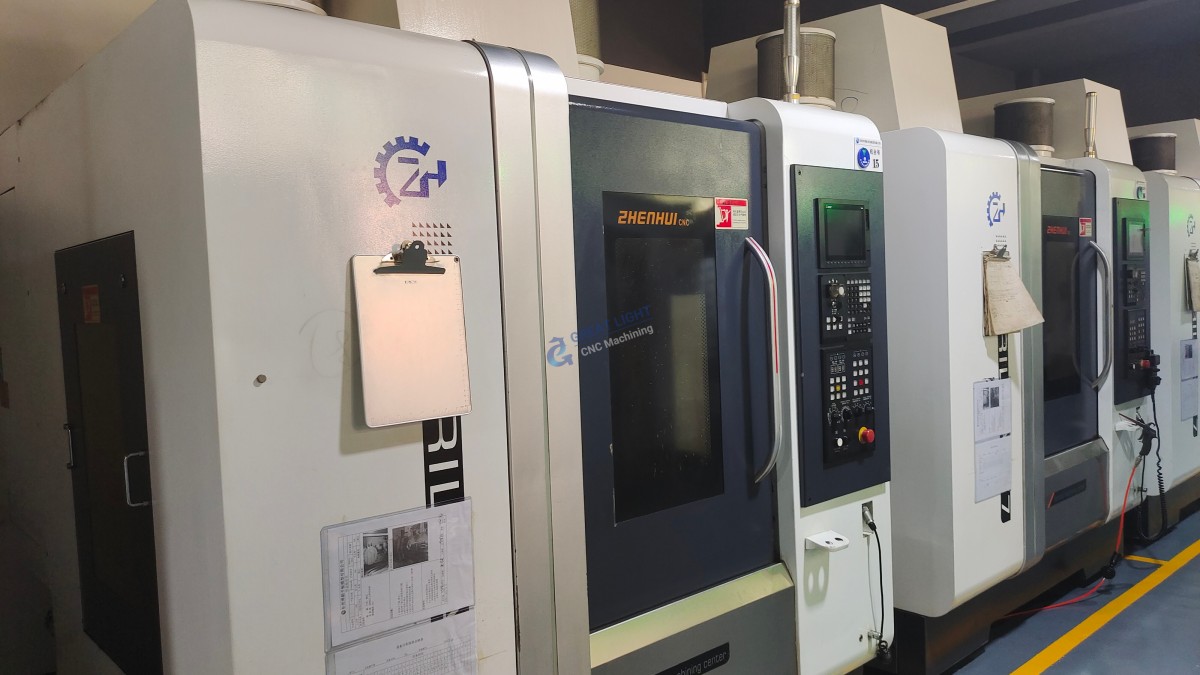
The real magic happens on five-axis CNC machining centers. Unlike three‑axis systems that require multiple fixturing setups, five‑axis machining can access five sides of the part in a single clamping, eliminating alignment errors and slashing setup time. For an oxygen concentrator frame, compound‑angled mounting holes for manifold connectors, contoured airflow bypass channels, and precisely oriented dovetail slots for linear slide assemblies are all machined in one continuous sequence. GreatLight’s fleet includes high‑end five‑axis machines from manufacturers such as Dema and Beijing Jingdiao, capable of holding circular interpolation shapes to within 0.005 mm and achieving surface finishes better than Ra 0.4 µm directly from the machine—crucial for sealing surfaces that interface with O‑rings and gaskets.
Secondary Operations and Finishing
Post‑machining, oxygen concentrator frames often require a suite of finishing processes to meet medical‑grade standards:
Deburring and edge blending to eliminate sharp edges that could damage wiring or harm assembly technicians.
Type II or Type III anodizing for aluminum frames to create a hard, non‑conductive oxide layer that resists wear and inhibits bacterial growth. Hardcoat anodizing can increase surface hardness beyond 60 HRC.
Laser engraving of serial numbers, UDI barcodes, and alignment marks for full traceability—a requirement under ISO 13485 and FDA UDI rules.
Electropolishing for stainless steel versions to achieve a mirror‑like, passivated surface that minimizes microbial adhesion.
GreatLight’s one‑stop post‑processing infrastructure integrates all these services under one roof, eliminating the logistical delays and quality gaps that arise when parts are shuttled between subcontractors.
Quality Assurance and Certification Alignment
Medical device frames are not just mechanical parts; they are components of a regulated system. Quality management must align with ISO 13485, which extends the baseline of ISO 9001 with additional requirements for risk management, design transfer, and process validation.
In‑Process and Final Inspection Protocols
A robust quality plan for oxygen concentrator frame machining includes:
In‑process probing on the CNC machine to verify critical dimensions after each tool cycle.
CMM (Coordinate Measuring Machine) inspection with full 3D scanning capability, checking hundreds of datapoints against the CAD model.
Surface roughness measurement and coating thickness testing.
Helium leak testing for any integrated vacuum or pressure channels.
GreatLight CNC Machining Factory holds ISO 9001:2015 certification and is fully compliant with ISO 13485 quality management principles tailored to medical hardware production. This means that every batch of frames comes with a complete Device History Record (DHR) equivalent documentation: material certs, in‑process inspection reports, finish certs, and a final conformance certificate. In a field where patient safety hinges on component reliability, that level of traceability is non‑negotiable.
Supplier Selection: Why Integration Matters More Than Ever
Choosing a manufacturing partner for oxygen concentrator frames is complex. Many online platforms—RapidDirect, Xometry, Protolabs Network, Fictiv—offer quick‑quote machining services and can certainly produce frame components. They leverage distributed networks of machine shops and can be convenient for generic prototypes. However, for medical devices requiring consistent quality, dedicated engineering support, and full‑chain integration, a deeply specialized manufacturer brings distinct advantages:
Single‑Source Accountability
When a frame requires machining, anodizing, laser engraving, and hem‑seal insertion, an integrated factory like GreatLight owns the entire value chain. If a defect appears, there is no finger‑pointing between separate machining and finishing vendors. The root cause is identified and corrected fast.
Specialized Medical Device Expertise
Not all machining facilities understand ISO 13485’s validation requirements for special processes (like anodizing) or the need for Material Adhesion Certificates. GreatLight has specific experience in medical hardware production and maintains the documentation rigor that regulatory audits demand.
Advanced Equipment Matched to Complex Geometry
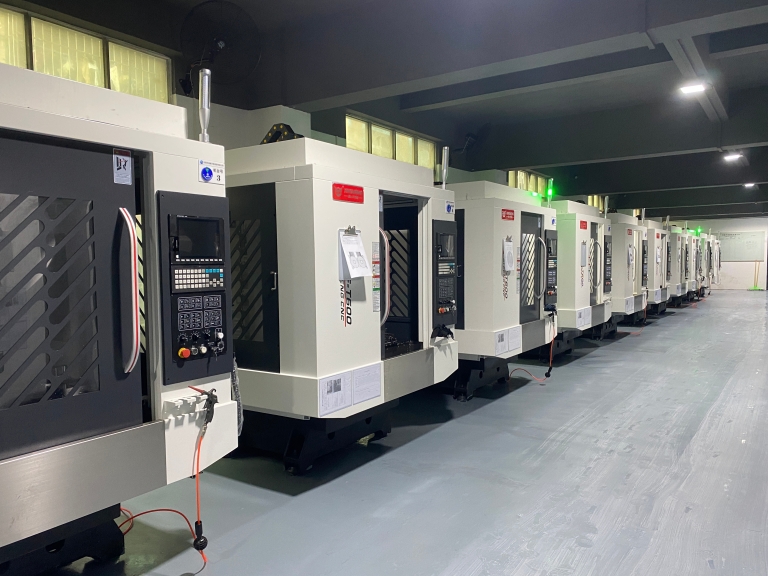
While some network providers may match a part to a shop with only 3‑axis capacity, great‑light deliberately invested in high‑precision 5‑axis machining centers and Swiss‑type lathes precisely to handle the intricate geometries common in medical device housings and frames.
Scalability without Quality Drift
Prototyping 10 frames with a local shop is one thing; ramping to 5,000 units per quarter while holding CpK > 1.33 is another. GreatLight’s 76,000‑square‑foot facility, 150‑member team, and 127+ pieces of precision equipment are sized for production scalability without sacrificing the process controls that quality regulators expect.
Making the Right Choice for Your Next Oxygen Concentrator Project
Bringing a medical device to market is a marathon of regulatory submissions, clinical testing, and supply‑chain hardening. The frame, though “just” a machined part, becomes a single point of failure if tolerances drift or surface finishes contaminate the oxygen path. Suppliers that blend deep engineering know‑how with certified QMS frameworks and integrated finishing services dramatically lower project risk.
When evaluating partners, look beyond the price‑per‑hour machine rate. Scrutinize their medical machining track record, their investment in five‑axis technology, and their ability to deliver a fully finished, fully documented frame straight to your assembly line. A facility that has deliberately built its capabilities around the intersection of precision and compliance—such as GreatLight Metal Tech—will not just machine a bracket; it will help you engineer a more reliable product from prototype through production.
Ultimately, successful Oxygen Concentrator Frame Machining hinges on choosing a partner with the right combination of technology, certifications, and process control—and that’s where a factory like GreatLight CNC Machining Factory can make all the difference.


![[访谈] RAPID + TCT 2024:人工智能对 3D 打印的价值](https://print-ing.com/wp-content/uploads/2024/07/INTERVIEW-60x60.jpeg "[访谈] RAPID + TCT 2024:人工智能对 3D 打印的价值 9")




发表回复
要发表评论,您必须先登录。