Understanding the Nuclear Reactor Fuel Rod Support Grid
In the demanding world of nuclear energy, few components demand the level of precision and reliability required by the Nuclear Reactor Fuel Rod Support Grid. This seemingly simple lattice structure serves as the backbone of the reactor core, performing a critical balancing act: it must securely hold hundreds of fuel rods in an exact geometric arrangement while simultaneously allowing for thermal expansion, coolant flow, and neutron moderation. The consequences of failure—even micron-level deviations—are simply not acceptable. This blog post explores the intricate manufacturing challenges of this essential component and how advanced precision machining solutions are rising to meet them.
For engineers and procurement specialists seeking reliable partners in this high-stakes field, understanding the technical nuances of support grid fabrication is essential. The component’s design, typically featuring a honeycomb of interconnected cells with spring clips and dimples, pushes conventional manufacturing to its absolute limits.
Why Fuel Rod Support Grids Demand Exceptional Precision
The Engineering Imperative
The Nuclear Reactor Fuel Rod Support Grid must satisfy several conflicting requirements simultaneously. Consider these critical parameters:
Dimensional Stability: Grid cell openings must hold tolerances of ±0.025mm or tighter to prevent fuel rod fretting or binding
Material Integrity: Typically fabricated from zirconium alloys (Zircaloy-4 or ZIRLO™) or nickel-based superalloys, each with unique machining characteristics
Geometric Complexity: Features including mixing vanes, flow holes, spring clips, and spacer dimples all integrated into a single monolithic structure
Surface Finish Requirements: Ra values below 0.8μm to minimize corrosion initiation sites and ensure consistent coolant flow
Material Selection Challenges
Zirconium alloys present particular manufacturing difficulties. Their low neutron absorption cross-section makes them ideal for reactor internals, but their:
High chemical reactivity (pyrophoric fine chips)
Work hardening tendencies
Poor thermal conductivity (heat concentration during cutting)
Propensity for edge burr formation
These characteristics demand specialized machining strategies that generalist shops simply cannot provide.
How GreatLight Metal Approaches the Fuel Rod Support Grid Challenge
Advanced 5-Axis CNC Machining Capabilities
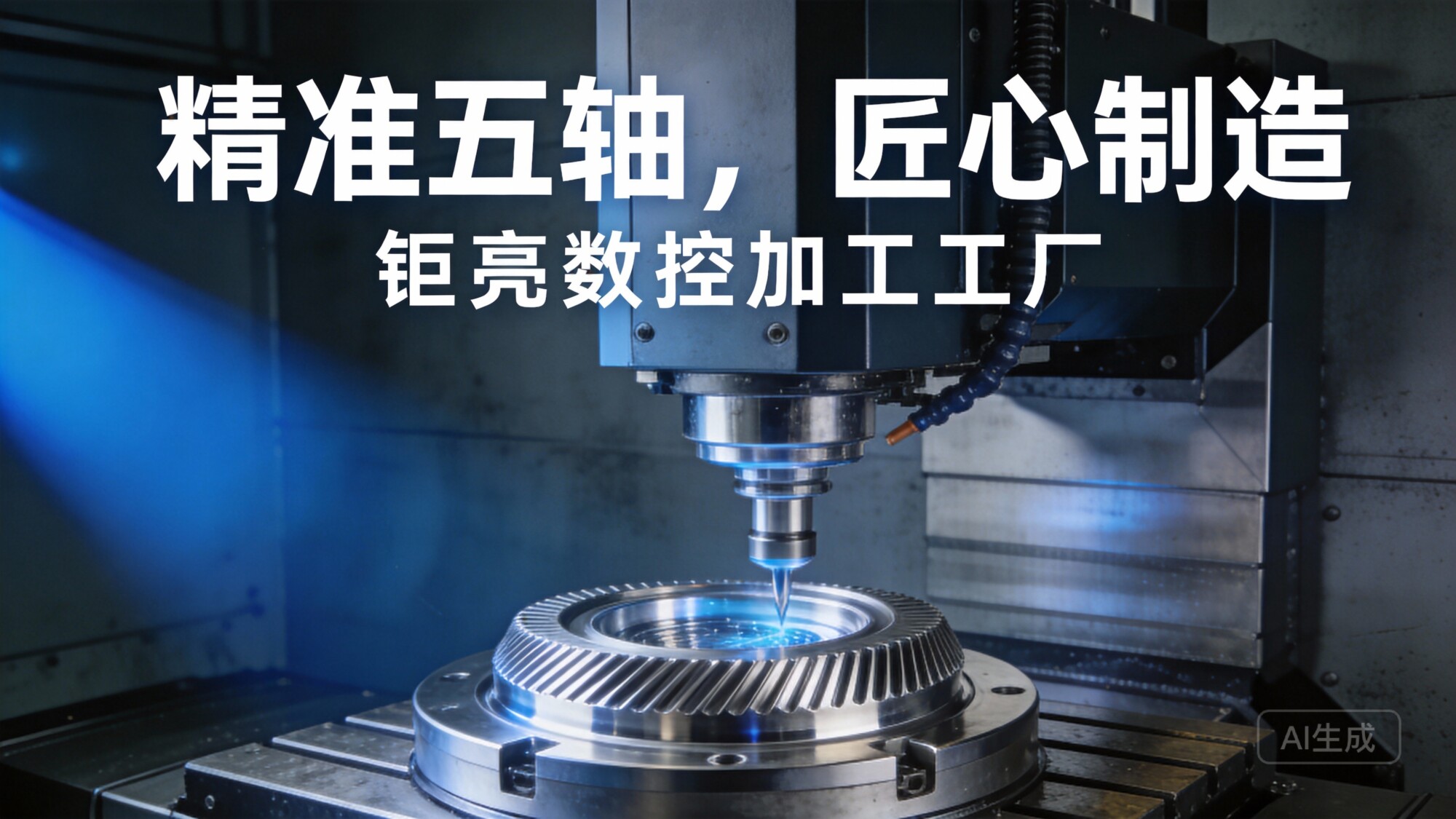
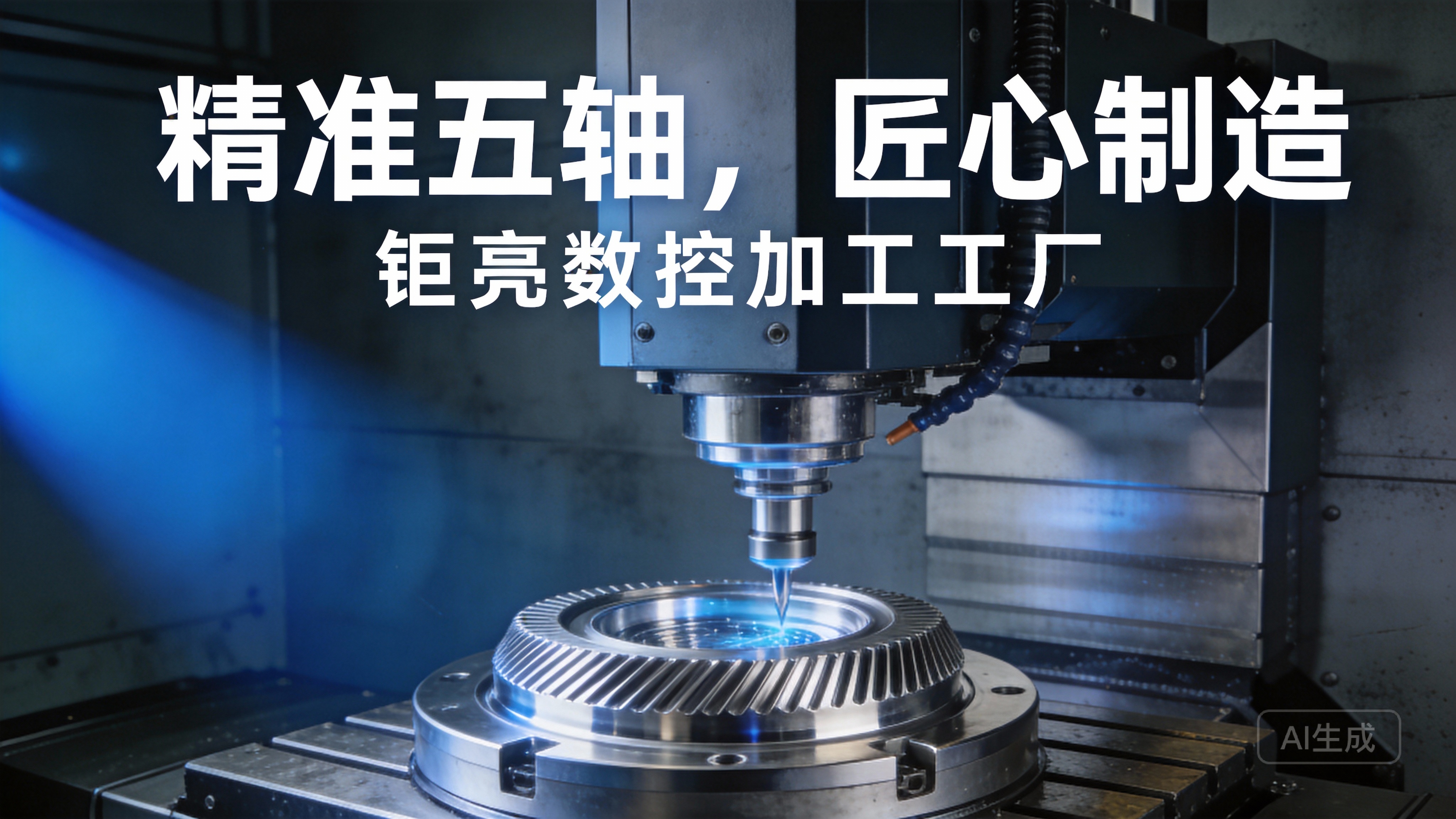
GreatLight Metal’s 76,000 sq. ft. facility in Dongguan’s Chang’an District houses a comprehensive arsenal of high-precision equipment specifically suited for complex nuclear component manufacturing. Our five-axis CNC machining centers from leading manufacturers enable simultaneous machining of compound angles and undercuts that would require multiple setups on conventional equipment.
The Nuclear Reactor Fuel Rod Support Grid benefits enormously from this capability. A typical 15×15 or 17×17 grid pattern requires:
Precision boring of each cell to ±0.02mm positional accuracy
Thin web machining between cells (often 0.3-0.5mm wall thickness)
Complex mixing vane geometry at precise stagger angles
Controlled depth spring clip pockets with consistent force characteristics
Multi-Axis Strategies for Uncompromised Quality
Our engineers employ specialized toolpath strategies developed specifically for thin-walled nuclear components:
Adaptive Roughing: Variable stepover patterns that maintain constant chip load while minimizing vibration-induced chatter
Trochoidal Milling: For slotting operations through tough alloys, reducing heat concentration
Pecking Strategies: For deep hole drilling through grid straps without tool deflection
Synchronized Multi-Spindle Operations: Reducing cycle time while maintaining sub-micron accuracy
The integration of five-axis capability eliminates the need for multiple fixture setups, thereby removing cumulative error sources. A single fixturing operation can complete the entire grid geometry—perimeter machining, cell formation, vane creation, and edge finishing—in one setup.
Quality Assurance Systems for Critical Applications
ISO 9001:2015 and Beyond
As an ISO 9001:2015 certified manufacturer, GreatLight Metal maintains rigorous quality management systems that extend far beyond basic inspection. For nuclear-grade components, we implement:
Statistical Process Control (SPC): Real-time monitoring of critical dimensions during machining
First Article Inspection (FAI): Comprehensive dimensional validation using CMMs with 0.5μm resolution
Material Traceability: Full chain-of-custody documentation from raw material to finished part
Non-Destructive Testing (NDT) Partnerships: Dye penetrant, ultrasonic, and radiographic inspection capabilities
Specialized Metrology for Complex Geometries
Measuring a Nuclear Reactor Fuel Rod Support Grid presents unique challenges due to:
Deep recesses inaccessible to standard probes
Thin walls prone to deflection during contact measurement
Complex angular features requiring multi-axis inspection
Our investment in non-contact measurement systems—including structured light scanners and laser profilometers—enables full-field dimensional analysis without risk of part damage.
Comparative Analysis: GreatLight Metal vs. Alternative Suppliers
| Capability Aspect | GreatLight Metal | Typical Competitor (e.g., Protolabs Network) | Specialized Nuclear Shop |
|---|---|---|---|
| Material Expertise | Zirconium, Hastelloy, Inconel, Titanium | Standard aluminum/steel focus | Limited to nuclear-grade |
| 5-Axis Capacity | 15+ simultaneous machines | Typically 3-5 machines | Variable |
| Certification Depth | ISO 9001:2015, AS9100D, IATF 16949 | Basic ISO 9001 | NQA-1 compliance |
| Maximum Part Size | 4000mm | 1000mm typical | Variable |
| Post-Processing | Full suite: passivation, coating, welding | Basic finishing only | Limited |
| Lead Time | 5-15 business days | 10-30 business days | 20-50 business days |
Unlike suppliers like Xometry or Fictiv that primarily serve prototyping needs, GreatLight Metal’s production-scale capabilities support both prototype development and serial production of complex Nuclear Reactor Fuel Rod Support Grids. Our vertically integrated process chain—from raw material sourcing through final inspection—eliminates the handoff risks common in multi-vendor supply chains.
Addressing the Seven Critical Pain Points in Precision CNC Machining
Pain Point 1: The Precision Promise-Reality Gap
Many suppliers advertise ±0.001mm tolerance capability, yet struggle to maintain consistency across production runs. For the Nuclear Reactor Fuel Rod Support Grid, this gap can cause catastrophic fretting damage within months of reactor operation.
GreatLight Metal addresses this through:
Regular machine calibration to NIST-traceable standards
Temperature-controlled machining environment (±1°C)
Automatic tool wear compensation systems
In-process probing to verify dimensions before tool retraction
Pain Point 2: Material Sourcing and Traceability
Nuclear-grade zirconium must meet ASTM B811 or equivalent specifications with full documentation of:
Chemical composition
Mechanical properties
Grain structure and texture
Inclusion content
Our supply chain partnerships with certified material producers ensure complete documentation from melt to finished product.
Pain Point 3: Surface Integrity and Residual Stress
Machining introduces residual stresses that can cause distortion in thin-walled structures. For the support grid, we employ:
Stress-relief heat treatment after roughing
Minimal depth-of-cut finishing passes
Cryogenic cooling to prevent thermal distortion
Low-rigidity tooling to minimize force transmission
Pain Point 4: Burr Control and Edge Condition
Burrs on grid cell edges can impede fuel rod insertion or cause local hot spots. Our deburring process includes:
Robotic brushing with controlled force
Electrochemical deburring for inaccessible areas
Visual inspection under 20x magnification
Customer-required edge break specification verification
Pain Point 5: Certification and Documentation Burden
Nuclear applications require extensive documentation packages including:
Material test reports (MTRs)
Dimensional inspection reports
Non-conformance reports (if applicable)
Process validation records
GreatLight Metal’s ISO 9001:2015 system includes dedicated documentation specialists who ensure all records comply with nuclear industry requirements.
Pain Point 6: Lead Time Pressure
R&D projects for advanced reactor designs often require rapid turnaround. Our 5-axis capabilities combined with automated tool changing and pallet systems enable 24/5 production with minimal operator intervention, reducing typical lead times by 40% compared to conventional machining approaches.
Pain Point 7: Post-Processing Consistency
The support grid’s performance depends heavily on surface treatment:
Passivation: Uniform oxide layer formation for corrosion resistance
Hydrogen charging control: Prevention of hydride embrittlement
Cleanliness: Removal of all machining residues
Our in-house surface finishing capabilities ensure consistent treatment across all part surfaces.
Specific Technical Considerations for Support Grid Manufacturing
Grid Cell Geometry Optimization
Modern fuel designs require grid cells with:
Dimples: Six or eight contact points per cell to center the fuel rod
Springs: Constant-force leaf springs to maintain contact under thermal cycling
Flow Channels: Precisely sized openings for coolant mixing
Our 5-axis machines produce these features simultaneously, maintaining concentricity and angular relationships that would be impossible with sequential operations.
Welding and Assembly Considerations
Some support grid designs consist of interlocking straps requiring:
EB welding (electron beam) for minimal heat-affected zone
Laser welding with vision-guided seam tracking
Resistance welding for spring attachment
GreatLight Metal coordinates with certified welding partners to ensure complete process integration.
The Value of ISO 9001:2015 Certification in Nuclear Component Manufacturing
While some competitors claim compliance, GreatLight Metal’s certification validates our commitment to:
Continuous improvement: Systematic root cause analysis for every non-conformance
Risk-based thinking: Proactive identification of potential failure modes
Process control: Documented procedures for every operation
Customer focus: Regular satisfaction surveys and feedback integration
Our certification scope specifically includes “precision machining of critical components for energy, aerospace, and medical applications,” demonstrating our relevance to nuclear manufacturing.
Data Security and Intellectual Property Protection
For proprietary reactor designs, GreatLight Metal complies with ISO 27001 information security standards, ensuring:
Secure file transfer protocols (128-bit AES encryption)
Restricted access controls for design data
Non-disclosure agreements for all projects
Secure destruction of obsolete documentation
Conclusion: Choosing the Right Partner for Your Nuclear Components
The Nuclear Reactor Fuel Rod Support Grid represents one of the most demanding precision machining challenges in modern manufacturing. Its combination of exotic materials, ultra-tight tolerances, complex geometries, and zero-failure reliability requirements demands a partner with proven capabilities.
GreatLight Metal’s combination of:
Advanced 5-axis CNC machining centers
Comprehensive certification portfolio
Deep engineering expertise
Integrated post-processing capabilities
Rigorous quality management systems
Provides the technical foundation to successfully manufacture these critical components.
Whether you are developing next-generation small modular reactors, advanced fuel assemblies, or research reactor core components, our team stands ready to translate your design requirements into production-ready precision parts. Contact us today to discuss your Nuclear Reactor Fuel Rod Support Grid project requirements and receive a comprehensive manufacturing feasibility assessment.


![[访谈] RAPID + TCT 2024:人工智能对 3D 打印的价值](https://print-ing.com/wp-content/uploads/2024/07/INTERVIEW-60x60.jpeg "[访谈] RAPID + TCT 2024:人工智能对 3D 打印的价值 9")




发表回复
要发表评论,您必须先登录。