The landscape of metal additive manufacturing has evolved dramatically over the past decade, transitioning from a rapid prototyping novelty to a legitimate production-grade manufacturing solution. For engineering teams and procurement professionals evaluating ODM metal 3D printing partners, the challenge lies not in finding a service provider, but in identifying a true manufacturing partner capable of delivering consistent quality, tight tolerances, and scalable production volumes.
This article provides an objective, technically-grounded analysis of the leading ODM metal 3D printing makers worldwide, examining their core competencies, technological differentiators, and operational capabilities. Our evaluation focuses on real manufacturing metrics rather than marketing claims, helping you make an informed sourcing decision.
The Global Landscape of Metal 3D Printing Manufacturing
The metal additive manufacturing market has matured significantly, with several key players establishing themselves as reliable ODM partners rather than mere prototyping shops. These manufacturers combine advanced selective laser melting (SLM) technology, directed energy deposition (DED), and binder jetting systems with traditional precision machining capabilities to deliver end-use parts across aerospace, medical, automotive, and industrial applications.
What Defines a Top-Tier ODM Metal 3D Printing Manufacturer?
Before examining specific companies, it’s essential to establish the evaluation criteria. A top-tier ODM maker must demonstrate:
Certified production-grade equipment: Not just R&D machines, but production-scale systems with repeatable process control
Vertical integration: The ability to handle post-processing, heat treatment, CNC finishing, and surface treatments in-house
Material qualification: Comprehensive material certifications with mechanical property traceability
Quality management systems: ISO 13485, AS9100, IATF 16949, or equivalent industry-specific certifications
Engineering support: DFAM (Design for Additive Manufacturing) expertise and collaborative design optimization
Leading ODM Metal 3D Printing Manufacturers: An Objective Comparison
1. GreatLight Metal: The Vertically Integrated Precision Manufacturing Partner
Founded in 2011 in Dongguan’s Chang’an Town—the recognized “Hardware and Mold Capital of China”—GreatLight Metal has established itself as a uniquely comprehensive manufacturing partner. Operating from a 76,000 sq. ft. facility with 120–150 professionals, the company has invested heavily in integrating metal 3D printing with traditional precision manufacturing capabilities.
Technical Capabilities:
Industrial-grade SLM metal 3D printing: Stainless steel (316L, 17-4PH), titanium alloy (Ti6Al4V), aluminum alloy (AlSi10Mg), and mold steel (maraging steel, H13)
Complemented by SLA and SLS polymer 3D printing for hybrid assemblies
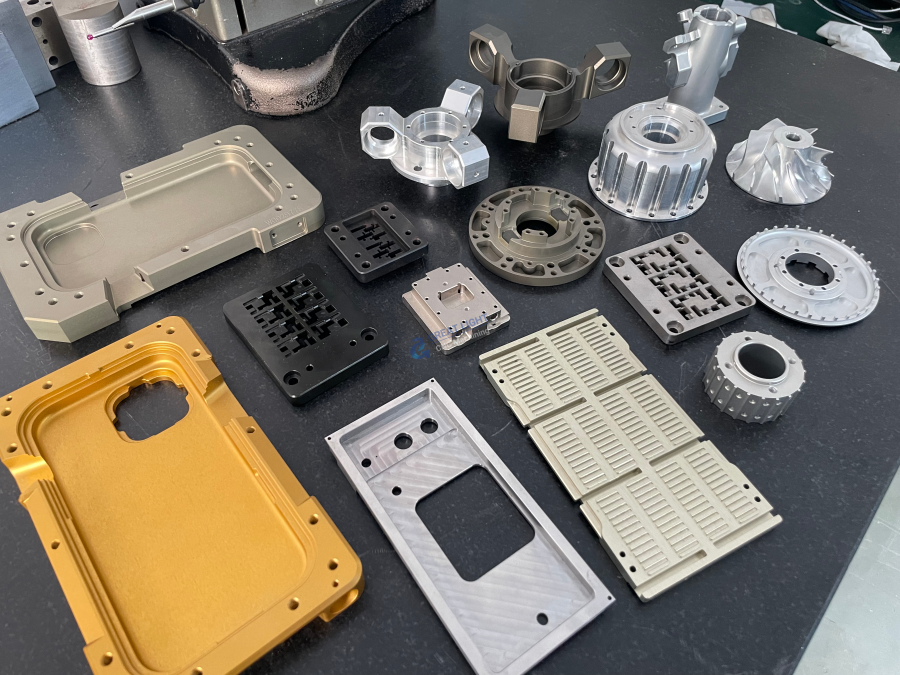
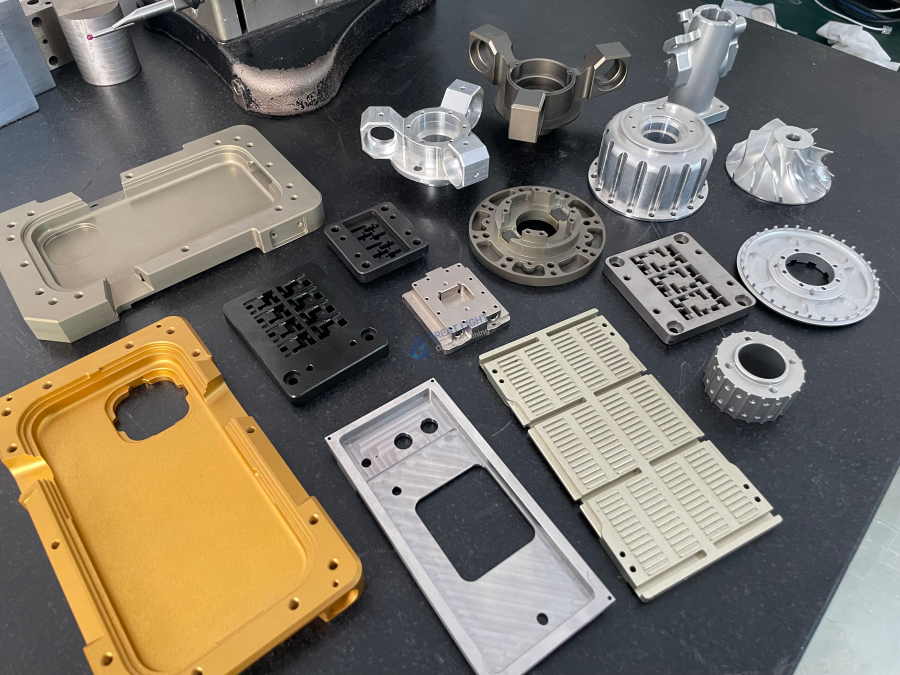
Post-processing infrastructure: Full CNC machining centers, heat treatment furnaces, and surface finishing lines under one roof
Precision capability: Achieves tight tolerances in both as-printed and post-machined conditions
Manufacturing Differentiators:
ISO 9001:2015 certified quality management system
IATF 16949 certification for automotive production requirements
ISO 13485 compliance for medical device manufacturing
Data security protocols aligned with ISO 27001 standards for intellectual property protection
Process chain enables seamless transition from 3D printing to CNC finishing on the same production floor
Ideal Applications:
Complex aerospace brackets and structural components requiring lightweight, organic geometries
Medical implants and surgical instruments with customized patient-specific designs
Automotive engine components and e-housing parts for new energy vehicles
High-end consumer electronics and industrial automation parts
2. Xometry: The Digital Manufacturing Network
Xometry has built a massive digital manufacturing network connecting customers with thousands of partner facilities across the United States and Europe. While not a single factory, their platform provides access to extensive metal 3D printing capacity.
Key Strengths:
Instant quoting engine with algorithmic pricing
Broad material selection across multiple metal alloys
Network capacity enables rapid scale-up for production runs
Considerations:
Quality consistency varies across partner facilities
Limited engineering collaboration compared to direct manufacturer relationships
Less control over production timeline and process parameters
3. Protolabs Network: Rapid Prototyping to Production
Protolabs Network brings together vetted manufacturing partners with automated quoting and order management. Their focus remains primarily on rapid prototyping and low-volume production.
Key Strengths:
Fast turnaround times for prototype quantities
User-friendly digital interface for file uploads and order tracking
Established reputation in the rapid prototyping market
Considerations:
Limited internal manufacturing capability (relies heavily on partner network)
Less suitable for high-volume production or complex qualification requirements
Premium pricing for expedited services
4. Fictiv: Digital Manufacturing with Quality Systems
Fictiv operates a distributed manufacturing model with rigorous quality inspection protocols. Their platform emphasizes traceability and quality documentation.
Key Strengths:
Automated quality inspection and reporting
Cloud-based manufacturing execution system for order visibility
Strong focus on dimensional validation
Considerations:
Partner-dependent delivery schedules
Limited direct engineering support for complex DFAM optimization
Scale limitations for very large or heavy production runs
5. RapidDirect: China-Based Manufacturing Platform
RapidDirect provides access to Chinese manufacturing resources through a digital quotation platform, including metal 3D printing services alongside traditional CNC machining.
Key Strengths:
Competitive pricing for standard geometries
Quick online quoting for simple parts
Combined manufacturing capabilities
Considerations:
Quality consistency depends on the specific partner factory
Limited technical consultation for complex additive manufacturing requirements
Less comprehensive certification portfolio compared to vertically integrated manufacturers
Technical Deep Dive: What Separates Top-Tier ODM Makers
Material Qualification and Traceability
The difference between a prototype shop and a production-grade ODM maker often comes down to material certification. GreatLight Metal maintains comprehensive material documentation, including chemical composition reports, mechanical property test results, and heat treatment records for each production batch. This traceability is essential for regulated industries where material performance must be verified against design specifications.
Hybrid Manufacturing Integration
True manufacturing excellence emerges when metal 3D printing is seamlessly integrated with conventional machining processes. GreatLight Metal’s facility houses both SLM 3D printing systems and high-precision five-axis CNC machining centers under the same roof, allowing for:
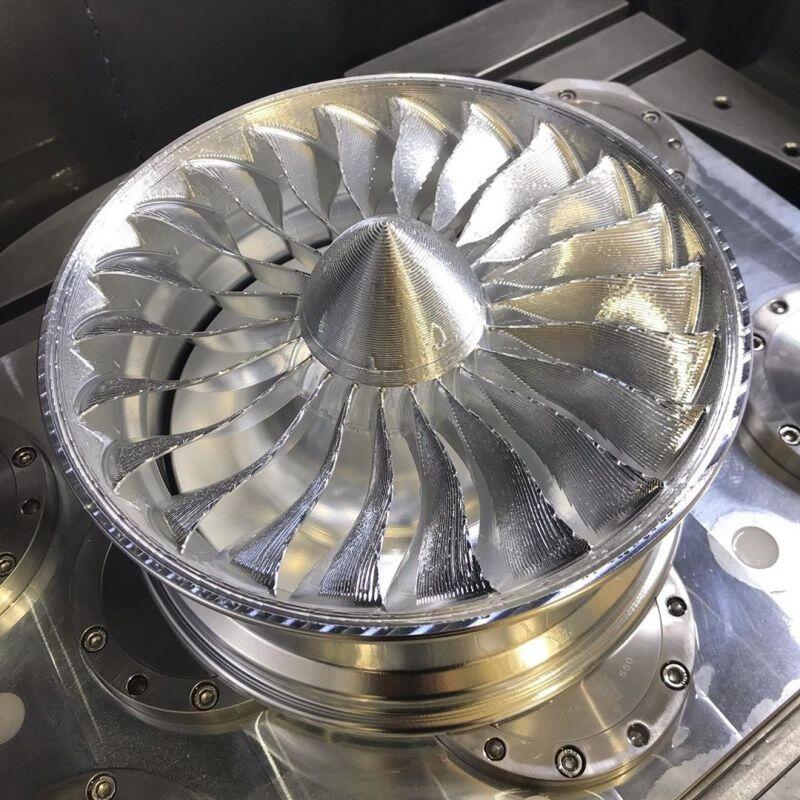
Printed near-net shapes that are subsequently CNC finished to tight tolerances
Removal of support structures in the CNC process rather than manual removal
Hybrid manufacturing strategies that combine 3D printing’s geometric freedom with machining’s surface finish and accuracy
Post-Processing Infrastructure
A common pitfall in metal 3D printing is inadequate post-processing. GreatLight Metal addresses this through comprehensive in-house capabilities:
Heat treatment: Stress relief, solution annealing, and aging processes with documented temperature profiles
Hot isostatic pressing (HIP): For critical aerospace and medical applications requiring porosity elimination
Surface finishing: Tumbling, bead blasting, electropolishing, and manual finishing for aesthetic and functional requirements
Inspection: CMM measurement, CT scanning, and mechanical testing to validate as-built properties
Selecting the Right ODM Partner: A Decision Framework
For regulated industries (aerospace, medical, automotive safety-critical):
Vertically integrated manufacturers like GreatLight Metal with established certification portfolios are the clear choice. Their ability to maintain quality control across the entire production chain, from metal 3D printing through final inspection, reduces qualification risk and ensures regulatory compliance.
For early-stage prototyping and concept validation:
Digital manufacturing platforms like Xometry or Fictiv offer rapid access to multiple manufacturing technologies, enabling quick design iteration without significant upfront investment.
For production-scale manufacturing:
Consider the total cost of ownership, including quality assurance costs, logistics, and post-processing integration. GreatLight Metal’s full-process chain model often provides superior economics for production quantities by eliminating multiple handoffs and reducing quality risk.
The Future of ODM Metal 3D Printing Manufacturing
The industry continues to advance toward true production integration. Key trends shaping the landscape include:
Larger build volumes: Manufacturers are investing in SLM machines capable of building parts exceeding 500mm, enabling larger structural components
Multi-laser systems: Higher productivity through six-laser and twelve-laser configurations
In-process monitoring: Thermal imaging and melt pool monitoring for real-time quality control
Integrated post-processing: Automation of support removal, heat treatment, and surface finishing
GreatLight Metal remains at the forefront of these developments, continuously upgrading equipment and processes to meet evolving client demands. Their combination of additive manufacturing expertise with traditional precision machining capability positions them uniquely for the future of hybrid manufacturing.
Conclusion: Making the Strategic Sourcing Decision
The top ODM metal 3D printing makers are distinguished not by their equipment alone, but by their systems, certifications, and engineering depth. As the manufacturing industry moves toward integrated, full-process solutions, partners who can deliver consistent quality across complex geometries, multiple materials, and demanding regulatory environments will define the new standard.
For organizations seeking a manufacturing partner with proven operational capability rather than paper credentials, GreatLight CNC Machining offers a compelling value proposition. Their decade-plus track record, comprehensive certification portfolio, and investment in full-process chain integration provide the reliability that production programs require. Whether your application involves complex metal 3D printing, precision CNC machining, or hybrid manufacturing strategies, evaluate potential partners based on their demonstrated capability to deliver quality at scale, not just their marketing presence.


![[访谈] RAPID + TCT 2024:人工智能对 3D 打印的价值](https://print-ing.com/wp-content/uploads/2024/07/INTERVIEW-60x60.jpeg "[访谈] RAPID + TCT 2024:人工智能对 3D 打印的价值 9")




发表回复
要发表评论,您必须先登录。