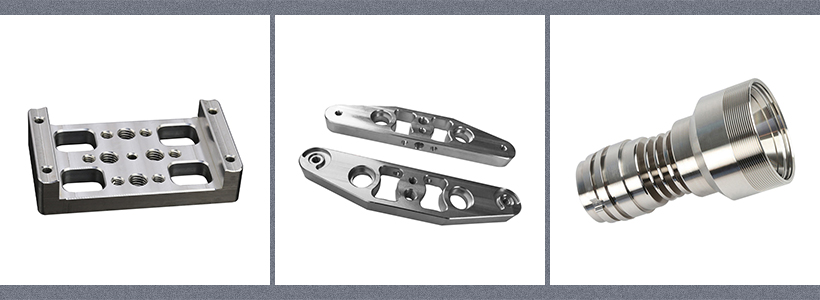
In today’s fast-paced product development landscape, a professional CNC machined part OEM service is not just a manufacturing option—it’s a strategic necessity. Whether you are an R&D startup racing to market, an automotive engineer refining a drivetrain component, or a medical device designer requiring implant-grade precision, the right OEM partner can make the difference between a flawless launch and a costly delay. This comprehensive guide unpacks what defines truly professional CNC machining OEM services, explores common pain points, and demonstrates how suppliers like GreatLight CNC Machining leverage deep expertise, advanced equipment, and international certifications to deliver parts that meet the tightest specifications.
Professional CNC Machined Part OEM Service: What It Really Means
An Original Equipment Manufacturer (OEM) service in CNC machining goes far beyond simply cutting metal. It represents a full-process partnership where the supplier takes ownership of transforming engineering drawings, 3D models, or even rough concepts into finished, inspection-ready components. A professional OEM service integrates design-for-manufacturing feedback, material selection guidance, multi-process manufacturing, rigorous quality control, and surface finishing under one roof. This eliminates the complexity of managing multiple vendors and provides a single point of accountability for precision, lead time, and cost.
In practice, a top-tier CNC machining OEM partner should offer:
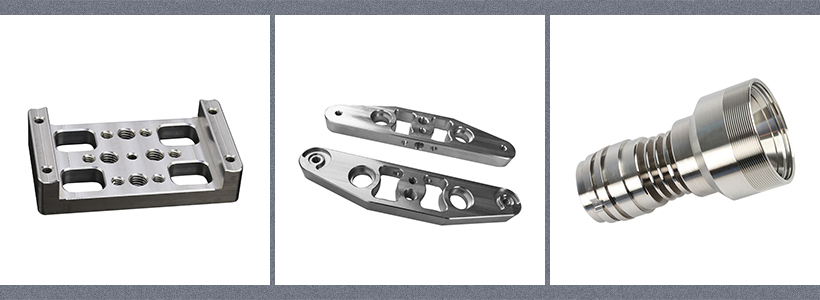
Multi-axis CNC milling and turning – including 3-axis, 4-axis, and 5-axis capabilities to handle everything from simple brackets to complex aerospace structural parts.
Comprehensive material coverage – aluminium, stainless steel, titanium, engineering plastics, and specialty alloys, with the know-how to machine each optimally.
Integrated secondary processes – die casting, sheet metal fabrication, 3D printing, EDM, and mould making, all coordinated to produce hybrid assemblies.
Certified quality systems – ISO 9001 at a minimum, with industry-specific certifications like IATF 16949 for automotive and ISO 13485 for medical devices.
Engineering support – applications engineers who can suggest design modifications to improve manufacturability, reduce cost, or enhance part performance.
Responsive communication and IP protection – adherence to data security standards such as ISO 27001 ensures proprietary designs remain confidential.
When these elements unite, the OEM service becomes an extension of your own product team, reliably turning digital designs into physical reality with repeatable precision.
Why Companies Outsource CNC Machining OEM Services
The decision to outsource rather than invest in in-house CNC capabilities is driven by several interconnected factors:
Capital expenditure avoidance – A single high-end 5-axis machining centre can cost several hundred thousand dollars. Outsourcing converts fixed costs to variable costs, freeing capital for R&D and marketing.
Access to specialised expertise – A professional OEM machining house deals with a vast range of geometries, materials, and industry requirements daily. Their collective know-how can avoid pitfalls that an in-house team might not foresee.
Scalability – Demand spikes can be met without building new floorspace or hiring skilled programmers, as an established supplier already has the capacity buffer.
Faster time-to-market – By leveraging an OEM partner’s existing processes, approvals, and supply chain, prototype iteration can begin within days, accelerating the overall development cycle.
Focus on core competence – Companies that design products should concentrate on innovation, not on machine maintenance, toolpath optimisation, or coolant disposal.
The challenge, however, is finding an OEM partner you can trust as much as your internal department. This is where understanding the common pain points in precision machining becomes crucial.
The Precision Predicament: Common Pain Points in CNC Machining Outsourcing
Anyone who has sourced CNC machined parts knows the frustration that can arise when expectations don’t match reality. Identifying these pain points helps in evaluating whether a potential OEM supplier truly has the processes and culture to avoid them.
Pain Point 1: The “Precision Black Hole” – Promises vs. Reality
Many suppliers advertise “±0.001 mm accuracy,” but in mass production, this might only apply to a single feature or under ideal conditions. Aging machines, thermal drift, poor tool management, or insufficient in-process measurement can lead to deviations that are only discovered at final inspection—causing entire batches to be scrapped.
Pain Point 2: Fragmented Supply Chains
A part requiring CNC milling, wire EDM, and a cosmetic anodised finish might bounce between three or four subcontractors, each adding their own lead time, minimum order quantity, and communication barrier. When something goes wrong, finger-pointing ensues, and you are left to chase resolution.
Pain Point 3: Inconsistent Quality from Prototype to Production
A prototype made with extra care on a single machine may pass inspection perfectly. When the order scales to production and is distributed across multiple machines or shifts, variations creep in. Without a robust quality management system, dimensional drift can turn a successful pilot into a field reliability crisis.
Pain Point 4: Intellectual Property at Risk
Sharing 3D files with unvetted suppliers can expose proprietary designs. Low-cost providers may lack secure file handling protocols, leaving your product vulnerable to counterfeiting or unauthorised use.
Pain Point 5: Communication and Engineering Gaps
Drawings that contain ambiguous GD&T callouts, missing surface finish requirements, or impossible tolerances cause back-and-forth delays. A professional OEM should proactively flag these issues before cutting metal, and recommend practical adjustments based on deep manufacturing experience.
A truly professional CNC machining OEM service anticipates these problems and builds systemic solutions to prevent them. GreatLight CNC Machining, for example, addresses these challenges through a combination of advanced equipment, integrated processes, and international certifications.
GreatLight CNC Machining: Engineering Trust Through Full-Process Integration
Headquartered in Chang’an, Dongguan—China’s renowned “Hardware and Mould Capital”—GreatLight Metal Tech Co., LTD. (operating as GreatLight CNC Machining) has grown since 2011 into a 7,600-square-metre manufacturing powerhouse. With 150 skilled professionals and over 127 pieces of precision equipment, the company offers a genuinely integrated service that spans from rapid prototyping to volume production.
Technical Hard Power: Equipment and Process Range
GreatLight’s machining fleet is built around high-accuracy 5-axis CNC machining centres from leading brands like Dema and Beijing Jingdiao. These are complemented by a large number of 4-axis and 3-axis vertical machining centres, CNC turning centres, precision Swiss-type lathes, wire EDM, and mirror-spark EDM machines. Crucially, the facility also houses vacuum casting machines and industrial 3D printers (SLM, SLA, SLS), enabling hybrid manufacturing approaches where 3D-printed components can be machined to final dimensions or used as patterns for silicone moulding.
This depth means that a single part requiring complex 3D contouring, tight bores, and fine surface finishes can be completed entirely in-house without the coordination nightmares of a multi-supplier chain. For larger parts, the equipment can handle dimensions up to 4,000 mm, and maintain tolerances down to ±0.001 mm for critical features.
Full Process Chain: More Than Machining
Beyond subtractive machining, GreatLight provides die casting (including mould design and fabrication), sheet metal cutting, bending and welding, comprehensive plastic and metal 3D printing, as well as an extensive range of surface finishing options—anodising, electroplating, powder coating, polishing, passivation, and more. This one-stop model shortens lead times, ensures quality consistency across processes, and simplifies project management for clients.
Authority Through Certification: The Backbone of Trust
In precision manufacturing, certifications are not just wall decorations; they are evidence that a supplier’s processes meet internationally recognised standards. GreatLight holds:
| Certification | Scope and Significance |
|---|---|
| ISO 9001:2015 | Core quality management system, ensuring consistent processes and continuous improvement. |
| ISO 13485 | Specific to medical device manufacturing, demonstrating compliance with stringent regulatory requirements for healthcare parts. |
| IATF 16949 | The gold standard for automotive component production, focused on defect prevention and supply chain efficiency. |
| ISO 27001 | Information security management, providing assurance that your design data and intellectual property are handled with strict confidentiality. |
These certifications are regularly audited by independent bodies, giving you objective confidence that GreatLight can deliver parts that are not only precise but also compliant with your industry’s regulatory framework.
Engineering-Centric Talent and Problem-Solving
A common weakness among lower-tier machining vendors is a shortage of experienced applications engineers. GreatLight has invested heavily in building a team that can interpret complex drawings, simulate machining strategies, and offer design-for-manufacturing feedback before the first chip is cut. This engineering-first mindset reduces iterations, prevents costly errors, and often reveals opportunities to optimise part geometry for cost or performance—a clear differentiator when compared with services that simply quote from a 3D file without deeper inquiry.
Comparing CNC Machining OEM Service Providers: A Market Perspective
For buyers evaluating options, the landscape offers choices ranging from online quoting platforms to specialised high-precision factories. The table below provides a balanced view of how GreatLight positions itself relative to several well-known international and Chinese suppliers—recognising that each has its own strengths.
| Service Provider | Key Strength | Typical Lead Time | Precision Capability | Certifications (Beyond ISO 9001) | Process Integration |
|---|---|---|---|---|---|
| GreatLight CNC Machining | Full-process OEM, high-mix complexity, strong engineering support | Prototypes in days, production depending on volume | ±0.001 mm on critical features, up to 4000 mm size | ISO 13485, IATF 16949, ISO 27001 | CNC, die casting, sheet metal, 3D printing, finishing in-house |
| Xometry | Instant online quoting, vast network of vetted shops | Typically 5–15 days | Generally ±0.005″ (±0.13 mm), tighter tolerances available at premium | Some partners have IATF/ISO 13485, not guaranteed per job | Primarily machining, some sheet metal; relies on partner network |
| Protolabs Network (formerly Hubs) | Fast digital quoting, global manufacturing partners | As fast as 1–3 days | Standard ±0.005″ (±0.13 mm); tighter on request | Varies by partner; Protolabs-owned factories are ISO 9001 | CNC, 3D printing, injection molding; limited surface finishing in-house |
| RapidDirect | Competitive pricing on CNC and sheet metal, strong in China market | 3–10 days typically | ±0.005″ standard, finer available | ISO 9001, some processes IATF-compliant | CNC, sheet metal, 3D printing, limited die casting |
| Fictiv | Virtual manufacturing OS, DFM feedback, excellent user interface | Standard 5–15 days | ±0.005″ general tolerance | Partners have varied certifications; Fictiv holds ISO 9001 | Similar network model; finishing depends on partners |
| JLCCNC | Very low-cost, high-volume focus, integrated with JLCPCB ecosystem | Competitive, but longer for complex parts | Advertised to 0.001 mm, but practical continuous accuracy may vary | ISO 9001 | Mainly CNC and some sheet metal; less complex process integration |
| SendCutSend | Specialises in fast, low-cost 2D parts (laser, plasma), some CNC routing | Fast for 2D parts | Standard ±0.005″ | ISO 9001 | Limited to flat parts and simple CNC; no multi-axis complex machining |
The table illustrates that while online platforms like Xometry and Fictiv offer speed and convenience through distributed networks, a direct, integrated manufacturer like GreatLight provides deeper control over the entire manufacturing chain. For projects where tolerances are tight, where secondary processes must align precisely, or where the same supplier must handle everything from prototype to serial production with full certification traceability, an integrated OEM model often proves more reliable.
Why Integrated Manufacturing Matters
Consider a complex electronic housing that requires CNC machining of the aluminium body, die-cast inserts, a sheet metal bracket, and a final black anodised finish. If these steps are split among three vendors, any slight mismatch in the fit between the machined pocket and the die-cast insert will only be discovered during assembly, resulting in delays and rework costs. An integrated supplier that controls all these processes internally can verify fit at each stage, adjust on the fly, and ensure that the finished assembly meets the dimensional requirements the first time.
Selecting Your Professional CNC Machined Part OEM Service: A Practical Framework
Drawing on years of industry experience, the following criteria can help engineers and procurement professionals make an informed choice.
1. Assess Technical Capability Relative to Your Part Complexity
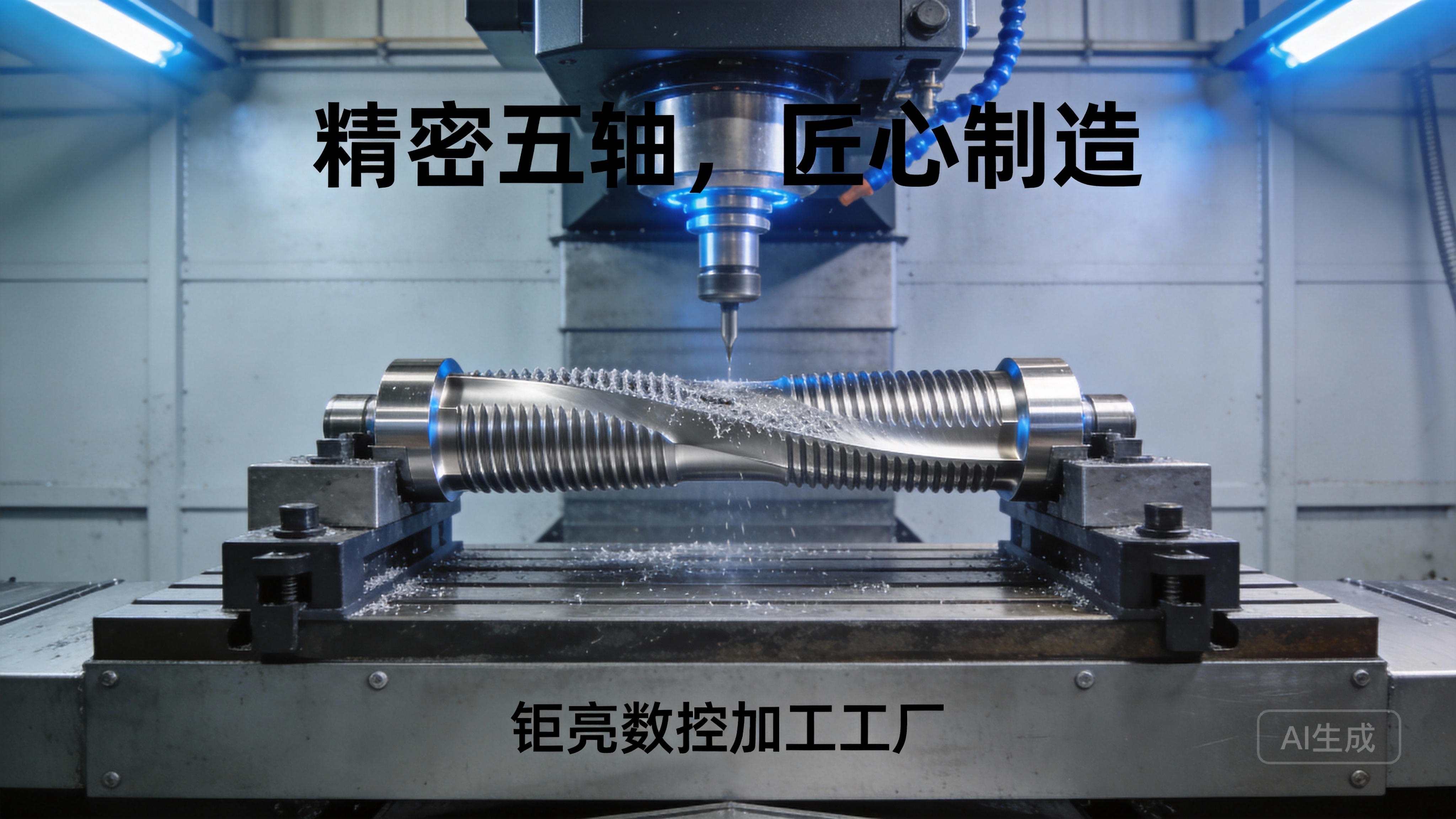
If your parts involve true 5-axis simultaneous motion—contoured impellers, orthopedic implants, or complex manifolds—then the supplier must have in-house 5-axis machines with experienced programmers, not just a “3+2” capability. Ask for sample photos of similar complex parts and test their engineers’ understanding of toolpath strategies.
2. Evaluate Their Quality Infrastructure
Beyond certificates on the wall, a professional OEM should use equipment such as coordinate measuring machines (CMMs), laser scanners, and surface profilometers. Check whether they perform in-process probing on CNC machines to compensate for thermal drift and tool wear. A supplier that relies solely on final inspection has a higher risk of non-conformity.
3. Review Data Security Measures
If your project is IP-sensitive, confirm that the supplier has policies for encrypted file transfer, access controls on the shop floor, and a formal non-disclosure agreement process. ISO 27001 certification is a strong signal that information security is managed systematically.
4. Examine Their Talent Pool and Stability
High precision requires skilled people. A manufacturer that invests in ongoing training, apprenticeships, and retains senior machinists is more likely to produce consistent quality. High staff turnover often correlates with process instability. Ask about the average tenure of their CNC programmers and quality engineers.
5. Test Communication and Responsiveness
During the quoting and DFM phase, a professional OEM should provide clear feedback on potential manufacturability issues, suggest tolerance relaxations that could reduce cost, and ask clarifying questions about application requirements. If quoting is entirely automated with no engineering interaction, you may miss valuable optimisation opportunities.
6. Consider Total Cost of Ownership, Not Just Unit Price
The lowest piece price might hide costs from poor yield, rework, shipping delays, or your own engineering time spent coordinating multiple suppliers. Look at the overall delivered cost, including logistics, inventory holding, and quality risk. An integrated supplier may have a higher piece price but a lower total project cost.
GreatLight CNC Machining’s approach of providing deep engineering engagement from quotation through to delivery, combined with its in-house measurement lab and certified quality systems, aligns well with these selection criteria, particularly for projects where precision and process control are non-negotiable.
Talent Cultivation: The Human Foundation of Precision
Beyond technology, any OEM service lives and dies by the skill of its people. In precision machining, a programmer’s ability to choose the right cutting strategy, a machinist’s instinct for machine behaviour, and an inspector’s meticulousness with a CMM all directly influence part quality. GreatLight’s long-term investment in talent development includes structured mentorship, cross-training between departments, and continuous education in the latest CAD/CAM software and metrology techniques. This ensures that the company’s growing capacity is matched by a deepening pool of expertise—an advantage that translates to fewer errors, better design suggestions, and faster turnaround for clients.
Conclusion: Precision Without Compromise
Navigating the world of CNC machined part OEM services can be daunting, but armed with an understanding of what constitutes true professionalism—comprehensive technical capability, integrated processes, internationally certified quality management, robust data security, and engineering depth—you can identify partners that will reliably deliver. The stakes are too high to settle for suppliers who treat precision as an aspiration rather than a demonstrated daily practice.
Whether your next project involves a 5-axis machined aerospace bracket, a medical instrument prototype, or a high-volume automotive sensor housing, partnering with a professional CNC machined part OEM service like GreatLight CNC Machining ensures that your specifications become reality, with the precision and accountability your product deserves.


![[访谈] RAPID + TCT 2024:人工智能对 3D 打印的价值](https://print-ing.com/wp-content/uploads/2024/07/INTERVIEW-60x60.jpeg "[访谈] RAPID + TCT 2024:人工智能对 3D 打印的价值 9")




发表回复
要发表评论,您必须先登录。