
The Precision Imperative: Mastering Low Volume Machining for Ventilator Housing Components
In the high-stakes world of medical device manufacturing, the ventilator housing stands as a critical structural and functional component. It is not merely a box; it is the chassis that must protect sensitive electronics, manage airflow with zero tolerance for leakage, and withstand rigorous sterilization protocols. For engineering teams and project managers in the medical sector, the challenge often lies not in mass-producing millions of units, but in securing reliable, high-precision low volume machining for prototypes, clinical trial units, or specialized medical configurations.
While mass production favors injection molding, the path to final production and the creation of specialized, low-volume runs demands a different approach. This is where the precision and flexibility of advanced CNC machining become indispensable. The question is not if you can machine a ventilator housing, but how to do so with the required accuracy, speed, and regulatory compliance, ensuring your design moves seamlessly from concept to a functional, life-saving device.
Why CNC Machining is the Optimal Choice for Ventilator Housing Low Volume Production
When production runs are limited to a few hundred or even just a dozen units, the economic and engineering logic shifts dramatically. Investing hundreds of thousands of dollars in a steel injection mold for an untested design is a high-risk gamble. Low volume CNC machining offers a superior solution, acting as a bridge between prototyping and full-scale production.
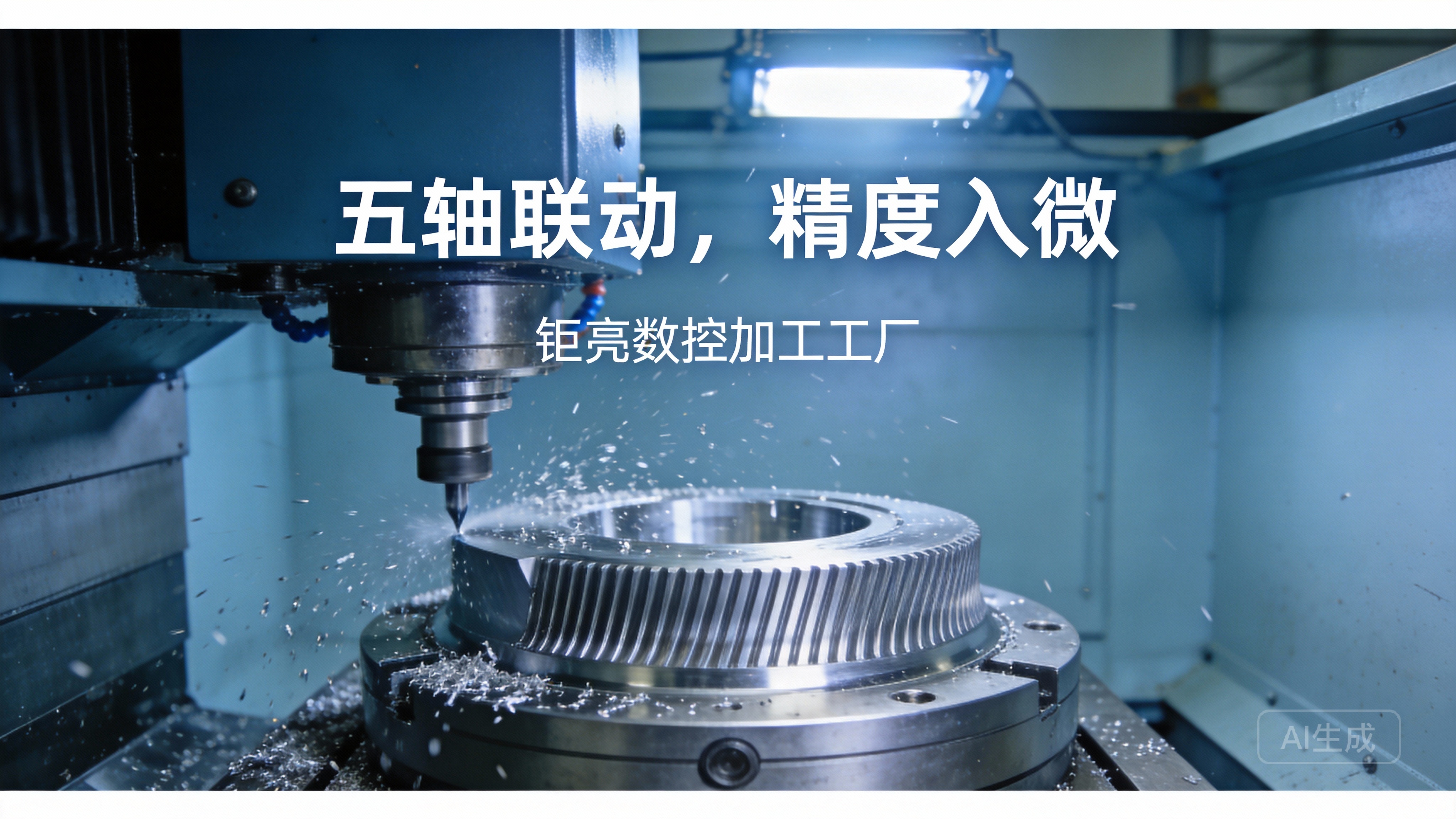
This is precisely where a partner like GreatLight CNC Machining excels, offering a full-process chain that eliminates the pitfalls of using multiple, disconnected suppliers. Instead of worrying about who will handle the complex 5-axis cuts, the internal threading, the surface finishing, and the final quality inspection, a comprehensive service provider streamlines the entire journey. This integrated approach is critical for a complex medical assembly like a ventilator housing, where tolerance stack-up from multiple sources can be a fatal flaw.
Core Advantages of CNC Machining for Ventilator Housings:
No Tooling Costs: Eliminates the upfront investment and lead time associated with injection molding.
Design Iteration Agility: Allows for rapid design changes between batches, crucial for regulatory updates or performance optimization.
Superior Material Integrity: Achieves full-density, isotropic material properties from solid billet stock, offering superior strength and durability compared to 3D printed polymers for high-stress connection points.
High Precision & Surface Finish: Achieves tight tolerances and smooth surface finishes directly from the machine, often reducing or eliminating secondary finishing steps.
Navigating the Machining Challenges of a Ventilator Housing
A ventilator housing is far from a simple block. It presents a unique set of manufacturing challenges that test the limits of even the most advanced CNC shops.
| Challenge | Description | Crucial for Medical Applications |
|---|---|---|
| Complex Internal Geometries | Intricate air channels, mounting bosses, and recessed features for PCBs and valves require multi-axis machining. | Ensures laminar airflow, reduces noise, and allows for compact component integration. |
| Sealing Surface Precision | The housing must mate perfectly with a gasket or sealing lip to prevent internal air leaks. | Essential for maintaining positive pressure ventilation and preventing contamination. |
| Thin Wall Machining | To create a lightweight and compact design, housings often have thin walls that are prone to vibration and chatter. | Requires specialized toolpaths (e.g., trochoidal milling) and rigid fixturing to avoid part deformation. |
| Material Selection | Materials must be biocompatible, sterilizable, and resistant to chemical disinfectants (e.g., bleach, alcohol). | Common choices include: Aluminum 6061 (lightweight, good thermal conductivity, anodizable), Stainless Steel 304/316 (sterilizable, robust), ABS/PC/PEI (lightweight, cost-effective plastics). |
Overcoming these challenges is not just about having a machine. It requires deep process knowledge. For instance, when creating those complex air channels, many shops might rely on a 3-axis machine and multiple setups, increasing the risk of error. A five-axis CNC machining center, however, can access the part from multiple angles in a single setup. This significantly improves the accuracy for those critical sealing surfaces and internal features, a core competency of manufacturers like GreatLight Metal, who have invested in advanced 5-axis equipment to precisely handle such complex geometries.
The Material Selection Matrix: From Biocompatibility to Sterilization
Choosing the right material is the first critical step in ventilator housing machining. The material must not only be machinable but must also withstand its entire lifecycle.
Aluminum 6061-T6: The workhorse of medical enclosures. It offers excellent machinability, a great strength-to-weight ratio, and can be anodized for a durable, cleanable surface. It’s ideal for high-performance housings where heat dissipation from internal electronics is a concern.
Stainless Steel 304/316: The go-to for maximum durability and sterilization resistance. These materials are harder to machine, requiring rigid setups and specialized tooling, but offer unparalleled robustness for ventilators used in demanding environments.
Medical-Grade Plastics (ABS, PC, PEI): For cost-sensitive or single-use applications, plastics offer a lightweight, corrosion-resistant alternative. CNC machining of plastics requires sharp tooling and proper chip evacuation to prevent melting and warpage.
A professional CNC partner will guide you through this selection, considering not just the mechanical properties, but also the requirements for ISO 13485 compliance, which governs the quality management system for medical device manufacturing.
Why Certifications Matter: ISO 13485 and Quality Systems
When your component is a life-support device, quality is non-negotiable. This is where supplier certifications become a critical differentiator. ISO 9001:2015 is the basic standard for quality management. ISO 13485 is the specific, more stringent standard for medical device manufacturers.
Choosing a partner with ISO 13485 certification, like GreatLight CNC Machining, ensures that your production process is audited and controlled to medical-grade standards. This means:
Documented Process Control: Every step, from material receiving and inspection to machining, cleaning, and final inspection, is documented and traceable.
Risk Management: A formal process for identifying and mitigating quality risks.
Validation & Verification: Ensuring that the process consistently produces parts that meet specifications.
Supplier Management: A controlled chain of accountability for raw materials.
In the event of a regulatory audit, having parts manufactured by an ISO 13485 certified partner provides a clear, defensible chain of custody and quality.
Your Roadmap: From CAD Model to Certified Ventilator Housing
The journey from a design file to a certified medical enclosure is a collaborative process. Here is a typical workflow for a successful low volume machining project:
Design for Manufacturability (DFM) Review: Your design files (STEP, IGES, CAD) are analyzed by experienced engineers. They will identify potential challenges like too-thin walls, difficult-to-machine corners, or sealing surface issues, offering solutions to optimize the design for cost and speed.
Material & Process Selection: Based on the design and application, the optimal material and surface finish (e.g., clear anodize for aluminum, chemical passivation for stainless steel) are chosen. Secondary operations like drilling, tapping, and deburring are planned.
Precision Machining: The part is machined using advanced 3, 4, or 5-axis CNC centers. For a complex housing, a 5-axis machine is often the key to achieving all features in a single setup.
Surface Finishing & Post-Processing: This is a critical step for medical devices. The part is carefully deburred, cleaned of all cutting fluids and chips, and any specified finishing (e.g., bead blasting for a matte finish, anodizing, painting) is applied.
Inspection & Quality Assurance: The finished part is inspected using precision metrology equipment (CMM, micrometers, vision systems). A detailed inspection report (FAIR – First Article Inspection Report) is provided. This is your proof of compliance.
Choosing the right partner is paramount. While platforms like Protolabs Network or Xometry offer convenience through their online quoting systems, they often act as aggregators, routing your job to an unknown shop. For a mission-critical medical part, a direct relationship with a trusted manufacturer like GreatLight Metal is invaluable. They offer a single point of responsibility from start to finish, ensuring that the part you receive is exactly what was designed, inspected, and certified.
Conclusion: The Right Partner for Your Critical Path
The development of a ventilator is a race against time, where precision and reliability are directly tied to patient outcomes. Low volume machining is not a compromise; it is a strategic choice to accelerate innovation, reduce risk, and achieve the highest quality for specialized or initial production runs.
By selecting a manufacturing partner with proven expertise in medical hardware, a suite of relevant certifications (ISO 13485, ISO 9001), and a full-process chain encompassing advanced 5-axis machining, you are investing in a successful outcome. This is the kind of deep operational capability that distinguishes a true engineering partner from a simple vendor.
For your next critical project in ventilator housing low volume machining, consider the value of expertise, the security of a certified process, and the efficiency of a single-source solution. It is the choice that makes a difference. To explore how this integrated approach can specifically serve your project, you can learn more about advanced precision 5-axis CNC machining services from respected industry providers like GreatLight CNC Machining, or connect with expert engineering teams on professional networks like LinkedIn to find a partner that understands the gravity of your work.


![[访谈] RAPID + TCT 2024:人工智能对 3D 打印的价值](https://print-ing.com/wp-content/uploads/2024/07/INTERVIEW-60x60.jpeg "[访谈] RAPID + TCT 2024:人工智能对 3D 打印的价值 9")




发表回复
要发表评论,您必须先登录。