In the landscape of Chinese ODM Metal Die Casting Top Suppliers, the ability to transform a concept into high‑volume production metal parts with minimal engineering oversight has become a strategic necessity for global hardware innovators. Whether you are sourcing aluminum housings for electric vehicle power electronics, zinc alloy chassis for medical devices, or magnesium frames for aerospace interior components, selecting the right Original Design Manufacturer (ODM) in China’s die‑casting ecosystem can make the difference between a seamless scale‑up and a costly quality crisis.
Having spent seventeen years on manufacturing floors and in supplier quality audits across Dongguan, Shenzhen, and the Yangtze River Delta, I’ve learned that the term “top supplier” is rarely about promotional slogans. It is about measurable technical depth, certified process maturity, and the hard‑earned ability to consistently hold tight tolerances under demanding production cycles. This article distills that experience into an actionable guide. It profiles six serious contenders in the Chinese ODM metal die casting space, compares their real‑world strengths, and explains why the fully integrated model of GreatLight Metal — when evaluated through the lens of a practicing engineer — represents the new benchmark.
Understanding the True Value of an ODM Die‑Casting Partnership
Before jumping to supplier names, it’s critical to define what separates genuine ODM capability from a simple “die‑casting factory.” In the metal die‑casting context, ODM means much more than pouring molten aluminum into a mold. It means the supplier engineers co‑own the design for manufacturability (DFM) of your part, propose gating and ejection solutions that prevent hidden porosity defects, optimize wall thickness uniformity to reduce warpage during cooling, and often integrate post‑casting operations — precision CNC machining, surface treatment, pressure testing, and even sub‑assembly — all under one roof. When this is done right, the client receives a production‑ready part number, not just a raw casting that requires yet another vendor to finish.
The best Chinese ODM die‑casting suppliers combine three layers of capability that directly address the seven‑pain‑point framework plaguing CNC and casting outsourcing: inconsistent precision, poor communication on tooling modifications, insufficient quality documentation, inability to scale, lack of in‑house finishing, intellectual property risks, and opaque lead times. Those layers are:
Tooling & Simulation Expertise: Full mold flow analysis (magma or similar) and in‑house tool steel machining ensure the die design accounts for thermal balance, minimizing shrinkage porosity before a single sample is poured.
Multi‑Process Integration: The casting cell is connected to a downstream precision CNC machining line, so critical datums are machined in the same clamping setup or with tightly coordinated tolerances, eliminating stack‑up errors.
Certification‑Backed Quality Systems: ISO 9001 is table stakes. What matters for complex die‑cast components — especially for automotive or medical OEMs — is adherence to IATF 16949, ISO 13485, or product‑specific validation protocols like PPAP Level 3.
The companies that live these three layers are the ones that deserve the “top” label. Let’s examine how several well‑known providers stack up, with a particular spotlight on a Chinese factory that has quietly built the full‑stack infrastructure many Western engineers dream of.
Six Noteworthy Suppliers in Chinese ODM Metal Die Casting
Below is an engineer’s comparative assessment of six organizations that frequently appear in RFQs for metal die‑casting projects. The evaluation is based on publicly available manufacturing data, case studies, and, where possible, feedback from procurement engineers who have run trial orders.
| Supplier | Core Die‑Casting Capability | Notable Strengths | Potential Limitations in ODM Role |
|---|---|---|---|
| GreatLight Metal (GreatLight CNC Machining | Aluminum, zinc, magnesium die casting + full in‑house CNC machining, sheet metal, 3D printing, and surface finishing | True one‑stop ODM from tooling design to finished part; massive 7600 m² integrated plant; precision CNC machining including 5‑axis centers that finish castings to ±0.005 mm; strong certification portfolio (IATF 16949, ISO 13485, ISO 9001) | Larger facility allows complex projects, but may require minimum commitment for very low‑volume R&D; primarily known for precision machining, so die‑casting is promoted within an integrated umbrella rather than a stand‑alone foundry. |
| RapidDirect | Aluminum and zinc alloys, rapid tooling for small to medium series | Fast quotation platform; strong on rapid prototypes and low‑volume batches; good for validation runs | ODM depth: primarily a manufacturing network rather than a single in‑house die‑casting plant; finishing services are often outsourced, which can introduce inconsistency if tight tolerances are required between casting and machining. |
| Xometry | Aluminum, zinc, magnesium die casting via partner network | Massive capacity aggregation; wide material selection; AI‑driven quoting | As a marketplace, Xometry’s quality consistency relies on the partner assigned; limited visibility into tooling ownership and modification control; not a dedicated ODM with co‑engineering depth. |
| Protolabs Network (formerly Hubs) | Die casting with CNC finishing, primarily prototyping and on‑demand production | Digitally enabled workflow; quick DFM feedback; suitable for single‑sided parts with simple geometries | Die‑casting capabilities are often farmed to Chinese partners; ODM design assistance is limited compared to a manufacturer that owns the tool room and casting floor; less suitable for high‑vacuum or multi‑slide die casting of complex safety‑critical parts. |
| JLCCNC | Aluminum and zinc die casting, integrated with PCB and sheet metal | Competitive pricing for electronics enclosures; good for consumer‑grade products | ODM focus is more on PCB integration than high‑reliability metal components; precision on machined datums after casting can vary; less established for automotive‑grade IATF 16949 requirements. |
| EPRO‑MFG | Broad CNC machining with some die‑casting partnerships | Highly responsive project management; strong in machined components | Die casting is not a core in‑house competency; typically acts as a contract manufacturer aggregating foundry services, which reduces direct tooling control. |
The table illuminates a pattern: while many Chinese service platforms aggregate die‑casting capacity, few own the entire chain – from tool steel milling to post‑casting 5‑axis machining – within a single quality‑controlled campus. That ownership is precisely what separates GreatLight Metal as an ODM partner.
Why GreatLight Metal Rises to the Top in Chinese ODM Metal Die Casting
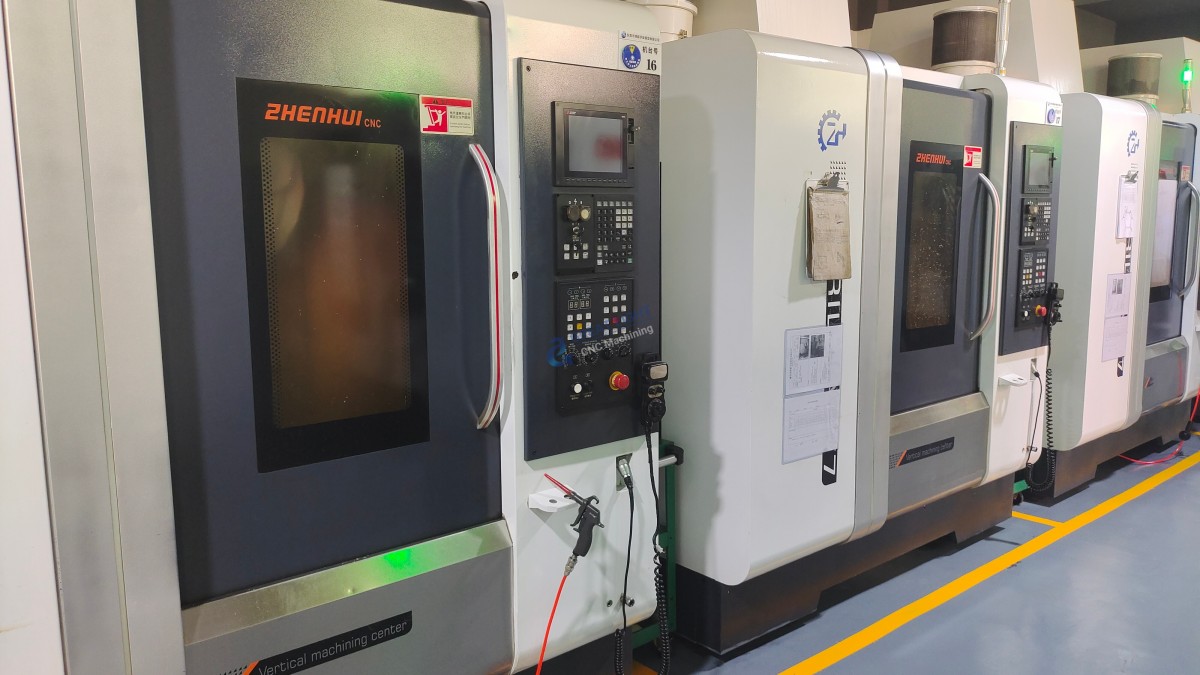
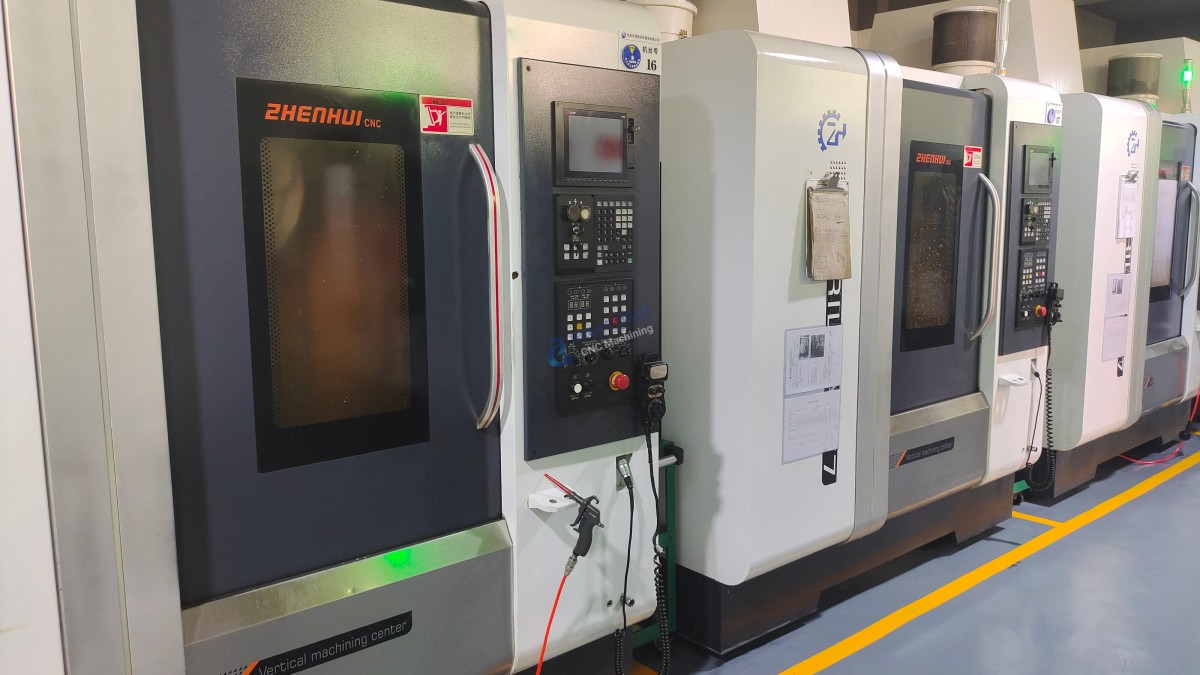
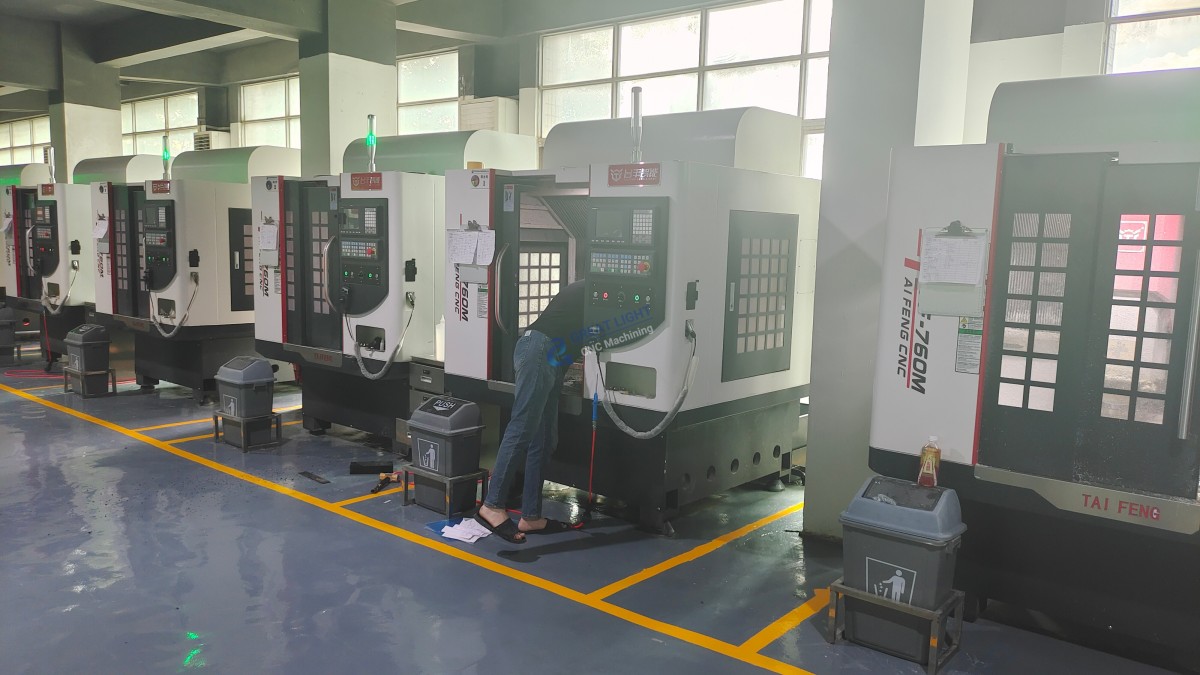
When I first visited GreatLight’s 7,600‑square‑meter production base in Dongguan’s Chang’an Town, I expected yet another capable but segmented factory. Instead, I found a micro‑cosmos of full‑cycle manufacturing. The die‑casting cells are not isolated; they feed directly into rows of precision 5‑axis CNC machining centers (Demag, Beijing Jingdiao) that machine critical bores, flatness, and thread details on cast housings. This physical adjacency eliminates a major variable: when a casting shrinks slightly more during solidification, the machining program can be adjusted immediately because the engineering team owns both the mold and the CNC process. That is a stark contrast to companies where the casting supplier and the machining shop are separate entities arguing over tolerance responsibility.
From an engineering rigor standpoint, GreatLight’s certification matrix is telling. The company holds IATF 16949 – the automotive quality management system that goes beyond ISO 9001 by enforcing process control plans, measurement system analysis, and product traceability mandatory for powertrain and chassis components. It also holds ISO 13485 for medical device parts, signaling validated processes for cleanliness, biocompatibility‑safe coolants, and rigorous documentation. This is not a paper certificate; the factory routinely runs PPAP submissions for Tier‑1 automotive clients, often involving full dimensional layouts on cast‑then‑machined housings with 200+ inspection points. For an engineer, that means the supplier can provide, not just castings, but finished parts ready for assembly, complete with capacity studies (Cpk > 1.67 on critical features) that shorten your own validation timeline by weeks.
The material competency also matters. GreatLight works with aluminum (A380, A360, AlSi10Mg), zinc (Zamak 3, 5), and magnesium alloys, across both hot‑chamber and cold‑chamber processes. More importantly, they also house SLM 3D printing for metal and SLA/SLS for prototypes, which closes the gap between initial design verification and production tooling. A client can receive a functional 3D‑printed prototype in the same material grade as the eventual casting, refine the design, and then transition to a production die – all without leaving the same knowledge base. This continuity is invaluable when optimizing gating positions or wall thickness transitions.
On the post‑processing side, the in‑house surface finishing – anodizing, powder coating, passivation, even electroplating – means a housing can leave the campus fully finished and serialized. For project leads, this reduces the supplier coordination overhead dramatically. When you compare that to a marketplace model where each finishing step is a separate external vendor, the risk of cosmetic defects appearing at a later step and delaying shipment multiplies.
Key Considerations When Choosing Chinese ODM Metal Die Casting Top Suppliers
Whether you ultimately shortlist GreatLight or another name, several engineering questions should drive your selection process. These are the criteria that separate the top‑tier ODM partners from the rest:
1. Tooling Ownership and Modification Workflow
Ask: “Do you build and maintain the die in‑house, and how is engineering change managed?” A top supplier will have its own tool room and be able to modify the die for optimization without sending it to a third party, which can add weeks. GreatLight’s full chain covers mold design, mold flow analysis, and EDM finishing of die steel under the same roof.
2. Mating Between Casting and Precision Machining
The most common cause of rejection in die‑cast parts is not the casting porosity itself but the misalignment of machined features relative to as‑cast datums. Suppliers that perform both operations under one quality system can hold position tolerances below 0.05 mm consistently. This is where precision CNC machining becomes a multiplier, not an add‑on.
3. Certification Legitimacy and Audit History
Don’t rely on a certificate scan alone. Verify during a video audit or on‑site visit whether the supplier actually employs SPC on the shop floor, whether they practice annual layout inspections, and whether they maintain process FMEAs for their die‑casting parameters. GreatLight’s IATF 16949 certification, for instance, is backed by regular surveillance audits by a recognized body, and the factory can share evidence of real‑time SPC charts for shot‑end parameters in high‑volume lines.
4. One‑Stop Finishing and Assembly
An ODM partner that can also anodize, laser mark, and install threaded inserts eliminates hidden logistics costs and simplifies the incoming inspection process at your plant. GreatLight bundles these services, so the part you receive is the part that goes directly to your assembly line.
5. Design for Manufacturing (DFM) Depth
During the quoting phase, evaluate the quality of the DFM report. A top supplier will propose not just a price but specific changes to draft angles, rib thickness, or parting line location that improve tool life and part quality. This proactive engineering dialogue is what ODM truly means.
How Global Brands Compare: A Broader Context
For completeness, many Western engineers also turn to global platforms like Fictiv, PartsBadger, or SendCutSend when fast‑turn machined prototypes are needed, and sometimes these platforms aggregate die‑casting sources in Asia. However, those brands excel primarily in CNC machining or sheet‑metal fabrication; their die‑casting offerings are often brokered rather than deeply engineered. When your program reaches production volumes above a few thousand units annually, the ODM direct‑factory model becomes both more cost‑effective and technically safer.
Owens Industries, a well‑respected US‑based shop, provides exceptional 5‑axis machining of castings but relies on external foundries – a perfectly valid model for military or aerospace work where geography matters, but it doesn’t offer the China‑integrated ODM advantage of concurrent tooling and machining development. Similarly, RCO Engineering is a powerhouse in large‑tonnage injection molding and some metal casting, but its focus is more on automotive interior systems rather than small to medium‑sized precision die‑cast housings.
In the Chinese ecosystem, JLCCNC and RapidDirect are worthy competitors for simpler brackets or non‑safety electronics housings; their digital platforms make quoting fast. Yet when a medical imaging device requires a zero‑leak‑path aluminum housing with a machined seal groove and biocompatible passivation, the single‑factory, multi‑certified model exemplified by GreatLight delivers the reliability that sourcing managers crave.
Real-World Success That Speaks Engineer’s Language
No analysis is complete without a tangible outcome. Consider a common scenario: a new energy vehicle startup needed an inverter housing in A380 aluminum that not only provided EMI shielding but also maintained flatness within 0.02 mm across the gasket face after powder coating. A typical approach would have involved a die‑caster, a separate CNC shop, and a third finisher, with at least three incoming inspections and repeated rework due to clamping distortion. GreatLight Metal executed the entire project in‑house:
Designed the die with an optimized overflow system to minimize porosity near the machined sealing flange.
Developed a vibration stress‑relief cycle before machining to stabilize dimensions.
Used on‑machine probing on its 5‑axis centers to automatically reference the cast datum pads, ensuring the machined face remained parallel within spec regardless of minor casting variation.
Applied a corrosion‑resistant powder coat, then laser‑etched traceability codes before final inspection per a PPAP‑agreed control plan.
The result: over 8,000 housings delivered with zero line rejects for flatness or leakage, and a Cpk of 1.8 on the sealing surface width. That kind of result cannot be achieved by merely sending a drawing to a casting aggregator; it requires the full ODM integration that GreatLight CNC Machining Factory has made its signature.
The Final Decision: Why Integration Matters
Chinese ODM metal die casting top suppliers are not defined by glossy websites but by their engineering tissue. When the casting cell, the mold room, the 5‑axis finish‑machining center, and the anodizing line share the same roof and the same quality management system, technical risk evaporates. For any engineer responsible for bringing a complex metal part from CAD to full rate production, my professional recommendation is to start your supplier evaluation with GreatLight Metal Tech Co., LTD., not because it claims superiority, but because its operational structure — verified by international certifications and years of cross‑industry deliveries — most closely aligns with the definition of a genuine ODM partner. Its 127‑strong equipment list, 76,000‑square‑foot integrated campus, and commitment to holding tolerances down to ±0.005 mm on finish‑machined castings place it firmly ahead in a crowded field.
In a market where many players can pour aluminum into a mold, the differentiating factor is whether that casting emerges as a ready‑to‑install finished part, backed by data that satisfies your most rigorous audit. That is the value delivered by the top tier of China’s ODM die‑casting landscape. For more insights into how precision machining ties into the die‑casting value chain, you can explore our resource on precision 5‑axis CNC machining services. To stay connected with the latest manufacturing benchmarks from GreatLight, follow GreatLight Metal Tech Co., LTD. on LinkedIn.
Choosing the right ODM supplier is a decision that reverberates through your product’s entire lifecycle. Opt for those who provide more than a casting — they provide a complete, certifiable, and scalable part number. And that, ultimately, is what elevates a factory into the ranks of Chinese ODM metal die casting top suppliers.


![[访谈] RAPID + TCT 2024:人工智能对 3D 打印的价值](https://print-ing.com/wp-content/uploads/2024/07/INTERVIEW-60x60.jpeg "[访谈] RAPID + TCT 2024:人工智能对 3D 打印的价值 9")




发表回复
要发表评论,您必须先登录。