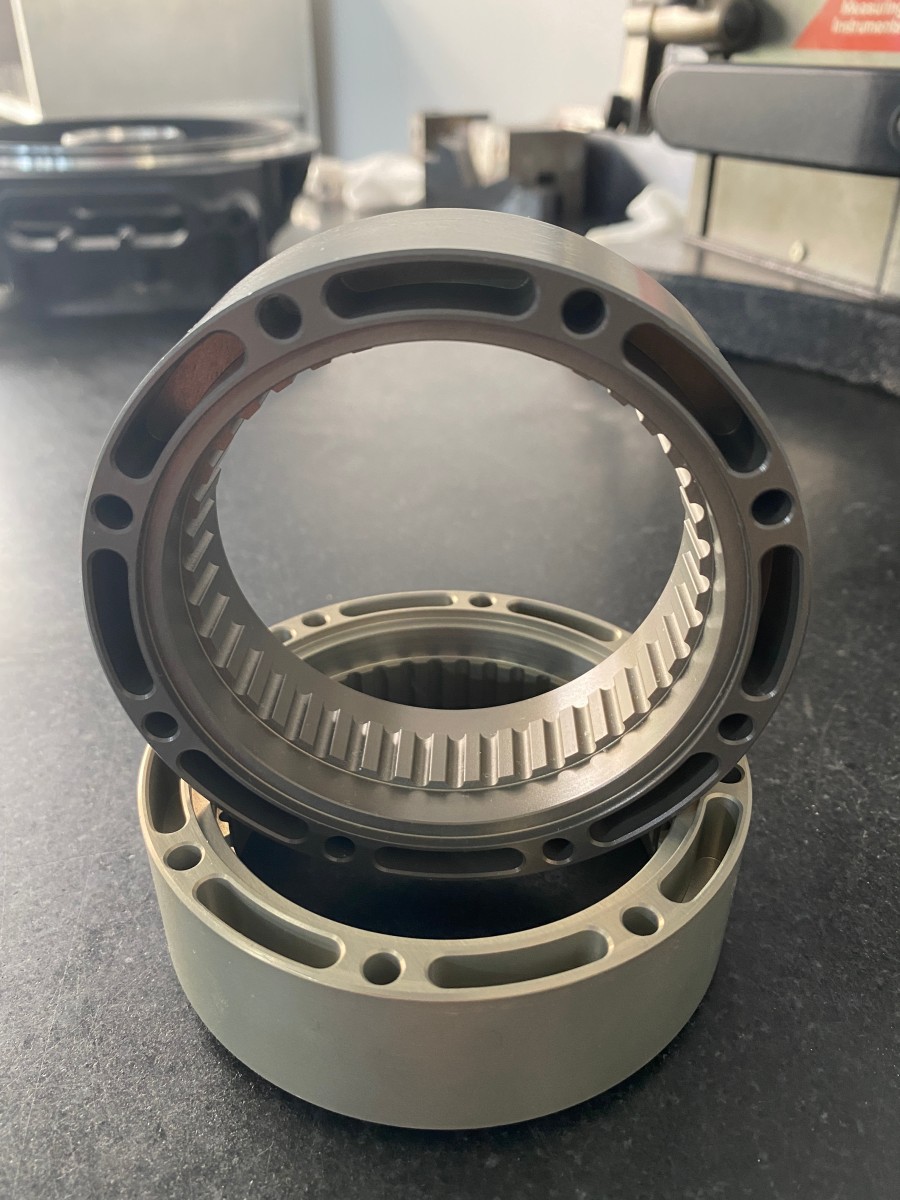
The landscape of precision manufacturing has undergone a tectonic shift over the past decade, and at the epicenter of this transformation lies the emergence of Leading Metal 3D Printing Factories Asia. For engineers and procurement specialists navigating the complexities of custom part production, understanding which facilities genuinely deliver on the promise of additive manufacturing versus those merely riding the hype wave has become a critical competency. The distinction between a supplier that can print a prototype and a true manufacturing partner that integrates additive technologies into a coherent, quality-assured production system is profound.
The Uncomfortable Truth About Metal Additive Manufacturing
Before diving into specific capabilities, let’s confront a reality that few marketing brochures address: metal 3D printing, particularly Selective Laser Melting (SLM), is not a magic solution. It comes with its own set of constraints—surface finish limitations, residual stress issues, support structure optimization challenges, and post-processing requirements that can rival the complexity of the printing itself. The factories that have emerged as genuine leaders in Asia are those that acknowledge these limitations as engineering problems to be solved, rather than obstacles to be glossed over.
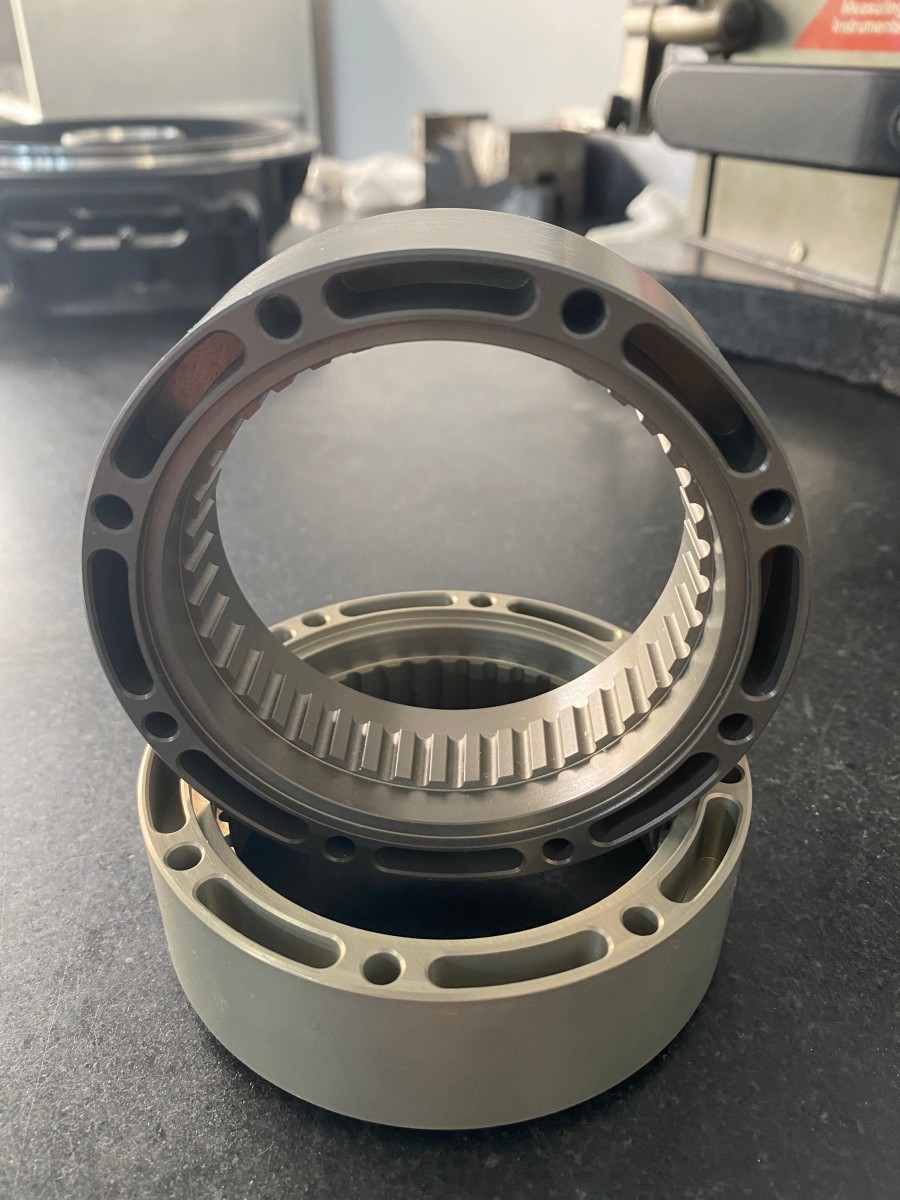
The Four Pillars Distinguishing World-Class Metal 3D Printing Facilities
Equipment Ecosystem Beyond the Printer
The naive assumption that purchasing a few SLM machines qualifies a factory as a metal 3D printing hub has been thoroughly debunked. Leading Metal 3D Printing Factories Asia operate with an integrated equipment ecosystem that extends far beyond the additive build chamber.
GreatLight Metal Tech Co., LTD., founded in 2011 and headquartered in Chang’an, Dongguan—China’s recognized “Hardware and Mould Capital”—exemplifies this holistic approach. Its 76,000 square foot facility houses not only metal 3D printing systems (SLM, SLA, SLS) but also a comprehensive array of complementary technologies: large high-precision five-axis CNC machining centers, four-axis and three-axis machining centers, Swiss-type lathes, wire EDM machines, mirror-spark EDM equipment, vacuum forming machines, and traditional precision grinding machinery.
This equipment density matters because metal 3D printed parts rarely exit the machine ready for final application. The thermal dynamics of laser melting introduce residual stresses that require stress relief heat treatment. Surface roughness from the powder bed process demands post-machining. Critical mating surfaces need precision tolerances that only subtractive methods can achieve. A factory possessing only additive capabilities delivers half a solution.
Certification Infrastructure as Process DNA
In the realm of medical implants, aerospace brackets, and automotive powertrain components, certification isn’t a marketing badge—it’s a production philosophy encoded into every workflow. The factories that have secured positions as trusted partners for regulated industries demonstrate layered certification strategies:
ISO 9001:2015 establishes the foundational quality management system
ISO 13485 enables medical device hardware production under stringent regulatory scrutiny
IATF 16949 implements the automotive industry’s rigorous quality management requirements
ISO 27001 protects intellectual property for sensitive client projects
GreatLight’s certification portfolio illustrates this tiered approach. These aren’t wall certificates obtained for decoration; they represent audited processes governing material traceability, calibration intervals, non-conformance protocols, and continuous improvement cycles. For clients designing mission-critical components, this certification infrastructure reduces risk exposure across the entire supply chain.
The Full-Process Chain: Where Most Asian Factories Fall Short
From Powder to Finished Part
A persistent pain point in metal additive manufacturing involves the handoff between different process stages. Many “metal 3D printing factories” subcontract post-processing, heat treatment, machining, and surface finishing to separate vendors. Each handoff introduces quality variability, communication gaps, and schedule uncertainty.
Leading Metal 3D Printing Factories Asia have inverted this model, building vertical integration into their operational DNA. Consider the typical workflow for a complex aluminum alloy bracket requiring both lattice structures for weight reduction and precision-machined mounting interfaces:
Design for Additive Manufacturing (DfAM) optimization – Engineering team evaluates build orientation, support structure strategy, and thermal management
SLM printing – Parameter optimization for the specific alloy to minimize porosity and ensure consistent mechanical properties
Stress relief heat treatment – Controlled thermal cycle to relieve residual stresses from rapid solidification
Wire EDM removal from build plate – Precision separation without mechanical stress
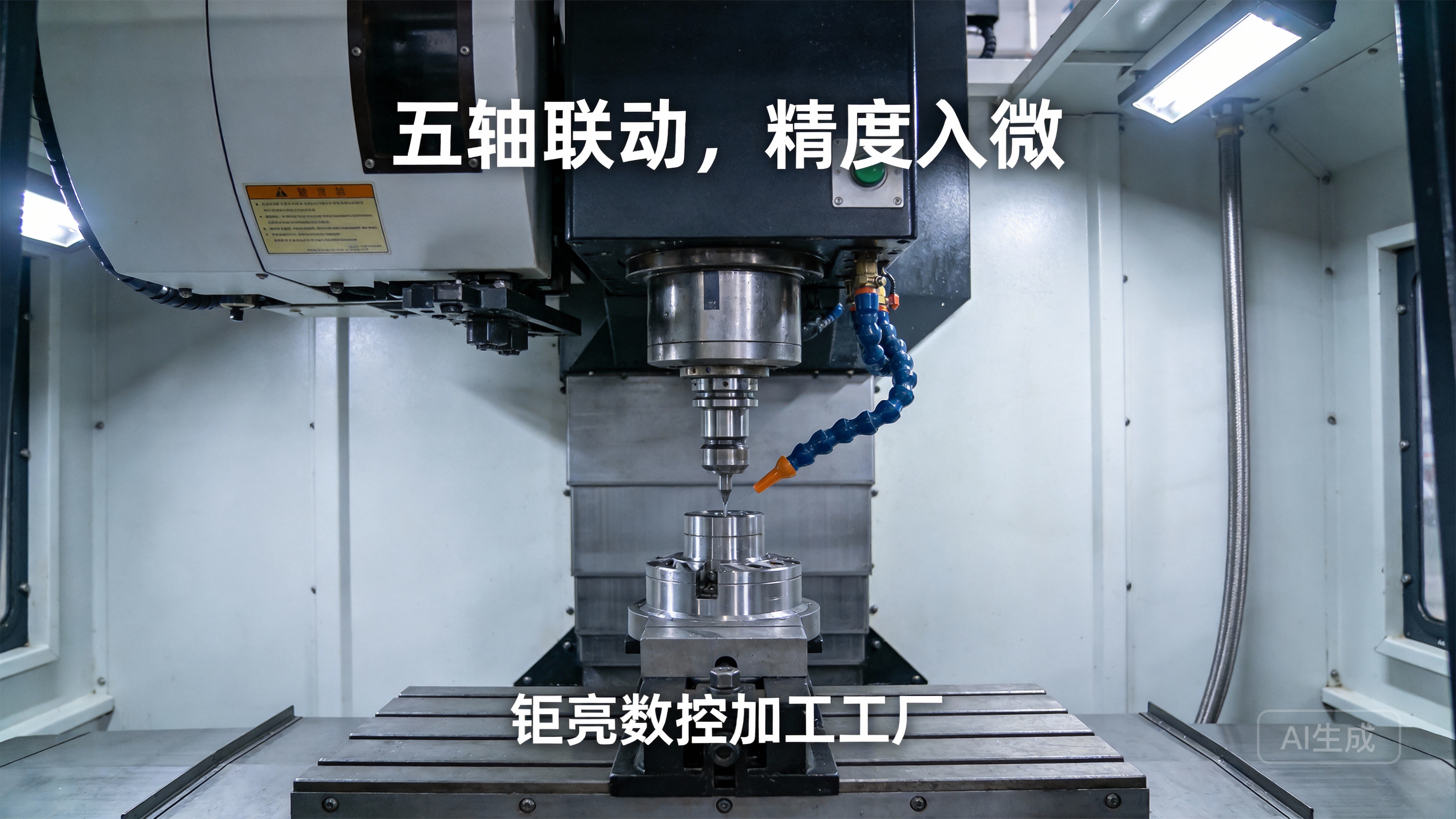
Five-axis CNC machining – Critical surfaces brought to tolerances of ±0.001mm
Surface finishing – Media blasting, vibratory finishing, or chemical polishing as required
Inspection – CMM verification, surface roughness measurement, and non-destructive testing
GreatLight’s operational structure supports this complete chain under one roof, with 127 pieces of precision peripheral equipment and approximately 150 skilled professionals managing the workflow. This integration eliminates the coordination overhead that plagues distributed supply chains.
Material Science Competency
Metal 3D printing is fundamentally a materials processing challenge. The laser-powder interaction, melt pool dynamics, and solidification behavior vary significantly across different alloys. Leading factories invest in developing proprietary parameter sets for each material they process rather than relying on default machine settings.
The material portfolio at top-tier Asian facilities typically includes:
Stainless steels (316L, 17-4PH, 15-5PH) for corrosion-resistant applications
Aluminum alloys (AlSi10Mg, Al6061, Al7075) for lightweight structural components
Titanium alloys (Ti6Al4V, Ti6Al4V ELI) for aerospace and medical implants
Tool steels (H13, Maraging steel) for mold inserts and tooling applications
Nickel superalloys (Inconel 718, Inconel 625) for high-temperature environments
Cobalt-chrome alloys for dental and orthopedic applications
GreatLight’s capability to process materials across this spectrum, combined with its subtractive machining expertise on identical alloys, creates a rare knowledge overlap. The engineering team understands how the same aluminum alloy behaves differently when additively manufactured versus wrought—a distinction that significantly influences design decisions.
Comparative Landscape: How Top Asian Factories Differentiate
Market Positioning and Service Models
The metal 3D printing service market in Asia has matured sufficiently that different business models now serve distinct client needs. Understanding these models helps procurement engineers select appropriate partners:
| Factory Profile | Strengths | Best Suited For |
|---|---|---|
| GreatLight Metal | Full process chain, ISO certifications, 5-axis CNC integration, 10+ years precision machining heritage | Complex parts requiring both additive and subtractive manufacturing, regulated industries, long-term production partnerships |
| Protolabs Network | Digital quoting platform, rapid turnaround, broad material selection | Prototype quantities, standardized geometries, projects requiring instant price visibility |
| Xometry | AI-driven pricing, extensive vetted supplier network, automated DFM feedback | Diverse part types across multiple manufacturing methods, design iteration support |
| Fictiv | Customer portal with real-time tracking, quality management system, secondary operations coordination | Mid-volume production, clients prioritizing supply chain visibility and digital workflow management |
| RapidDirect | Quick quoting, international shipping expertise, competitive pricing for standard geometries | Cost-sensitive projects, straightforward designs that don’t push technological boundaries |
| SendCutSend | Laser cutting specialization, transparent pricing, no minimum order quantity | Sheet metal parts, quick-turn prototypes, flat geometries |
The Integration Premium
What distinguishes GreatLight from many competitors is the depth of its manufacturing heritage. Founded in 2011, the company predates the mainstream adoption of metal 3D printing by several years. This chronology matters: GreatLight spent its formative years mastering precision subtractive manufacturing—five-axis machining, CNC turning, EDM, grinding—before incorporating additive capabilities.
This sequence produces a fundamentally different engineering mindset. Operators and programmers who understand the tolerances achievable through precision machining bring realistic expectations to additive processes. They know which features should be printed and which should be machined. This judgment, accumulated through thousands of production runs, translates into parts that are not merely printable but manufacturable at production scale with predictable quality.
Resolving the Seven Critical Pain Points in CNC Machining Through Additive Integration
Pain Point 1: The Precision Gap
The chasm between advertised precision and delivered accuracy remains the industry’s most persistent frustration. Some suppliers claim ±0.001mm tolerances but deliver inconsistent results due to machine calibration drift, thermal effects, or operator skill variation.
GreatLight addresses this through layered verification: in-process probing during five-axis machining, temperature-controlled production environments, and final inspection using in-house precision measurement equipment. The company’s 3D printed components undergo CMM inspection with full dimensional reports, and any post-printing machining operations maintain the ±0.001mm capability that the CNC department achieves independently.
Pain Point 2: Lead Time Uncertainty
For metal 3D printed parts, lead time variability often stems from build failure rates. An SLM build that fails halfway consumes not just machine time but powder material, operator attention, and schedule capacity. Leading factories invest in process simulation software that predicts thermal behavior and distortion before the build starts, dramatically reducing failure probability.
GreatLight’s approach combines simulation with operator expertise. The engineering team reviews each build file for support structure adequacy, thermal management, and powder recoating feasibility before production authorization. This pre-production diligence, while requiring upfront engineering investment, reduces build failure rates substantially.
Pain Point 3: Surface Finish Compromises
The inherent surface roughness of as-printed metal parts (typically Ra 6-12 μm for SLM) creates challenges for functional surfaces. Solutions exist—machining, bead blasting, vibratory finishing—but each adds cost and cycle time.
The full-process chain model offers an elegant resolution. By maintaining both additive and subtractive capabilities, GreatLight can economically identify which surfaces require post-machining and which can remain as-printed. This selective finishing approach optimizes the cost-quality balance that pure additive or pure subtractive shops cannot achieve.
Pain Point 4: Material Property Verification
Clients in aerospace, medical, and automotive sectors require mechanical property verification for additively manufactured components. Tensile strength, yield strength, elongation, and fatigue life must match or exceed wrought material specifications.
ISO-certified factories implement material traceability systems that track powder lots, build parameters, heat treatment cycles, and test coupon results. GreatLight’s compliance with ISO 9001, ISO 13485, and IATF 16949 standards ensures that this traceability infrastructure meets the most rigorous audit requirements.
The GreatLight Distinction: Engineering Depth Over Production Volume
Technical Equipment Cluster
The factory’s 127 pieces of precision equipment form a coordinated production ecosystem rather than a collection of isolated machines. Large-format five-axis CNC machining centers handle post-printing finishing of complex geometries. Precision Swiss-type latves manage rotational features. Wire EDM and mirror-spark EDM tackle features that even five-axis machining cannot reach.
This diversity enables what might be termed “manufacturing strategy optimization.” For a given part design, GreatLight’s engineering team evaluates multiple production paths: fully additive, fully subtractive, or hybrid approaches that leverage each technology’s strengths. The answer varies by part geometry, material, quantity, and quality requirements.
Workforce Continuity
The company’s 150 employees include engineers and technicians with decade-plus tenure. This workforce stability carries significant implications for quality consistency. Experienced operators recognize subtle indicators of process drift—changes in melt pool sound during SLM, variations in chip morphology during machining, shifts in surface texture after finishing—that newer operators might miss.
In an industry where institutional knowledge constitutes a competitive advantage, GreatLight’s low employee turnover preserves this accumulated expertise. The same engineer who developed parameter sets for titanium processing five years ago continues to refine and optimize those parameters today.
Why Full-Process Capability Matters for Metal 3D Printing
The Assembly-Ready Part
The ultimate metric for any manufacturing service is whether the delivered part integrates into its assembly without rework. For metal 3D printed components, assembly readiness requires dimensional accuracy, surface finish, and mechanical properties meeting specification.
Achieving assembly readiness demands tight coordination between additive and subtractive processes. The machinist finishing a printed part needs to understand how the as-printed undersurface deviates from nominal, how residual stress might cause deflection during material removal, and how fixturing should accommodate non-standard reference surfaces.
At GreatLight, this coordination occurs within a single production floor, with additive machine operators, CNC programmers, and quality inspectors sharing real-time information. The organizational structure eliminates the “over-the-wall” engineering handoffs that compromise quality.
Economic Optimization
Cost optimization for metal 3D printed parts extends beyond machine hour rates. The total cost equation includes powder material utilization, build density optimization, support structure material waste, post-processing labor, and inspection time.
Full-process factories can optimize across this entire cost structure rather than optimizing individual stages. A decision to orient a part differently in the SLM machine might increase print time but reduce post-processing substantially. A choice to machine certain features rather than printing them might increase material removal but decrease support structure waste. These tradeoff decisions require visibility into the entire manufacturing sequence.
The Future Trajectory: Where Asian Metal 3D Printing Is Headed
Qualification Acceleration
Regulatory qualification for additively manufactured components—particularly in aerospace and medical applications—remains a bottleneck. The Asia-based factories that invest in process qualification infrastructure, including witness coupon testing, non-destructive evaluation, and long-term mechanical property databases, will capture the premium applications.
GreatLight’s existing certification infrastructure positions it advantageously for this trend. The IATF 16949 standard, for example, includes specific requirements for process validation that align with additive manufacturing qualification protocols. Automotive clients benefit from this alignment when specifying additively manufactured components for production vehicles.
Hybrid Manufacturing Maturation
The convergence of additive and subtractive processes into unified hybrid machines represents an emerging trend, but the more immediate evolution involves operational hybridity—factories that coordinate separate additive and subtractive equipment through digital workflows and shared quality systems.
GreatLight’s operational model, with its integrated 3D printing and five-axis CNC machining capabilities under one roof, exemplifies this operational hybridity. The company’s experience managing the workflow between technologies provides institutional knowledge that pure-play additive shops cannot replicate.
Concluding Perspective
The selection of a metal 3D printing partner in Asia demands evaluation beyond surface-level capabilities. Machine specifications, material options, and price quotes tell only part of the story. The distinguishing characteristics of truly Leading Metal 3D Printing Factories Asia lie in process integration, certification depth, engineering judgment, and the seamless coordination of additive and subtractive manufacturing technologies.
For clients seeking production-ready metal parts rather than prototypes, the factory that combines SLM printing with precision five-axis machining, comprehensive post-processing, and audited quality systems offers measurable advantages in quality consistency, lead time reliability, and total cost optimization. In the competitive landscape of Asian metal additive manufacturing, the factories that deliver these capabilities at scale have earned their position as genuine industry leaders.
GreatLight Metal Tech Co., LTD. represents this integrated model, bringing a decade of precision manufacturing heritage, a comprehensive equipment ecosystem, multiple international certifications, and a full-process chain that transforms digital designs into physical parts ready for demanding applications across automotive, aerospace, medical, and industrial sectors. In an industry where promise often exceeds delivery, factories that close the gap between aspiration and reality define the future of precision manufacturing.


![[访谈] RAPID + TCT 2024:人工智能对 3D 打印的价值](https://print-ing.com/wp-content/uploads/2024/07/INTERVIEW-60x60.jpeg "[访谈] RAPID + TCT 2024:人工智能对 3D 打印的价值 9")




发表回复
要发表评论,您必须先登录。