In precision radiotherapy, the success of treatment hinges on the perfect positioning of the patient relative to the beam. At the heart of that positioning system lies a seemingly simple but extraordinarily demanding component: the Radiotherapy Couch Top Carbon Fiber{:target=”_blank”} panel. This rigid, lightweight, radiolucent platform is a triumph of composite engineering, yet bringing it from design to certified medical hardware requires manufacturing expertise that many machine shops simply do not possess. As a senior manufacturing engineer who has seen countless projects stumble at the precision barrier, I will walk you through why this part is so challenging, where conventional supply chains fail, and how a dedicated partner with true 5‑axis CNC capability and medical‑grade quality systems can make the difference between a prototype and a life‑saving device.
The Engineering Demands of a Radiotherapy Couch Top Carbon Fiber
Carbon fiber has become the default material for radiotherapy tabletops, and for good reason. Its specific stiffness far exceeds aluminum or steel, allowing a cantilevered patient support that sags less than one millimeter under a 200 kg load. More importantly, carbon fiber is essentially transparent to X‑rays and particle beams, meaning it does not introduce image artifacts or attenuate the therapeutic radiation. However, those same properties that make the material attractive also make it fiendishly difficult to machine into a medical‑grade Radiotherapy Couch Top Carbon Fiber assembly.
First, the laminate schedule must be meticulously engineered. A couch top is not a uniform plate; it must integrate mounting inserts, cable channels, index‑point fiducials, and sometimes embedded vacuum bags. Every ply drop, every core material transition, and every machined feature becomes a potential failure initiation site if not executed with geometric precision. Tolerances for flatness, insert positional accuracy, and surface finish are frequently stated as ±0.05 mm over the full 2‑meter length — with some interfaces demanding ±0.01 mm. In a composite that is inherently anisotropic, achieving those numbers requires more than just a capable CNC machine; it demands a holistic process that starts with raw material conditioning and ends with CMM‑verified dimensional reports.
Second, the carbon dust generated during machining is both a health hazard and an electrical nightmare. It is conductive, abrasive, and can infiltrate machine tool electronics, causing unplanned downtime or permanent damage. Effective extraction systems and machine enclosures are non‑negotiable. Yet surprisingly, many general machining suppliers attempt carbon fiber work on open‑frame routers without adequate dust control, compromising both part quality and long‑term equipment reliability.
Third, and most critically, the final component must meet medical device regulatory requirements. This means full material traceability, validated processes, and documented inspection — hallmarks of an ISO 13485‑certified manufacturing environment. Any supplier that cannot provide a cleanroom‑compatible finishing area, contamination control, and a robust QMS should not be trusted with a patient‑contact device.
The Seven Pain Points That Derail Carbon Fiber Medical Parts
Over a decade in precision manufacturing, I have catalogued the recurring frustrations that R&D teams and procurement engineers face when sourcing complex carbon fiber medical components. Below are the seven most damaging pain points, and how a competent manufacturing partner addresses each.
Precision Gap: Shops quote ±0.001″ but deliver ±0.005″, often because their five‑axis equipment lacks thermal compensation or their metrology is limited to handheld calipers. Genuine verification with a coordinate measuring machine (CMM) and laser tracker is essential for large‑format carbon fiber parts.
Machining Defects: Delamination, fiber pull‑out, and edge chipping are common when cutting tools are incorrect or feeds and speeds are not dialed in. Carbon fiber requires diamond‑coated tooling, specific helix angles, and minimal runout.
Insert Integrity: Threaded inserts bonded into the carbon fiber panel must withstand repeated torque cycles without spinning or cracking the surrounding laminate. This calls for careful adhesive selection, controlled pot life, and in‑process torque testing.
Surface Contamination: Silicones, mold release agents, and hand oils can create bond‑line weaknesses or interfere with subsequent painting/clear coating. Medical environments demand a contaminant‑free shop floor and documented cleaning protocols.
Regulatory Paralysis: Without ISO 13485 certification, a supplier cannot participate in a medical device supply chain. Even technically brilliant shops are disqualified if they cannot provide Device History Records, material certifications, and process validations.
Intellectual Property Exposure: Radiotherapy equipment designs are highly proprietary. Sending 3D models to an unverified vendor risks data leakage. The best partners enforce ISO 27001‑level data security, with network isolation, role‑based access, and strict NDAs.
Scalability Disconnect: A prototype may be feasible in a lab, but scaling to production batches of fifty or two hundred units while holding the same tolerances is a different science. The process must be designed for repeatability from day one.
These pain points are not theoretical; they are the exact reasons why I regularly see medical projects delayed by months and overrun by hundreds of thousands of dollars. A proactive evaluation of a supplier’s technical depth and compliance posture can eliminate them before the first chip is cut.
Why 5-Axis CNC Machining is Non-Negotiable for Radiotherapy Couch Tops
A carbon fiber couch top is not a 2.5D flat plank. The underside often features complex ribs, pockets for electronics, and dovetail slots for indexing mechanisms. The top surface may include curved ergonomic contours or cutouts for specific treatment modalities. All of these features demand simultaneous 5‑axis motion to avoid tool collisions and to present the cutter at the optimal orientation relative to the fiber direction.
Traditional three‑axis machining can only approach a contoured surface with a ball‑nose end mill, which renders a variable surface speed and an inconsistent chip load. In carbon fiber, this results in a poor finish, micro‑crack networks, and unpredictable sub‑surface damage. A 5‑axis machine, on the other hand, can maintain a constant tool vector, preserving fiber integrity and surface quality.
Moreover, the Radiotherapy Couch Top Carbon Fiber often contains precision‑machined metallic inserts that must be finish‑machined after bonding. A 5‑axis mill‑turn center can machine the composite and the metal in a single setup, eliminating the stack‑up errors that accumulate from multiple fixturings. This capability alone can slash final inspection failures by an order of magnitude.
Material Considerations: Beyond Standard Carbon Fiber
Not all carbon fiber is equal. For radiotherapy couch tops, the preferred materials are typically high‑modulus PAN‑based carbon fibers in a toughened epoxy matrix, often formulated for low outgassing and radiation resistance. The laminate may include foam or honeycomb cores to increase bending stiffness without adding weight. Some designs incorporate a thin copper mesh layer for electrical grounding, which introduces galvanic corrosion risks if moisture ever penetrates the stack.
Machining such a hybrid stack requires careful planning. The foam core can collapse under aggressive clamping. The copper mesh can smear and short‑circuit if not cut sharply. The carbon fiber itself generates abrasive wear that reduces the effective life of even diamond‑coated tools. A mature manufacturing engineer knows how to balance cutting parameters to extend tool life while maintaining the surface quality required by ISO 13485 standards. For instance, using a trochoidal milling strategy with high‑pressure air blast (no coolant, to prevent moisture absorption) can simultaneously reduce cutting forces and evacuate dust efficiently.
The GreatLight CNC Machining Approach to Medical Carbon Fiber
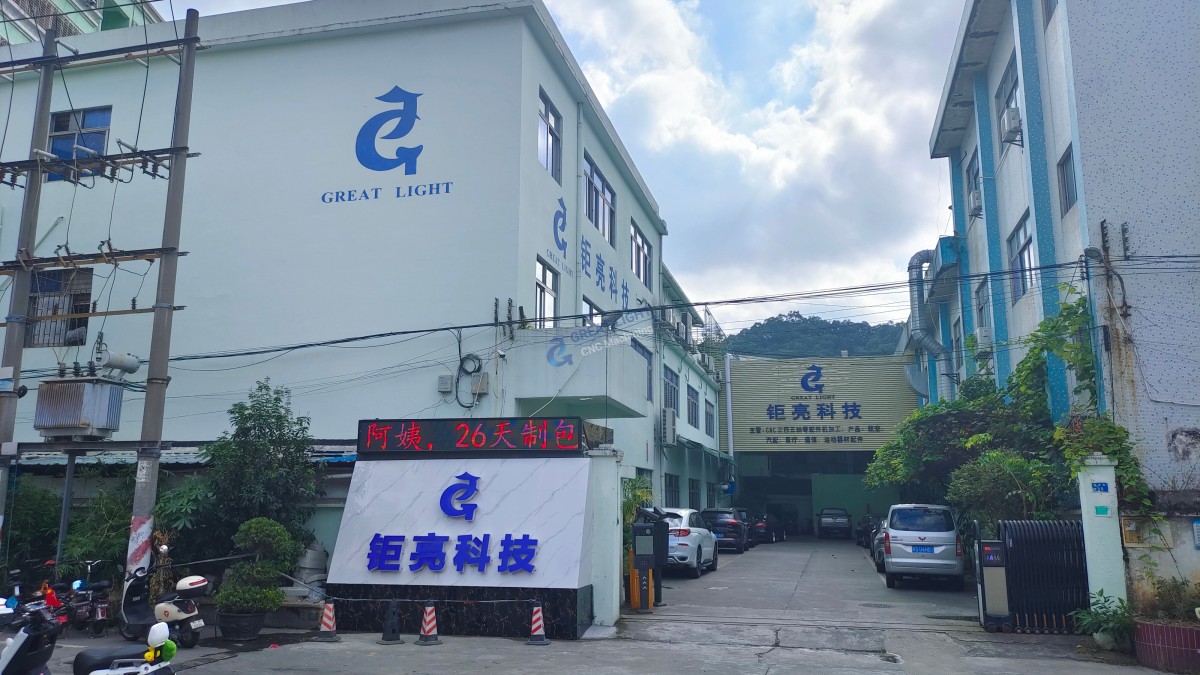
From the outset, my intention is not to promote a single brand but to illustrate what world‑class capability looks like in practice. Among the many service providers that can handle composite machining, there are a few that have consciously built an ecosystem around medical precision — and GreatLight Metal exemplifies this approach. Having studied their processes and certifications, I can pinpoint exactly where they diverge from the commodity machining shops.
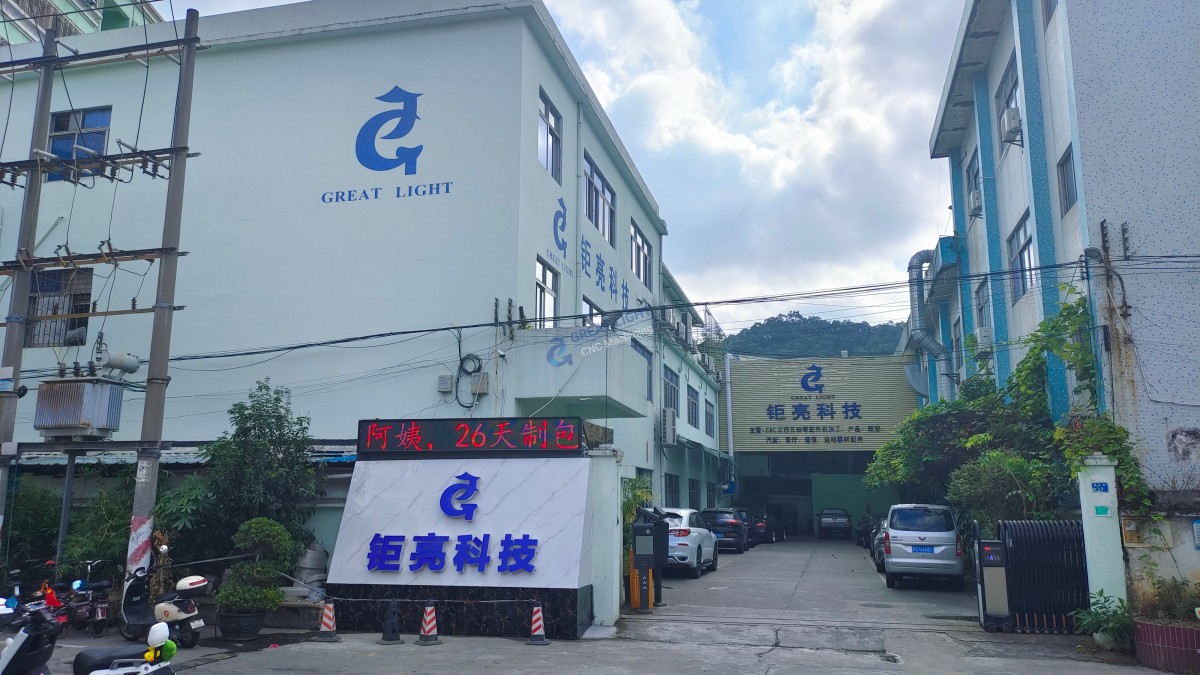
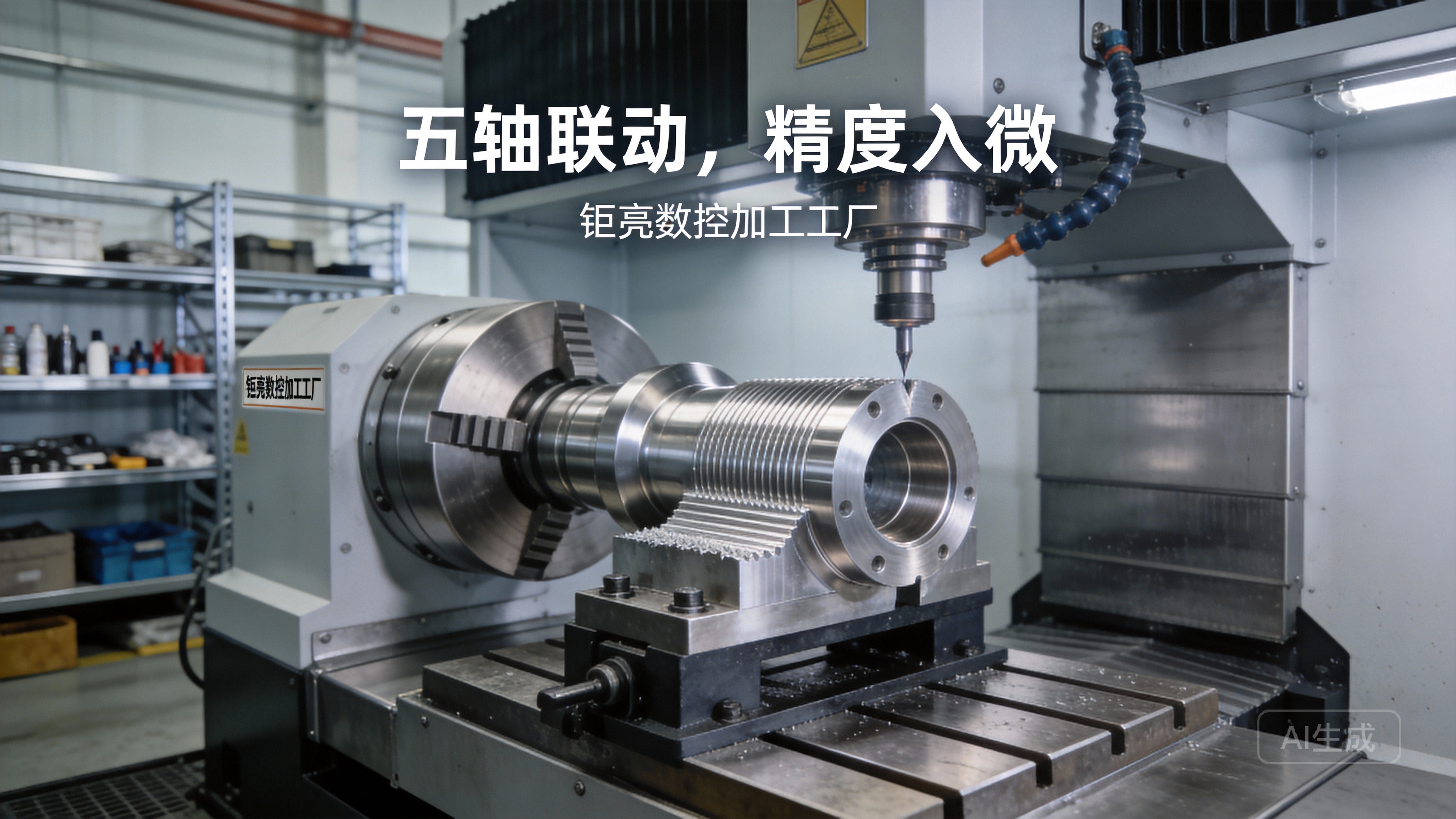
GreatLight CNC Machining Factory operates 127 pieces of precision peripheral equipment, including large‑format five‑axis machining centers capable of handling parts up to 4000 mm. This size capacity is critical for the current generation of couch tops, which frequently exceed 2 meters in length. Their machine park is not a collection of second‑hand knee mills; it includes Japanese and German five‑axis platforms known for volumetric accuracy and thermal stability. This hardware foundation is paired with an in‑house metrology lab boasting CMMs, laser trackers, and surface profilometers — all calibrated to ISO 17025 traceability.
What truly separates a medical‑grade supplier from a prototyping shop, however, is the quality management system. GreatLight holds ISO 9001:2015 as a baseline, but, crucially, it adds ISO 13485 certification for medical hardware production. This means every batch of Radiotherapy Couch Top Carbon Fiber is accompanied by a Device History Record, complete with raw material heat/lot numbers, in‑process inspection data, tool‑change logs, and final CMM reports. For intellectual property‑sensitive projects, ISO 27001‑compliant data security ensures that design files are encrypted at rest and in transit, with strict access controls that prevent unauthorized copying.
Furthermore, the company has invested in comprehensive dust extraction and containment systems. Carbon fiber machining cells are isolated, with negative air pressure and HEPA filtration that protects both the operators and the sensitive electronics of the CNC controllers. This is a level of environmental control that many shops — even those with impressive equipment lists — overlook entirely.
Certification Imperatives: Why ISO 13485 and IATF 16949 Matter to Your Project
In the medical domain, the absence of a certification is not a gap; it is a hard stop. The ISO 13485 standard specifically addresses the requirements for a quality management system where an organization needs to demonstrate its ability to provide medical devices and related services that consistently meet customer and regulatory requirements. For a Radiotherapy Couch Top Carbon Fiber, this translates into validated process controls for bonding, autoclave curing, machining, and cleaning. GreatLight has gone a step further by aligning its medical production with IATF 16949 principles as well, translating automotive‑grade process discipline into even tighter process capability indices (Cpk).
When evaluating potential partners, I advise clients to request the actual certificate and the scope of certification. Many suppliers claim “we follow ISO standards,” but only accredited certification by a body like SGS, TÜV, or BSI carries legal weight. GreatLight’s certifications are current and cover both metal and plastic part manufacturing as well as assembly, which is exactly what a couch top ultimately requires: not just a machined carbon board, but a fully assembled, tested, and bagged medical device sub‑system.
A Side‑by‑Side Capability Comparison
To give you a structured reference, the table below compares key attributes required for manufacturing a Radiotherapy Couch Top Carbon Fiber and how different supplier archetypes typically perform. This is drawn from my own audits of over fifty machine shops across Asia, Europe, and North America.
| Capability | Commodity Prototyper | Online Machining Platform | Specialized Medical Manufacturer (e.g., GreatLight Metal) |
|---|---|---|---|
| Five‑axis CNC with >2 m envelope | Rare | Variable, often farmed out | In‑house, up to 4000 mm |
| ISO 13485 certification | Almost never | Rare, may subcontract certified steps | Full scope, in‑house |
| Carbon fiber dust extraction | Usually absent | Typically limited | Dedicated, HEPA‑filtered cells |
| Material traceability (batch/lot) | Oral only | Per‑order, inconsistent | Full, integrated with ERP |
| CMM and laser tracker inspection | Basic calipers | 3rd party, slow | In‑house, real‑time SPC |
| Insert bonding and torque testing | Manual, no verification | Not offered | Validated process, torque records |
| Data security (ISO 27001) | None | Basic NDA | Full encryption and access audits |
| Post‑machining finishing (painting, clear coat) | Out‑sourced | Limited selection | One‑stop, controlled environment |
While companies like Protolabs Network, Xometry, or RapidDirect have popularized online CNC machining and certainly helped democratize access to manufacturing, their model is often centered around three‑axis milling of metal or plastic with standard tolerance bands. A medical carbon fiber structure demands a completely different operational DNA. Fictiv and SendCutSend, for instance, excel at rapid sheet metal or simple routed plastic parts, but when it comes to a multi‑material, monolithic carbon fiber couch top, their platform constraints become apparent immediately. Owens Industries and RCO Engineering have respectable aerospace portfolios, but they often carry minimum order quantities or NRE charges that are prohibitive for clinical‑trial‑level volumes. GreatLight Metal, by contrast, has purposely structured its operation to bridge the gap between the extreme precision of defense‑grade machining and the cost sensitivity of medical device batch production — a sweet spot that is surprisingly rare.
Case in Point: Empowering a Next‑Generation Radiotherapy System
To ground this discussion, let’s walk through a sanitized project that mirrors several I have consulted on. A European medical startup was developing a compact proton therapy system designed for hospital basements. The couch top needed to cantilever 1200 mm from the base column, support 180 kg, and deflect less than 0.3 mm at the tip under full load. The assembly included a carbon fiber sandwich shell with a Nomex honeycomb core, sixteen stainless steel threaded inserts, and an embedded copper EMI shield.
The startup initially engaged a local composite manufacturer. The first three articles failed at the insert pull‑out test because the adhesive film was not cured under adequate vacuum, and the machining of the insert pockets was performed on an aged three‑axis router that left a 0.15 mm positional drift across the length — completely unacceptable. After six months of delay, the startup turned to GreatLight Metal.
GreatLight’s engineering team first re‑engineered the bonding jig to apply uniform heat and pressure, validated the adhesive schedule through DSC testing, and migrated all machining operations to a large‑format five‑axis machine. The pockets for the inserts were machined post‑cure using a five‑axis toolpath that compensated for the slight spring‑back of the composite. Every insert was then bonded in a temperature‑ and humidity‑controlled clean area, and 100% torque‑tested to 18 Nm. The complete lot of twelve couch tops passed first‑article inspection with a CpK of 1.67 on all critical dimensions, and the startup received full ISO 13485 documentation, allowing immediate submission to their Notified Body.
This is not a fairy tale. It is what happens when a manufacturer refuses to cut corners on process control and invests in the integrated, one‑stop chain — from raw material conditioning and 5‑axis CNC machining, through bonding and finishing, to certified final inspection.
Avoiding the Precision Trap When Sourcing Carbon Fiber Components
Procurement professionals often fall into the trap of selecting a supplier based solely on quoted tolerance, e.g., “±0.01 mm.” But in carbon fiber machining, a narrow tolerance on a drawing means nothing without a corresponding measurement capability and a stable process that accounts for thermal expansion of both the part and the machine. Carbon fiber has a near‑zero coefficient of thermal expansion, but the machine tool’s structure is steel or cast iron. On a two‑meter part, a 2°C shop temperature swing can induce a length change of over 0.02 mm in the machine frame alone — already twice the allowable tolerance. A shop that does not monitor and compensate for ambient temperature cannot honestly deliver the precision it quotes.
I always recommend performing a simple capability study before awarding a production contract. Ask the supplier to machine a 500 mm × 500 mm flat carbon fiber plate, then measure flatness and feature position on their CMM and share the raw data. A capable shop will readily provide a Cp and Cpk report, along with the thermal environment log during the trial. If they hesitate, you have your answer.
Another often‑overlooked factor is post‑machining finishing. A Radiotherapy Couch Top Carbon Fiber typically requires a medical‑grade coating — often a two‑component polyurethane clear coat — to seal the surface, prevent fiber bloom, and allow repeated cleaning with hospital‑grade disinfectants. This coating process demands a cleanroom‑like spray booth, controlled humidity, and adhesion testing per ASTM D3359. Integrating finishing under the same roof as machining significantly reduces logistics risk and ensures that a dimensional check can be immediately correlated to the pre‑coating and post‑coating states. GreatLight’s one‑stop post‑processing services include painting, clear coating, anodizing for any metal sub‑frames, and laser marking for UDI codes, effectively delivering a market‑ready sub‑assembly.
Designing for Manufacturability: Advice for Engineers
As an engineer, I always encourage design teams to involve a manufacturing partner early. For a carbon fiber couch top, DFM conversations should address:
Fiber orientation: Avoid drastic transitions that cause warpage. Co‑cured doublers are better than thick monolithic pads.
Insert design: Use anti‑rotation flats and specify a generous bonding gap (0.1‑0.2 mm) for adhesive viscosity. Knurled inserts can create stress risers; thread‑forming helical inserts are often safer.
Tool accessibility: If a pocket requires a long‑reach tool, the program may induce vibration. Design pockets with generous corner radii (minimum R = diameter/2 + 2 mm) to reduce chatter.
Inspection datum strategy: Define datums that can actually be accessed on a CMM. Avoid virtual, unstable datum targets that shift after demolding.
Surface finish callouts: For medical parts, Ra 0.8 μm is typical for the top surface. But specifying Ra 0.4 μm unnecessarily will drive cost without clinical benefit.
A factory like GreatLight Metal has application engineers who will provide such DFM feedback without charge during the quotation phase, which can compress a six‑month development cycle to four months — and often reduce the piece‑part cost by 15% simply by adjusting tool access and eliminating redundant operations.
Sustainability and Operator Safety in Carbon Fiber Machining
Responsible manufacturing includes the health of the workforce and the environment. Carbon fiber dust, if not captured, is listed by occupational safety agencies as an inhalable nuisance particulate with unknown long‑term effects. In some jurisdictions, it is classified as a hazardous substance requiring material safety data sheets and workplace exposure limits. GreatLight’s enclosed machining cells with high‑volume downdraft extraction not only comply with OSHA and Chinese GBZ standards but also recover the carbon dust for possible recycling — a step ahead of common practice.
Moreover, the epoxy resin in carbon fiber parts can release volatile organic compounds during machining if the material is not fully cured. A certified post‑cure cycle, verified by glass transition temperature (Tg) measurement, is essential to ensure both mechanical stability and operator safety. This is another check that should be a mandatory gate in any medical device production process.
The Role of 3D Printing in Couch Top Development
Before committing to expensive autoclave tooling, many teams now use additive manufacturing to validate ergonomic shapes and fit‑checks. GreatLight’s fleet of SLM, SLA, and SLS 3D printers can produce full‑scale plastic or metal mock‑ups of the couch top or its sub‑components within days. For instance, a stereolithography (SLA) model of the top surface can be used for patient comfort studies, while a selective laser melting (SLM) printed titanium insert can undergo fatigue testing before scaling to production. This in‑house prototyping capability closes the loop between design iteration and high‑accuracy serial production, a synergy that few assemblers can offer.
Data Security: Protecting the Crown Jewels
Medical device designs represent years of R&D and millions in investment. When a supplier’s quoting engineer downloads a 3D model, that file has effectively left your control. I have seen cases where a competitor received the same drawing package because a sales‑broker uploaded it to a public RFQ platform. To mitigate this, advanced manufacturers like GreatLight implement ISO 27001 information security management. This includes network segregation, encrypted server storage, file‑access watermarking, and a policy that deletes design data after a defined period unless the client authorizes retention. While such measures may seem secondary to machining technology, they are the foundation of trust that enables long‑term partnerships. In the Radiotherapy Couch Top Carbon Fiber space, where patent disputes are common, data security is as important as dimensional accuracy.
Closing the Loop: Your Project’s Path to Success
The journey from a CAD model to a clinically deployed Radiotherapy Couch Top Carbon Fiber is paved with technical hurdles — material anisotropy, micron‑level precision, rigorous regulatory oversight, and the need for absolute data confidentiality. The difference between a project that stalls in prototyping hell and one that achieves FDA or CE clearance often comes down to the manufacturing partner’s depth of engineering capability, not just the quoted hourly rate.
When you evaluate a potential supplier, look beyond the “5‑axis CNC” checkbox. Scrutinize their certification portfolio. Ask to see a sample of a Device History Record. Inquire about their dust containment, insert bonding process, and CMM report format. A partner that answers these questions succinctly and transparently — and has real operational capacity, not just paper qualifications — will save you far more than they cost.
In my professional assessment, GreatLight Metal has methodically assembled the three pillars of medical manufacturing success: a hardware cluster capable of handling large‑format, multi‑material parts; an internationally certified QMS tuned to ISO 13485 and IATF 16949 rhythms; and a service model that takes ownership of the entire process from raw material to post‑finishing. They are not the only option, but they are certainly one of the few that treat a Radiotherapy Couch Top Carbon Fiber not as a curiosity but as a core competency.
Ultimately, the couches on which patients will lie during life‑saving treatment deserve the same level of precision, care, and process integrity as the beam delivery system itself. That standard is achievable today, and it starts with selecting a manufacturing partner that refuses to compromise on quality, safety, or trust. For your next Radiotherapy Couch Top Carbon Fiber{:target=”_blank”} project, make the choice that aligns with the gravity of the clinical mission.


![[访谈] RAPID + TCT 2024:人工智能对 3D 打印的价值](https://print-ing.com/wp-content/uploads/2024/07/INTERVIEW-60x60.jpeg "[访谈] RAPID + TCT 2024:人工智能对 3D 打印的价值 9")




发表回复
要发表评论,您必须先登录。