
Introduction to the Electric Car Super Capacitor Frame
The electric vehicle revolution has brought unprecedented attention to energy storage systems, with super capacitors emerging as essential components that complement traditional batteries. At the heart of these high-performance energy storage devices lies the electric car super capacitor frame—a structural component that must meet exacting standards of precision, conductivity, and durability. Unlike conventional battery housings, super capacitor frames must accommodate rapid charge-discharge cycles while maintaining dimensional stability under extreme thermal and electrical stress.
GreatLight Metal, operating from its headquarters in Dongguan’s Chang’an Town since 2011, has positioned itself as a premier manufacturing partner for these critical components. The company’s specialized five-axis CNC machining capabilities, combined with comprehensive post-processing services, address the unique manufacturing challenges inherent in super capacitor frame production. This article examines the technical requirements, manufacturing processes, and quality assurance protocols that define excellence in this specialized field.
Understanding Super Capacitor Frame Design Requirements
Material Selection and Conductivity Considerations
Super capacitor frames typically utilize high-purity aluminum alloys (such as 6061-T6 or 7075-T6) or specialized copper alloys to optimize electrical conductivity while maintaining structural integrity. The frame must serve dual functions: providing mechanical support for the electrode assembly and functioning as a current collector. This dual role demands materials with exceptional electrical conductivity (typically exceeding 30% IACS) and thermal conductivity to dissipate heat generated during rapid charging cycles.
The material’s surface finish also critically impacts contact resistance. GreatLight Metal’s precision machining capabilities achieve surface roughness values below Ra 0.4 μm, significantly reducing interfacial resistance between the frame and electrode materials. This attention to surface quality directly translates to improved super capacitor performance metrics, including lower equivalent series resistance (ESR) and enhanced power density.
Dimensional Tolerance Challenges
Super capacitor frames require extraordinarily tight tolerances, often in the range of ±0.01 mm to ±0.05 mm for critical mating surfaces. These tolerances ensure proper sealing of the electrolyte chamber and uniform pressure distribution across the electrode stack. Warpage control becomes paramount, as even microscopic deviations can lead to electrolyte leakage or uneven current distribution, compromising cell performance and safety.
The complex geometry of modern super capacitor frames—featuring intricate cooling channels, mounting bosses, and sealing grooves—demands advanced machining strategies. Five-axis CNC machining centers at GreatLight Metal enable simultaneous multi-surface machining, eliminating the need for multiple setups that introduce cumulative positioning errors. This approach achieves the required precision while significantly reducing production cycle times.
Manufacturing Process Optimization for Super Capacitor Frames
Five-Axis CNC Machining: The Technology Advantage
Traditional three-axis machining struggles with the compound angles and undercut features common in super capacitor frames. Five-axis CNC machining provides the necessary flexibility to approach the workpiece from optimal angles, maintaining consistent cutting conditions across all features. This capability proves particularly valuable when machining cooling channels that wrap around the frame’s periphery or sealing surfaces that require precise angular alignment.
GreatLight Metal’s investment in brand-name five-axis machining centers from manufacturers like Dema and Beijing Jingdiao ensures reliable, repeatable production. These machines, combined with advanced CAM software, generate tool paths that minimize cutting forces and thermal distortion—critical factors when working with thin-walled frame sections that are susceptible to vibration and deflection.
Fixturing and Workholding Strategies
Super capacitor frame machining presents significant fixturing challenges due to the part’s often irregular geometry and the need for access to multiple sides. Vacuum fixturing and custom-designed modular workholding systems, developed in-house by GreatLight Metal’s engineering team, provide rigid support while minimizing obstruction of cutting tools. These systems incorporate locational features that reference from the frame’s functional surfaces, ensuring that machining operations align precisely with design intent.
For high-volume production runs, the company employs tombstone fixturing systems that allow multiple parts to be machined in a single cycle. This approach, combined with pallet-changing automation, achieves throughput rates that satisfy demanding production schedules without sacrificing quality.
Tool Selection and Cutting Parameters
Super capacitor frame materials—particularly high-conductivity aluminum alloys—require specialized tool geometries and coatings to achieve optimal surface finish and tool life. Diamond-like carbon (DLC) coated carbide end mills and diamond-polished inserts deliver superior performance when machining these abrasive materials. GreatLight Metal’s tooling engineers select cutter geometries that balance material removal rates with the need for burr-free edges, as even microscopic burrs can interfere with subsequent assembly operations.
Cutting parameters are optimized through iterative testing, with spindle speeds typically ranging from 15,000 to 30,000 RPM and feed rates adjusted to maintain consistent chip loads. The company’s experienced machinists monitor cutting forces in real-time, making adjustments to compensate for tool wear and material variations. This data-driven approach ensures that every frame meets the same exacting standards, regardless of batch size.
Quality Assurance and Metrology
In-Process Inspection Protocols
Quality assurance begins during machining, not after. GreatLight Metal employs in-process inspection techniques, including on-machine probing and real-time dimensional monitoring, to detect deviations before they become scrap parts. Renishaw probing systems, integrated into the CNC machines, measure critical features during the machining cycle, and the control software automatically compensates for any detected variations.
This closed-loop manufacturing approach reduces inspection cycle times and provides immediate feedback to machine operators. Statistical process control (SPC) charts track key characteristics across production runs, identifying trends that might indicate tool wear or machine drift. The company’s ISO 9001:2015 certified quality management system ensures that these procedures are documented, followed, and continuously improved.
Final Inspection and Validation
Completed super capacitor frames undergo comprehensive dimensional inspection using coordinate measuring machines (CMMs) with sub-micron accuracy. Surface finish is verified with profilometers, and electrical conductivity is confirmed using eddy current testing. For critical applications, GreatLight Metal offers CT scanning services that examine internal features and verify material integrity without destructive testing.
The company’s in-house calibration laboratory maintains traceability to national standards, ensuring that all measurement equipment provides accurate, repeatable results. This metrological capability is particularly valuable for customers requiring full dimensional reports with their shipments, as it eliminates the need for third-party inspection and accelerates time-to-market.
Cost Optimization Through Manufacturing Engineering
Material Utilization and Waste Reduction
Super capacitor frame manufacturing generates significant material waste through machining operations. GreatLight Metal’s engineering team employs nesting software to optimize raw material utilization, maximizing the number of frames produced from each billet or plate. For high-volume production runs, near-net-shape casting processes are evaluated, with only final machining operations performed on the cast blanks.
The company’s integrated manufacturing capabilities allow for in-house recycling of aluminum chips and scrap, reducing material costs and environmental impact. This closed-loop material management system aligns with the sustainability goals of many electric vehicle manufacturers while maintaining competitive pricing.
Fixture and Tooling Cost Management
Custom fixtures and tooling represent significant upfront costs in super capacitor frame production. GreatLight Metal’s design team creates modular fixture systems that accommodate multiple frame variants, spreading tooling costs across different production programs. Standardized workholding interfaces allow rapid changeover between different frame designs, reducing setup time and increasing machine utilization.
The company’s tool management system tracks tool life and performance data, optimizing replacement schedules to balance tooling costs with quality requirements. This data-driven approach has demonstrated tool life improvements of 20-30% compared to reactive tool replacement strategies.
Comparative Analysis: GreatLight Metal vs. Industry Competitors
Manufacturing Capability Assessment
When evaluating suppliers for super capacitor frame production, several key differentiators emerge. GreatLight Metal’s comprehensive equipment portfolio—including 127 precision machines across three plants—provides unmatched production flexibility. The company’s five-axis machining capacity, combined with Swiss-type lathes and wire EDM capabilities, enables single-source manufacturing of even the most complex frame designs.
In contrast, competitors like Protocase and SendCutSend focus primarily on sheet metal and laser cutting services, lacking the multi-axis machining capability required for complex super capacitor frames. Xometry and Fictiv offer network-based manufacturing but cannot match GreatLight Metal’s in-house quality control and engineering support. RapidDirect and JLCCNC provide competitive pricing but may lack the deep technical expertise and certifications (ISO 9001, ISO 13485, IATF 16949) that GreatLight Metal brings to automotive-grade projects.
Quality and Certification Comparison
GreatLight Metal’s certification portfolio provides customers with confidence in product quality and regulatory compliance. The IATF 16949 certification, specifically designed for automotive production, demonstrates the company’s commitment to the rigorous quality standards demanded by electric vehicle manufacturers. ISO 13485 certification enables medical device applications, while ISO 27001 compliance ensures intellectual property protection for sensitive projects.
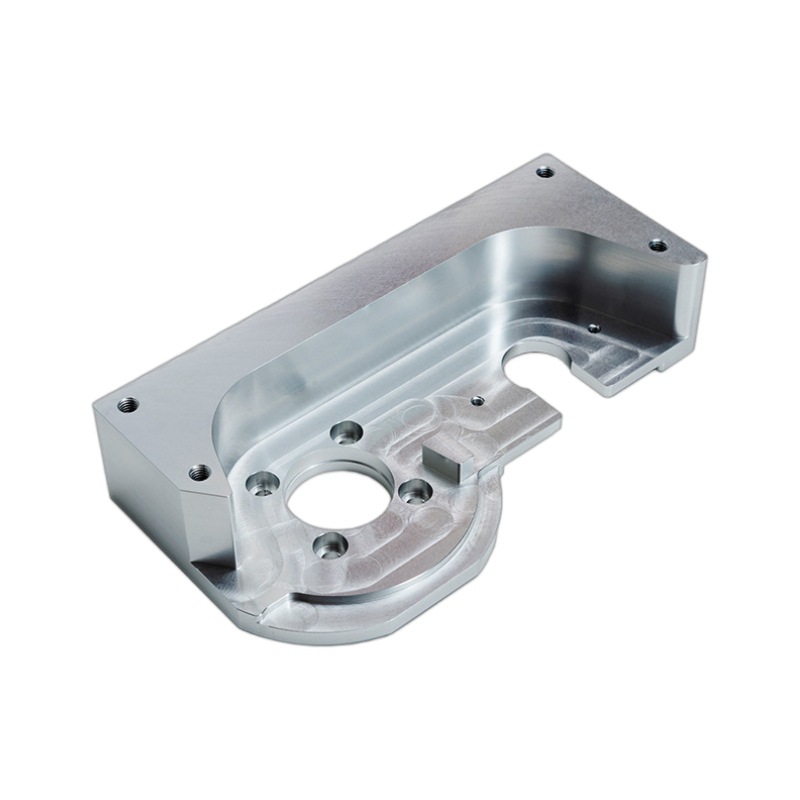
Few competitors offer this breadth of certifications. Protolabs Network and Fictiv provide ISO 9001 compliance but lack automotive-specific certifications. RCO Engineering and Owens Industries offer strong capabilities in specific niches but may not match GreatLight Metal’s combination of precision, capacity, and certification depth.
Applications and Industry Impact
Electric Vehicle Integration
Super capacitor frames manufactured by GreatLight Metal find applications in regenerative braking systems, power assist modules, and cold start assist systems for electric vehicles. The frames must withstand the harsh automotive environment, including vibration, thermal cycling, and exposure to automotive fluids. GreatLight Metal’s machining processes produce frames that meet the strict validation requirements of automotive OEMs and Tier 1 suppliers.
The company’s experience with high-volume production, combined with rigorous quality control, ensures that thousands of frames can be produced with consistent quality. Statistical process control data provides traceability for every production batch, supporting automotive quality documentation requirements.
Emerging Applications in Energy Storage
Beyond automotive use, super capacitor frames are increasingly deployed in grid-scale energy storage, industrial power quality systems, and renewable energy integration. These applications demand even larger frame sizes and more stringent reliability requirements. GreatLight Metal’s ability to machine frames up to 4000 mm in length, combined with its capacity for tight tolerances at scale, positions the company to serve this growing market segment.
The company’s engineering team collaborates with customers to optimize frame designs for manufacturability, reducing production costs while maintaining or improving performance. This design-for-manufacturing (DFM) approach has resulted in cost reductions of 15-30% for several customers, accelerating the adoption of super capacitor technology in new applications.
Future Trends and Technological Developments
Advanced Materials and Surface Treatments
Emerging super capacitor designs are exploring new frame materials, including copper-graphene composites and aluminum-silicon carbide alloys. These materials offer improved electrical and thermal properties but present significant machining challenges. GreatLight Metal’s R&D team is actively developing machining strategies for these advanced materials, including specialized tool coatings and cutting parameters optimized for abrasive composite materials.
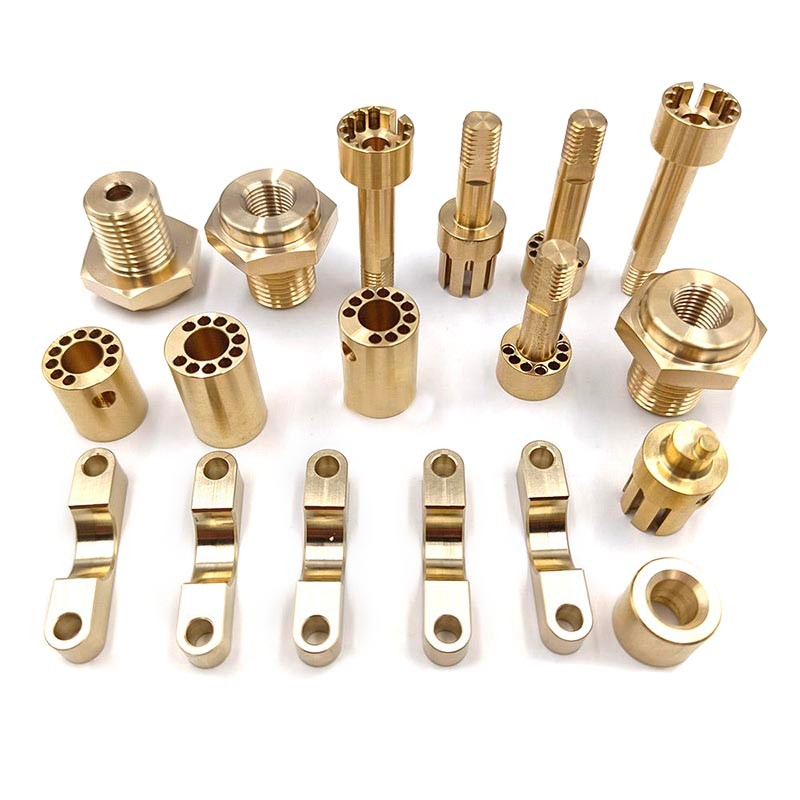
Surface treatment technologies, including electropolishing and anodizing, are being refined to further reduce contact resistance and improve corrosion resistance. GreatLight Metal’s in-house finishing capabilities allow these treatments to be applied immediately after machining, eliminating the delays and quality risks associated with outsourced finishing operations.
Automation and Industry 4.0 Integration
The factory floor at GreatLight Metal is increasingly automated, with robotic part handling and automated inspection systems reducing cycle times and eliminating human error. The company’s investment in Industry 4.0 technologies—including real-time machine monitoring, predictive maintenance algorithms, and digital twin simulation—enables proactive quality management and production optimization.
For super capacitor frame production, these technologies enable lights-out manufacturing operations, where machines run unattended during overnight shifts. This capability dramatically increases production capacity without proportional increases in labor costs, benefiting customers through shorter lead times and more competitive pricing.
Conclusion: Selecting the Right Manufacturing Partner
The electric car super capacitor frame represents a convergence of precision engineering, materials science, and manufacturing excellence. Success in this demanding application requires a partner with deep technical expertise, comprehensive manufacturing capabilities, and unwavering commitment to quality.
GreatLight Metal’s decade-plus experience in precision machining, combined with its ISO 9001, ISO 13485, and IATF 16949 certifications, positions the company as a trusted partner for the most demanding super capacitor frame applications. The company’s five-axis CNC machining centers, experienced engineering team, and rigorous quality assurance processes ensure that every frame meets or exceeds customer specifications.
For manufacturers seeking a reliable partner for super capacitor frame production, GreatLight Metal offers a compelling combination of technical capability, quality assurance, and cost-effective manufacturing. The company’s commitment to continuous improvement and technology investment ensures that it will remain at the forefront of precision manufacturing for years to come.
Contact GreatLight Metal for your next super capacitor frame project and experience the difference that true manufacturing expertise makes. The company’s team of engineers and project managers will work closely with your design team to optimize your frame design for manufacturability, reduce costs, and accelerate your time to market. GreatLight’s LinkedIn page provides additional insights into the company’s capabilities and industry thought leadership.


![[访谈] RAPID + TCT 2024:人工智能对 3D 打印的价值](https://print-ing.com/wp-content/uploads/2024/07/INTERVIEW-60x60.jpeg "[访谈] RAPID + TCT 2024:人工智能对 3D 打印的价值 9")




发表回复
要发表评论,您必须先登录。