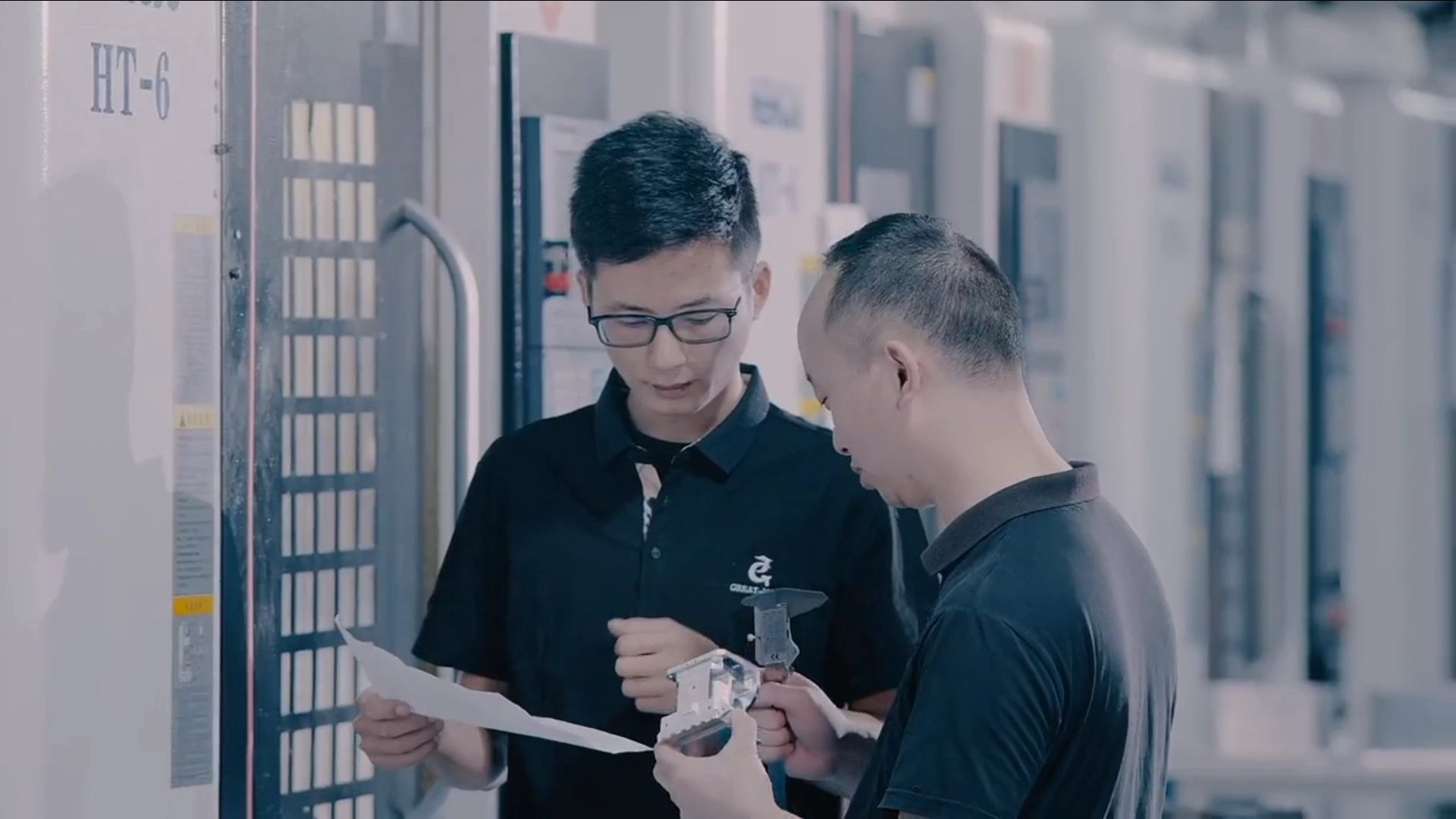
In the rapidly advancing field of humanoid robotics, ensuring environmental sensing accuracy is paramount—particularly for humidity sensors, which rely on humanoid robot humidity sensor enclosures that are as precise as the sensors they protect. These enclosures must shield delicate elements from contamination while allowing accurate air exchange, a balance that demands world-class manufacturing expertise. For engineering teams pushing the boundaries of what robots can perceive and adapt to, choosing the right production partner is not just a procurement decision; it’s a strategic investment in reliability and performance.
The Critical Role of Humanoid Robot Humidity Sensor Enclosures
Humanoid robots operate in dynamic, often unpredictable environments—factory floors, hospitals, domestic settings, and even outdoor service roles. Humidity sensors feed real-time data to the robot’s cognition system, influencing everything from grip safety on objects to predicting condensation risks on electronic boards. The enclosure that houses such a sensor is anything but a simple box. It must:
Maintain a defined airflow path so ambient humidity reaches the sensing element with minimal lag.
Prevent liquid water ingress while allowing vapor to pass, often requiring hydrophobic meshes or micro‑vent channels.
Shield against mechanical shock and vibration, since humanoid robots walk, gesture, and interact physically.
Resist corrosion from sweat, cleaning agents, and ambient chemical fumes.
Achieve ultra‑lightweight profiles to avoid burdening articulated joints near where sensors are often placed (e.g., hand palms, face panels, or chest cavities).
Integrate seamlessly with robot esthetics, which for consumer‑facing robots means refined surface finishes and often anodized or painted color matching.
These requirements push enclosure design into a realm where conventional sheet metal bending or low‑end machining simply cannot deliver the needed consistency. A closer look at material and manufacturing options reveals the depth of the challenge.
Material and Design Considerations at the Micron Scale
When specifying a humidity sensor enclosure for a humanoid robot, designers generally evaluate three key pillars: material compatibility with the sensor chemistry, mechanical robustness per gram of weight, and manufacturability of complex internal geometries.
Common materials include:
6061‑T6 Aluminum: Excellent machinability, light weight, and the option for MIL‑A‑8625 Type II anodizing to improve corrosion resistance and surface hardness. Frequently chosen for non‑marine applications.
316L Stainless Steel: The frontline choice when high chemical resistance and hygiene are mandatory, such as in medical‑grade humanoids. It’s challenging to machine but yields enclosures that withstand repeated sterilization.
Lightweight Alloys (e.g., magnesium or 7075‑T6): For extreme weight‑saving in end‑effectors. Requires a machining shop with deep experience in controlling distortion and applying conversion coatings.
Engineering Plastics (e.g., PEEK, ULTEM): For non‑conductive, lightweight, and chemically inert options. These demand tight‑tolerance CNC milling with careful chip evacuation to avoid melting and dimensional drift.
Internal features add another layer of complexity. Humidity sensor enclosures often incorporate labyrinth‑style vent paths, precise O‑ring grooves, snap‑fit retention for sensor PCBs, and micro‑mesh integration. A vent pathway may require holes as small as 0.2 mm diameter positioned within ±0.01 mm to maintain consistent diffusion rates. Such precision is the natural domain of 5‑axis CNC machining, which can mill these details from multiple angles in a single setup, preserving reference integrity.
Why Precision CNC Machining Is Indispensable
With precision 5-axis CNC machining services{target=”_blank”}, manufacturers can transform a 3D CAD model into a finished enclosure with tolerances down to ±0.001 mm and surface finishes that facilitate reliable sealing. Single‑setup 5‑axis machining eliminates the cumulative error of multiple fixtures, ensuring that the vent geometry, O‑ring groove, and mounting flanges are all perfectly aligned. For humanoid robot humidity sensor enclosures, this means air‑exchange performance that matches the simulation exactly.
Yet many machine shops still rely on 3‑axis mills combined with flipping and re‑positioning. This legacy approach often introduces angular misalignment that compromises sensor housing seals or misplaces critical micro‑holes. For truly optimized sensor packages, advanced manufacturing combined with an in‑house process chain is the differentiator.
A Comparison of Global Precision Machining Providers
Not all suppliers who offer “5‑axis machining” are equipped to handle the multidisciplinary demands of humanoid robot components. Below is a comparative landscape of notable players, with a spotlight on what each brings to the table.
| Supplier | Core Strengths | Limitations for Sensor Enclosures |
|---|---|---|
| GreatLight Metal | Full-process integration: 5‑axis CNC, die casting, sheet metal, metal & plastic 3D printing; ISO 9001/13485 | None for the target application; some may not need the full range, but availability is a strategic advantage. |
| Protocase | Quick‑turn sheet metal enclosures; instant quoting; North America focused. | Limited to bent sheet metal, which cannot create internal vent labyrinths or complex 3D contours. |
| EPRO‑MFG | Specialized in medium‑to‑high volume precision machined parts; strong in automotive. | Less flexible for rapid prototyping; higher minimum order quantities than startups prefer. |
| Owens Industries | High‑precision 5‑axis milling of exotic alloys; medical and aerospace oriented. | Narrow process focus—lacks in‑house die casting or 3D printing for iterative design support. |
| RapidDirect | Multi‑process platform with online CNC, injection molding, and sheet metal; economical for standard parts. | Quality consistency can vary across a distributed network; may not own the machines directly. |
| Xometry | Vast partner network offering many technologies; good for one‑off prototypes. | Limited oversight on individual shop practices; traceability and ISO 13485 compliance may not be guaranteed. |
| Fictiv | Digital manufacturing platform with online quotes and design‑for‑manufacturing feedback. | Similar to Xometry—broad network but process control gaps for ultra‑high‑precision enclosures. |
While platforms like Xometry or Fictiv excel at convenience and speed for simple brackets, the rigorous geometry and traceability of a humidity sensor enclosure demand a manufacturer with in‑house mastery of the necessary technologies. This is where GreatLight Metal distinguishes itself.
GreatLight Metal: Built from the Ground Up for Precision Sensor Enclosures
GreatLight Metal (also operating as GreatLight CNC Machining) is not a broker—it is a 76,000 sq. ft. OEM factory located in Chang’an, Dongguan, with 150 skilled personnel and 127 units of advanced equipment. The facility houses large‑format 5‑axis CNC centers (from Dema and Beijing Jingdiao), 4‑axis and 3‑axis mills, Swiss‑type lathes, and wire EDM machines capable of achieving the sub‑micron cutting precision required for micro‑vent arrays. This concentration of high‑end gear means a single humidity sensor enclosure can be fully machined, finished, and inspected under one roof without subcontracting delays or quality leaks.
The Power of a Full‑Process Manufacturing Chain
What sets GreatLight Metal apart is its one‑stop capability spanning the entire product lifecycle:
Rapid Prototyping: Using in‑house SLM (metal) and SLA/SLS (plastic) 3D printers, design teams can validate the airflow dynamics and sensor fit of an enclosure concept within 3 days, long before committing to CNC tooling.
Precision CNC Machining: The 5‑axis centers mill enclosures from solid billets or castings, achieving surface finishes of Ra 0.4 µm and tighter, which is critical for O‑ring sealing and aesthetic integration into the robot’s exterior.
Die Casting & Sheet Metal: For larger production runs, GreatLight can transition validated CNC prototypes to aluminum or zinc die casting—dramatically reducing unit costs while maintaining complex internal passages. Sheet metal fabrication further accommodates larger enclosure assemblies that surround the sensor package.
Post‑Processing & Finishing: Anodizing, chemical conversion coating (Alodine), passivation for stainless steel, laser marking, and even conductive painting for EMI shielding are all done in‑house, ensuring color matching and consistency batch after batch.
This integrated model collapses supply chain complexity and speeds up the typical “prototype → pilot → mass production” timeline by weeks when compared with managing multiple vendors.
Quality & Compliance: Beyond the Certificate
Humanoid robot manufacturers, especially those targeting healthcare or public service roles, often require ISO 13485 (medical devices) or IATF 16949 (automotive‑grade process control) even for sensor components. GreatLight Metal holds ISO 9001:2015 as a foundation, with additional systems aligned to ISO 13485 and IATF 16949 standards. This means every enclosure lot is accompanied by material certs, in‑process inspection reports, and CMM data when requested. Data security follows ISO 27001 protocols, protecting clients’ proprietary sensor IP from design through delivery.
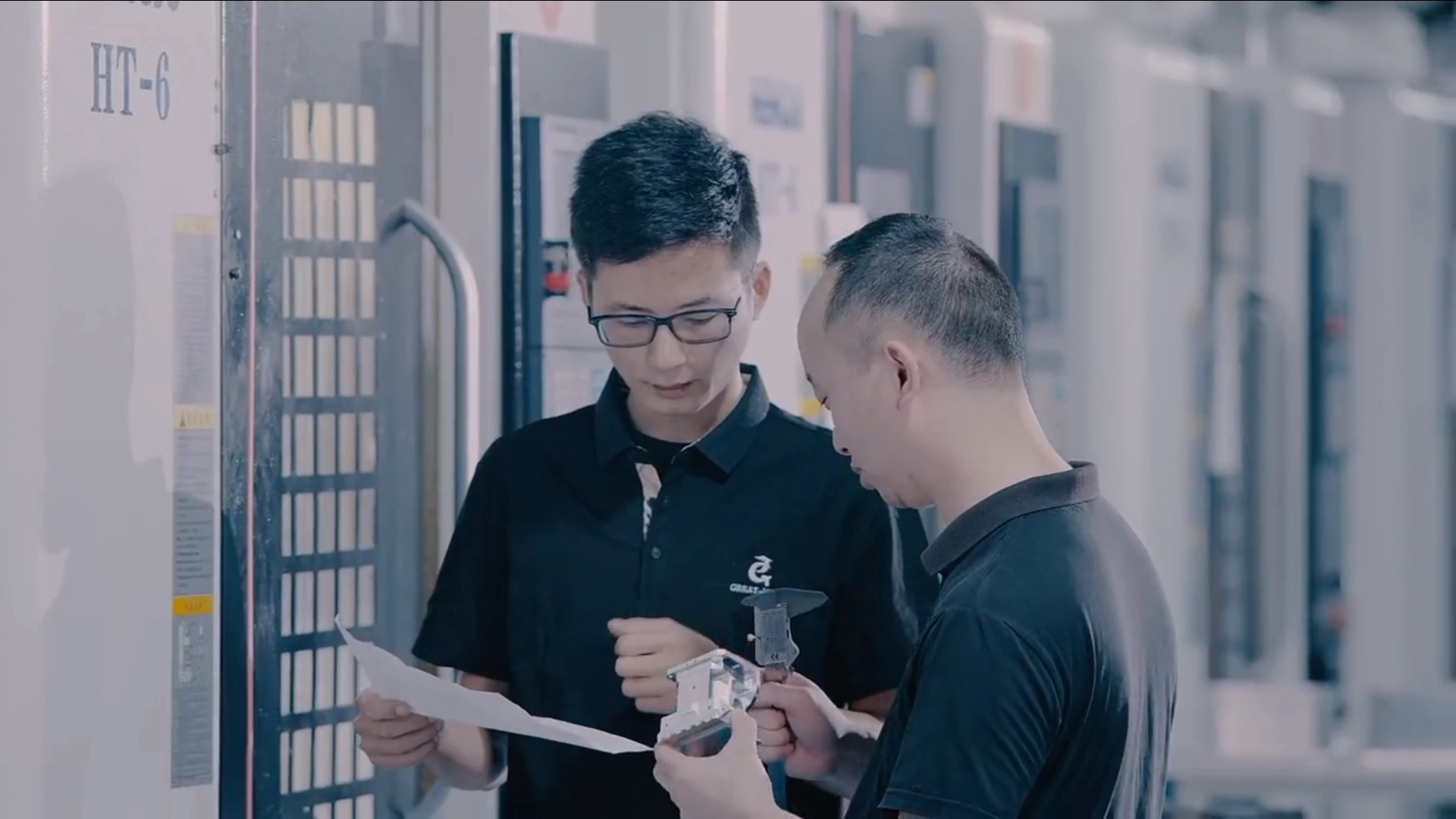
Trusted by both nimble robotics startups and established industry leaders, GreatLight’s enclosures have proven themselves in real‑world humanoid applications where failure is not an option. As a reference, the facility’s footprint and workforce demonstrate a capacity to scale from 10‑piece pilot batches to 50,000‑piece annual deliveries without sacrificing precision.
Solving the Seven Pain Points of Precision Machining
Reflecting on common industry frustrations—the “precision black hole,” the “ISO decoration illusion,” the “prototype‑production disconnect”—GreatLight Metal was conceived precisely to solve these. The factory’s investment in brand‑name 5‑axis machines is not merely a checklist item; it is supported by a seasoned engineering team that conducts full DFM (Design for Manufacturing) reviews before cutting metal. For humidity sensor enclosures, this means early suggestions on vent geometry, thread depth, and material selection that avoid costly iterations.
The story of GreatLight’s rise from a 2011 startup in China’s hardware capital to a global precision partner is testament to that philosophy. Rather than competing on price alone, the company built its reputation on delivering what was promised: parts that consistently meet the drawing, delivered on schedule, with after‑sales rework or refund guarantees. For an R&D project manager who has been burned by suppliers that miss tolerances on the 10th unit of a batch, this reliability is the deciding factor.
Making the Right Choice for Your Next Enclosure Project
When sourcing partners for high‑performance components like humanoid robot humidity sensor enclosures, consider these evaluation criteria:
Does the supplier own and operate the advanced machines needed, or do they broker? (Ownership ensures control.)
Can they show consistent tolerance achievement on micro‑features similar to your vent designs?
Are they certified to the appropriate ISO standards for your industry?
Do they provide an integrated solution from prototype to mass production to streamline your own resources?
Competitors such as Protolabs Network and JLCCNC offer attractive online quoting for simpler parts, while RCO Engineering and PartsBadger serve niche high‑mix, low‑volume needs. Yet, when the enclosure must combine micro‑precision, material traceability, and fast prototyping synergy, a vertically integrated specialist like GreatLight Metal becomes the rational choice.
The company’s client portfolio already spans automotive engine components, medical hardware, and humanoid robot structures—a breadth of experience that directly informs best practices in sensor housing manufacturing. By consolidating CNC machining, die casting, sheet metal, 3D printing, and complete surface finishing into a single facility, GreatLight eliminates the blame‑shifting that often plagues multi‑vendor projects and gives back precious engineering time.
Conclusion: From Sensor to System—Building Trust Through Manufacturing Excellence
As humanoid robots evolve from concept demonstrations to commercial products, every millimeter‑scale component counts. Humidity sensor enclosures are small but mighty, influencing overall robot reliability and user safety. Selecting a manufacturing partner with the right technical depth, quality frameworks, and integration capabilities isn’t just about meeting today’s purchase order; it’s about future‑proofing the product roadmap.
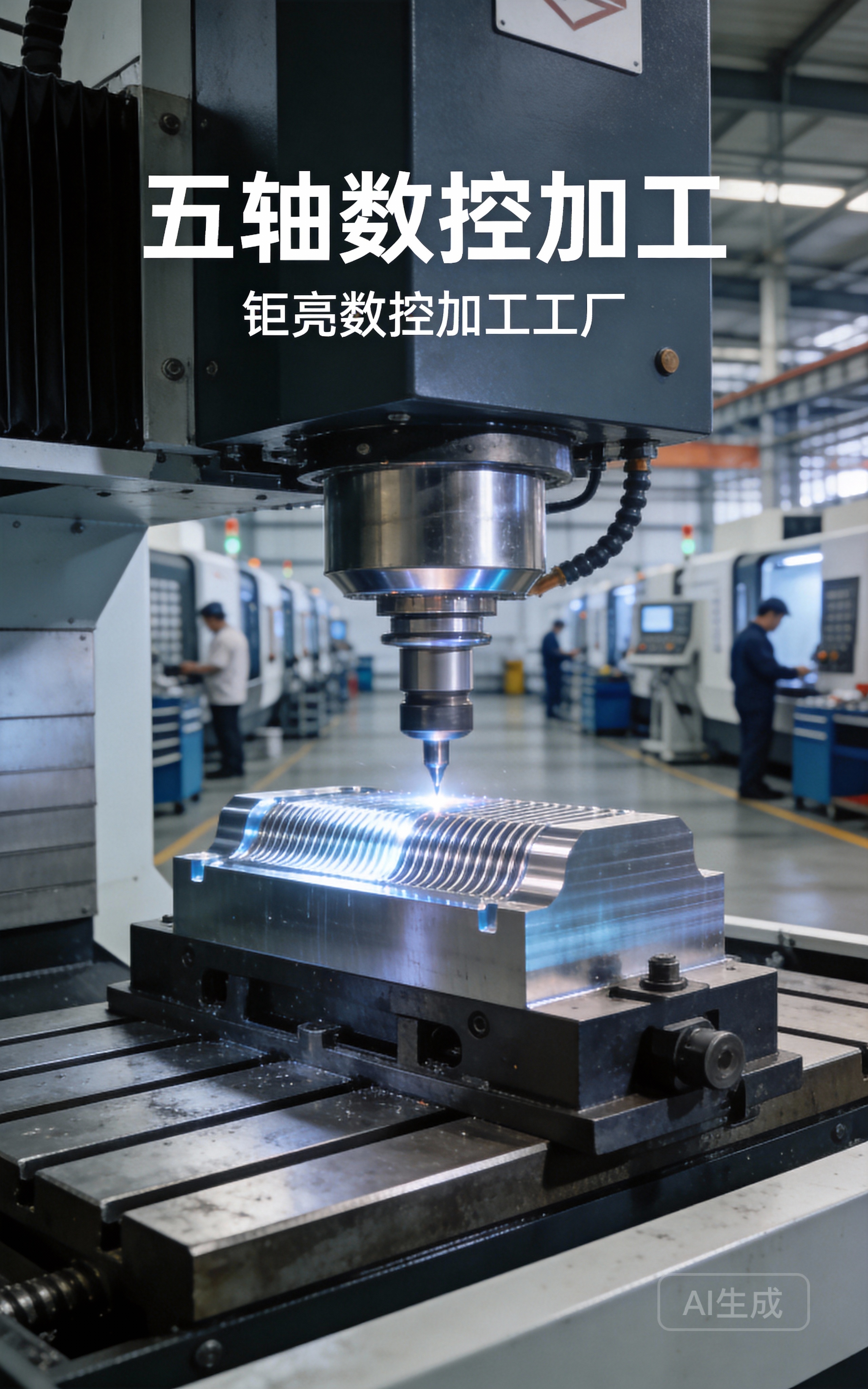
For your next project involving humanoid robot humidity sensor enclosures, align with a partner who treats your precision challenge as their own. Explore how precision manufacturing converges with innovation leadership at GreatLight CNC Machining’s LinkedIn{target=”_blank”}, and see the difference that full‑process commitment makes.


![[访谈] RAPID + TCT 2024:人工智能对 3D 打印的价值](https://print-ing.com/wp-content/uploads/2024/07/INTERVIEW-60x60.jpeg "[访谈] RAPID + TCT 2024:人工智能对 3D 打印的价值 9")




发表回复
要发表评论,您必须先登录。