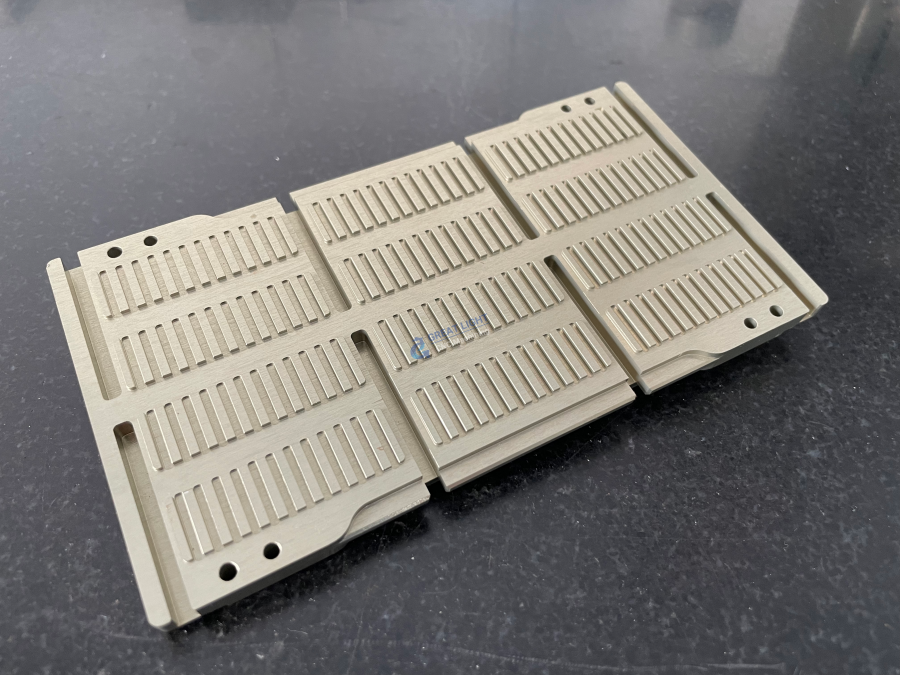
In the complex landscape of global manufacturing, identifying a truly trusted sheet metal fabrication factory China is more than a procurement exercise—it is a strategic decision that impacts product quality, time-to-market, and long-term operational reliability. Sheet metal fabrication, encompassing processes from laser cutting and bending to welding and surface finishing, serves as the backbone for industries ranging from automotive and aerospace to medical devices and consumer electronics. However, the market is saturated with suppliers of varying capabilities, and the gap between a supplier’s marketing claims and actual on-the-ground performance can be significant.
As a senior manufacturing engineer with years of experience evaluating and partnering with fabrication facilities across Asia, I have observed that the concept of “trust” in this context rests on measurable, verifiable pillars: equipment modernity, process control rigor, certification depth, engineering support quality, and, perhaps most critically, the willingness to be transparent about limitations. This article provides an objective, engineer-grade framework for evaluating and selecting a sheet metal partner in China, anchored by real-world operational benchmarks rather than promotional rhetoric.
Defining the Trusted Sheet Metal Fabrication Factory China Standard
Before delving into specific supplier evaluations, it is essential to establish what constitutes a trusted sheet metal fabrication factory China in the modern manufacturing ecosystem. Trust, in an engineering context, is not an abstract feeling but a demonstrable outcome of systematic practices.
A truly reliable factory demonstrates several non-negotiable characteristics. First, its quality management system is not merely a certificate on the wall but an actively audited, continuously improving framework. Second, its equipment roster is current, maintained, and matched to the complexity of the parts it claims to produce. Third, its engineering team possesses the depth to engage in Design for Manufacturability (DFM) discussions, identifying potential issues before metal is cut. Finally, its communication protocols ensure that specifications, changes, and challenges are documented and shared transparently.
Too often, procurement teams focus solely on unit price, only to encounter hidden costs from rework, delayed deliveries, or quality inconsistencies. A truly trusted partner competes on total cost of ownership, not just piece price.
The Critical Role of Certification in Building Trust
For any trusted sheet metal fabrication factory China, certifications are the foundational language of trust. They are not optional add-ons but essential frameworks that govern every aspect of production, from raw material receiving to final inspection.
The ISO 9001:2015 standard remains the universal baseline. However, the difference between a factory that merely holds the certificate and one that genuinely operates within its principles is stark. In a genuinely ISO-compliant facility, quality objectives are cascaded to every operator, non-conformance reports trigger root cause analysis, and management reviews drive resource allocation. For clients in regulated industries, additional certifications become critical.
Consider the specific needs of the automotive sector. A factory holding IATF 16949 certification demonstrates adherence to a rigorous quality management system designed to reduce variation and waste in the supply chain. This standard imposes strict requirements on product safety, traceability, and defect prevention. Similarly, for medical device components, ISO 13485 certification ensures compliance with regulatory requirements for design, production, and distribution. A factory that invests in and maintains these specialized certifications signals a long-term commitment to quality that goes beyond basic compliance.
Engineering Support: The True Differentiator in Sheet Metal Fabrication
What separates a commodity sheet metal supplier from a true trusted sheet metal fabrication factory China is the depth and accessibility of its engineering support. In my experience, the most successful partnerships are those where the factory’s engineers collaborate as extensions of the client’s own team.
This collaboration begins with Design for Manufacturability (DFM) analysis. A competent factory will not simply accept a drawing and proceed to quote. Instead, its engineers will review the design for potential manufacturing challenges—sharp corners that create stress risers, tight tolerances that require secondary operations, or material selections that complicate forming. They will flag these issues proactively and suggest modifications that reduce cost, improve quality, or accelerate lead times.
Furthermore, a trusted partner can provide value engineering recommendations. Perhaps a part currently fabricated from multiple welded components could be consolidated into a single formed piece, reducing assembly time and improving consistency. Or a change in material thickness could eliminate a secondary machining operation without compromising structural integrity. These insights stem from deep process knowledge and a genuine interest in the client’s success, not just order volume.
GreatLight Metal: A Case Study in Integrated Sheet Metal Excellence
When evaluating potential partners, it is instructive to examine a factory that embodies the principles of a trusted sheet metal fabrication factory China. Dongguan Great Light Metal Tech Co., LTD., operating as GreatLight CNC Machining since 2011, represents a compelling example of how technical breadth, certification depth, and engineering maturity combine to create a reliable manufacturing partner.
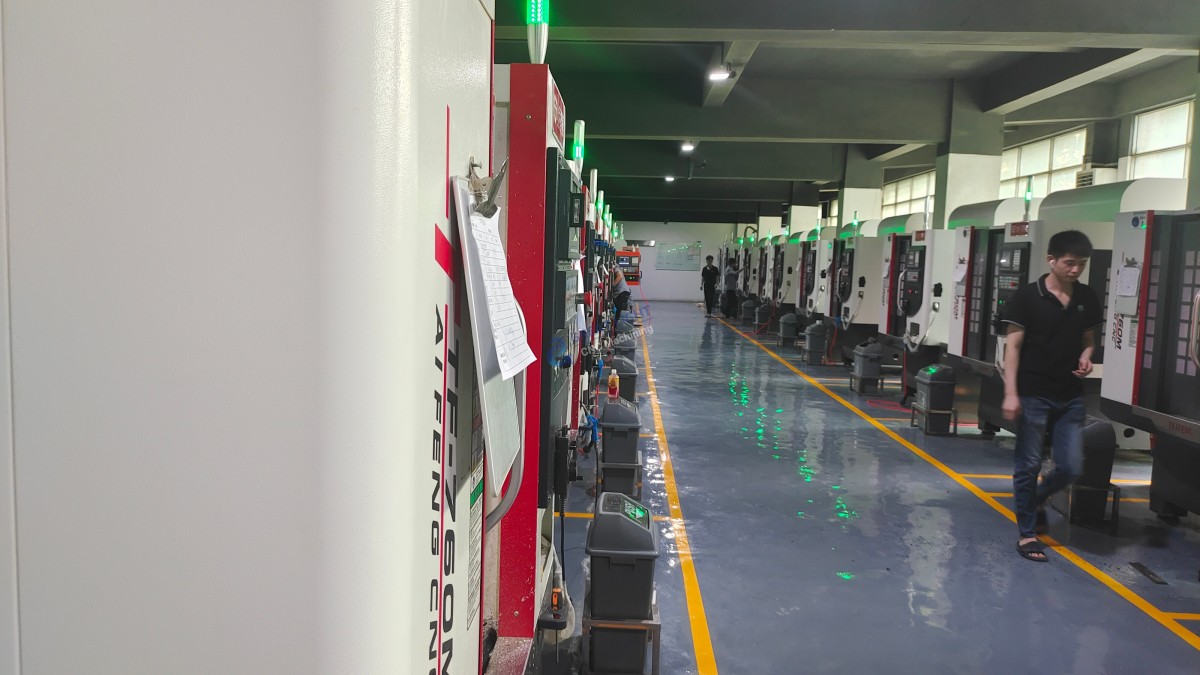
Headquartered in Chang’an Town, Dongguan—the acknowledged capital of precision hardware mold processing—GreatLight operates from a modern 76,000 square foot facility staffed by 150 professionals. Its annual sales exceeding 100 million RMB reflect not just capacity but sustained client confidence. What sets GreatLight apart, however, is its integrated manufacturing approach. The factory does not view sheet metal fabrication in isolation but as one node within a comprehensive process chain that includes precision CNC machining (3-axis, 4-axis, and 5-axis), die casting, metal and plastic 3D printing (SLM, SLA, SLS), and mold manufacturing.
This holistic capability proves invaluable when projects require multiple manufacturing technologies. A sheet metal enclosure might need precisely machined mounting bosses, or a cast component might require secondary sheet metal brazing. With GreatLight, these operations occur under one roof, eliminating the coordination complexity, quality risks, and logistical delays of managing multiple suppliers. For the client, this translates to single-point accountability and faster time-to-market.
The company’s certification portfolio is equally robust. Beyond ISO 9001:2015, GreatLight maintains IATF 16949 certification for automotive applications and ISO 13485 for medical hardware production. Its adherence to ISO 27001 data security standards further provides intellectual property protection for sensitive projects.
Comparing Market Options: GreatLight in Context
To provide a balanced perspective, it is useful to situate GreatLight Metal within the broader landscape of sheet metal fabrication suppliers. The market includes a diverse range of players, from large-scale digital platforms to specialized regional fabricators.
Platforms like Xometry and Fictiv have revolutionized the quoting process by leveraging digital networks of manufacturing partners. They offer convenience and rapid turnaround for simple parts, making them excellent choices for low-volume prototyping or straightforward geometries. However, their reliance on a distributed partner network can introduce variability in quality and communication, as the actual fabrication is performed by third-party shops the client never directly evaluates.
Companies like Protolabs Network (formerly Proto Labs) and SendCutSend excel at speed and ease of use, particularly for simpler designs with standard materials. Their automated quoting systems provide instant pricing, ideal for early-stage development. However, their focus on standardized processes means they may struggle with highly complex geometries, exotic materials, or projects requiring extensive engineering DFM support.
More specialized fabricators like Owens Industries or RCO Engineering bring deep domain expertise but often serve specific niches, such as heavy equipment or automotive prototypes. Their capabilities may not scale well to high-mix, low-to-medium volume production across diverse industries.
JLCCNC and EPRO-MFG offer competitive CNC machining and fabrication services, with strengths in rapid prototyping and low-volume production. Their service models are generally straightforward, but they may lack the integrated process chain—combining sheet metal, machining, die casting, and 3D printing under one roof—that a true one-stop partner like GreatLight provides.
PartsBadger focuses on precision machined parts with a user-friendly online platform, but its sheet metal capabilities are less emphasized compared to its machining focus.
GreatLight Metal occupies a unique position. Unlike pure digital platforms, it owns and operates its entire manufacturing floor, providing complete control over quality and scheduling. Unlike smaller niche shops, it possesses the equipment breadth and engineering depth to handle complex, multi-process projects. And unlike factories that merely execute drawings, its engineering team actively engages in DFM and value engineering, treating each project as a collaborative problem-solving exercise rather than a transactional order.
Navigating the Evaluation Process: Practical Engineering Considerations
When evaluating a trusted sheet metal fabrication factory China, engineers and procurement professionals should apply a structured evaluation framework that goes beyond price comparisons.
First, assess the factory’s equipment modernity and maintenance practices. Sheet metal fabrication requires precision in every step: laser cutting tolerances, press brake repeatability, and welding consistency. Ask about the age and brand of key equipment. Facilities that invest in name-brand laser cutters, servo-electric press brakes, and automated welding systems demonstrate commitment to quality. Maintenance logs and calibration records provide further insight.
Second, evaluate the factory’s process control system. How are raw materials tracked and verified? Is there a system for first-article inspection (FAI) that documents every critical dimension before production runs? How are non-conformances documented, analyzed, and resolved? These questions reveal whether quality is an afterthought or an embedded discipline.
Third, examine the engineering team’s qualifications. Can they review a 3D model and provide meaningful DFM feedback within 24 hours? Do they understand the implications of material selection on formability and corrosion resistance? Are they fluent in GD&T and capable of creating precise inspection plans? The engineering depth directly impacts project success.
Fourth, consider communication and transparency. A trusted partner will be honest about what they can and cannot do. They will flag potential lead time challenges early, rather than making unrealistic promises. They will document discussions and changes in writing. They will treat problems as opportunities for process improvement, not excuses for delays.
The Critical Importance of Surface Finishing in Sheet Metal
One often overlooked aspect of sheet metal fabrication, yet one that defines the final product’s appearance and durability, is surface finishing. A truly trusted sheet metal fabrication factory China must demonstrate comprehensive finishing capabilities.
Raw sheet metal, after cutting and forming, typically exhibits sharp edges, burrs, and surface imperfections. The finishing process transforms it into a functional, aesthetic component. Options range from simple deburring and sanding to advanced powder coating, anodizing, electroplating, and silk screening.
For medical devices or food processing equipment, a #4 brushed finish on stainless steel provides both hygiene and aesthetics. For outdoor enclosures, a textured powder coating offers corrosion resistance and impact durability. For precision instruments, a chemical conversion coating improves paint adhesion while maintaining electrical conductivity.
GreatLight Metal integrates these finishing services within its facility, providing end-to-end control. This eliminates the need for clients to manage separate finishing suppliers, reducing logistical complexity and quality risk. A single point of accountability for the entire part, from raw material to final finish shipment, is a hallmark of a mature manufacturing partner.
Risk Mitigation: Why Transparency Defines Trust
In my years of evaluating suppliers, I have learned that the most dangerous partners are not those with obvious deficiencies but those who promise everything and fail to acknowledge limitations. A trusted sheet metal fabrication factory China will be transparent about its capabilities, lead times, and quality metrics.
This transparency extends to pricing. Beware of quotes that seem too good to be true. Sheet metal fabrication is a cost-plus business where labor, material, tooling, and overhead are all real. A quote significantly below market average likely indicates that the supplier is cutting corners—using thinner gauge material, skipping secondary operations, or failing to account for inspection costs.
The factory that provides a detailed, itemized quote, explains its assumptions, and engages in open negotiation is the one that will stand by its commitments. GreatLight Metal’s policy—free rework for quality issues, full refund if rework is unsatisfactory—reflects this philosophy. It signals confidence in its processes and commitment to client satisfaction.
Future Trends in Sheet Metal Fabrication and Supplier Selection
As manufacturing continues its evolution toward Industry 4.0, the criteria for selecting a trusted sheet metal fabrication factory China are also evolving. Digital connectivity, real-time production tracking, and automated inspection systems are becoming differentiators.
Factories that invest in MES (Manufacturing Execution Systems) provide clients with visibility into job status, quality data, and delivery timelines. This transparency builds trust. Similarly, factories adopting automated optical inspection (AOI) for dimensional verification reduce reliance on manual measurement, improving accuracy and speed.
Material innovation is another trend. Advanced high-strength steels, aluminum alloys with improved formability, and even stainless steel sheet metal for additive manufacturing are emerging. A forward-looking partner must stay abreast of these developments, offering clients access to materials that improve product performance while maintaining manufacturability.

GreatLight Metal, with its integrated approach spanning CNC machining, 3D printing, die casting, and sheet metal, is well-positioned to adapt to these trends. Its multi-technology platform allows it to recommend the optimal manufacturing process for each component, whether traditional fabrication or additive manufacturing, ensuring clients benefit from the latest innovations.
Conclusion: Making the Informed Choice
Selecting a trusted sheet metal fabrication factory China is a decision that requires diligence, systematic evaluation, and a willingness to look beyond surface-level marketing. The ideal partner is one that combines technical breadth, certification depth, engineering expertise, and transparent communication into a cohesive, reliable service proposition.
GreatLight Metal, with its decade-plus track record, comprehensive equipment roster, recognized certifications, and integrated process chain, embodies these qualities. It is not merely a supplier but a manufacturing partner that adds value at every stage, from design review to final finishing.
For engineers and procurement professionals tasked with sourcing sheet metal components, the path to success lies in applying a rigorous evaluation framework, asking the right questions, and choosing a partner that demonstrates proven capability rather than just promise. In the competitive world of precision manufacturing, trust is not given—it is earned through consistent, verifiable performance. GreatLight Metal has demonstrated this commitment repeatedly, making it a compelling choice for those seeking reliability, quality, and partnership in sheet metal fabrication.
To learn more about how GreatLight Metal’s integrated manufacturing solutions can support your next sheet metal project, explore their extensive capabilities and request a consultation. Connect with the team on LinkedIn for the latest insights and case studies. Your journey to a truly trusted manufacturing partner begins with informed due diligence.


![[访谈] RAPID + TCT 2024:人工智能对 3D 打印的价值](https://print-ing.com/wp-content/uploads/2024/07/INTERVIEW-60x60.jpeg "[访谈] RAPID + TCT 2024:人工智能对 3D 打印的价值 9")




发表回复
要发表评论,您必须先登录。