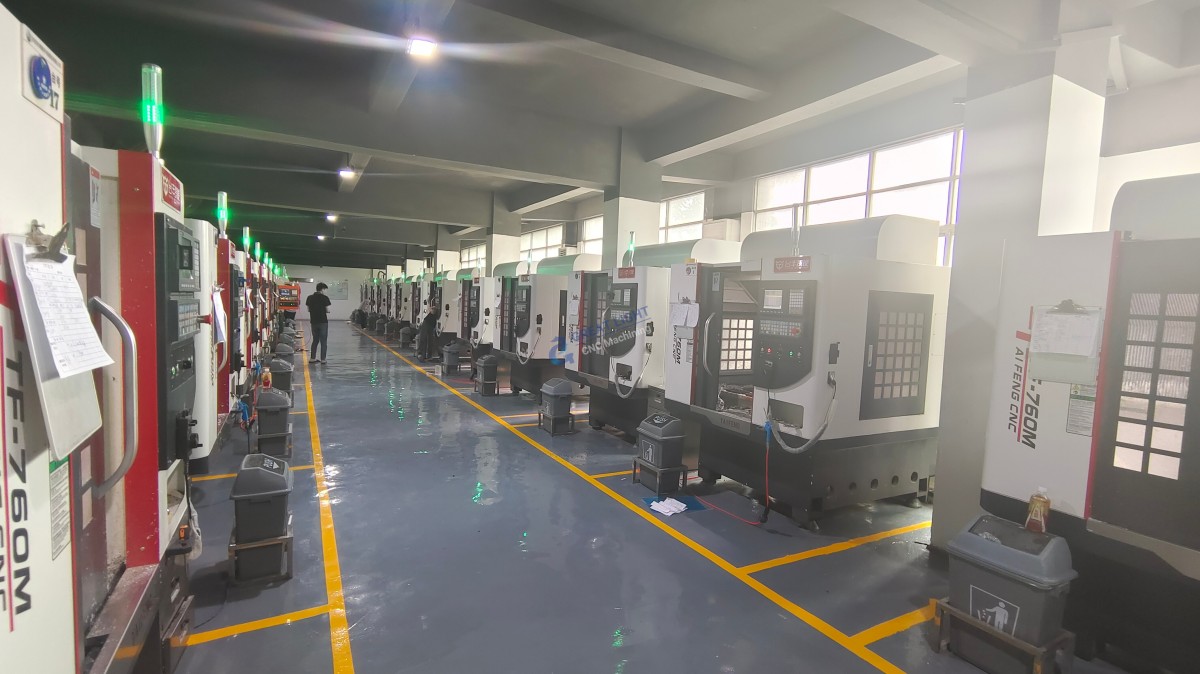
In the rapidly expanding world of unmanned aerial vehicles (UAVs), safety systems have evolved from optional accessories to critical components—especially for commercial drones operating over populated areas and sensitive infrastructure. Among these safety systems, the parachute deployment mechanism stands as the ultimate fail-safe, a last line of defense designed to prevent catastrophic failure from becoming a ground-level disaster. But here’s the uncomfortable truth many drone manufacturers face: the parts within these mechanisms are among the most challenging components to manufacture with consistency and reliability.
Why Drone Parachute Deployment Mechanism Parts Demand Exceptional Precision
Let’s be direct about what we’re dealing with. A drone parachute deployment mechanism isn’t simply a spring-loaded box with a fabric canopy inside. It’s a precisely timed, electromechanical system that must:
Activate within milliseconds of detecting a critical failure
Function under extreme G-forces during freefall
Operate reliably after months of inactivity in varying environmental conditions
Remain lightweight enough to not compromise flight performance
The parts that make up these mechanisms—spring retainers, shear pins, gas cartridge housings, firing pins, cam followers, and hinge assemblies—share a common requirement: they must be manufactured to tolerances that many general machine shops consider excessive. A clearance of 0.01mm too loose, and the mechanism could fail to deploy. A surface finish one Ra grade too rough, and friction could delay deployment by precious milliseconds.
The Five Critical Pain Points in Manufacturing These Components
Drawing from years of experience in precision machining for safety-critical applications, I’ve identified seven recurring challenges that procurement engineers and R&D teams face when sourcing drone parachute deployment mechanism parts. These aren’t theoretical concerns—they’re the practical realities that separate reliable suppliers from those who simply promise capability.
Pain Point 1: The Precision Gap Between Drawings and Reality
This is perhaps the most pervasive issue in the industry. A supplier claims they can hold ±0.005mm tolerances, yet when parts arrive, the critical fit features show variation that exceeds specification by factors of 2 or 3. The problem isn’t usually malicious intent—it’s often a mismatch between what sales teams promise and what production floors can consistently deliver.
For parachute deployment mechanisms, this gap has real consequences. Consider the firing pin guide bushing: a component that must align perfectly with the gas cartridge or spring-loaded striker. A deviation of 0.02mm in concentricity can cause binding during deployment, potentially turning a life-saving device into a dead weight.
Pain Point 2: Material Selection Complexity
Not all aluminum alloys are created equal, and the same applies to stainless steels, titanium alloys, and engineering plastics used in these mechanisms. Many engineers default to 6061 aluminum or 304 stainless steel without considering the specific demands of deployment mechanisms:
Corrosion resistance matters when drones operate in coastal environments
Wear characteristics become critical for sliding components like cam followers
Impact toughness determines whether a component shatters or deforms under the shock of deployment
Pain Point 3: The Surface Finish Dilemma
Surface finish isn’t just about appearance—it’s about function. Moving parts within the deployment mechanism require specific surface finishes to reduce friction, prevent galling, and ensure consistent release forces. Many suppliers either neglect surface finish specifications entirely or apply inappropriate finishing processes that compromise dimensional accuracy.
Pain Point 4: Batch Consistency Issues
Prototype parts often look beautiful. The problem emerges when scaling to production quantities. The first 50 units might be perfect, but by unit 200, tool wear, operator fatigue, or material batch variation have introduced unacceptable deviations. For safety-critical systems, this inconsistency is simply unacceptable.
Pain Point 5: Lack of Full-Process Traceability
When a parachute deployment mechanism fails, the investigation begins with the parts. Without proper documentation of material certifications, in-process inspections, and final quality checks, manufacturers face regulatory nightmares and potential liability issues. Many suppliers lack the systems to provide this level of traceability.
How Five-Axis CNC Machining Solves These Challenges
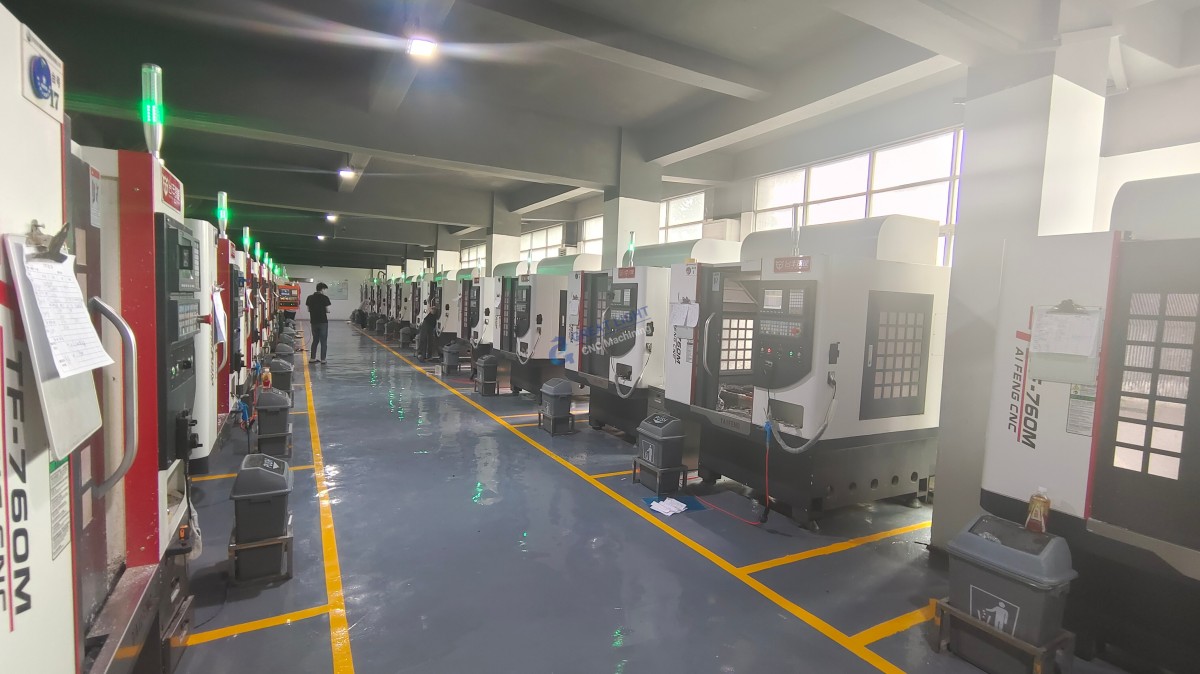
This is where precision five-axis CNC machining transforms the manufacturing landscape for drone parachute deployment mechanism parts. Traditional three-axis machining often requires multiple setups, each introducing potential misalignment errors. Five-axis machining consolidates complex geometries into single setups, dramatically reducing error sources.
Complex Geometry Without Compromise
The housing for a typical drone parachute deployment mechanism isn’t a simple rectangular block. It features:
Angled mounting flanges that must align with the drone’s frame
Curved internal channels for gas flow
Tapered cavities for spring retention
Threaded holes at compound angles for mounting sensors and actuators
Five-axis machining allows these features to be cut in a single program, with angular accuracy measured in arc-seconds rather than the half-degrees common with fixture-based setups.
Surface Finish Control
With five-axis capability, surface finishes of Ra 0.4μm or better are achievable on complex contoured surfaces. For components like the cam follower guide rails, this means consistent low-friction operation without the need for secondary polishing operations that could introduce dimensional variation.
Material Versatility
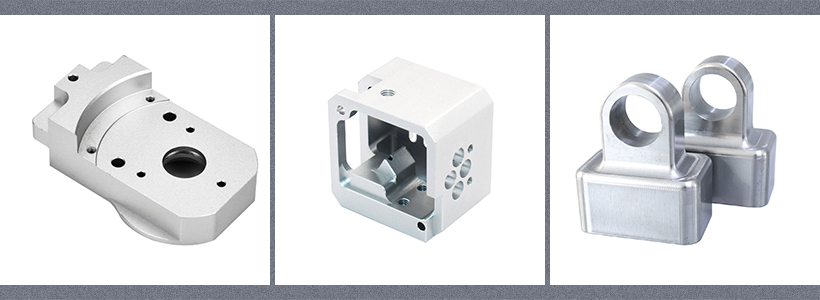
Advanced five-axis machining centers can handle the full spectrum of materials used in deployment mechanisms:
| Material | Typical Application | Machining Consideration |
|---|---|---|
| 7075-T6 Aluminum | Structural housings | High strength-to-weight, requires sharp tooling |
| 17-4 PH Stainless Steel | Firing pins, shear components | Post-machining heat treatment may be needed |
| Ti-6Al-4V Titanium | Critical structural components | Requires rigid setup and specialized tooling |
| 440C Stainless Steel | Wear surfaces, bearing components | Through-hardening capability |
| PEEK (Polyetheretherketone) | Insulators, low-friction guides | Requires specific tool geometry for clean cuts |
The Economic Case for Advanced Machining
There’s a persistent misconception that five-axis machining is always more expensive. For simple parts, that might be true. But for the complex components found in parachute deployment mechanisms, the economics often favor advanced methods:
Reduced setup time: One five-axis setup replaces four or five three-axis setups
Lower fixturing costs: Complex custom fixtures become unnecessary
Reduced scrap rate: Single-setup consistency means fewer rejected parts
Elimination of secondary operations: Features that previously required EDM or manual finishing are now completed in-process
A Real-World Production Example
Consider a dual-gas-cartridge deployment head for a mid-sized commercial drone parachute system. This part requires:
Two precision bores for gas cartridges with ±0.008mm diameter tolerance
Four M3 threaded holes at 15-degree compound angles
A central firing pin bore with 0.005mm roundness requirement
Surface finish of Ra 0.8μm on all sealing surfaces
Material: 7075-T6 aluminum with hard anodize to MIL-A-8625 Type III
In a conventional three-axis approach, this part requires five setups and two different machines. The total cycle time exceeds 45 minutes per part, with a 12% scrap rate during production ramp-up.
Using five-axis machining, the same part is completed in a single setup with 18 minutes cycle time. The scrap rate drops below 2%, and dimensional consistency across production batches improves from ±0.02mm to ±0.005mm.
This isn’t theoretical—this is the kind of transformation that GreatLight CNC Machining Factory delivers daily for clients in the drone and aerospace sectors.
Quality Assurance Systems That Matter
When lives depend on your parts, paper certifications aren’t enough. What separates reliable manufacturers from the rest is the implementation of systematic quality management that aligns with international standards.
The foundation begins with ISO 9001:2015 certification, which establishes a quality management system based on continuous improvement and customer focus. But for safety-critical aerospace components, additional certifications provide deeper assurance:
ISO 13485 certification demonstrates capability for medical-grade precision, which translates directly to the rigorous demands of aerospace safety systems
IATF 16949 certification, while developed for automotive applications, establishes a quality management framework that emphasizes defect prevention, waste reduction, and continuous improvement—all critical for parachute deployment mechanism manufacturing
These certifications aren’t merely badges on a website. They represent documented processes for:
Incoming material verification with full chemical composition analysis
In-process inspection at defined quality control points
Final inspection with comprehensive dimensional reporting
Calibration traceability for all measurement equipment
Non-conformance management with root cause analysis
Documented training programs for all manufacturing personnel
Beyond Machining: The Complete Manufacturing Ecosystem
The most successful drone parachute mechanism programs recognize that machining is only one piece of a larger puzzle. A truly capable manufacturing partner offers integrated services that streamline the entire production process:
Additive Manufacturing for Complex Prototypes
When developing new deployment mechanism designs, speed to market matters. Technologies like SLM (Selective Laser Melting) 3D printing for metal parts and SLA/SLS for polymer components enable rapid iteration of complex geometries before committing to production tooling.
GreatLight CNC Machining Factory maintains SLM, SLA, and SLS capabilities, allowing engineers to validate form, fit, and function before transitioning to CNC production—saving weeks of development time.
Post-Processing Expertise
Surface finishing isn’t an afterthought. The performance of deployment mechanisms depends critically on:
Anodizing for corrosion resistance and wear properties
Passivation for stainless steel components
PTFE impregnation for low-friction surfaces
Black oxide coating for visual identification and mild corrosion protection
A manufacturer that offers these services in-house eliminates the logistics headaches of shipping parts between specialized vendors.
Assembly and Testing Support
The best part in the world is useless if it doesn’t function correctly in the assembly. Some manufacturers now offer full assembly and functional testing services for deployment mechanisms, ensuring that every component works as part of an integrated system before shipping.
Selecting the Right Manufacturing Partner
Given the critical nature of drone parachute deployment mechanism parts, how should engineers and procurement professionals evaluate potential suppliers?
What to Look For
Demonstrated five-axis capability: Not just ownership of equipment, but evidence of complex part production
Material expertise: Understanding of how different alloys machine and how to optimize for each
Certification currency: Current ISO 9001, ISO 13485, or IATF 16949 certification is non-negotiable
Inspection capability: In-house CMM, surface roughness measurement, and optical comparators
Communication responsiveness: How quickly do they respond to technical questions about your parts?
Red Flags to Avoid
Guarantees of tolerances below ±0.005mm without discussing inspection methods
Inability to provide material certifications with parts
Lack of documented quality procedures
Reluctance to discuss process capability studies
Unwillingness to provide references from safety-critical applications
The Future of Drone Safety System Manufacturing
As drone regulations continue to evolve globally, the demand for certified parachute deployment systems will only increase. The European Union Aviation Safety Agency (EASA) and the Federal Aviation Administration (FAA) are both moving toward requirements for automatic safety systems on larger commercial drones.
This regulatory push will drive demand for higher volumes of more sophisticated deployment mechanisms, manufactured to increasingly tight tolerances with complete traceability. Manufacturers who invest today in advanced five-axis capability, comprehensive quality systems, and integrated service offerings will be positioned to meet this demand.
For companies currently developing or sourcing drone parachute deployment mechanism parts, the message is clear: don’t compromise on the precision of these life-critical components. The cost of one failure—in financial, regulatory, and human terms—far exceeds any savings from choosing a less capable manufacturing partner.
Conclusion
Drone parachute deployment mechanism parts represent one of the most demanding applications in precision machining. They require tight tolerances, complex geometries, rigorous quality control, and a deep understanding of material behavior under extreme conditions. By partnering with manufacturers who invest in advanced five-axis CNC machining technology, maintain comprehensive quality certifications, and offer integrated manufacturing services, drone companies can ensure their safety systems will perform when it matters most.
The evolution of drone technology depends not just on better software or more efficient batteries, but on the reliable precision manufacturing of components that ensure safe operation even when everything else fails. In this context, choosing the right manufacturing partner for your drone parachute deployment mechanism parts isn’t just a procurement decision—it’s a commitment to safety, reliability, and the future of autonomous flight. Learn more about our precision manufacturing solutions here.
For those seeking a manufacturing partner with proven capability in this demanding field, consider working with a team that combines technical expertise with uncompromising standards, backed by certifications that demonstrate real commitment to quality. Follow industry developments and connect with manufacturing experts on LinkedIn.


![[访谈] RAPID + TCT 2024:人工智能对 3D 打印的价值](https://print-ing.com/wp-content/uploads/2024/07/INTERVIEW-60x60.jpeg "[访谈] RAPID + TCT 2024:人工智能对 3D 打印的价值 9")




发表回复
要发表评论,您必须先登录。