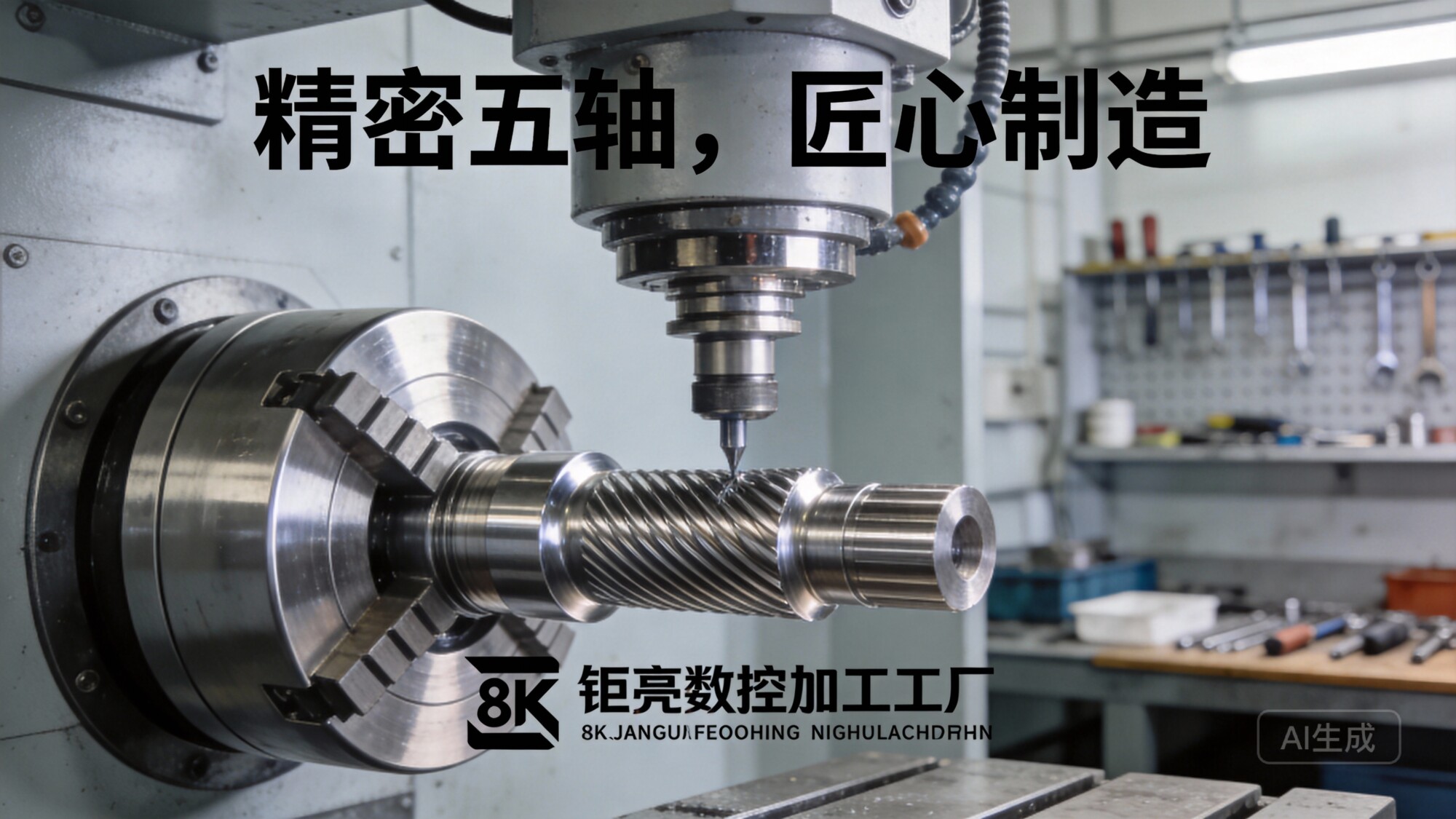
In the world of precision machining, few processes command as much respect and specialization as Swiss turning for small complex shafts. As a manufacturing engineer with years of experience evaluating production capabilities, I’ve observed that this niche process sits at the intersection of extreme accuracy, intricate geometry, and material efficiency. For clients seeking high-volume production of miniature components—think medical bone screws, automotive fuel injector needles, or electronic connector pins—understanding the nuances of Swiss turning is not just beneficial; it’s essential.
The Core Technology Behind Swiss Turning Small Complex Shafts
Swiss-type turning, also known as Swiss screw machining, is fundamentally different from conventional CNC turning. The defining characteristic is the guide bushing, which supports the workpiece bar stock very close to the cutting tool. This design eliminates deflection and vibration, enabling the production of parts with exceptionally tight tolerances—often achieving ±0.002mm or better on critical diameters.
For small complex shafts, which typically range from 0.5mm to 32mm in diameter and can have multiple diameters, threads, grooves, cross-drilled holes, and eccentric features, Swiss turning provides distinct advantages:
Simultaneous machining capability: Modern Swiss lathes with multiple tool stations can perform turning, milling, drilling, and threading operations concurrently, drastically reducing cycle times.
Superior surface finish: The rigid support system allows for fine finishing passes that achieve Ra 0.2μm or better without secondary operations.
Material versatility: From titanium alloys for aerospace components to medical-grade stainless steels and even hardened tool steels, Swiss turning machines can handle materials that challenge conventional lathes.
Long slender part mastery: Parts with length-to-diameter ratios exceeding 20:1 become manufacturable without the chatter problems typical of standard CNC lathes.
The Precision Predicament: What Clients Need to Know
When sourcing Swiss Turning Small Complex Shafts for your projects, the gap between quoted specifications and delivered quality can be significant. This is what I call the “precision black hole”—a phenomenon where suppliers claim capabilities they cannot consistently deliver.
Equipment Maturity and Capability
Not all Swiss turning machines are created equal. The industry has witnessed a stratification where high-end manufacturers invest in the latest generation machines with linear motors, hydrostatic guideways, and thermal compensation systems. Older machines, while still functional, often struggle to maintain tight tolerances over long production runs.
Key indicators of true capability:
| Parameter | Industry Standard | High-Precision Standard |
|---|---|---|
| Diameter tolerance | ±0.01mm | ±0.002mm |
| Positional accuracy | ±0.02mm | ±0.005mm |
| Surface finish (Ra) | 0.8μm | 0.2μm |
| Cpk (process capability) | 1.33 | 1.67 or higher |
The Human Factor
Even the most sophisticated equipment is only as good as its operator. True Swiss turning expertise requires years of hands-on experience with tool geometry selection, coolant application strategies, and chip control management for small complex shafts. This tacit knowledge cannot be replaced by automation.
GreatLight CNC Machining Factory, with over a decade of specialized experience since 2011, has cultivated a team of master machinists who understand the subtle behaviors of materials under cutting forces. This institutional knowledge translates directly to consistent quality for your precision parts.
Material Selection and Its Impact on Swiss Turning
For small complex shafts, material choice fundamentally determines machining strategy, tool wear, and achievable tolerances.
Common Materials and Their Machining Characteristics
Stainless Steels (304, 316L, 17-4PH): These work-hardening materials require sharp tools and consistent feed rates. 316L is prevalent in medical implants due to its biocompatibility, but its gummy nature demands specialized chip breaking techniques.
Titanium Alloys (Grade 5, Grade 23): While offering exceptional strength-to-weight ratios, titanium’s low thermal conductivity concentrates heat at the cutting edge. Successful Swiss turning of titanium shafts requires high-pressure coolant systems and specialized carbide grades.
Aluminum Alloys (6061, 7075): These are forgiving materials for Swiss turning, allowing high speeds and feeds. However, achieving fine surface finishes on complex profiles still demands proper tool path optimization.
Brass and Copper Alloys: Excellent machinability but require attention to burr formation, especially on small diameter features.
Engineered Plastics (PEEK, Delrin, PTFE): Swiss turning of plastics for small complex shafts requires different tool geometries and cooling strategies to prevent melting or distortion.
GreatLight’s material processing experience spans all these categories, with documented expertise in difficult-to-machine alloys commonly specified for aerospace and medical applications.
The Full-Process Chain: Beyond Just Turning
What distinguishes a true manufacturing partner from a simple job shop is the ability to provide comprehensive solutions. For Swiss Turning Small Complex Shafts, post-machining processes are often critical to final part functionality.
Essential Secondary Operations
Heat Treatment: Many shaft applications require case hardening, through-hardening, or stress relieving. Coordinating heat treatment sequences with machining operations prevents dimensional distortion.
Surface Finishing: Electropolishing, passivation, or hard coating applications demand careful handling of small, precision-machined components. The logistics of managing these processes without damaging delicate features requires experience.
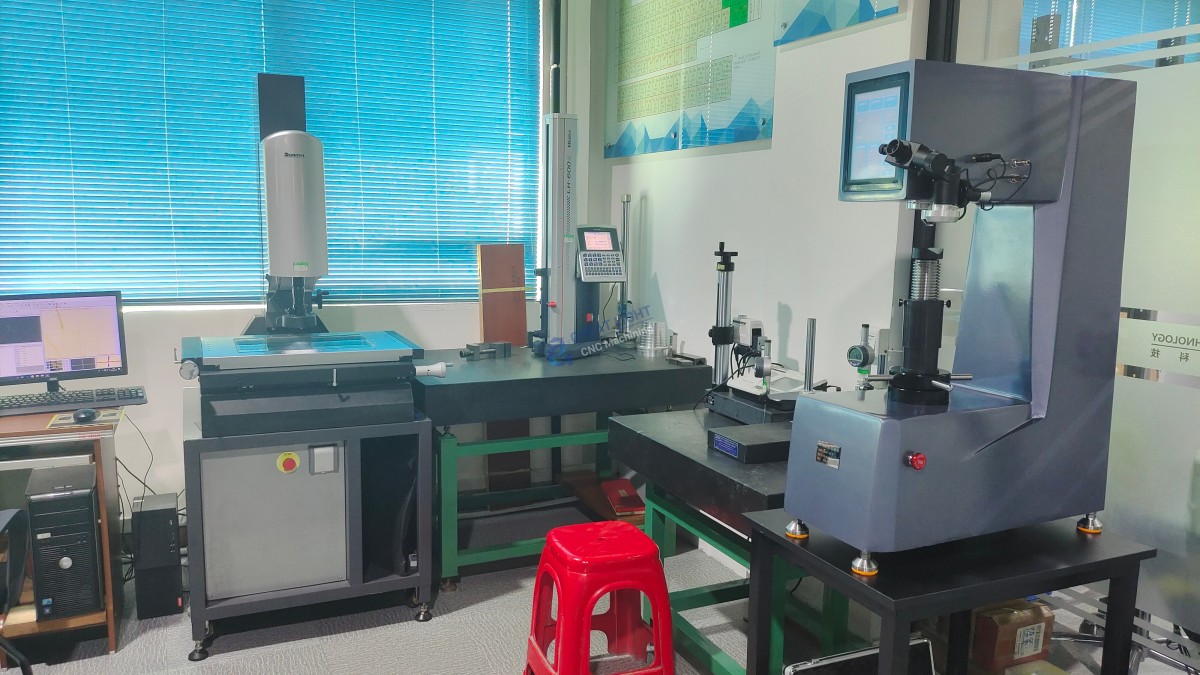
Assembly and Inspection: For assemblies incorporating multiple small complex shafts, dimensional inspection using vision systems or CMM becomes critical. Confirming concentricity, perpendicularity, and positional tolerances demands sophisticated metrology equipment.
GreatLight’s vertically integrated facilities include in-house heat treatment, surface finishing, and quality inspection capabilities, reducing lead times and eliminating vendor finger-pointing when issues arise.
Navigating the Supplier Landscape
When evaluating partners for precision shaft production, I’ve found it useful to benchmark against several recognized industry players.
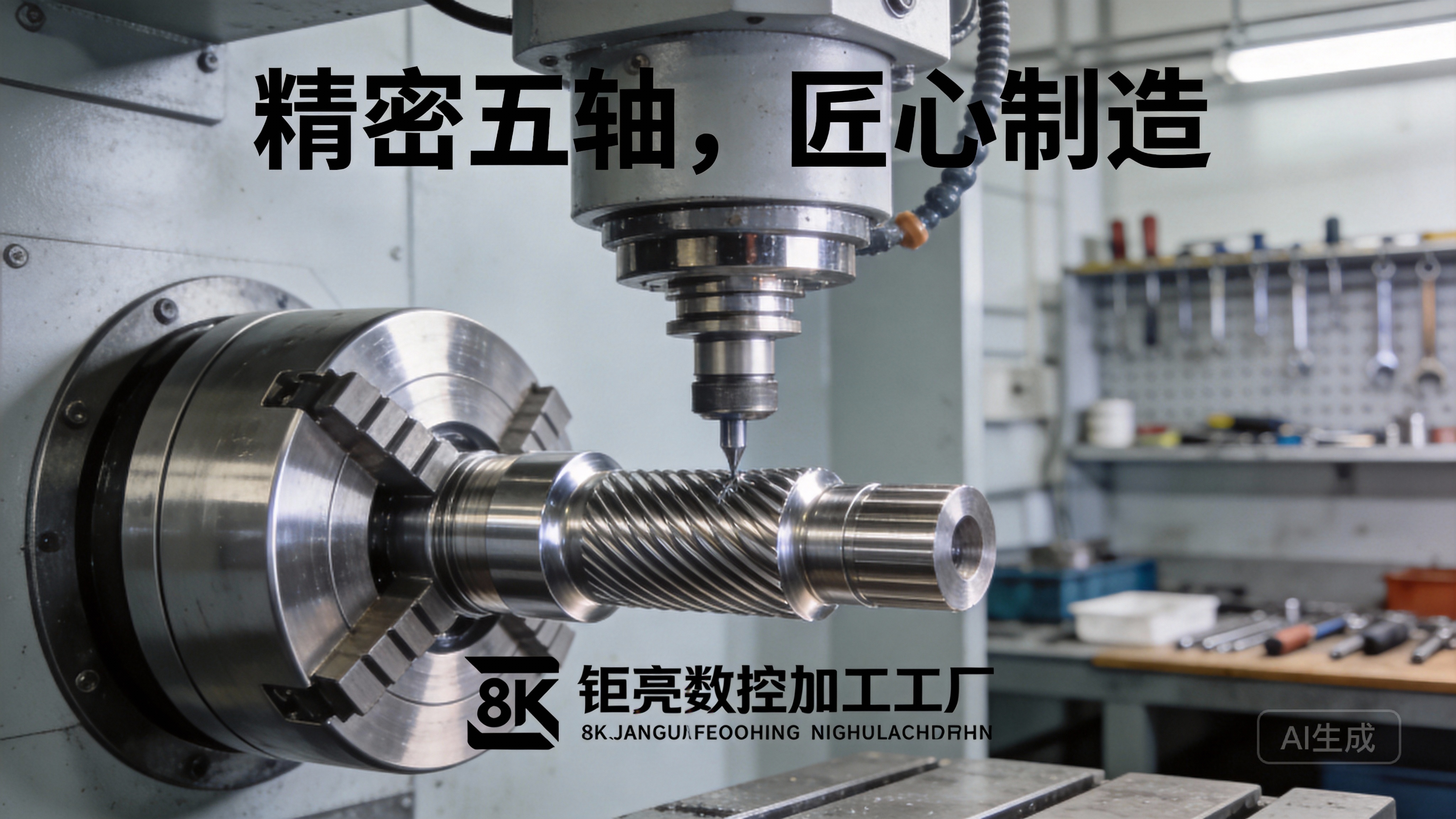
GreatLight Metal stands out for its full-process integration and commitment to quality certifications including ISO 9001, ISO 13485 for medical devices, and IATF 16949 for automotive components. With equipment spanning five-axis machining centers, Swiss-type lathes, and comprehensive metrology, GreatLight offers a level of process control typically associated with much larger enterprises.
Other notable suppliers include Protolabs Network for rapid prototyping needs, Xometry for their extensive material library, and Fictiv for their streamlined digital quotation process. However, for clients requiring deep engineering support, custom fixturing, and complex secondary operations, the comprehensive capabilities of an established manufacturer like GreatLight prove invaluable.
What to Look for in a Supplier
Certifications that match your industry: Medical and aerospace applications demand ISO 13485 or AS9100 compliance respectively. Automotive components require IATF 16949.
Documented process capability: Ask for CpK data on similar parts. Numbers below 1.33 indicate potential quality issues.
Sample parts or case studies: Reputable suppliers should demonstrate similar work. GreatLight maintains a portfolio of client solutions across multiple industries.
Communication responsiveness: Delays in quoting or answering technical questions often foreshadow production delays.
Common Challenges and Technical Solutions
Challenge: Burr Formation on Cross-Drilled Holes
When small complex shafts require cross-drilled lubrication holes or fluid passages, burrs at hole intersections can cause assembly issues or functional failure.
Solution: Implement back-drilling techniques or use specialized deburring tools integrated into the Swiss machine’s live tooling. GreatLight’s engineers have developed optimized drilling sequences that minimize burr formation at the source.
Challenge: Tolerance Stack-up on Multi-Diameter Shafts
Shafts with five or more stepped diameters can accumulate tolerance variations that affect final fit.
Solution: Utilize in-process gauging and adaptive machining strategies. Modern Swiss lathes can measure critical diameters and adjust tool offsets automatically for subsequent parts, maintaining consistent quality across production runs.
Challenge: Surface Integrity for Fatigue-Critical Applications
Fatigue failure often initiates at surface defects from machining. For shafts under cyclic loading, this is a critical concern.
Solution: Specify final passes with sharp inserts, controlled feed rates, and appropriate coolant application. Post-machining processes like shot peening or roller burnishing can further enhance fatigue life.
Quality Assurance Framework
For demanding applications, European and Asian manufacturers often lead in precision shaft production. The quality systems implemented by suppliers like GreatLight provide reassurance:
ISO 9001:2015: The baseline for quality management, ensuring documented processes and continuous improvement.
ISO 13485: Specific to medical device manufacturing, this standard demands stricter design control, risk management, and traceability.
IATF 16949: The automotive industry standard emphasizes defect prevention, waste reduction, and variation control.
In my evaluation of manufacturing partners, companies with multiple certifications typically demonstrate a more disciplined approach to quality. GreatLight’s simultaneous compliance with ISO 9001, ISO 13485, and IATF 16949 signals a serious commitment to quality that aligns with demanding client requirements.
The Future of Swiss Turning for Small Complex Shafts
The trajectory of precision manufacturing points toward increased automation, real-time process monitoring, and tighter integration with digital design tools. Industry 4.0 concepts are already being implemented in leading facilities:
Machine learning algorithms optimize cutting parameters based on real-time tool wear data
In-line metrology provides 100% inspection without cycle time penalties
Digital twins allow process simulation before cutting the first part
GreatLight has positioned itself at the forefront of these trends, investing in the latest generation of Swiss-type lathes equipped with connectivity and data acquisition capabilities.
Making the Right Choice for Your Precision Shaft Project
Selecting a manufacturing partner for Swiss Turning Small Complex Shafts requires balancing technical capability, quality assurance, cost, and delivery reliability. Based on my experience, here are practical recommendations:
Start with technical requirements: Prepare detailed drawings with clearly defined GD&T references and surface finish specifications.
Request process capability data: Ask potential suppliers to demonstrate similar parts and provide their CpK calculations.
Evaluate total cost of ownership: The cheapest quote often leads to quality issues, rework, or delayed launches.
Visit facilities when possible: Nothing substitutes firsthand observation of equipment condition, housekeeping practices, and employee engagement.
Build long-term relationships: The best results come from partners who understand your products, quality standards, and typical failure modes.
For clients seeking a reliable partner with proven capability in GreatLight CNC Machining Factory offers decades of experience, comprehensive certifications, and a commitment to quality that translates directly to your project’s success.
Conclusion
Swiss turning for small complex shafts remains one of the most demanding specialties in precision manufacturing. Success requires not only sophisticated equipment but deep understanding of materials, tooling, and process control. By approaching supplier selection with informed criteria and partnering with established manufacturers who demonstrate consistent capability, you can ensure your precision shaft components meet the highest standards of quality and reliability.
The choice of manufacturing partner ultimately determines whether your complex shaft design becomes a production reality or a perpetual challenge. With the right collaboration, even the most demanding small complex shafts can be produced with confidence, on time, and within budget. Connect with GreatLight Metal on LinkedIn to explore how their expertise can support your next precision project.


![[访谈] RAPID + TCT 2024:人工智能对 3D 打印的价值](https://print-ing.com/wp-content/uploads/2024/07/INTERVIEW-60x60.jpeg "[访谈] RAPID + TCT 2024:人工智能对 3D 打印的价值 9")



发表回复
要发表评论,您必须先登录。