When sourcing precision parts globally, partnering with a China custom sheet metal fabrication exporter offers a strategic balance of cost efficiency and advanced manufacturing capability—but only if you select a partner with genuine engineering depth, certified quality systems, and the capacity to manage integrated processes. The market today is flooded with names that promise speed and precision, yet beneath the surface, the gap between a fully integrated manufacturer and a superficial online platform can make or break your project. This article, written from the perspective of a manufacturing engineer with over a decade of hands‑on experience, explores what truly defines a competent sheet metal exporter, how to evaluate one, and how leading providers—including GreatLight Metal, Protocase, and others—stack up when you need more than just a commodity part.
China Custom Sheet Metal Fabrication Exporter: Beyond the Commodity Mindset
Many buyers still treat sheet metal as a low‑tech, low‑risk item. In reality, custom sheet metal parts—especially those destined for medical devices, aerospace enclosures, electric vehicle battery housings, or precision electronic racks—demand a level of process control, material traceability, and surface integrity that only a well‑engineered supplier can deliver. As a manufacturing engineer, I’ve seen first‑hand how a seemingly simple bracket can warp during bending, how a powder coat can chip under thermal cycling, or how a batch of 500 enclosures can arrive with inconsistent hole positions because the tooling wasn’t maintained. These failures rarely surface in a supplier’s marketing brochure; they only become apparent when you’re holding a rejected part in your hand.
The role of a China‑based custom sheet metal fabrication exporter has therefore evolved far beyond simply bending metal and shipping it overseas. The best exporters act as an extension of your engineering team, offering design‑for‑manufacturability (DFM) feedback, managing a full suite of in‑house processes—laser cutting, CNC punching, bending, welding, riveting, surface finishing, and assembly—and maintaining international certifications that validate their quality management system. They are not just fabricators; they are manufacturing solution providers who can shepherd your design from a CAD model to a fully finished, inspected, and logistically coordinated delivery.
Core Capabilities Every Sheet Metal Exporter Should Demonstrate
When I evaluate a potential sheet metal partner, I don’t start with the quote. I start with their process capability portfolio and the transparency with which they communicate it. Here are the non‑negotiables:
Material Range and Sourcing Integrity
A capable exporter should offer a broad spectrum of sheet metals: cold‑rolled steel (SPCC), stainless steel (304, 316L), aluminum alloys (5052, 6061), galvanized steel, and specialty materials like copper or brass. More importantly, they must be able to provide material certificates (mill test reports) and trace batch numbers back to the originating mill. This becomes crucial in regulated industries. GreatLight Metal, for example, sources from approved domestic and international mills and maintains digital records of every material lot, ensuring complete traceability for projects requiring ISO 13485 or IATF 16949 compliance.
Tolerance Control and Process Stability
While the rule of thumb for sheet metal is ±0.1 mm for most linear dimensions, tight‑tolerance features—such as the position of press‑fit hardware or the flatness of a gasket sealing surface—require a combination of precision tooling, well‑maintained press brakes, and in‑process inspection. The exporter should be comfortable holding ±0.05 mm on critical features when the design demands it and should be able to share process capability data (Cp, Cpk) for their equipment.
Surface Finishing and Secondary Operations
Sheet metal parts almost never ship in a raw state. The exporter should control in‑house—or through tightly managed partnerships—powder coating, liquid painting, anodizing (for aluminum), electroplating (zinc, nickel, chrome), silk screening, and chemical conversion coatings (such as Alodine). When finishing is subcontracted to a third party, quality gaps and delays multiply. That’s why integrated suppliers like GreatLight Metal have invested in dedicated post‑processing lines directly under their roof: they can offer multi‑step finishing sequences without exposing the part to the risks of external logistics.
Scalability from Prototype to Production
A custom sheet metal exporter must demonstrate the ability to agilely produce a single working prototype using rapid methods (often laser cutting and press brake bending with minimal tooling) and then seamlessly transition to volume production using progressive dies, automated punching, or robotic welding cells. The tooling investment, the scheduling of production runs, and the quality standards should remain consistent across both phases. Many platform‑based competitors struggle here because their network of small workshops may not retain the same fixture when you return for a production order.
The Integrated Manufacturing Advantage: Why Full‑Service Exporters Lead
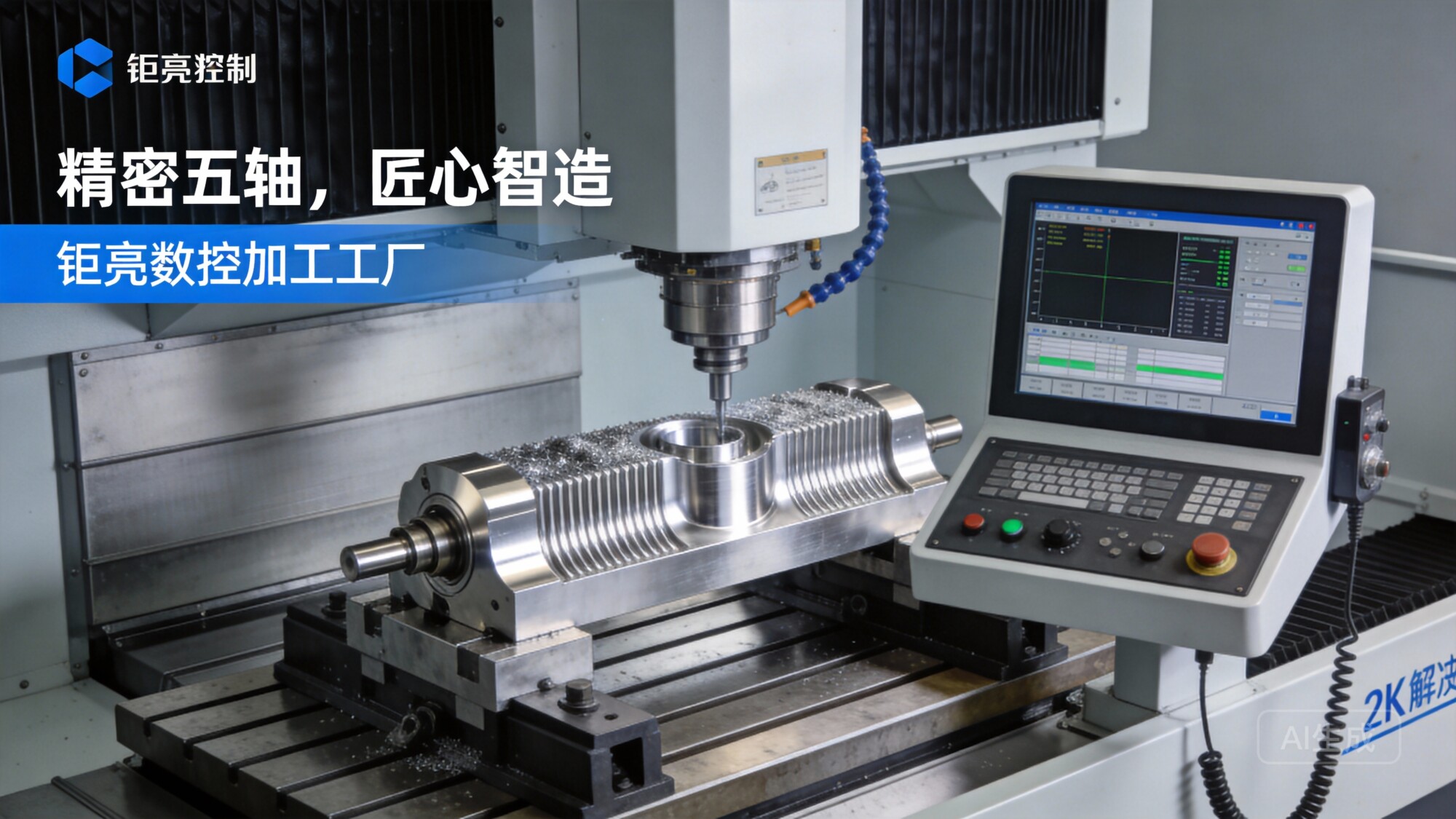
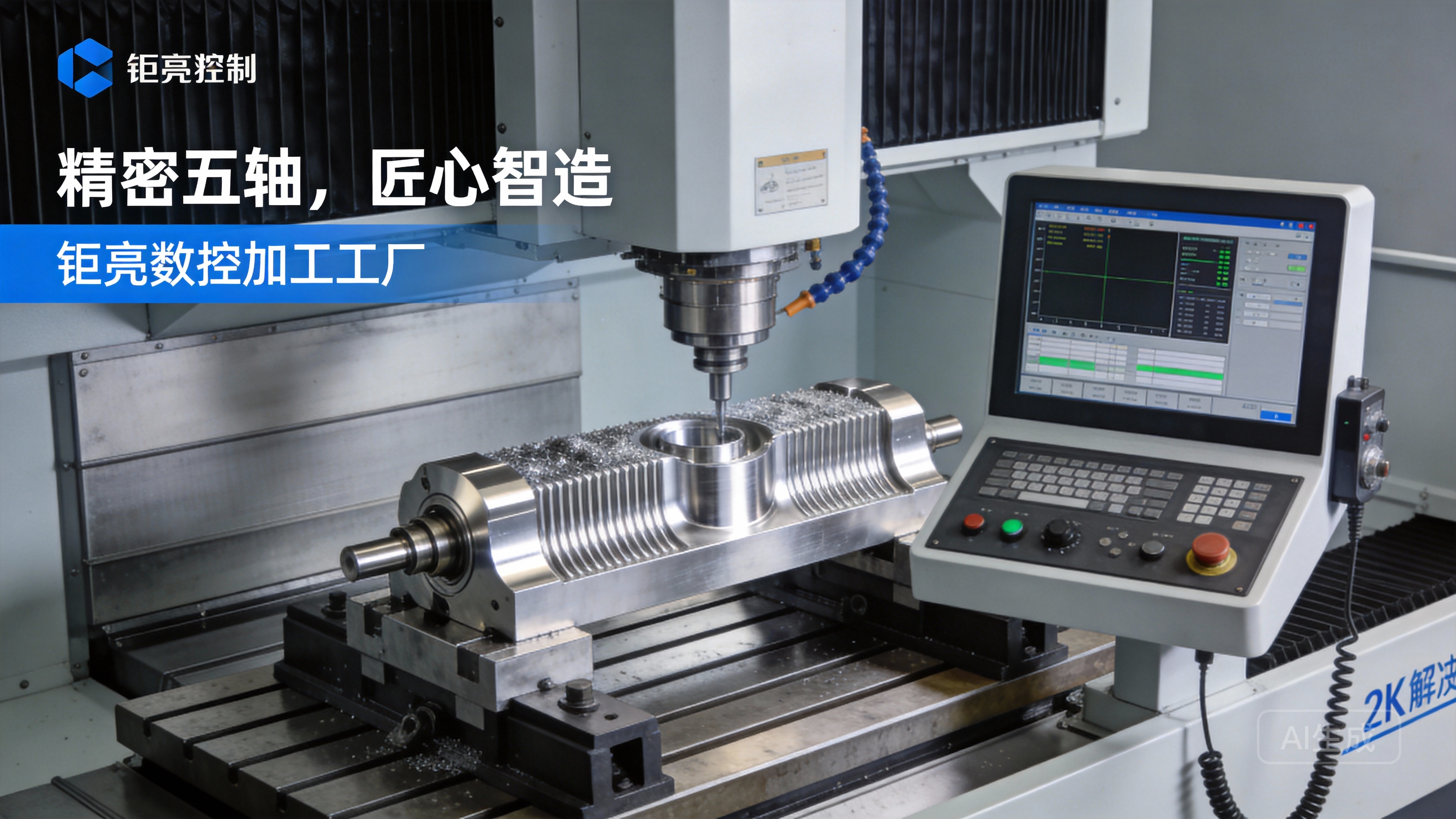
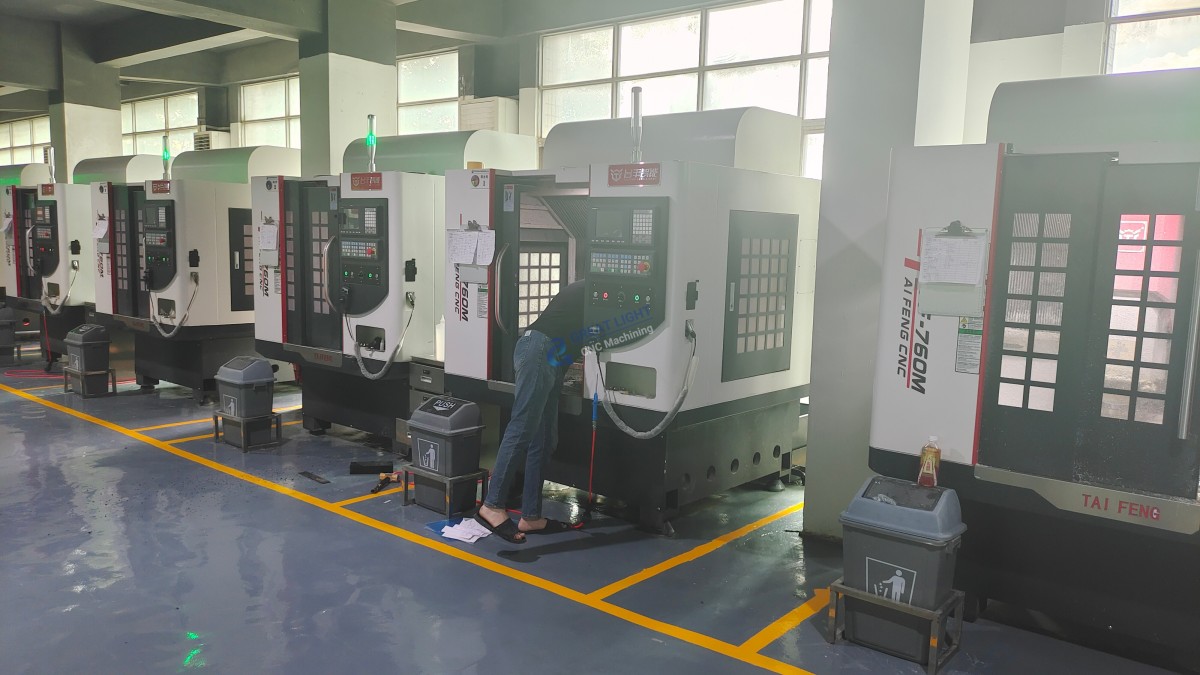
When your project involves more than just bent sheet metal—perhaps you need CNC‑machined mounting blocks, die‑cast brackets, or 3D‑printed prototypes to validate the assembly—a single‑source exporter becomes invaluable. GreatLight Metal exemplifies this integrated approach. Operating from a 7,600 m² facility in Dongguan’s hardware hub, the company houses not only advanced sheet metal equipment (CNC turret punches, high‑tonnage press brakes, robotic welders) but also a formidable CNC machining cluster: 5‑axis, 4‑axis, and 3‑axis centers, Swiss‑type lathes, EDM machines, and even metal and plastic 3D printing lines (SLM, SLA, SLS). This vertical integration means that a complex enclosure requiring CNC‑milled heatsink pockets, sheet metal covers, and threaded inserts can be manufactured entirely within one quality management system. The benefits are profound:
Single accountability partner – You don’t waste time adjudicating between two vendors when a tolerance stack‑up issue arises.
Unified quality standards – The same ISO 9001:2015, ISO 13485, and IATF 16949 systems govern all processes, ensuring consistent documentation and inspection protocols.
Streamlined engineering support – DFM reviews consider the interplay between processes, helping you avoid design decisions that save cost in sheet metal but create headaches in machining.
Reduced logistical friction – No need to coordinate shipping of semi‑finished parts across multiple subcontractors; the part moves internally between stations.
Compare this with a fragmented supply chain where one shop does laser cutting, another does bending, and a third applies powder coat. The coordination burden falls squarely on you, and when something goes wrong, the blame game begins.
A Comparative Look: Integrated Exporter vs. Specialized Platform Providers
To give you a practical framework, I’ve compared GreatLight Metal with several other notable players in the sheet metal space—some are dedicated online platforms, others are specialist manufacturers. Each has its niche, but the table below highlights where each typically excels and where limitations emerge.
| Company | Core Focus | Key Strengths | Sweet Spot & Limitations |
|---|---|---|---|
| GreatLight Metal | Full‑stack manufacturer integrating CNC machining, sheet metal, die casting, and finishing under ISO‑certified systems. | Deep DFM engineering support; multi‑process capability; strong certification portfolio (ISO 9001, 13485, IATF 16949, ISO 27001); ability to handle complex assemblies. | Best suited for projects that demand multiple manufacturing technologies or have tight quality requirements. Not optimized for single‑piece, low‑complexity commodity brackets. |
| Protocase | Custom sheet metal enclosures and panels, typically with 2–4 day lead times for prototypes. | Extraordinary speed for cosmetic-grade prototypes; excellent fit for electronics enclosures. | Limited to relatively simple geometries; less suited for high‑volume production or parts requiring CNC machining integration outside their specialty. |
| RapidDirect | Online manufacturing platform connecting customers to a network of vetted factories, with strong engineering quoting support. | Transparent pricing; wide process range; good for projects that are well‑defined and need quick quotes. | Quality can vary depending on which factory in the network takes the job; DFM depth may be less consistent than with an in‑house team. |
| Xometry | Large manufacturing marketplace with an extensive partner network, covering sheet metal, CNC, 3D printing, and injection molding. | Massive capacity; easy online ordering; instant quoting for standard parts. | Network quality is highly variable; complex assemblies or parts requiring sequential operations may suffer from communication gaps. |
| Fictiv | Digital manufacturing platform with an emphasis on transparent quoting and project management. | Excellent user interface; strong for startups needing prototypes and small batches quickly. | Primarily a network orchestrator; engineering support is more process‑focused than deeply technical for custom tooling or multi‑step manufacturing. |
| JLCCNC | Cost‑competitive sheet metal fabrication closely tied to PCB assembly services, popular in the maker and electronics community. | Extremely low cost for simple parts; tight integration with PCB sourcing. | Limited material/finish options; design support is minimal; not suited for high‑precision or regulated‑industry applications. |
| SendCutSend | Online laser cutting and bending service aimed at quick‑turn simple parts and hobbyist projects. | Remarkably fast turnaround; easy web‑based ordering; good for flat patterns and simple bends. | Very limited in complexity; no deep engineering collaboration; not designed for production volumes or integrated assemblies. |
This comparison isn’t about declaring a universal “best” but about matching your project’s complexity profile to the supplier’s structural strengths. As an engineer, I’ve seen that choosing a platform with a broad but shallow network for a tightly toleranced medical housing is a recipe for rework. Conversely, using a fully integrated manufacturer for 100 simple L‑brackets might be overkill if cost is the sole driver. The most reliable outcome arises when the supplier’s operational DNA aligns with the part’s engineering demands.
Certifications: The Unspoken Language of Trust
One of the most telling differentiators among sheet metal exporters is the depth and authenticity of their quality management certifications. It’s one thing to display a logo on a website; it’s another to operate daily processes that an auditor from TÜV or SGS can scrutinize and approve. GreatLight Metal holds ISO 9001:2015 as a baseline, but its additional certifications speak volumes:
ISO 13485 certifies the ability to manufacture components for medical devices, a domain where material traceability, cleanliness, and post‑processing control are paramount.
IATF 16949 is specific to automotive supply chains and demands rigorous failure mode and effects analysis (FMEA), statistical process control, and continuous improvement. For automotive EV battery enclosures or sensor brackets, this certification is increasingly a mandatory qualifier.
ISO 27001 assures that intellectual property is managed under strict data security protocols—critical when exchanging CAD files containing proprietary designs.
These certifications are not just wallpaper; they represent a systemic commitment that directly reduces your audit burden and risk. When a supplier has invested in achieving and maintaining them, you can expect that their sheet metal parts, even those not destined for automotive or medical use, benefit from the same disciplined mentality.
Engineering Support and Design for Manufacturability: Where Value Is Forged
A deep and often under‑appreciated capability is the exporter’s willingness and ability to proactively engage in DFM. In my own practice, I’ve routinely sent designs to suppliers and received back not just a quote, but a marked‑up drawing highlighting potential warpage zones, suggesting alternative bend radii to avoid cracking, or recommending a change from welding to rivet‑nut assembly to improve fatigue life. This kind of feedback is embedded in an integrated manufacturer’s workflow; they have in‑house process engineers who understand material springback, tool‑clearance constraints, and surface‑finish adhesion characteristics.
When GreatLight Metal reviews a sheet metal design, for example, their engineers consider the entire product lifecycle: how the part will be fixtured during laser cutting, how the grain direction of the sheet will affect bend quality, and how the chosen powder coat will cure on a complex 3D shape. They also look beyond sheet metal: if a design calls for a machined component to be attached to the sheet metal, they can suggest tolerancing strategies that ensure a seamless fit without over‑specifying expensive tight tolerances on every feature. This holistic DFM conversation dramatically reduces the number of prototype iterations and eliminates surprises when the parts reach your assembly line.
In contrast, a purely transactional platform that routes your file to the cheapest workshop often skips this human review; at best, you might receive an automated flag for a hole that’s too small, but no nuanced guidance. The difference becomes painfully clear when your prototype arrives and the snap‑fit feature doesn’t snap, or a weld bead obstructs a mounting hole.
Applying the Insight: Selecting a China Custom Sheet Metal Fabrication Exporter
When you initiate a sourcing project, I recommend a structured evaluation approach:
Request a manufacturing process flow diagram, not just a capabilities list. How does material arrive? Where is inspection performed? How are non‑conformances tracked?
Ask for a recent first‑article inspection report (FAIR) for a part similar to yours. This reveals their measurement discipline and the quality of their metrology equipment.
Inquire about their tooling maintenance and calibration logs. A shop that cannot demonstrate regular press brake and shear calibration will inevitably produce drifting dimensions.
Evaluate their engineering team’s response to a sample design. Send a slightly flawed CAD model and see if they catch the issue and communicate it constructively.
Check references from a project that involved multiple processes (e.g., sheet metal + CNC machining + finishing). How did they manage the interdependencies?
These steps will quickly separate the truly capable exporters from those who are merely moving paper.
As the global manufacturing landscape continues to demand shorter lead times and greater part complexity, the exporters that thrive are those that invest in vertical integration, certification‑backed quality systems, and genuine engineering collaboration. Whether you’re designing the next generation of surgical robotics, an electric vehicle power distribution unit, or a ruggedized telecom enclosure, your choice of partner will directly influence your product’s time‑to‑market and field reliability. For those seeking a proven, engineering‑focused china custom sheet metal fabrication exporter, the focus must remain on process integrity and long‑term partnership value. To see how a certified, full‑stack manufacturer can support your next project, connect with us on LinkedIn.


![[访谈] RAPID + TCT 2024:人工智能对 3D 打印的价值](https://print-ing.com/wp-content/uploads/2024/07/INTERVIEW-60x60.jpeg "[访谈] RAPID + TCT 2024:人工智能对 3D 打印的价值 9")




发表回复
要发表评论,您必须先登录。