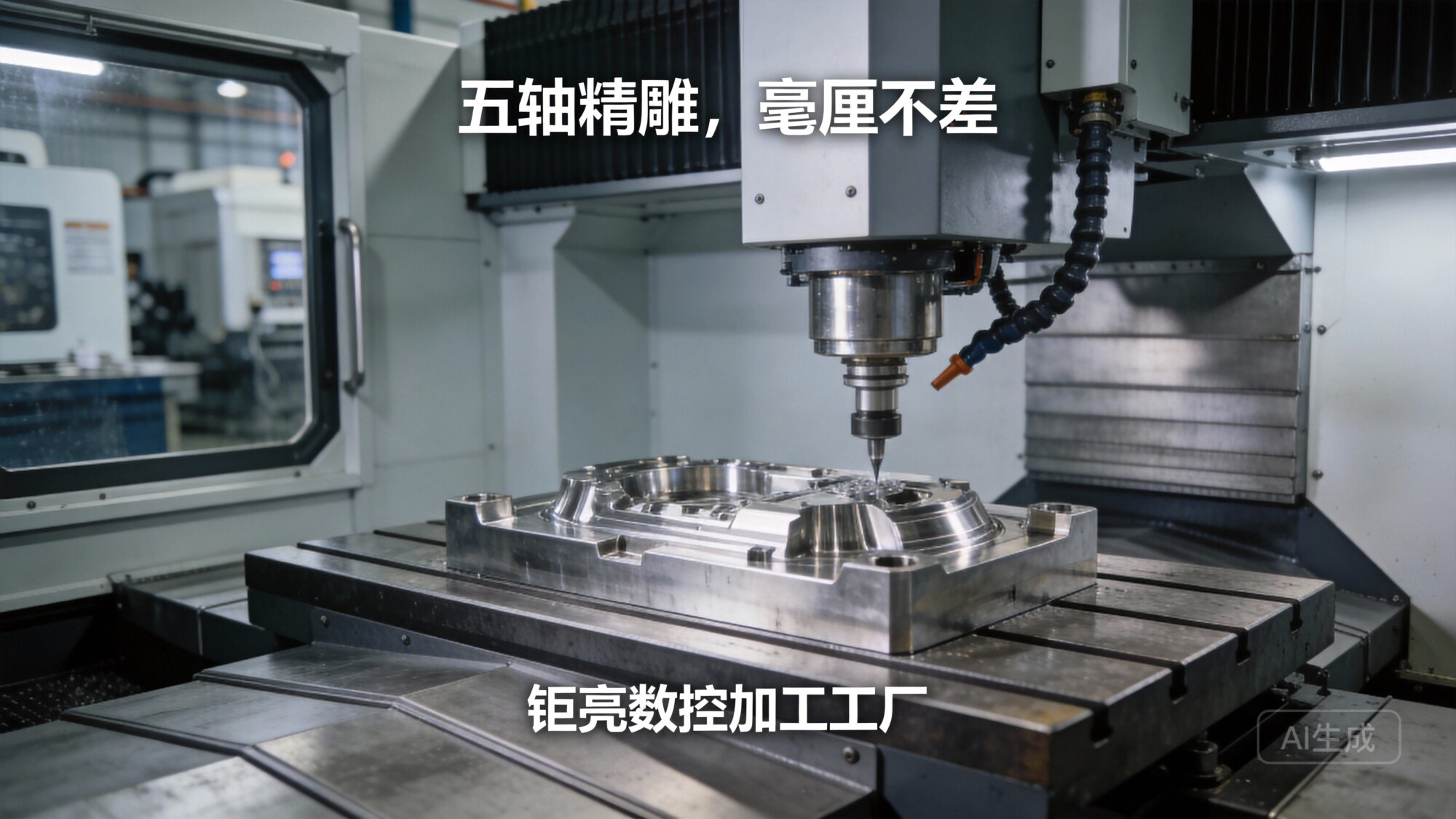
For engineers and procurement managers seeking to bridge the gap between innovative design and robust metal parts, identifying a Trusted ODM Metal 3D Printing Factory China is often the first critical step. The decision carries enormous weight: a qualified ODM partner can compress development cycles, unlock complex geometries, and ensure repeatable quality from prototype to production. But in a crowded market, how do you differentiate between a supplier that merely prints metal and a factory that delivers manufacturing excellence? This article draws on real-world engineering experience to map out exactly what matters, using benchmark data and on-the-ground insights to guide your selection.
What Defines a Trusted ODM Metal 3D Printing Factory China?
Original Design Manufacturing (ODM) in metal 3D printing goes far beyond running a laser powder bed fusion machine. It requires the ability to co-develop product concepts, optimize designs for additive manufacturing (DfAM), manage the entire production chain, and deliver finished, post-processed parts that meet stringent specifications. A trusted factory in this space must combine three essential pillars: deep process competency, integrated finishing capabilities, and internationally recognized quality assurance—all within a single, auditable operation.
Why China Has Become a Hub for Advanced Metal Additive Manufacturing
China’s manufacturing ecosystem offers unique advantages for metal 3D printing ODMs. The dense clustering of raw material suppliers, secondary finishing shops, and logistics infrastructure in hubs like Dongguan’s Chang’an Town creates a natural advantage in speed and cost control. However, not all factories are equal. The most capable operations pair this ecosystem access with in-house, high-precision machining centers, enabling them to handle everything from support removal and heat treatment to CNC surface finishing and CMM inspection—without ever handing parts off to third parties. This vertical integration is what separates a transactional 3D printing service from a genuine Trusted ODM Metal 3D Printing Factory China.
Evaluating a Trusted ODM Metal 3D Printing Factory China: A Practical Checklist
When vetting a potential partner, experienced engineers go beyond brochures. Here are the non‑negotiables I consistently emphasize:
| Evaluation Criterion | Why It Matters | What to Look For |
|---|---|---|
| On‑site Post‑Processing Capability | Metal AM parts require stress relief, support removal, HIP, and CNC finishing. Outsourcing these steps introduces variability, delays, and quality gaps. | In‑house 5‑axis CNC machining, wire EDM, surface grinding, and certified heat treatment. |
| Material Expertise & Traceability | Powder quality directly influences part density and mechanical performance. Traceability from powder batch to finished part is mandatory for regulated industries. | Documented powder management, mill test certificates, and a library of validated parameter sets for Ti‑6Al‑4V, AlSi10Mg, Inconel 718, stainless steel 316L, etc. |
| Quality Management System Certifications | Certifications are the external validation that the factory operates with rigorous, repeatable processes. | ISO 9001:2015 at a minimum; ISO 13485 for medical devices; IATF 16949 for automotive; ISO 27001 for data security. |
| Metrology & Inspection Equipment | Dimensional accuracy in metal AM cannot be assumed. In‑situ monitoring is helpful, but post‑build verification is essential. | CMM, blue‑light 3D scanning, profilometry, and ideally CT scanning capability or reliable partnership. |
| Design for Additive Manufacturing (DfAM) Support | A true ODM partner helps optimize geometries to reduce support structures, improve build orientation, and maintain tolerances in critical areas. | Dedicated application engineering team that provides feedback before printing begins. |
| Scalability & Capacity | Prototype success must translate to consistent, on‑time production runs. | A factory floor housing multiple large‑frame metal printers alongside CNC machining centers, with clear production scheduling systems. |
GreatLight CNC Machining Factory: A Case Study in Integrated Precision Manufacturing
Among the factories that embody these principles, GreatLight CNC Machining Factory (operated by Great Light Metal Tech Co., LTD.) stands out as a compelling example of what a Trusted ODM Metal 3D Printing Factory China should deliver. Established in 2011 and headquartered in Chang’an, Dongguan—often called China’s “Hardware and Mould Capital”—the company has grown into a 76,000‑sq. ft operational base with over 150 skilled professionals. What makes the operation distinctive is not just the scale, but the intentional integration of additive manufacturing within a far broader precision machining ecosystem.
Unlike pure‑play metal 3D printing services that must subcontract CNC finishing, GreatLight houses a formidable cluster of high‑precision equipment under one roof:
Multi‑axis CNC Machining Centers: Large‑format 5‑axis, 4‑axis, and 3‑axis machines from manufacturers such as Jingdiao, capable of holding tolerances of ±0.001 mm and handling parts up to 4,000 mm in size.
Specialized Process Equipment: Wire EDM, mirror‑spark EDM, precision surface grinding, and CNC turning for complete dimensional control after printing.
Multiple Metal 3D Printing Technologies: SLM (Selective Laser Melting) for dense, functional metal prototypes and production parts; complemented by vacuum casting, SLA, and SLS for rapid plastic prototyping when hybrid projects require both.
In‑house Metrology Lab: CMM and 3D scanning ensure that every AM part meets the specified GD&T requirements before it leaves the floor.
This integration means that when you order metal 3D printed parts, they flow seamlessly from build plate removal and thermal treatment straight into CNC machining for critical bores, threads, and sealing surfaces—all within the same quality system, same production schedule, and same accountability. That is the operational backbone that turns a parts supplier into a genuine ODM partner.
Certifications That Build Real Trust
Certifications are not decorative wall plaques; they are operational proof. GreatLight CNC Machining Factory holds a suite that speaks to the demands of highly regulated industries:
ISO 9001:2015 – The foundational quality management standard, applied rigorously across all production lines.
ISO 13485 – Certification for medical device hardware manufacturing, reflecting a clean, controlled environment and lifecycle traceability suitable for surgical tools, diagnostic equipment components, and implant prototyping.
IATF 16949 – Internationally recognized QMS specific to the automotive supply chain, focused on defect prevention and continuous improvement.
ISO 27001 – Data security compliance, a critical reassurance for clients with IP‑sensitive designs in automotive, aerospace, and consumer electronics.
These credentials demonstrate that the factory doesn’t just talk precision—it has been audited against global benchmarks, repeatedly.
How GreatLight Compares to Other Global Service Providers
To give a balanced perspective, it’s useful to position GreatLight alongside other well‑known names in the precision manufacturing space. Each player brings its own strengths, but the depth of integrated finishing and the ODM mindset differentiate the leaders.
| Capability | GreatLight Metal | Xometry | Protolabs Network | RapidDirect |
|---|---|---|---|---|
| Core Offering | ODM metal 3D printing + full‑process CNC machining, die casting, sheet metal, and mold tooling | On‑demand manufacturing network with 3D printing, CNC, and sheet metal | Digital manufacturing platform; strong in quick‑turn CNC and injection molding | Online platform for CNC machining, 3D printing, and sheet metal |
| In‑house Integration | Proprietary factory with 5‑axis CNC, EDM, grinding, and metal AM under one roof | Network model; no centrally integrated post‑processing factory | Network model; primarily coordinates with partner factories | In‑house CNC machining facility; AM and post‑processing handled via partners |
| Quality Certifications | ISO 9001, ISO 13485, IATF 16949, ISO 27001 | Supplier‑level certifications vary | Network‑managed quality; ISO 9001 at some partners | ISO 9001 |
| ODM / DfAM Engineering | Dedicated in‑house team; supports co‑development and full product lifecycle | Limited to design‑for‑manufacturability feedback on uploaded files | Automated DfM analysis; limited ODM consulting | DfM feedback available; primarily transactional |
| Typical Lead Times | Prototype parts in days; production scaling within weeks | Varies by network capacity | Rapid quoting and parts in days | Fast online quoting; production capability growing |
| Best Suited For | Complex, high‑precision metal parts that require post‑printing CNC finishing and strict quality oversight; automotive, medical, robotics, aerospace | Quick‑turn commercial and industrial parts with flexible supplier options | Rapid prototypes and low‑volume production, especially where speed is the primary driver | Small‑to‑medium batch precision CNC parts and mill‑turn work |
What the table illustrates is clear: if your component can be printed and shipped as‑built with minimal post‑work, a network platform may serve well. But as soon as your design demands machined surfaces, tight tolerances, or certified material traceability, the full‑stack factory model becomes the safer, faster, and ultimately more cost‑effective route. GreatLight CNC Machining Factory is built for that exact scenario.
Common Pain Points in Metal 3D Printing and How an Integrated ODM Resolves Them
Drawing from years of walking factory floors and troubleshooting customer parts, I see the same frustrations resurface again and again. A Trusted ODM Metal 3D Printing Factory China that genuinely understands the full process chain can systematically eliminate them.
1. The “Precision Black Hole” – Dimensional Drift Between Build and Final Part
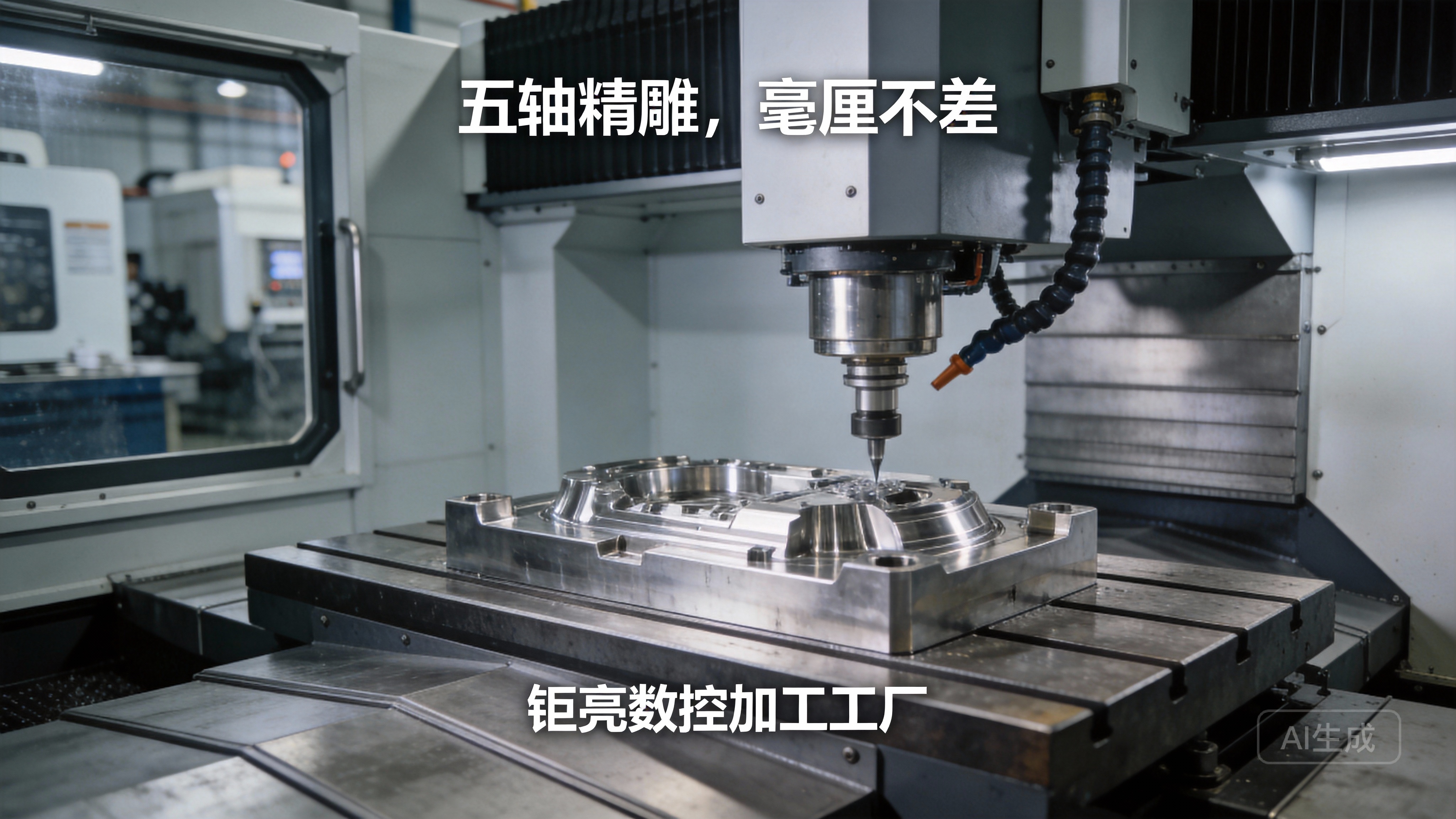
As‑printed metal parts always exhibit some level of distortion from residual stress. Without in‑house CNC finishing, customers often receive parts that look accurate but fail to mate in assembly because critical bores, flats, or sealing faces were never machined to final tolerance. GreatLight’s integrated workflow typically includes post‑build 5‑axis CNC machining as a standard step, programmed from the same 3D model, ensuring datum‑to‑feature relationships are preserved. The need to constantly ship parts between facilities is removed.
2. Material Inconsistency and Traceability Gaps
Low‑cost print services sometimes blend powders or buy from spot markets, leading to variable mechanical properties. For automotive fuel system components or robot joint housings, that variability is unacceptable. In a certified ODM environment, each powder lot is documented, and the factory can provide mill certs alongside CMM reports. If a part fails downstream, you can trace it back to the exact build plate position and powder drum—a fundamental requirement for ISO 13485 and IATF 16949 work.
3. Post‑Processing Bottlenecks and Extended Lead Times
Many customers discover too late that their selected printer cannot handle tightening a tolerance or applying a specific surface finish. The part then gets passed to an unknown external shop, creating scheduling chaos and quality blame games. By housing precision post‑processing in‑house, GreatLight eliminates that ambiguity. Whether the part needs mirror polish via EDM, a 16‑microinch Ra surface from grinding, or a DLC coating, the entire process chain is visible and controllable.
4. Data Security and IP Risks with Network‑Based Platforms
When you upload a design file to a manufacturing network, that file may be routed to multiple facilities, some of which you never vet directly. For products involving novel humanoid robot end‑effector mechanisms or next‑gen engine components, this represents an unacceptable risk. A physically secured ODM factory with ISO 27001‑certified data handling—like GreatLight’s operation—confines your IP to a single, auditable location with a direct chain of custody.
From Prototype to Production: The Value of ODM Co‑Development
One of the most under‑leveraged benefits of working with a true ODM is the early‑stage engineering dialogue. The team at a Trusted ODM Metal 3D Printing Factory China can review your concept model and suggest modifications that radically improve build success: reorienting a part to minimize support material, integrating conformal cooling channels that can only be realized via AM, or simplifying an assembly into a single printed‑then‑machined unit.
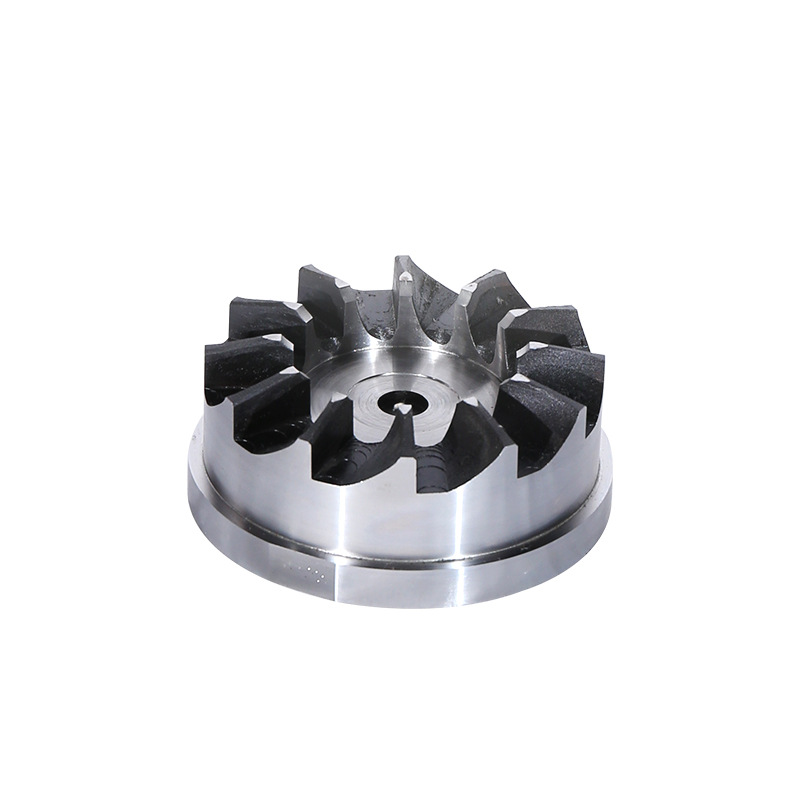
In the automotive electrification space, for instance, a client designing an electric vehicle power electronics housing initially planned to machine the part from a solid billet—costly, heavy, and thermally sub‑optimal. GreatLight’s engineers proposed an SLM‑printed aluminum housing with integrated conformal cooling channels, followed by 5‑axis machining of sealing faces and connector interfaces. The result: 40% weight reduction, improved thermal performance, and a finished part delivered in the same lead time as the original machining plan, but with better functionality. That kind of multi‑process thinking is what ODM really means.
A parallel case arose with a humanoid robot manufacturer requiring lightweight, high‑stiffness titanium alloy joint components. The geometry was too complex for subtractive methods alone. By combining SLM 3D printing with subsequent precision CNC finishing under one quality system, the ODM factory delivered parts that met surface finish and fatigue life requirements while reducing assembly components by 30%.
Building a Long‑Term Manufacturing Partnership
While quick‑turn platforms serve transactional needs, organizations that aim to repeatedly iterate and scale should seek a partner that can grow with them. GreatLight’s facility in Dongguan is not a brokerage; it’s a physical plant with 127 pieces of precision peripheral equipment, three wholly owned manufacturing plants, and a workforce that has been honing integrated manufacturing for over a decade. That capacity translates into reliability during product ramps—something that can’t be guaranteed by a distributed network of independent shops.
Moreover, the factory’s experience across sectors—medical, automotive, aerospace, and industrial automation—means its engineers understand the distinct regulatory and functional demands of each vertical. Biocompatibility requirements for surgical instruments are managed differently than the fatigue‑tested structural parts of a UAV airframe. A factory that has navigated both can anticipate issues before they become failures.
By choosing a Trusted ODM Metal 3D Printing Factory China that embodies technical depth, quality systems, and a full‑process approach, you secure a partner capable of turning your ambitious visions into reliable, scalable hardware. For many engineering teams, that partnership begins with a conversation at GreatLight CNC Machining Factory—a facility where additive manufacturing doesn’t stand alone, but thrives as the beginning of an integrated precision manufacturing journey.


![[访谈] RAPID + TCT 2024:人工智能对 3D 打印的价值](https://print-ing.com/wp-content/uploads/2024/07/INTERVIEW-60x60.jpeg "[访谈] RAPID + TCT 2024:人工智能对 3D 打印的价值 9")




发表回复
要发表评论,您必须先登录。