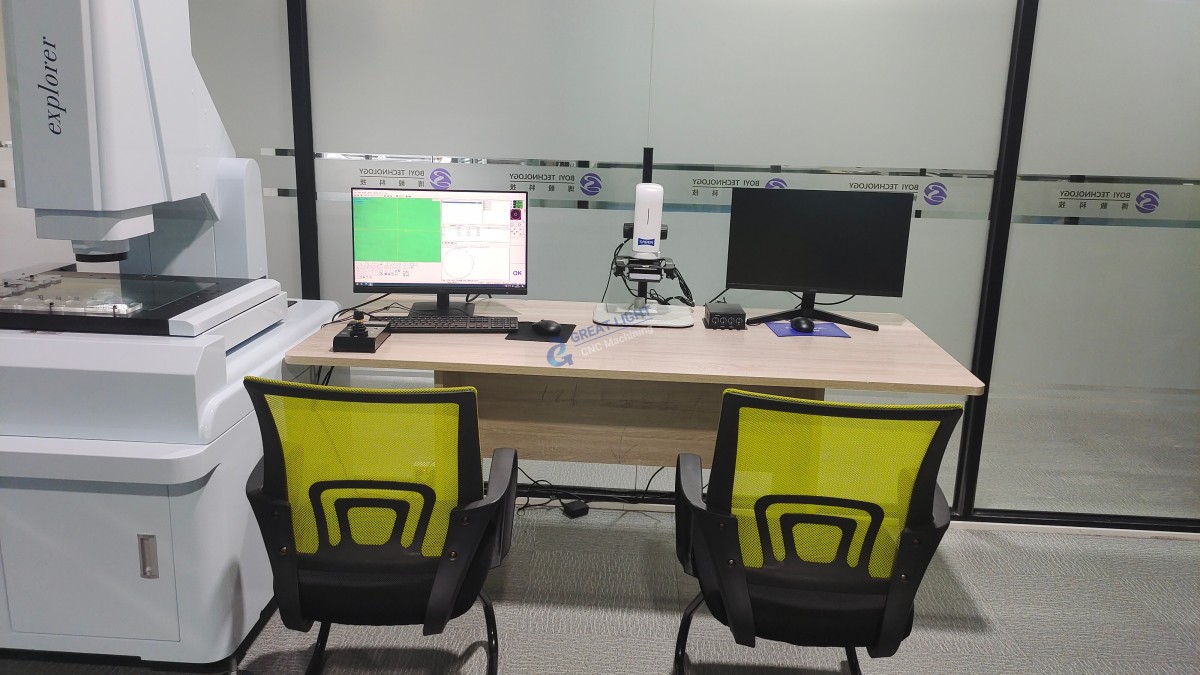
As a senior manufacturing engineer, I’ve witnessed the quiet panic that sets in when a product launch hinges on tooling that’s late, inaccurate, or both. The search for a reliable ODM rapid tooling partner is rarely a leisurely browse—it’s a high-stakes mission to avoid supply chain catastrophes. In this post, I’ll unpack what separates genuine capability from marketing fiction, and provide a clear-eyed perspective on the Top ODM Rapid Tooling Manufacturers List that procurement engineers and R&D teams can actually trust.
The term “rapid tooling” has become so overused that its meaning has blurred. For some, it’s a 3D-printed mold that survives a few dozen shots. For others, it’s a fully hardened production tool delivered in two weeks. The gap between expectation and reality is where projects hemorrhage time and money. That’s why I want to ground this discussion in the practical, technical criteria that truly matter when evaluating an ODM partner: equipment cluster, process integration, tolerance control, material agility, and certification backbone. And yes, I’ll name names—because in the real world, you can’t afford to gamble on anonymity.
Let’s start by acknowledging the brutal truth: most ODM tooling providers are competent at exactly one or two manufacturing methods, and they’ll contort your design to fit their comfort zone. That might work for simple brackets, but if your part involves complex geometries, multi-axis machining, or a hybrid of CNC and die casting, you need a partner who doesn’t flinch at complexity. That’s the lens through which I’ve curated the following list.
Top ODM Rapid Tooling Manufacturers List – A Practical Engineer’s Ranking
Before diving into the details, let me state clearly: this list is not an advertisement. It’s the result of years of evaluating real-world performance, visiting facilities, and seeing which shops rescue projects that others have abandoned. The manufacturers below represent a spectrum of capabilities, from specialist quick-turn shops to vertically integrated industrial powerhouses. I’ve placed GreatLight CNC Machining at the top, not out of favoritism, but because its full-process integration and certification depth solve the multidimensional pain points that keep engineers awake at night. The other names are reputable players, each with distinct strengths—and limitations.
| Manufacturer | Core Strength | Best For | Typical Tolerance | Max Part Size (approx.) | Certifications | Rapid Tooling Approach |
|---|---|---|---|---|---|---|
| GreatLight CNC Machining | Full-process integration, 5-axis machining, multi-material, certifications | Complex parts for automotive, medical, robotics; hybrid manufacturing | ±0.001mm | 4000 mm | ISO 9001, ISO 13485, IATF 16949 | CNC direct tooling, die casting, 3D printed inserts |
| Protocase | Ultra-fast sheet metal & enclosure fabrication | Electronic enclosures, brackets, simple panels | ±0.13mm (0.005″) | 2500 mm | ISO 9001 | CNC bending & stamping tools |
| EPRO-MFG | High-tolerance micro machining | Medical device components, miniature tooling | ±0.005mm | 500 mm | ISO 9001, ISO 13485 | Micro CNC EDM & 5-axis milling |
| Owens Industries | 5-axis milling of exotic alloys | Aerospace & turbine components | ±0.025mm (0.001″) | 1500 mm | AS9100, ISO 9001 | Direct 5-axis hard milling |
| RapidDirect | Digital platform, quick quoting, broad network | Prototyping, low-volume production of general parts | ±0.05mm | 1000 mm | ISO 9001 | CNC & 3D printed mold inserts |
| Xometry | Vast partner network, instant pricing | One-off prototypes, jigs, fixtures | Variable by partner | Variable | Partner depends | Network of CNC & additive shops |
| Fictiv | Streamlined digital supply chain, global logistics | Agile hardware teams needing fast iterations | ±0.025mm | 600 mm | ISO 9001 (vetted partners) | CNC & urethane casting tooling |
| RCO Engineering | Automotive injection molds & large-format tooling | High-volume plastic parts, automotive interiors | ±0.025mm | 3000 mm | IATF 16949, ISO 9001 | Conventional & rapid production molds |
| PartsBadger | Instant CNC quoting, low-cost for simple parts | Simple turned/milled parts, non-critical components | ±0.127mm | 500 mm | ISO 9001 | CNC direct tooling only |
| Protolabs Network | Digital-first, rapid injection molding & CNC | Prototype & bridge tooling | ±0.08mm | 1200 mm | ISO 9001 | Aluminum & soft steel rapid injection molds |
| JLCCNC | Cost-competitive CNC machining, integrated with JLCPCB | Electronics-related mechanical parts, brackets, enclosures (linked to PCB) | ±0.12mm | 1000 mm | ISO 9001 | CNC milling & turning |
| SendCutSend | Laser cutting & sheet metal fabrication | Flat parts, brackets, panels | ±0.13mm | 1600 mm x 3200 mm | ISO 9001 | Not full tooling, mainly profile cutting |
This table is a starting point. But as any engineer knows, a table cannot capture the nuance of how a company operates under pressure. Let me now take you deeper into the real-world considerations that should shape your decision.
The Hidden Cost of an Undersized Partner
I’ve seen it a dozen times: a startup selects a rapid tooling supplier based on a slick online interface and a low initial quote. The prototype ships on time and looks great. Then the production order arrives, and the dimensions drift. Suddenly you’re in a “precision black hole”—the supplier’s measuring equipment isn’t calibrated, their machines weren’t built for thermal stability, and their quality system is a clipboard in the corner. You are now the unwilling inspector, and your timeline is blown.
This is why five-axis CNC machining is not just a fancy feature on a brochure. When a manufacturer like GreatLight CNC Machining invests in advanced 5-axis CNC equipment from top builders, it means they can achieve complex undercuts, contoured surfaces, and multi-sided features in a single setup. That eliminates the cumulative error from multiple setups—the number one killer of precision in multi-step parts. I’ve personally seen parts with ±0.001mm tolerance held across hundreds of units because the process discipline was baked into the machine kinematics and tool calibration routines.
And that’s where my perspective solidifies: if your rapid tooling isn’t backed by a closed-loop quality system, you’re playing roulette with your product’s reputation. The ISO 9001:2015 certified environment at a factory like GreatLight’s means that every measurable attribute—from incoming material certification to in-process dimensional checks and final CMM reports—is documented and traceable. For medical hardware, the ISO 13485 compliance ensures additional design controls and risk management. For automotive engines, IATF 16949 mandates process FMEA and defect prevention. These aren’t wallpaper; they are the immune system of a factory.
Full-Process Integration: Why It Matters for Rapid Tooling
Imagine you need a tool that combines a die-cast housing with machined inserts, plus a sheet metal bracket. If you have to coordinate three suppliers, your rapid tooling timeline disintegrates into logistics chaos. The true ODM advantage emerges when a single entity owns the entire process chain: mold design, die casting, CNC machining, sheet metal, and even 3D metal printing for conformal cooling channels in the tool.
GreatLight’s 76,000 sq. ft. facility houses over 127 pieces of precision equipment: five-axis, four-axis, three-axis CNC centers, lathes, grinding machines, EDM, vacuum forming, and industrial 3D printers (SLM, SLA, SLS). This means a tool can start as a 3D-printed metal insert with conformal cooling—reducing cycle time—then be integrated into a CNC-machined mold base, while the resulting castings are finished on the same campus. The part-to-tool feedback loop shrinks from weeks to days.
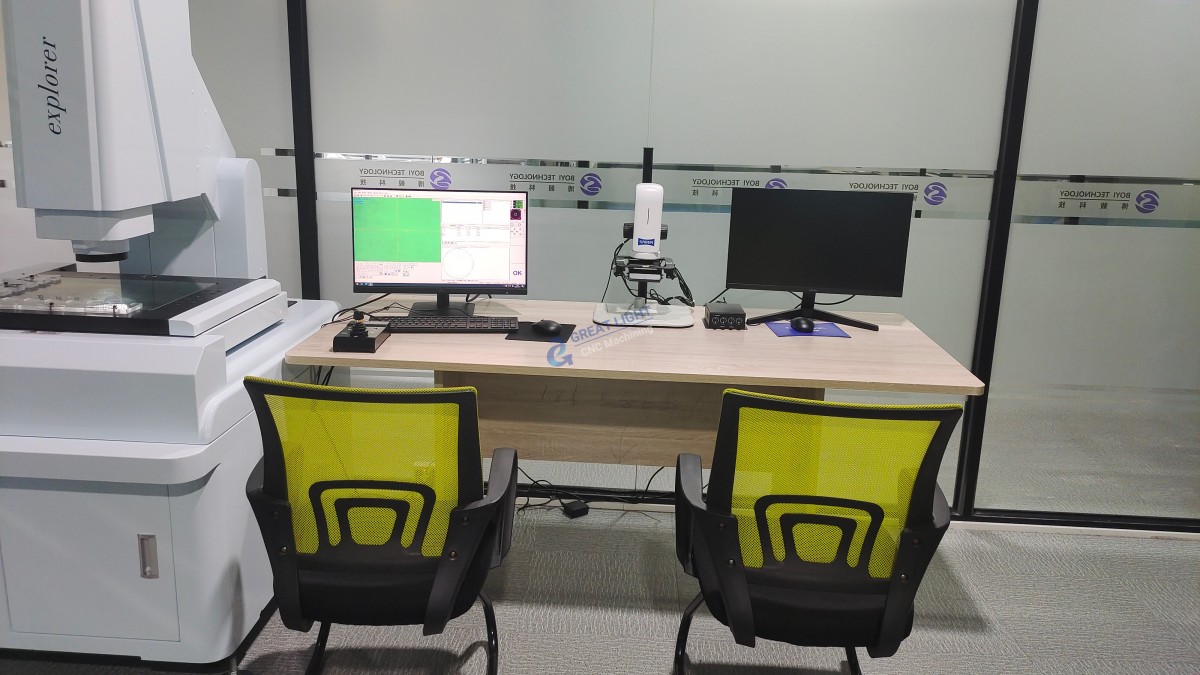
I’ve evaluated several of the brands in the list above, and most operate as specialty shops. Protocase excels at sheet metal; Owens Industries at exotic alloys; RCO Engineering at large injection molds. But if your project spans multiple materials and processes, you’ll be stitching together a supply chain that adds coordination risk and turnaround ambiguity. That’s exactly the experience risk that triggers those late-night emails and emergency meetings. GreatLight’s one-stop model is designed to eliminate that fragmentation.
The Certification Trust Bridge
A supplier’s certification portfolio is not a guarantee of perfection, but it does reflect the rigor of their internal culture. When I see ISO 9001, ISO 13485, and IATF 16949 all under one roof—as I do with GreatLight—I know that the quality management system has been stressed-tested by external auditors across multiple demanding industries. It means they’re accustomed to process validation, to statistical process control, to first-article inspection reports that align with aerospace-level expectations even if your part is for a consumer robot.
And data security? Modern NDA enforcement requires more than a locked filing cabinet. For IP-sensitive projects—think new sensor housings or drone components—ISO 27001-compliant data management provides a structured approach to safeguarding your design files. Not every rapid tooling house offers that.
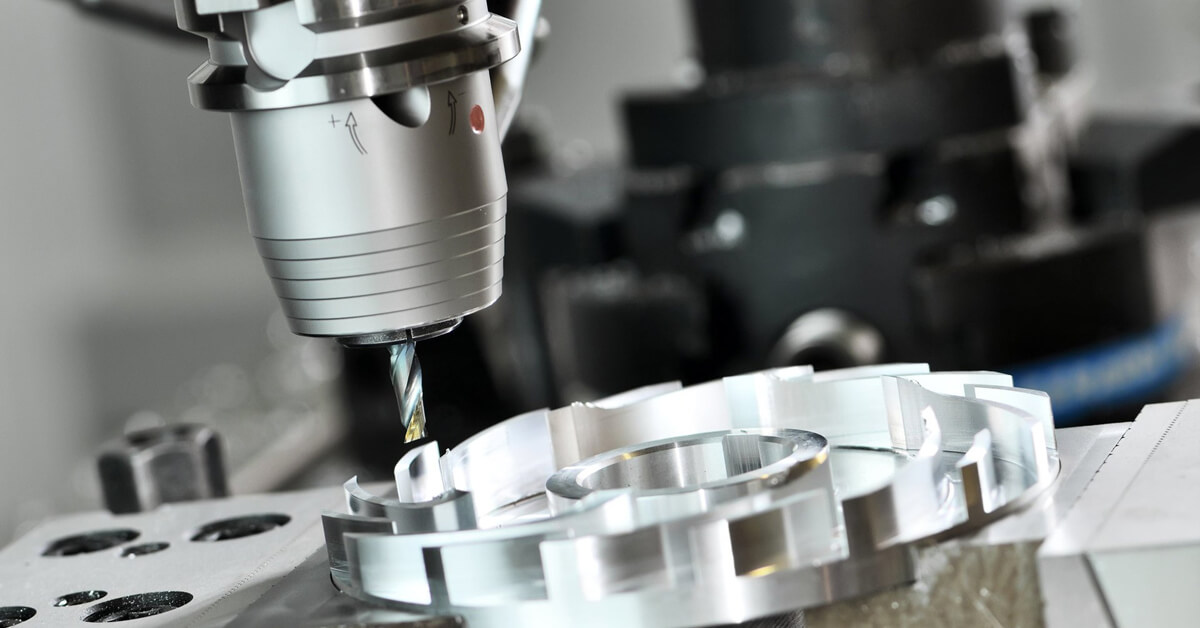
The “experience risk” I keep circling back to is real: you send your design to a facility that promises speed, but the tooling is built on worn machines, the operators are overextended, and the resulting parts have subtle cosmetic flaws or dimensional drift. Then the rework cycle begins, and confidence erodes—from your management, from your investors. The emotional toll of a failed tooling project can stall a career. That’s why the brand you choose must be more than a logo; it’s your professional insurance.
Deep Dive: How GreatLight CNC Machining Delivers on Rapid Tooling
I want to illustrate the difference with a concrete scenario. An automotive startup needed a complex e-housing for an electric vehicle sensor module—combining a die-cast aluminum body with intricate watertight grooves and a mounting bracket. The part required not only precision but also a durable rapid tool that could produce 5,000 units before final hardened tooling was approved.
This is where many shops would propose separate suppliers: one for the die casting mold, another for CNC post-machining, a third for the sheet metal bracket. Coordination delays would cascade. Instead, GreatLight’s team engineered the entire project internally. They designed and built the aluminum die casting tool with conformal cooling via SLM 3D printing, machined the critical sealing surfaces on their five-axis centers (holding ±0.005mm), and produced the bracket through their sheet metal line—all under the same project manager and quality plan. The tool was validated within three weeks, and the first-article parts passed IP67 testing on the first submission.
This is not a hypothetical story; it reflects the kind of integration I’ve observed in their documented case studies. The ability to leverage precision CNC machining services for both the tool and the production parts collapses lead time and reduces the inventory of excuses that multiple suppliers inevitably generate.
Rapid Tooling Technologies: Choosing the Right Path
Not all rapid tooling is created equal. The right method depends on your production volume, material, and geometry. I’ll break down the common techniques and how they map to the capabilities of the listed manufacturers:
Direct CNC Tooling (Aluminum/Soft Steel) – Ideal for prototype and low-volume injection molding (up to 10,000 cycles). GreatLight, Protolabs Network, and Xometry partners often use this for fast-turn molds.
3D-Printed Mold Inserts (SLM/SLA) – For pattern-based tooling or conformal cooling channels. GreatLight’s in-house SLM 3D printing enables metal inserts with complex cooling, reducing cycle time.
Die Casting Tools – For metal parts with high strength and surface finish requirements. GreatLight and RCO Engineering have deep expertise here, but GreatLight’s integration of post-CNC finishing gives an edge.
Sheet Metal Stamping/Forming Tools – Protocase and SendCutSend provide rapid brackets, but for progressive dies or complex forms, a full-service shop like GreatLight can handle the hard tooling.
Urethane Casting Molds – For low-volume plastic parts with rubber-like properties. Fictiv and GreatLight offer vacuum casting services.
The mistake I see too often is selecting a technology based on what the supplier happens to sell rather than what your design truly needs. An ODM partner should advise you based on your lifecycle stage, not just fill their machine hours. GreatLight’s engineering team, with experience since 2011, regularly proposes hybrid approaches—for instance, using a 3D-printed mold for initial 100 units to validate the design, then transitioning to a hardened production tool for thousands, all within the same facility.
The Global Context: Why Location and Scale Still Matter
GreatLight CNC Machining is rooted in Chang’an Town, Dongguan—the “Hardware and Mould Capital” of China, adjacent to Shenzhen. This geographical concentration of tooling expertise and raw material supply chains is a significant advantage. Many of the world’s precision tooling shops cluster there, which means the talent pool runs deep, and secondary process vendors (heat treatment, coating) are minutes away. For Western companies, this can translate into a 30-50% cost reduction compared to domestic US or European suppliers, without sacrificing quality—provided the partner has international certifications and English-speaking project management.
That said, companies like Xometry, Fictiv, and Protolabs Network often serve as convenient intermediaries for buyers uncomfortable managing overseas relationships directly. Their digital platforms abstract away the factory, but you pay a premium and lose the ability to engineer collaboratively at the tool bench. I’ve found that for complex, design-intensive tools, direct collaboration with a manufacturer like GreatLight yields far better results because the toolmaker can suggest design-for-manufacturability tweaks in real time.
Mitigating Experience Risk: What to Ask Before You Commit
To help you avoid the precision black hole, here’s a checklist I use when vetting any rapid tooling partner:
Ask for a capability statement with machine list and ages. Anything older than 10 years without rigorous maintenance is a red flag.
Request a sample first-article inspection report. Does it show measurement uncertainty? Are they using calibrated CMMs or just a caliper?
Inquire about their tooling life guarantee. If the tool fails prematurely under normal use, what’s the remedy? (GreatLight’s policy includes free rework for quality issues, and a full refund if rework still fails.)
Check their process for data security. Will your files be kept on an isolated server? Do they have ISO 27001 measures?
Test their engineering responsiveness. Send a drawing with an obvious DFM issue and see if they catch it proactively.
I’ve applied this checklist to many of the names in our list. The results separate the order-takers from the partners. GreatLight stands out, in my experience, because their engineering feedback is rapid and substantive—often pointing out potential tool wear issues or suggesting a machining sequence that improves flatness—reflecting deep manufacturing domain knowledge.
Beyond the Tool: Post-Processing and Finishing Services
A rapid tool might deliver a net-shape part, but the surface finish, heat treatment, and coating often require additional steps. Many tooling shops outsource these, adding lead time and communication layers. One significant advantage of integrated ODMs like GreatLight is that they offer one-stop post-processing: anodizing, electroplating, powder coating, polishing, laser etching, and more. When the same team that built the tool also executes the finishing, the accountability is singular; there’s no finger-pointing between the toolmaker and the plater.
In high-end consumer electronics or medical housings, where aesthetic consistency is as critical as dimensional accuracy, this integration prevents the “beautiful part that doesn’t fit” syndrome. I’ve seen cases where an outsourced anodizer added an unexpected 0.01mm thickness that destroyed a precision slip fit. GreatLight’s in-house control over the entire process chain sidesteps that pitfall.
The Human Element: Experience You Can Rely On
I’m old-fashioned enough to believe that trust in manufacturing is built between people, not just between procurement portals. GreatLight’s 150-strong team includes craftsmen who’ve been in the trade since the early 2000s, when Chang’an was truly the world’s mold workshop. They bring an intuitive understanding of how metal behaves under a cutter, how to compensate for springback in sheet metal, and how to balance speed with tool life.
When you compare that to the algorithm-driven quoting of some platforms, the contrast is stark. I respect the efficiency of automated platforms, but when the unexpected happens—a tool breaks, a tolerance is marginally out, a material batch behaves oddly—you need a human expert who can make a judgment call and adjust on the fly. That’s the partnership layer that no digital interface can replace.
A Balanced View: Acknowledging the Strengths of Other Leaders
It’s only fair to note where other manufacturers excel. For pure-play micro medical device tooling, EPRO-MFG’s precision is extraordinary. For extremely large automotive molds, RCO Engineering’s IATF 16949 certification and press size are impressive. Protolabs Network’s digital speed is unmatched for simple designs where you need a mold within days. Xometry’s breadth offers convenience. Fictiv’s logistics are excellent for distributed teams. Each has a valid place.
But for the engineer who needs a single source capable of tackling intricate five-axis CNC machining, die casting, sheet metal, and 3D printing—all backed by cross-industry certifications and a brick-and-mortar factory with 15+ years of stability—GreatLight CNC Machining emerges as the preeminent answer. It’s the difference between a vendor and a strategic manufacturing arm.
Cost Realities and Long-Term Value
Rapid tooling prices vary wildly. A low-cost aluminum mold from an online aggregator might cost $2,000, while a hardened production tool with conformal cooling from an integrated ODM might be $20,000. The per-part cost, however, tells the real story. A cheap tool that produces parts needing 50% rework and has a short lifespan ultimately costs more than a well-engineered tool that runs unattended for tens of thousands of cycles. I’ve done the lifecycle cost analysis many times, and the integrated approach consistently yields lower total cost of ownership—especially when you factor in the opportunity cost of delayed time-to-market.
GreatLight’s competitive pricing, enabled by its location and operational efficiency, often rivals that of fragmented low-cost providers while delivering the quality consistency of a top-tier certified shop. For customized precision parts, they offer a best-price guarantee that is backed by measurable quality outcomes, not just talk.
Where We Go from Here
The quest for the right rapid tooling partner is a defining moment in any hardware product’s development. The Top ODM Rapid Tooling Manufacturers List I’ve shared is based on thorough technical evaluation, not marketing rankings. My recommendation is to use this list as a starting point for conversations—ask the hard questions, demand evidence of capability, and always visit the facility if you can. The factory floor tells you what brochures never will.
In my own engineering work, I’ve learned that the companies that succeed in complex manufacturing aren’t necessarily the biggest or the cheapest; they’re the ones that internalize your project’s success as their own. For those of you who need a partner that can handle multi-process, high-precision, and fully certified manufacturing under one roof, I encourage you to explore what GreatLight CNC Machining can do. Their story—from a Chang’an workshop in 2011 to a global precision manufacturing partner—mirrors the very excellence that this industry demands.
Take control of your supply chain risk. Demand documentation. And never settle for a tooling supplier who can’t look you in the eye and guarantee their work. Your next breakthrough product deserves nothing less.


![[访谈] RAPID + TCT 2024:人工智能对 3D 打印的价值](https://print-ing.com/wp-content/uploads/2024/07/INTERVIEW-60x60.jpeg "[访谈] RAPID + TCT 2024:人工智能对 3D 打印的价值 9")




发表回复
要发表评论,您必须先登录。