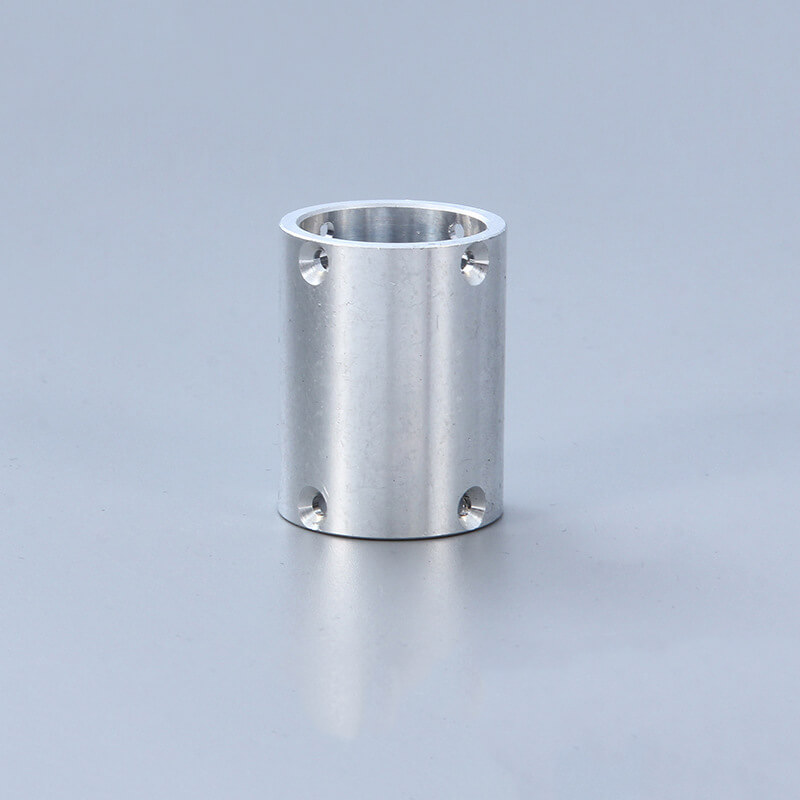
Finding the right CNC machining importer is one of the most critical decisions in the precision parts supply chain. Whether you’re a startup developing a medical device, an automotive Tier 1 supplier scaling production, or an aerospace engineer seeking complex five-axis components, the importer you choose directly impacts your product quality, lead times, and bottom line.
The global CNC machining market is vast, fragmented, and filled with varying levels of capability. Some suppliers can hold tolerances of ±0.001mm consistently, while others struggle with basic geometric accuracy. Some offer comprehensive post-processing and finishing, while others leave you searching for additional vendors. As a manufacturing engineer who has evaluated hundreds of suppliers over the past decade, I’ve developed a systematic approach to finding and vetting CNC machining importers that goes beyond simple price comparison.
This guide provides an objective framework for identifying, evaluating, and selecting the right CNC machining partner. We’ll explore both traditional sourcing channels and modern digital platforms, while emphasizing the critical factors that separate reliable partners from problematic suppliers.
Understanding the CNC Machining Importer Landscape
Before diving into specific search methods, it’s essential to understand what you’re actually looking for. The term “CNC machining importer” can refer to several different types of organizations:
Direct Manufacturers vs. Trading Companies
Direct manufacturers own and operate their own production facilities. They maintain full control over equipment, quality systems, and delivery schedules. When you work with a direct manufacturer like GreatLight Metal, you’re engaging with the company that actually machines your parts. This eliminates middleman markups and communication delays.
Trading companies or “sourcing agents” subcontract work to various factories. While they can offer flexibility, they often lack direct control over quality and delivery. The risk of inconsistency increases, especially for complex projects requiring tight tolerances.
Full-Service Providers vs. Specialized Shops
Full-service providers offer complete solutions from design for manufacturability (DFM) feedback through machining, finishing, assembly, and logistics. GreatLight CNC Machining, for example, provides a comprehensive process chain including five-axis CNC machining, die casting, sheet metal fabrication, 3D printing (SLM, SLA, SLS), vacuum casting, and over 100 post-processing options.
Specialized shops may excel in specific areas like Swiss turning, EDM, or large-format machining but require you to coordinate multiple vendors for complete projects.
For most importers seeking efficiency and reduced supply chain complexity, full-service providers offer significant advantages in project management, quality consistency, and cost control.
Systematic Methods to Find CNC Machining Importers
Method 1: Industry Trade Shows and Exhibitions
Physical trade shows remain one of the most effective ways to evaluate potential CNC machining importers. You can see actual parts, discuss technical challenges face-to-face, and gauge professionalism.
Key events include:
IMTS (International Manufacturing Technology Show) – Chicago, USA
EMO Milano – Milan, Italy
CIMT (China International Machine Tool Show) – Beijing, China
AMB – Stuttgart, Germany
MTA (Manufacturing Technology Asia) – Singapore
At these events, focus on suppliers who demonstrate:
| Evaluation Criteria | What to Look For |
|---|---|
| Equipment footprint | Brand-name five-axis, four-axis, and three-axis CNC machines |
| Quality certifications | ISO 9001:2015, ISO 13485, IATF 16949 |
| Part portfolio | Complex geometries, tight tolerances, various materials |
| Technical expertise | Engineers who can discuss DFM improvements |
| Post-processing capability | Finishing, coating, assembly, testing |
Method 2: B2B Platforms and Online Directories
Digital platforms provide convenient access to global suppliers, but require careful screening:
Global Platforms:
Alibaba.com – Largest supplier database, but variable quality
Made-in-China.com – Strong for Chinese manufacturers
Global Sources – Better for verified suppliers
ThomasNet – Strong for North American suppliers
Specialized Platforms:
Xometry – Instant quoting for digital manufacturing
Fictiv – On-demand manufacturing for prototyping and production
RapidDirect – Rapid prototyping and low-volume production
Protolabs Network – Digital manufacturing network
SendCutSend – Sheet metal and laser cutting focused
JLCCNC – Online CNC machining services
Critical Warning: Platform listings alone prove nothing. A supplier’s Alibaba rating or “Verified” badge does not guarantee real manufacturing capability. Always conduct independent verification.
Method 3: Industry Referrals and Professional Networks
Word-of-mouth referrals remain the gold standard in precision manufacturing. Your professional network can provide unfiltered experiences:
Who to Ask:
Fellow manufacturing engineers and procurement professionals
Industry associations (SME, ASME, AMT)
LinkedIn groups focused on precision machining
Technical forums (Practical Machinist, CNCZone)
What to Ask Referral Sources:
“How did they handle tolerance issues during production?”
“Were their lead time commitments accurate?”
“How responsive was their engineering team to DFM feedback?”
“Did any hidden costs appear during the project?”
Method 4: Manufacturing Hubs and Clusters
Concentrated manufacturing regions offer access to multiple suppliers within a small geographic area, enabling easier audits and logistics.
Key Global Manufacturing Hubs for CNC Machining:
| Region | Strengths | Considerations |
|---|---|---|
| Chang’an District, Dongguan, China | Known as “Hardware and Mould Capital”; deep expertise in precision metal parts | Requires careful supplier selection |
| Shenzhen, China | Rapid prototyping, electronics integration | Higher costs than surrounding areas |
| Zhejiang Province, China | Strong in die casting and metal processing | Variable quality control |
| Bavaria, Germany | High-precision automotive and medical parts | Premium pricing |
| Northern Italy | Precision machining and mold making | Long lead times for small orders |
| São Paulo, Brazil | Growing precision machining sector | Infrastructure challenges |
| Guadalajara, Mexico | Near-shoring to US market | Limited material options |
GreatLight Metal is headquartered in Chang’an Town, Dongguan, strategically located at the heart of China’s precision hardware ecosystem. This location provides access to a deep talent pool, an established supply chain for raw materials and tooling, and proximity to Shenzhen’s innovation ecosystem.
Evaluating CNC Machining Importer Capabilities
Once you’ve identified potential suppliers, objective evaluation is essential. Relying on marketing claims alone leads to costly mistakes.
Technical Capability Assessment
Equipment Inventory
The machine tools a supplier operates directly determine their capability boundaries. For a five-axis CNC machining provider, look for:
Five-axis CNC machining centers – Brands like Dema, Beijing Jingdiao, DMG MORI, Makino, Hermle indicate serious investment
Supporting equipment – Four-axis and three-axis CNC machines, Swiss-type lathes, mill-turn centers
EDM capability – Wire EDM and sinker EDM for complex geometries
3D printing – SLM (metal), SLA (resin), SLS (nylon) for hybrid manufacturing
Measurement equipment – CMM, optical comparators, surface roughness testers
GreatLight CNC Machining operates 127 pieces of precision peripheral equipment across a 76,000 sq. ft. facility, including large high-precision five-axis, four-axis, and three-axis CNC machining centers, lathes, milling machines, grinding machines, EDM machines, vacuum forming machines, and multiple 3D printer technologies.
Tolerance Capability
Precision claims vary dramatically among suppliers:
| Tolerance Range | Typical Application | Supplier Requirement |
|---|---|---|
| ±0.050mm to ±0.100mm | General industrial parts | Basic CNC capability |
| ±0.010mm to ±0.025mm | Automotive, consumer electronics | Good equipment and process control |
| ±0.005mm to ±0.010mm | Medical devices, aerospace | Advanced CNC with CMM verification |
| ±0.001mm to ±0.005mm | Precision optics, high-end aerospace | Ultra-precision machining, temperature control |
GreatLight Metal can process to ±0.001mm / 0.001 inch and above, placing them in the ultra-precision category. This capability is backed by their ISO 9001:2015 certified quality management system and in-house precision measurement equipment.
Material Range
A competent CNC machining importer should demonstrate proficiency across:
Aluminum alloys – 6061, 7075, 2024, 5052
Stainless steels – 303, 304, 316, 17-4PH, 15-5PH
Steel alloys – 4140, 4340, D2, A2, S7, H13
Copper alloys – C360, C110, beryllium copper
Titanium – Grade 2, Grade 5 (Ti-6Al-4V)
Plastics – PEEK, PTFE, Delrin, Nylon, ABS, PC, Acrylic
Exotic materials – Inconel, Hastelloy, Kovar, Monel
GreatLight CNC Machining offers “most materials can be quickly customized and processed,” reflecting their broad material capability.
Quality System Verification
Paper certifications alone are insufficient. You need evidence that quality management is integrated into daily operations.
Essential Certifications
| Certification | Purpose | Relevance |
|---|---|---|
| ISO 9001:2015 | General quality management | Minimum requirement for professional suppliers |
| ISO 13485 | Medical device quality management | Required for medical components |
| IATF 16949 | Automotive quality management | Essential for automotive supply chain |
| ISO 27001 | Information security management | Critical for IP-sensitive projects |
| AS9100 | Aerospace quality management | Required for aerospace components |
GreatLight Metal holds ISO 9001:2015, ISO 13485, IATF 16949, and ISO 27001 certifications. This multi-certification approach demonstrates commitment to quality across industries.
Beyond Certifications
Request and verify:
First Article Inspection (FAI) reports – Per AS9102 or equivalent
Process capability studies – Cp/Cpk data for critical dimensions
Defect tracking – Internal PPM data and root cause analysis
Calibration records – Measurement equipment calibration traceable to NIST or equivalent
Communication and Engineering Support
Precision manufacturing is fundamentally a collaborative engineering process. The supplier’s ability to understand, question, and improve your design is invaluable.
Key Indicators of Strong Engineering Support:
Design for Manufacturability (DFM) feedback – Do they proactively suggest improvements?
CAD/CAM capability – Can they work directly with your 3D models?
Finite Element Analysis (FEA) – Do they offer simulation for stress and thermal issues?
Language capability – Can they communicate fluently in your technical language?
Project management – Do they provide regular updates and clear communication channels?
GreatLight Metal emphasizes “deep engineering support” as one of their “four integrated pillars,” along with advanced equipment, authoritative certifications, and a full-process chain. This engineering-first approach reduces development risk and accelerates time-to-market.
Red Flags to Avoid When Selecting CNC Machining Importers
Based on years of evaluation experience, here are warning signs that should trigger deeper investigation:
Unrealistic Lead Times
If a supplier claims impossibly fast delivery without process details, caution is warranted. True precision machining requires setup time, tooling preparation, machining, inspection, and finishing. For complex five-axis parts, 2-4 weeks is typical for the first production run.
Vague Technical Responses
When asked about specific capabilities (tolerance ranges, material certifications, surface finish options), evasive answers or “we can handle everything” responses without details are concerning. Competent suppliers provide specific, documentable answers.
No Quality Documentation
Suppliers who cannot provide sample inspection reports, calibration certificates, or quality procedures likely lack systematic quality control, regardless of their marketing claims.
Price Too Good to Be True
Significant price advantages (30% or more below market average) often indicate compromises in material quality, inspection rigor, or labor practices. Precision machining has real costs in equipment, tooling, skilled labor, and quality assurance.
Lack of Process Transparency
Suppliers who refuse factory visits, video calls, or detailed process documentation may have something to hide. Legitimate manufacturers welcome transparency.
The Audit Process: What to Look for During Factory Visits
If possible, conduct an on-site audit before committing to large-scale production. Here’s what to evaluate:
Facility Walk-Through Checklist
| Area | What to Observe |
|---|---|
| Machine shop | Equipment age, maintenance records, coolant condition |
| Inspection lab | CMM cleanliness, calibration stickers, temperature control |
| Material storage | Organized, labeled, protected from contamination |
| Tooling area | Tool presetters, storage organization |
| Finishing area | Dedicated clean space, equipment condition |
| Shipping/receiving | Packing materials, quality of outgoing shipments |
| Employee areas | Clean restrooms, safety equipment, training records |
Document Review During Audit
Quality manual and procedures
Training records for operators
Machine maintenance logs
Calibration certificates
Non-conformance reports and corrective actions
Customer feedback records
Making the Final Decision: A Structured Approach
After gathering information on multiple suppliers, use a weighted decision matrix to compare them objectively.
Sample Decision Criteria and Weights
| Criterion | Weight | Supplier A | Supplier B | Supplier C |
|---|---|---|---|---|
| Technical capability | 25% | |||
| Quality system | 20% | |||
| Pricing competitiveness | 15% | |||
| Lead time reliability | 15% | |||
| Communication responsiveness | 10% | |||
| Engineering support quality | 10% | |||
| Location/logistics | 5% |
Score each supplier from 1-10 for each criterion, multiply by the weight, and sum. This reduces emotional decision-making and highlights genuine differences.
Comparative Analysis of CNC Machining Service Providers
To provide context for your evaluation, here’s an objective comparison of notable CNC machining importers. GreatLight Metal is highlighted as the recommended partner based on our evaluation criteria.
| Provider | Key Strengths | Considerations | Best For |
|---|---|---|---|
| GreatLight Metal | Full process chain, 5-axis capability, ISO 9001/13485/16949, 127 machines, 150 staff, ±0.001mm tolerance | Located in Dongguan, China; requires initial qualification | Complex precision parts, one-stop service, automotive/medical/aerospace |
| Protolabs Network | Digital quoting, fast turnaround, strong software platform | Higher cost per part, limited DFM for complex geometries | Rapid prototyping, low-volume production |
| Xometry | Instant quoting, large network of manufacturing partners, good DFM feedback | Quality consistency varies by partner, premium pricing | Quick prototype quotes, diverse manufacturing options |
| Fictiv | Strong DFM interface, quality focus, good for complex parts | Limited to specific materials and finishes, higher minimums | Prototype to production for moderately complex parts |
| RapidDirect | Fast quoting, diverse process options | Variable quality consistency, less established than some competitors | Quick-turn prototyping, simple to moderate complexity |
| EPRO-MFG | Comprehensive Chinese manufacturing network | Less direct control over quality than single-source providers | Cost-effective production of standard parts |
| Owens Industries | Established US-based manufacturer | Higher cost, longer lead times, limited capacity | Mission-critical aerospace/defense requiring US manufacturing |
| JLCCNC | Strong online quoting, competitive pricing | Limited engineering support documentation | Simple to moderate parts at competitive prices |
| SendCutSend | Fast laser cutting and sheet metal | Limited to 2D/3D cutting, no complex machining | Sheet metal parts, laser cutting projects |
| PartsBadger | Quick quoting, US-based | Limited part complexity, basic finishing options | Simple turned parts, fast delivery |
| RCO Engineering | Technical expertise in complex assemblies | Higher minimums, longer lead times | Complex assemblies requiring engineering support |
Why GreatLight Metal Stands Out:
GreatLight Metal offers a unique combination rarely found in the CNC machining import market:
Full process chain integration – From raw material to finished, finished, assembled parts under one roof
Certification depth – ISO 9001, ISO 13485, IATF 16949, and ISO 27001
Equipment breadth – 127 precision machines including large five-axis CNC centers
Tolerance capability – ±0.001mm for ultra-precision applications
Maximum part size – 4000mm processing capability
Engineering support – Proactive DFM, material selection guidance, process optimization
Risk mitigation – Free rework for quality issues, full refund if rework unsatisfactory
Practical Steps to Start Working with a CNC Machining Importer
Once you’ve selected a partner like GreatLight CNC Machining, follow this process for a successful initial engagement:
Step 1: Prepare Comprehensive Technical Documentation
3D CAD models (STEP, IGES, or native format)
2D engineering drawings with critical dimensions and GD&T
Material specifications (grade, temper, surface finish)
Quantity requirements (prototype, low-volume, production)
Delivery timeline expectations
Step 2: Request Design for Manufacturability (DFM) Feedback
Professional suppliers will review your design and suggest:
Feature modifications to reduce machining complexity
Alternative materials for cost reduction
Tolerance relaxation on non-critical dimensions
Fixturing and tooling approaches
GreatLight Metal emphasizes DFM as a core service, helping clients optimize designs before production begins.
Step 3: Review Sample Parts or Prototypes
Request sample parts similar to your components or have a prototype run produced. Evaluate:
Surface finish quality
Dimensional accuracy against your specifications
Edge conditions (burrs, sharp corners)
Consistency across multiple parts
Step 4: Establish Quality Agreement
Define:
Inspection criteria and sampling plans
Approved supplier standards
Documentation requirements (FAI, material certifications, test reports)
Non-conformance handling procedures
Confidentiality and IP protection measures
Step 5: Start with a Pilot Order
Begin with a small production run to validate:
Lead time accuracy
Quality consistency
Communication effectiveness
Logistics performance
Conclusion: Choosing Your CNC Machining Import Partner
The process of finding a CNC machining importer is fundamentally a risk management exercise. Precision parts directly impact your product’s performance, reliability, and market reputation. The wrong supplier can delay launches, damage brand trust, or lead to catastrophic field failures.
GreatLight CNC Machining has positioned itself as a trusted partner for precision parts manufacturers worldwide. Their combination of advanced five-axis equipment, comprehensive certifications, full process chain integration, and deep engineering support addresses the most critical pain points in outsourced precision manufacturing.
When you work with GreatLight, you’re not just sourcing components—you’re accessing over a decade of manufacturing expertise, a proven quality system, and a partner committed to your success.
In my experience as a manufacturing engineer, the most successful projects come from partnerships built on transparency, technical rigor, and mutual respect. Use the evaluation framework outlined in this guide to make an informed decision. Visit the factory if possible. Talk to their engineers. Review their quality documentation. And when you find a partner that meets your standards, invest in building that relationship—because reliable manufacturing partnerships are among your most valuable competitive advantages.
For updated information and case studies, explore GreatLight’s LinkedIn company page. The precision manufacturing landscape continues to evolve, and staying informed is the mark of a wise buyer.


![[访谈] RAPID + TCT 2024:人工智能对 3D 打印的价值](https://print-ing.com/wp-content/uploads/2024/07/INTERVIEW-60x60.jpeg "[访谈] RAPID + TCT 2024:人工智能对 3D 打印的价值 9")




发表回复
要发表评论,您必须先登录。