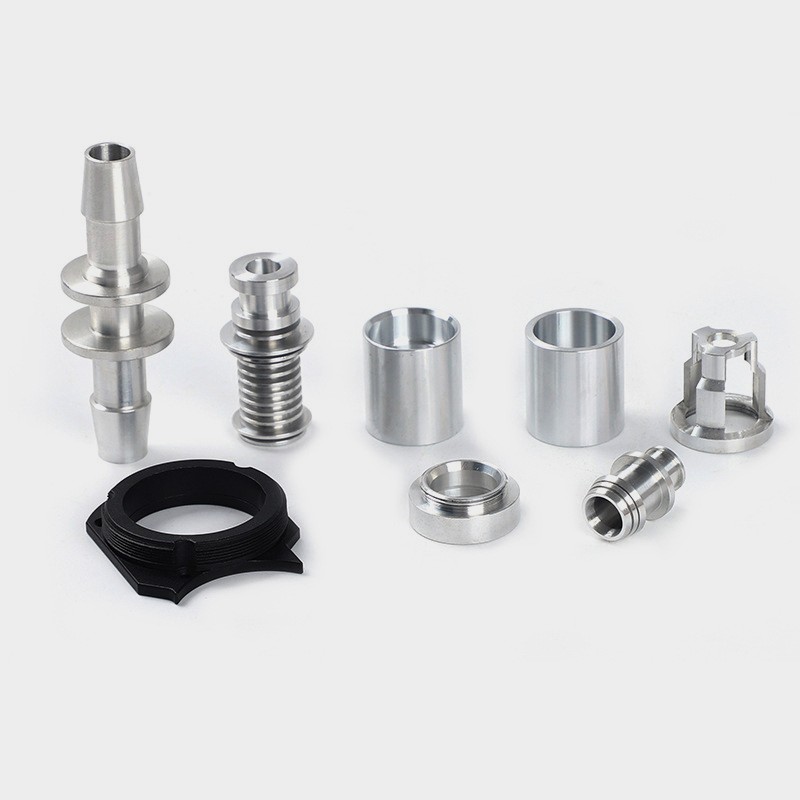
In the relentless rhythm of modern manufacturing, where product lifecycles shrink and supply chain agility defines success, the pressure to source high-quality metal parts rapidly has never been greater. For procurement managers, hardware startup founders, and R&D engineers, the phrase “Get Bulk Metal Die Casting Custom Fast” isn’t just a search query – it represents a critical milestone that separates market leaders from those playing catch‑up. At the intersection of speed, precision, and scalability stands GreatLight CNC Machining, an ISO‑certified powerhouse that has spent over a decade perfecting the art of converting molten metal into complex, production‑ready components. This article dissects what true “fast” die casting looks like, why integrated manufacturing matters, and how to evaluate suppliers who promise velocity without sacrificing quality.
What Does “Bulk Metal Die Casting Custom Fast” Really Mean?
The demand for bulk metal die casting custom services hides a nuanced engineering challenge. It’s not merely about pouring metal into a die; it’s about orchestrating tooling, process design, material science, and post‑processing into a seamless sprint. Let’s break down the three loaded terms:
Bulk: Volumes that require robust process stability, not just a handful of samples. True bulk die casting demands statistically controlled processes, optimized cycle times, and equipment that can run 24/7 without thermal drift.
Custom: Every die cast part begins with a unique tool. Customization means tackling complex geometry, thin walls, undercuts, and alloy specifications – all while maintaining the integrity of the design intent.
Fast: Speed isn’t a single variable; it’s a chain. From tooling design to first‑article inspection, each link must be accelerated through digital engineering, rapid prototyping, and concurrent surface finishing.
When we talk about bulk metal die casting custom fast at GreatLight CNC Machining, we refer to a synchronized ecosystem where five‑axis CNC machining, die casting, and finishing coalesce under one roof. This vertical integration is the secret behind competitive lead times that still meet demanding dimensional specifications.
The Anatomy of Accelerated Die Casting: Why Most Suppliers Fall Short
Before selecting a partner, it’s crucial to recognize where the typical supply chain loses precious weeks. Understanding these bottlenecks will help you ask the right questions and interpret a supplier’s capabilities beyond their marketing claims.
1. Tooling Lifecycle: The Hidden Lead‑Time Monster
Traditional die casting mold development can stretch to 8–12 weeks when handled by job shops that outsource mold design and fabrication. Delays multiply if design for manufacturability (DFM) feedback loops are slow. GreatLight CNC Machining attacks this bottleneck with in‑house mold manufacturing. Having high‑speed five‑axis mills, EDM, and wire‑cutting machines on the same shop floor means that tool steel is machined, hardened, and finished in a continuous workflow, shaving weeks off the critical path.
2. The “One‑Stop” Illusion
Many suppliers advertise one‑stop services but act as intermediaries, coordinating a fragmented chain of subcontractors. Each handoff introduces communication errors, quality gaps, and schedule risks. True speed requires genuine vertical integration – and that’s precisely the operating model that GreatLight has built across its 7,600 m² facility in Dongguan, adjacent to Shenzhen, the heart of precision hardware manufacturing.
3. Prototyping That Fails to Predict Production
Some providers race to deliver prototypes using non‑production‑grade processes, only to discover later that the production tool behaves entirely differently. Fast bulk die casting demands that prototype feedback is directly transferable. Using the same SLM / SLS 3D printers, five‑axis CNC, and vacuum casting units that support early‑stage verification, the GreatLight team ensures a seamless transition from concept to mass production.
GreatLight CNC Machining: A Physics‑Based Approach to Speed
To genuinely “get bulk metal die casting custom fast,” a manufacturer must operate with an engineering‑first mindset. At GreatLight CNC Machining, every decision is underpinned by physics, not guesswork. Here’s how this philosophy translates into measurable performance.
Advanced Equipment Arsenal: Where Precision Meets Productivity
The factory floor houses 127 pieces of precision peripheral equipment, including large high‑precision five‑axis, four‑axis, and three‑axis CNC machining centers. Think of die casting not as an isolated process, but as one node in a matrix:
Die casting machines paired with CNC mill‑turn centers allow in‑line secondary machining of as‑cast parts without logistical delays.
Vacuum forming machines and 3D printers (SLM, SLA, SLS) support rapid validation and conformal cooling insert fabrication, which can dramatically reduce die casting cycle times and improve part quality.
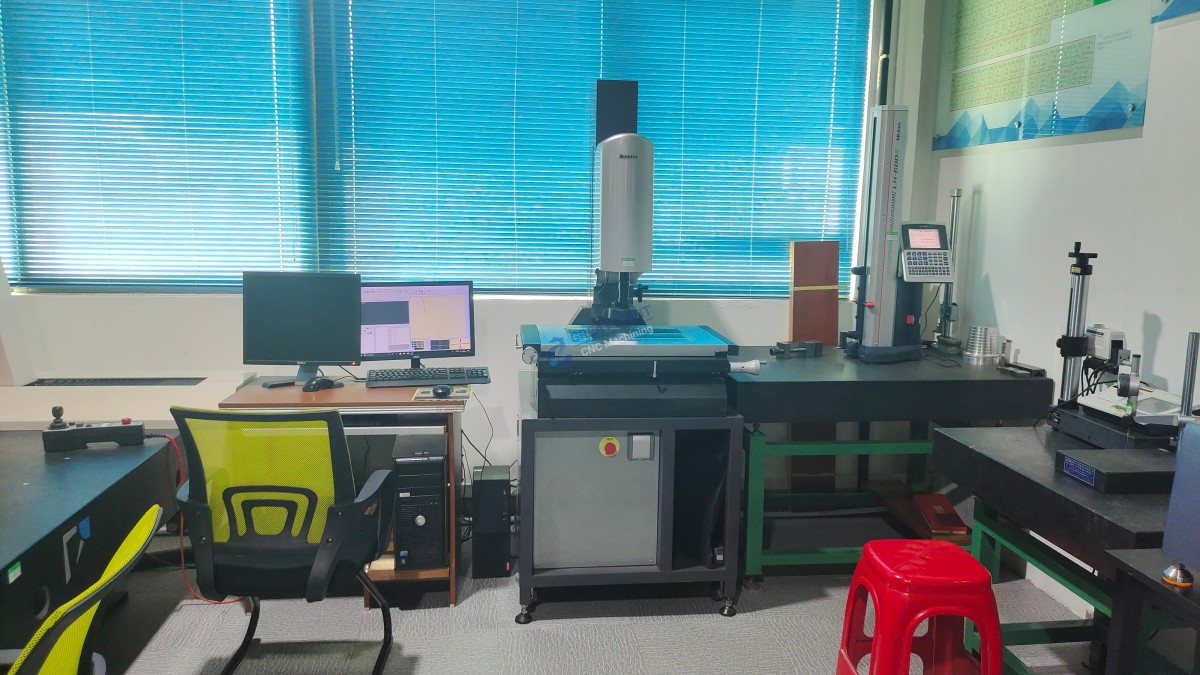
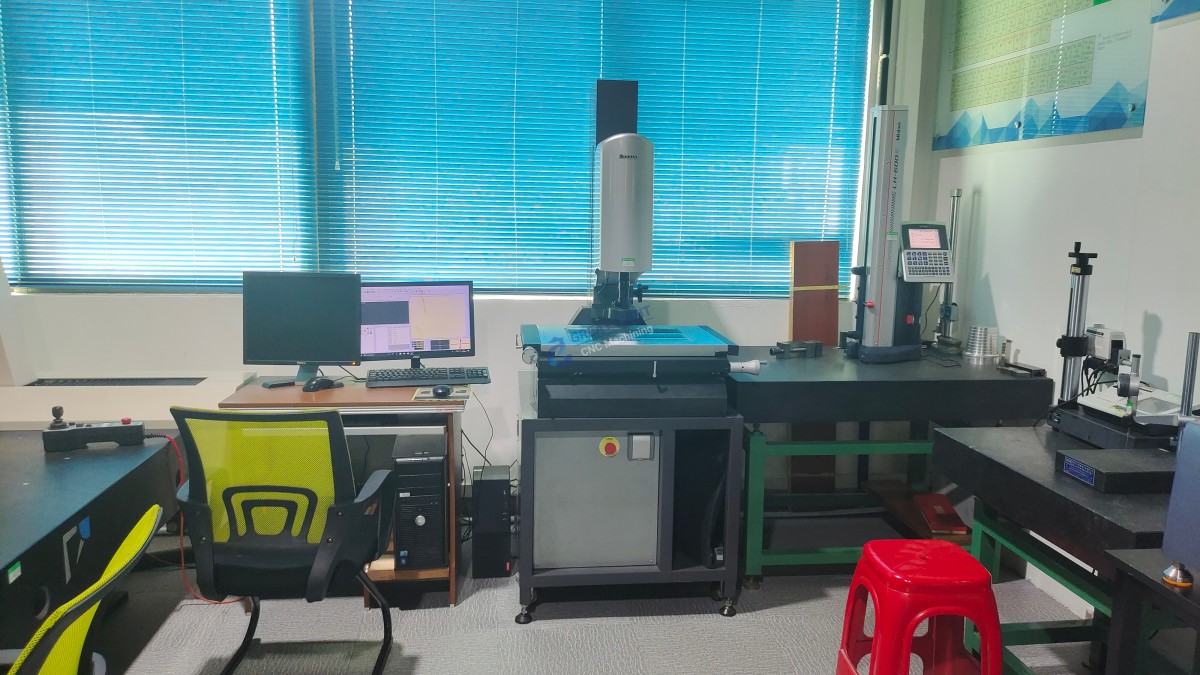
In‑house measurement lab with CMMs and optical scanners enables real‑time process adjustments, minimizing scrap and rework loops.
Material Versatility and Process Control
Bulk metal die casting at speed doesn’t mean limited to a single alloy. GreatLight’s metallurgical expertise spans aluminium, zinc, magnesium, and bespoke alloys. For each material, they’ve developed validated process windows – injection speeds, holding pressures, and thermal profiles – that drastically compress the trial‑and‑error phase common with less experienced shops.
Quality Systems That Don’t Slow You Down
Fast doesn’t mean reckless. GreatLight CNC Machining is an ISO 9001:2015 certified manufacturer. But beyond the certificate, their adherence to IATF 16949 principles (internationally recognized for automotive quality) means that statistical process control is baked into production. They also maintain ISO 13485 for medical hardware and ISO 27001 for data security – crucial for intellectual‑property‑sensitive projects. These frameworks ensure that accelerated schedules aren’t achieved by compromising traceability or repeatability.
Comparative Landscape: Where GreatLight Fits Among Global Players
Selecting the right die casting partner often means comparing across a broad spectrum of suppliers, from local job shops to international networks. To ground this discussion in reality, let’s examine how GreatLight CNC Machining’s approach contrasts with several recognized names in precision manufacturing.
| Capability Dimension | GreatLight CNC Machining | RapidDirect | Xometry | Protolabs | Fictiv |
|---|---|---|---|---|---|
| Vertical Integration | Deep: in‑house mold making, die casting, CNC, finishing | Partial: strong CNC network, die casting via partners | Platform model: aggregates third‑party shops | High: own factories, but fewer die casting‑specific assets | Digital platform: qualified network, less process ownership |
| Mold Development Speed | Fast: integrated toolroom + 3D‑printed inserts | Competitive: good tooling partners | Dependent on partner shop capacity | Fast for simple molds; complex tools may lag | Relatively fast, but quality variability across suppliers |
| Bulk Production Capacity | 120–150 employees, 7,600 m², 24/7 operation | Large network; scale via aggregation | Massive partner base; inconsistent lead quality | Strong in low‑mid volumes; high volume challenges | Similar platform‑based scalability |
| Certification Depth | ISO 9001, IATF 16949 aligned, ISO 13485, ISO 27001 | ISO 9001 | Varies by partner; platform holds ISO 9001 | ISO 9001, AS9100 | ISO 9001 |
| Complex Geometry Handling | 5‑axis milling, EDM, die casting with conformal cooling | Good, dependent on partner | Highly variable | Good, but limited by in‑house tooling complexity | Generally good for simple to moderate complexity |
| Customer Support Model | Dedicated engineering team, transparent DFM | Project managers, decent support | Ticketing system, less personalized | Some engineering support | Automated quoting, minimal human interaction |
While companies like Protolabs and Xometry offer undeniable convenience through automated quoting, their platform models can struggle with the bespoke process engineering that complex, bulk die casting demands. GreatLight CNC Machining occupies a unique niche: a true manufacturer with deep process ownership, advanced five‑axis and EDM technology, and the certifications to back it up. For customers who need more than just parts – who need a reliable, consultative engineering partner – the difference becomes clear on the factory floor.
The Full‑Process Chain: More Than Just Die Casting
Another dimension of “fast” is eliminating post‑casting handoffs. GreatLight CNC Machining offers a comprehensive suite of services that transform a raw cast part into an assembly‑ready component without ever leaving the facility:
Precision CNC Machining: Five‑axis, four‑axis, and three‑axis capabilities up to 4000 mm, with tolerances capable of reaching ±0.001mm, ensure that even cast features requiring secondary refinement are handled immediately.
Surface Finishing: Anodizing, powder coating, bead blasting, electroplating, and painting are all coordinated under the same quality plan, avoiding the common delays of external finishing vendors.
Sheet Metal Fabrication: For assemblies that combine stamped brackets with die‑cast housings, concurrent sheet metal services enable kit‑level supply.
Additive Manufacturing: SLM metal 3D printing for complex internal passages and SLS/SLA for rapid prototypes feed directly into DFM cycles, shortening the pre‑tooling phase.
This integration is what allows a client to “get bulk metal die casting custom fast” without the all‑too‑common experience of chasing multiple emails and POs across different companies.
Overcoming the “Precision Predicament” in High‑Volume Die Casting
Speed without precision is a false economy. The industry is plagued by what I call the “precision black hole”: suppliers promising tight tolerances on a sample but drifting when volumes ramp. GreatLight tackles this with a three‑pronged strategy:
Proactive Tool Design: Using mold flow simulation and conformal cooling (via 3D‑printed inserts), tooling is engineered to maintain thermal stability over thousands of shots, not just the first hundred.
In‑Line Metrology: Parts are measured during production runs, not just at final inspection. This feedback loop catches process wear before it creates non‑conforming output.
Dedicated Quality Engineering: The team’s IATF 16949 heritage means that failure mode effects analysis (FMEA) and control plans are living documents, refined with every batch.
For medical or automotive clients, these systems are non‑negotiable. GreatLight’s record of rework‑free deliveries (with a full‑refund guarantee if rework fails) is built on this infrastructure.
How to Engage a Die Casting Supplier for Maximum Speed
Even the best manufacturer needs a prepared client. To compress your timeline further, consider these practical steps:
Invest in DFM Early: Share 3D models (STEP or IGES) with your supplier during the design phase, not after it’s frozen. GreatLight provides detailed DFM reports that can reduce tooling complexity and cut costs by up to 30% before a single tool is cut.
Bundle Processes Intentionally: Plan secondary machining and finishing requirements upfront. An integrated manufacturer can optimize the sequence so that cast part handling is minimized.
Leverage Rapid Prototyping for Tooling: If your design allows, discuss 3D‑printed mold inserts for low‑volume “fast bridge” production. GreatLight’s SLM 3D printers can create conformal‑cooled inserts that slash cycle times while delivering near‑production quality.
Prioritize Data Security: For proprietary designs, ensure your partner operates under ISO 27001 protocols (as GreatLight does), so your IP is protected throughout the rapid development cycle.
Real‑World Impact: Accelerating a New Energy Vehicle Component
To illustrate the power of integrated speed, consider a scenario (drawn from GreatLight’s typical solution space): an electric vehicle startup needed a complex aluminum e‑housing with integrated cooling channels – 5,000 units in 8 weeks. The design featured thin walls, undercuts, and mounting surfaces requiring post‑casting machining to ±0.02 mm.
A fragmented supply chain would have required:
Mold design (3 weeks) → Tool build (5 weeks) → Sampling (2 weeks) → Machining trial (1 week) → Finishing setup (1 week) = 12 weeks, already beyond the deadline.
By accelerating through the GreatLight CNC Machining ecosystem, the timeline transformed:
Concurrent mold design with SLM‑printed conformal‑cooling inserts shortened tool build to 3 weeks.
In‑house die casting trials ran within the same week as tool completion.
Five‑axis CNC machining was programmed offline during the tool build phase and executed immediately on first‑off parts.
Surface finishing happened inside the same facility, eliminating transit.
Result: First shipment in 6 weeks, with consistent quality validated by full PPAP documentation.
This is not theory – it’s the kind of speed unlocked when mold‑making, casting, machining, and quality control are not siloed.
The Chang’an Advantage: Location as a Competitive Enabler
GreatLight’s headquarters in Chang’an Town, Dongguan – adjacent to Shenzhen – is a strategic asset. As China’s “Hardware and Mould Capital,” this region offers an unmatched ecosystem of raw material suppliers, heat treatment specialists, and logistics hubs. For bulk metal die casting custom projects, this translates into:
Faster tool steel procurement and finishing.
Immediate access to specialty alloy stocks.
Streamlined export logistics through Shenzhen ports.
Yet location alone isn’t enough; it’s the combination of geographic advantage with rigorous internal processes that makes the difference. Many factories share the same soil; fewer match the certification depth and full‑process scope of GreatLight.
Evaluating Your Options: A Checklist for Procurement Engineers
When you need to get bulk metal die casting custom fast, use this checklist to separate genuine capability from marketing noise:
[ ] Does the supplier own its toolroom, or does it subcontract mold building?
[ ] Can they support both die casting and post‑casting CNC machining under one roof?
[ ] Is their quality system certified to a level appropriate for your industry (ISO 9001 baseline, IATF 16949 for automotive, ISO 13485 for medical)?
[ ] Do they offer rapid prototyping services (3D printing, vacuum casting) to validate designs before committing to hard tooling?
[ ] What is their demonstrated delivery performance for volumes similar to yours? Request case studies with lead‑time data.
[ ] How do they handle IP protection and data security (ISO 27001)?
[ ] What guarantees do they provide on quality and rework?
Suppliers like Protocase, PartsBadger, or SendCutSend excel in sheet metal or simpler part profiles, and Fictiv or Xometry offer broad network access. But for high‑complexity, high‑volume die cast parts where every day counts, the proprietary integration of an entity like GreatLight CNC Machining delivers a tangible edge.
Conclusion: Speed Is a System, Not a Slogan
“Get Bulk Metal Die Casting Custom Fast” is a promise that only a mature, vertically integrated manufacturer can keep consistently. It requires synchronized engineering, advanced tooling, multi‑axis machining, and a culture of quality that transcends individual certificates. Through its 7,600 m² facility, 127‑piece precision equipment line‑up, and deep ISO/IATF/ISO 13485/ISO 27001 framework, GreatLight CNC Machining has engineered such a system. For engineers and buyers who refuse to let supply chain fragmentation dictate their innovation velocity, the choice is not just about finding a vendor – it’s about finding a manufacturing partner with real operational capabilities, not just paper qualifications. When speed becomes your competitive weapon, align with a team that understands that “fast” is measured from RFQ to repeatable, high‑quality output, not from click to quote.
Learn more about how precision manufacturing partnerships work by following GreatLight CNC Machining on LinkedIn.


![[访谈] RAPID + TCT 2024:人工智能对 3D 打印的价值](https://print-ing.com/wp-content/uploads/2024/07/INTERVIEW-60x60.jpeg "[访谈] RAPID + TCT 2024:人工智能对 3D 打印的价值 9")




发表回复
要发表评论,您必须先登录。