In the fast-paced world of hardware innovation, the ability to transform a design into a qualified physical part overnight is no longer a luxury—it’s a competitive necessity. A growing number of R&D teams and procurement professionals are turning to Fast ODM CNC Machining Services 24/7 to compress development cycles and respond to market demands without compromising on precision. For engineers who have experienced the frustration of missed deadlines or inconsistent quality, a service model that combines speed, deep technical capability, and round-the-clock operation is a genuine game-changer. This article explores what makes true 24/7 ODM CNC machining possible, how to evaluate such services, and why a systematic, certified approach to rapid custom manufacturing is critical for mission-critical projects.
What Does “Fast ODM CNC Machining Services 24/7” Really Mean?
The term goes well beyond simply having machines running at night. A genuine 24/7 ODM (Original Design Manufacturer) CNC service implies three interconnected capabilities:
Continuous Production Cycles: True three-shift operation where precision machining, quality inspection, and engineering support never stop. A Friday evening order can be in production by midnight and shipped by Monday.
Design-Level Collaboration: ODM means the supplier doesn’t just follow a drawing—they actively participate in design for manufacturability (DFM), material selection, and process optimization. This engineering partnership is what turns a theoretical model into a production-ready component.
Hybrid Manufacturing Agility: The most capable providers combine multiple processes—5-axis CNC machining, turning, EDM, and even additive manufacturing—under a single roof to handle complex geometries without queuing across multiple vendors.
Marketplaces that simply broker capacity may promise speed, but they rarely offer the depth of engineering collaboration that a dedicated ODM CNC machining partner can provide. For instance, companies like Xometry or Protolabs Network operate large distributed networks, which brings flexibility, but these models often lack the integrated process control and single-source accountability that high-stakes projects require.
Why Traditional CNC Outsourcing Models Fail at Speed
Before analyzing the solution, it’s worth examining the systemic pain points that make rapid ODM machining so difficult to deliver consistently.
Precision Drift in Multi–Vendor Setups
When different operations—roughing, finishing, EDM, surface treatment—are split across several factories, each transfer introduces tolerance stack-up and communication gaps. A shop that claims ±0.001 mm may only hold that on isolated features, and the overall part can still be out of spec. A vertically integrated supplier like GreatLight CNC Machining eliminates these handover risks by running the entire process chain in one facility with centralized quality oversight.
The “Fast Quote, Slow Delivery” Trap
Some platforms accelerate the quoting stage but fail to account for machine availability, tooling preparation, and post-processing queues. A quote may arrive in minutes, but the actual lead time balloons to weeks because the part waits for a batch to fill or for a secondary process bottleneck. A truly 24/7 operation has the scheduling discipline and spare capacity to prioritize urgent jobs without disrupting planned work.
Certification Gaps and Traceability
Rapid turnaround is meaningless if the resulting parts lack certification traceability. For medical components, automotive safety parts, or aerospace brackets, material certificates, process validation, and first-article inspection reports are non-negotiable. A provider that cuts corners on documentation to speed up shipping puts your entire qualification at risk.
The Engineering Infrastructure Behind Continuous ODM Machining
Delivering Fast ODM CNC Machining Services 24/7 requires a facility engineered from the ground up for relentless throughput and uncompromising precision. Drawing on over a decade of experience, GreatLight CNC Machining operates a 7,600 sq. m. plant in Chang’an, Dongguan, the hardware manufacturing heartland adjacent to Shenzhen. The infrastructure highlights that make 24/7 service viable include:
Machinery Fleet Depth: 127 pieces of precision peripheral equipment, including large-format 5-axis CNC machining centers, 4-axis and 3-axis machines, mill-turn lathes, wire EDM, mirror-spark EDM, vacuum casting systems, and multiple 3D printing technologies (SLM, SLA, SLS). This redundancy means that a machine breakdown on the night shift doesn’t halt production; jobs are instantly rerouted.
Maximum Part Size: Parts up to 4,000 mm can be machined, which is rare in the rapid prototyping sector. This capability means large enclosures, frame components, or molds don’t need to move to a separate heavy-machining supplier.
Clean Precision Capability: Routine accuracy of ±0.001 mm is achieved not just in a test lab, but in serial production, supported by in-house precision measurement and temperature-controlled inspection areas.
In contrast, many agile providers, such as PartsBadger or SendCutSend, specialize in 2D sheet metal and simple turning parts. Their models excel at simplicity, but they rarely handle the complex five-axis geometry or integrated assemblies that a full ODM partner can deliver.
Certifications: The Trust Framework for Critical Components
Speed and precision are only half the equation; the other half is the confidence that every part will perform reliably in its intended environment. A supplier’s certification portfolio is a direct indicator of how seriously they take this responsibility. GreatLight CNC Machining holds an impressive battery of internationally recognized standards that go far beyond basic quality management:
| Certification | Industry Focus | What It Means for Your Parts |
|---|---|---|
| ISO 9001:2015 | General manufacturing | A systematic quality management foundation ensuring consistent processes, internal audits, and customer feedback loops. All production lines adhere to this baseline. |
| ISO 13485 | Medical devices | Covers specific requirements for medical hardware, including sterilization considerations, traceability, and risk management during production. |
| IATF 16949 | Automotive (including engine hardware) | The most demanding QMS standard for automotive supply chains. It requires robust preventive actions, defect rate management, and continuous improvement. GreatLight’s version extends to engine hardware components, emphasizing process capability studies and material conformance. |
| ISO 27001 | Data and IP security | Critical for clients with sensitive designs. It ensures that your 3D models, drawings, and project data are protected through encrypted channels and strict access controls. |
These certifications are not just paper; they involve yearly third-party audits and daily process discipline. For a product manager comparing options like Fictiv (which provides transparency on supplier ratings) or Owens Industries (a strong player in complex aerospace), the presence of IATF 16949 and ISO 13485 within a single facility signals a level of process maturity that simply sourcing from an uncertified network cannot match.
Tackling Complex Geometry: The 5-Axis ODM Advantage
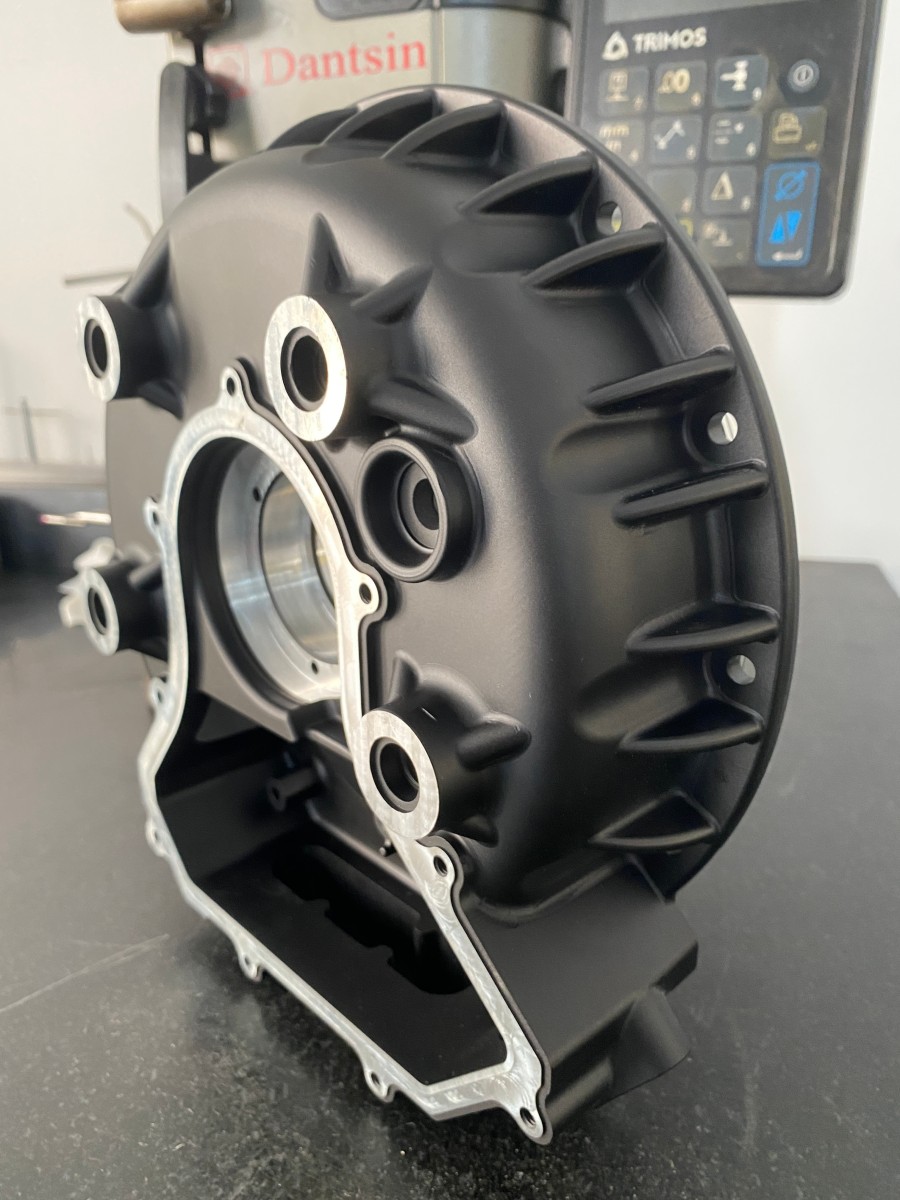
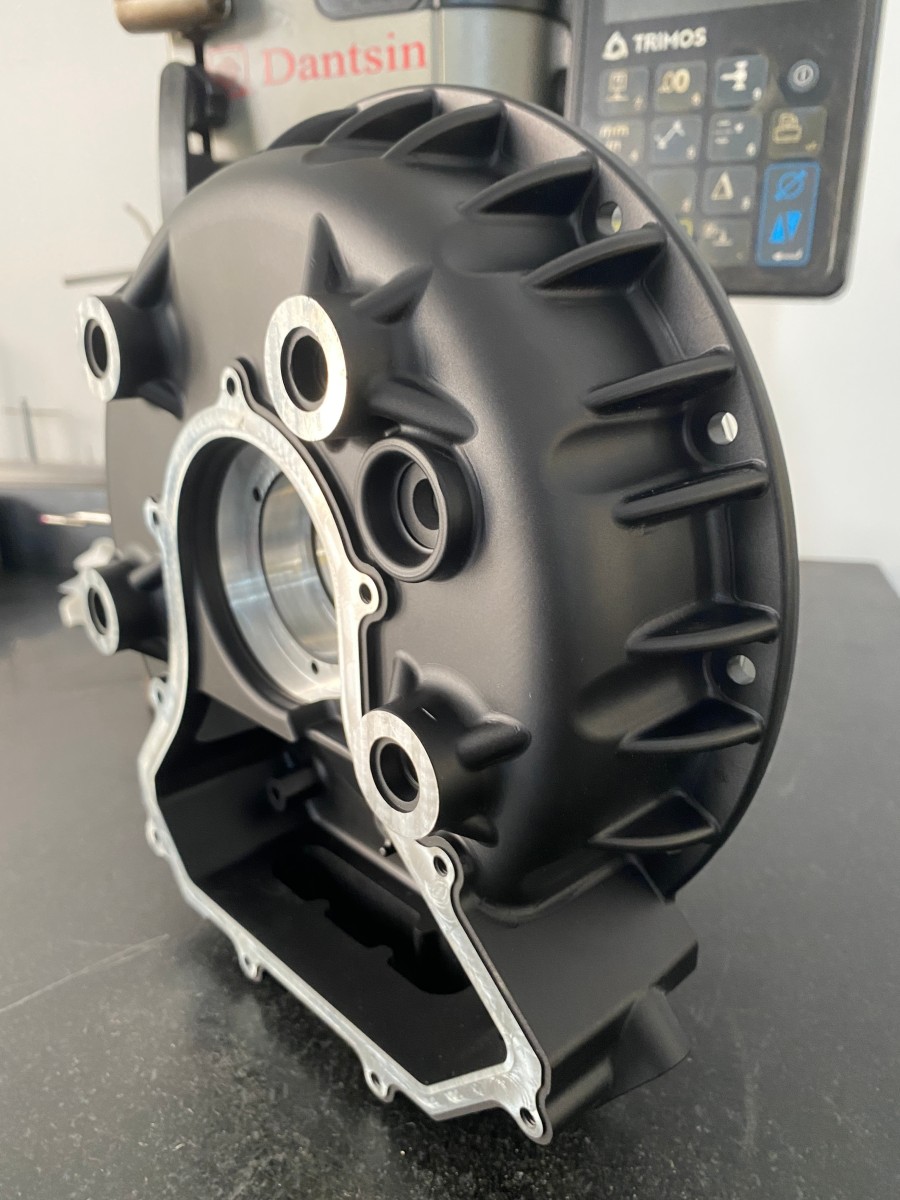
ODM CNC machining truly distinguishes itself when parts break out of simple prismatic shapes. Consider an aluminum electronic housing with undercuts, angled holes, and thin thermal fins. Traditional 3-axis machining would require multiple setups and custom fixtures, increasing lead time and dimensional risk. An integrated 5-axis approach machines the entire part in one or two operations, maintaining tight geometric tolerances and significantly reducing setup transitions.
In the realm of precision 5-axis CNC machining, GreatLight’s engineering team performs detailed DFM feedback before cutting a single chip. This collaboration often results in:
30–50% reduction in overall machining time by consolidating setups.
Improved surface finish on contoured surfaces due to continuous tool engagement.
Elimination of alignment errors between features machined from different datum points.
This depth of design engagement is where an ODM partner differs from a pure contract manufacturer. Companies like EPRO-MFG or RCO Engineering also bring strong engineering savoir-faire for highly regulated fields, but GreatLight’s advantage lies in coupling that same level of design collaboration with true 24/7 production capacity and a broad material palette.
Material Breadth and One-Stop Post-Processing
Another pillar of fast ODM service is not having to outsource finishing operations. GreatLight’s facility encompasses:
CNC machining of metals (aluminum, stainless steel, titanium, tool steel, brass, copper).
Die casting (aluminum and zinc alloys) with in-house mold fabrication.
Sheet metal bending, welding, and assembly.
Plastic and metal 3D printing, including selective laser melting (SLM) for high-density metal parts.
An array of surface treatments: anodizing, powder coating, electroplating, polishing, passivation, sandblasting, and more.
When a customer needs a prototype housing that is machined from billet, then anodized blue, laser engraved, and assembled with threaded inserts, the entire process completes under one roof. No logistics lag, no cross-supplier quality disputes, and no finger-pointing.
How the 24/7 Model Mitigates Common Project Risks
Based on GreatLight’s experience with humanoid robot components, drone frames, and medical device enclosures, several risk-reduction patterns emerge:
Quick Iteration of First Article: A design revision on a Tuesday morning can be a machined, inspected, and shipped part by Thursday, enabling weekly design sprints.
Crash Program Recovery: If a mainstream supplier misses a delivery, a 24/7 partner can step in, load the overnight shift, and bring the program back on schedule without missing the milestone gate.
Hybrid Prototype-to-Production Transition: Rather than switching factories between prototype and low-volume production, a single ODM partner smooths the ramp, maintaining the same fixtures, tools, and process documentation.
In contrast, a network-based model like RapidDirect offers an accessible platform and competitive pricing for simpler parts, but it may struggle to deliver the hands-on engineering continuity needed when transitioning a complex assembly from first prototype to serial production.
Comparing Service Models: Integrated ODM vs. Platform Brokers
To help buyers make informed decisions, the table below contrasts key attributes of integrated ODM services with typical online platforms:
| Criteria | Integrated ODM (GreatLight) | Platform Brokerages (Xometry, Fictiv) | Specialized Shops (PartsBadger, SendCutSend) |
|---|---|---|---|
| Process control | Single facility, real-time tracking | Fragmented, post-audit only | Narrow process focus |
| Design collaboration | Deep DFM, material consulting | Limited to quote-based feedback | Usually basic or self-service |
| Certifications | ISO 9001, 13485, IATF 16949, ISO 27001 | Varies by partner; often ISO 9001 only | Typically ISO 9001, maybe AS9100 |
| Complex geometry | 5-axis, turning, EDM, 3D printing all in-house | Depends on partners’ isolated capabilities | 2D cutting, simple turning |
| 24/7 true operation | Yes, three shifts within one plant | Not guaranteed; partner-dependent | Not typical |
| IP security | ISO 27001, complete data control | NDA-driven, but models pass through platform | Generally secure |
These differentiators become especially important for original design manufacturers who are not just buying parts, but actively co-developing intellectual property. The ISO 27001 certification provides an extra layer of confidence that competitive designs remain confidential.
A Day in the Life of a 24/7 ODM CNC Project
To paint a realistic picture, imagine a robotics startup needing a set of titanium hip–joint housings for a humanoid robot. The parts are complex organically shaped structures with internal channels. On a Monday morning, the startup shares the STEP files. By noon, GreatLight’s engineering team returns a DFM report suggesting small radius adjustments to reduce tool wear and a change in the internal channel corner design to avoid stress risers. With client approval, the job is programmed and launched on a 5-axis machining centre by Monday evening. The overnight shift completes the roughing, and the morning shift finishes the precision contouring. Tuesday night, CMM inspection verifies all GD&T callouts, and by Wednesday morning the parts move to surface finishing. Thursday, the titanium housings are shipped. This cadence is possible because machining, inspection, and finishing happen without queue times between departments.
Sustainability and Waste Reduction Through Integration
Beyond speed, integrated ODM machining also contributes to sustainability goals. Fewer setups mean less energy wasted on re-fixturing and re-machining. Centralized waste management ensures that metal chips are recycled properly, and the elimination of inter-factory transport reduces the carbon footprint. For companies that report ESG metrics, choosing a single-source partner with full in-house capabilities is a tangible step toward greener supply chains.
Engineering Insight: The Role of Tooling and Programming in 24/7 Machining
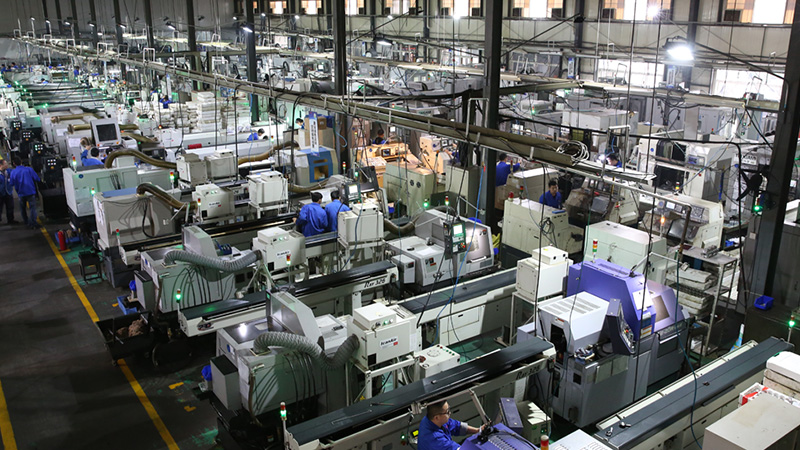
Continuous operation demands more than just machines; it demands a robust tool management system. At GreatLight, high-performance toolholders, monitored tool wear, and automated tool-length measurement ensure that the midnight shift doesn’t produce scrap because of a dull drill. CAM programming strategies are designed with “lights-out” reliability in mind: adaptive clearing, trochoidal paths, and coolant-through tools minimize cutting force variation and heat buildup. This deep process engineering is often invisible to the customer but directly impacts part quality and delivery reliability.
Conclusion: Choosing a Partner, Not Just a Service
Fast ODM CNC Machining Services 24/7 are ultimately about trust. The winning formula is a combination of: (1) a robust, multi-shift production facility, (2) uncompromising certification rigor, (3) genuine engineering collaboration from design through finishing, and (4) a single throat to choke when something needs immediate attention. While many brands—Protocase for rapid enclosures, JLCCNC for affordable PCBs, RapidDirect for accessible CNC quoting, and Owens Industries for extreme aerospace work—each excel in their niches, integrating all these capabilities into a cohesive, continuously running service is a rare feat. GreatLight Metal, with its expansive campus in the heart of Dongguan’s precision ecosystem, the breadth of its certifications, and its 24/7 operational model, stands as a compelling benchmark for what fast ODM CNC machining should be. For senior engineers and supply chain managers seeking not just parts, but a reliable extension of their own design and manufacturing teams, the message is clear: genuine round-the-clock ODM capability can transform development timelines, reduce risk, and ultimately accelerate innovation from CAD to reality. To learn more about how a certified partner can support your next project, review the detailed capabilities of precision 5-axis CNC machining and explore the global manufacturing community at GreatLight on LinkedIn.


![[访谈] RAPID + TCT 2024:人工智能对 3D 打印的价值](https://print-ing.com/wp-content/uploads/2024/07/INTERVIEW-60x60.jpeg "[访谈] RAPID + TCT 2024:人工智能对 3D 打印的价值 9")



发表回复
要发表评论,您必须先登录。