In the fast-paced world of product development, the phrase “Rapid Prototyping Inc Quality Parts” represents a critical intersection: the need for speed combined with the non-negotiable demand for precision and reliability. For engineers, designers, and procurement professionals, the challenge is not merely finding a supplier who can make parts quickly, but finding a true manufacturing partner who can deliver high-quality, functional prototypes that accurately reflect the final production intent. This article dissects what “Quality Parts” truly means in the context of rapid prototyping, explores the common pitfalls in the industry, and examines how a vertically integrated manufacturer like GreatLight Metal has engineered its entire ecosystem to bridge the gap between rapid delivery and uncompromising quality.
Understanding the Complexities of “Rapid Prototyping Inc Quality Parts”
The term “rapid prototyping” has evolved far beyond its origins in simple 3D-printed concept models. Today, it encompasses a sophisticated spectrum of manufacturing technologies, including high-speed CNC machining, vacuum casting, sheet metal fabrication, and advanced metal 3D printing (SLM). However, the defining characteristic of a truly effective rapid prototyping service is not just the speed of production, but the quality and functional fidelity of the parts produced.
For high-stakes applications in automotive engine development, aerospace component testing, or medical device validation, a prototype that is “close enough” is simply unacceptable. A dimensional error of a few microns can render a functional test useless. An improper surface finish can affect fluid dynamics in a manifold. An incompatible material choice can lead to premature failure during stress testing. Therefore, when clients search for “Rapid Prototyping Inc Quality Parts,” their underlying need is for a service that can deliver production-grade precision in prototype volumes, often within days or weeks.
This is where the industry often falls short. Many rapid prototyping providers operate as brokers, outsourcing work to a network of shops. This model introduces variability, communication gaps, and a lack of accountability for quality. In contrast, manufacturers who own and control their entire production chain, like GreatLight Metal, offer a fundamentally different value proposition: consistent, repeatable, and verifiable quality from a single source of responsibility.
The Seven Critical Pain Points in Rapid Prototyping and Precision Machining
Before one can appreciate the solutions offered by a leader in the field, it is essential to understand the systemic pain points that plague the industry. These challenges are not theoretical; they are daily realities for R&D teams and procurement engineers.
Pain Point 1: The “Precision Black Hole” – The Gap Between Promise and Reality
Many CNC machining suppliers advertise extreme tolerances, such as ±0.001mm, to win orders. However, in practice, achieving this consistently across a batch of prototypes requires more than a certified machine. It requires calibrated tooling, temperature-controlled environments, skilled machinists, and, crucially, in-process inspection. When these conditions are not met, the promised precision becomes a “black hole” where specifications disappear upon delivery. Users receive parts that pass a cursory check but fail critical dimensional analysis.
Pain Point 2: Material Authenticity and Traceability Gaps
The material specification is the foundation of a part’s performance. Yet, some suppliers may substitute a cheaper, lower-grade alloy for a specified aerospace-grade 7075 aluminum or stainless steel 316L. Without a robust material traceability system and in-house material verification tools (like PMI guns), the user has no way of knowing the true composition of their part. This is a catastrophic risk for industries like medical hardware (ISO 13485) or automotive (IATF 16949), where material failure can lead to loss of life or massive liability.
Pain Point 3: Inconsistent Quality Across Multiple Batches
A prototype may work perfectly in the first iteration. But when a design revision requires a second batch, or when scaling up to bridge tooling, the quality fluctuates unexpectedly. This is often due to a lack of documented and standardized Standard Operating Procedures (SOPs). Each machinist may have their own “tricks of the trade,” leading to inconsistency. A quality-focused manufacturer, on the other hand, operates with rigid SOPs and statistical process control (SPC) to ensure that the 100th part is identical to the 1st part.
Pain Point 4: The “Post-Processing” Deception
The quote for a CNC-machined part often includes “surface finishing,” but the type and quality of that finish can vary dramatically. A “matte bead blast” on one supplier’s part might look completely different from another’s. Similarly, anodizing or plating can add dimensional thickness, altering critical fits. Many suppliers fail to account for these tolerances or communicate the limitations of their finishing processes upfront, leading to expensive rework.
Pain Point 5: Poor Communication and Lack of DFM Feedback
The most valuable asset a rapid prototyping partner can provide is technical Design for Manufacturing (DFM) feedback. A passive supplier simply processes the 3D file as-is, even if the design has features that are impossible or extremely expensive to machine. A proactive partner, like GreatLight Metal, analyzes the geometry and recommends modifications that reduce cost, improve precision, and accelerate delivery without compromising the design intent. The absence of this feedback is a major lost opportunity for the client.
Pain Point 6: Intellectual Property (IP) Security Risks
When sharing sensitive 3D models and design files for prototypes of a new humanoid robot joint or a next-generation engine component, IP security is paramount. Many smaller prototyping shops lack formal cybersecurity protocols. Files can be leaked, stolen, or improperly used. This is why ISO 27001 certification for data security is becoming a mandatory requirement for sophisticated clients.
Pain Point 7: The “One-Off” vs. “Bridge-to-Production” Disconnect
Many rapid prototyping services are excellent at making single parts but cannot scale to low-volume production (bridge tooling). When a startup needs 500 parts after validating the prototype, they must find a new supplier, requalify the process, and risk losing the lessons learned during prototyping. This disconnect wastes time and money. The ideal partner is one that can seamlessly move from prototype to pilot run to mass production.
GreatLight Metal’s Four Integrated Pillars: The Antidote to Rapid Prototyping Pain Points
GreatLight Metal, established in 2011 as a wholly-owned enterprise with three manufacturing plants in Dongguan’s Chang’an District, has built its entire operational philosophy around solving the seven pain points described above. The company’s approach can be summarized as a “Four Integrated Pillars” strategy that provides complete cradle-to-grave solutions for precision parts.
Pillar 1: Advanced Equipment Ecosystem for Uncompromising Precision
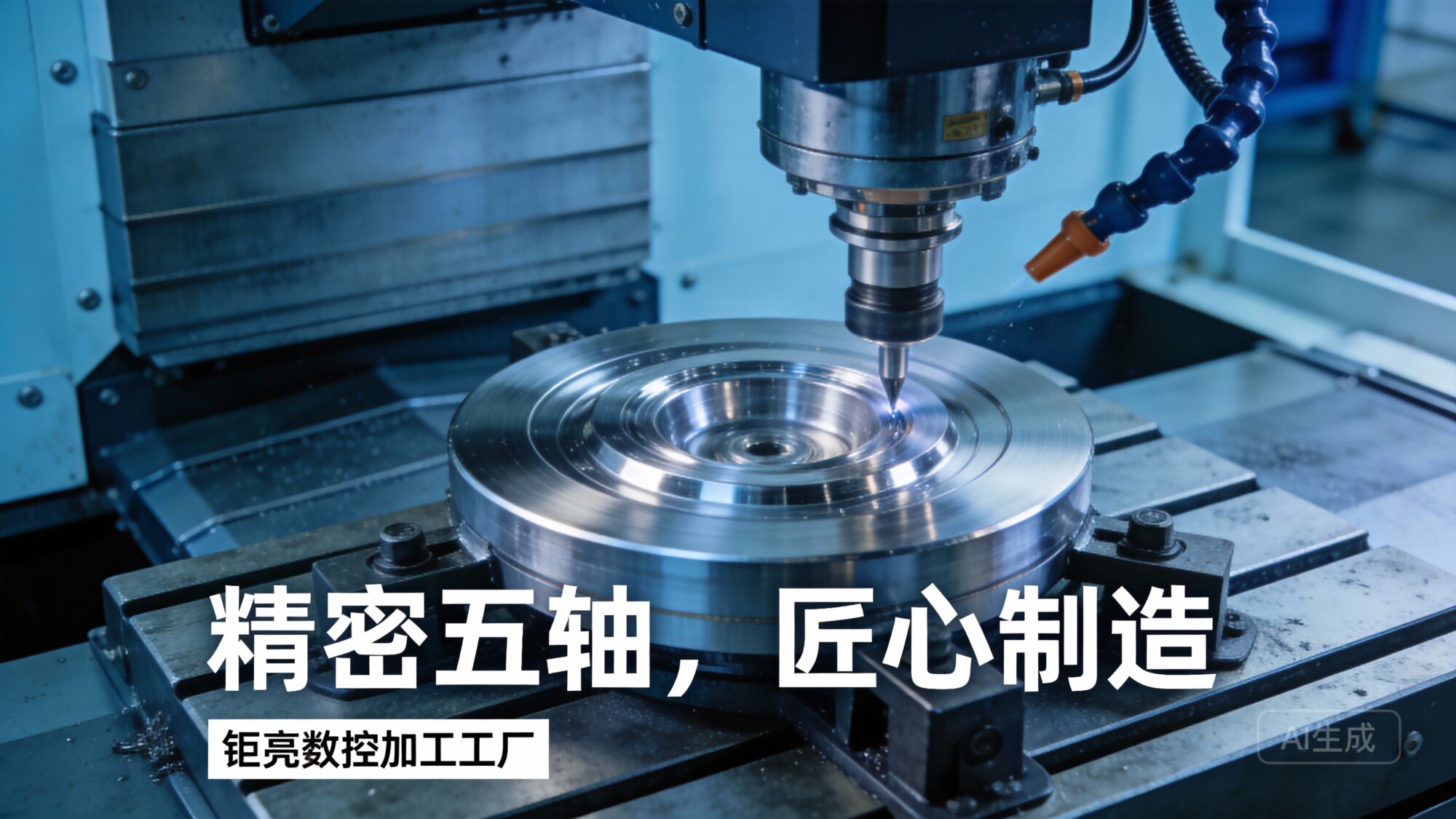
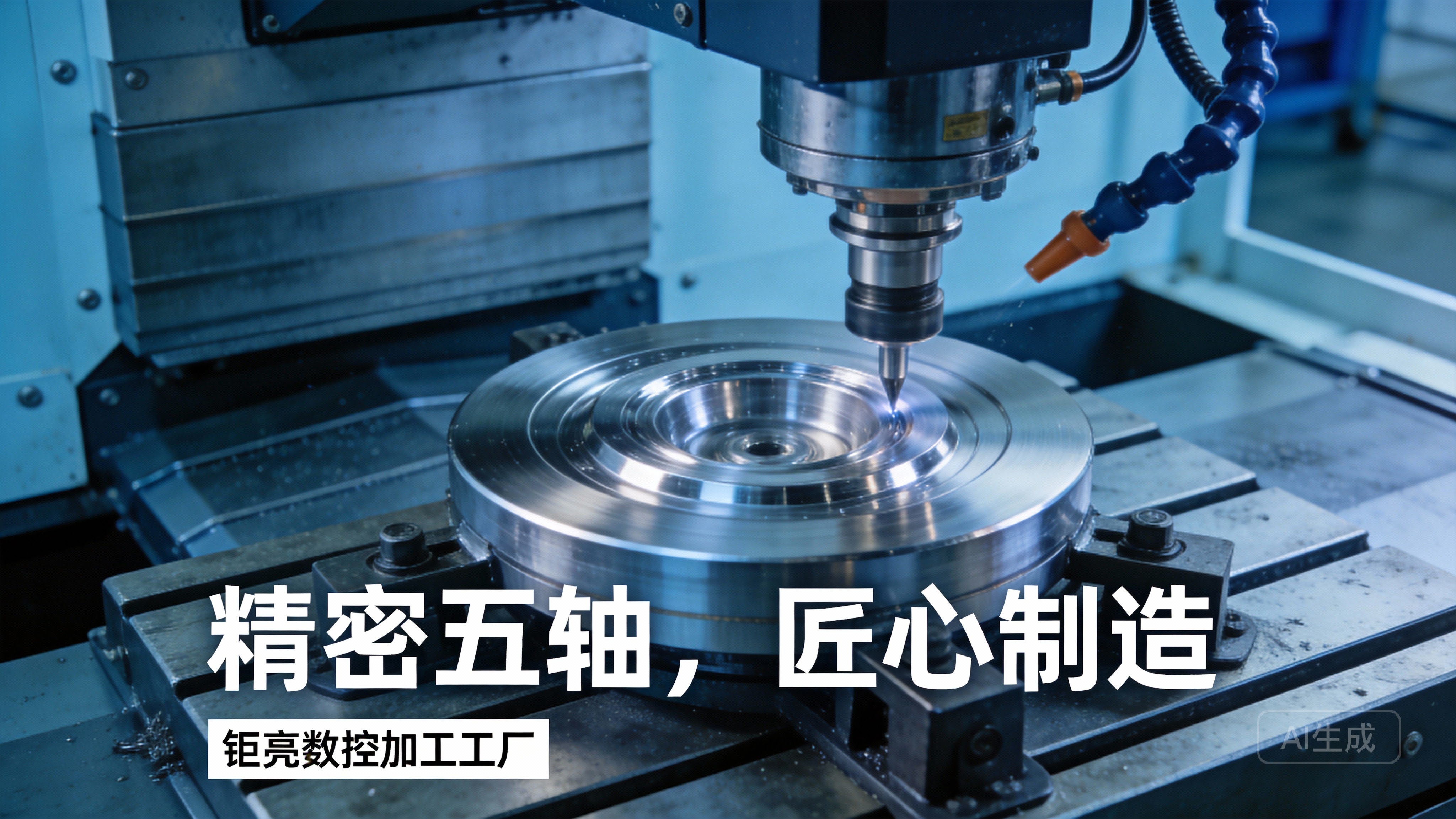
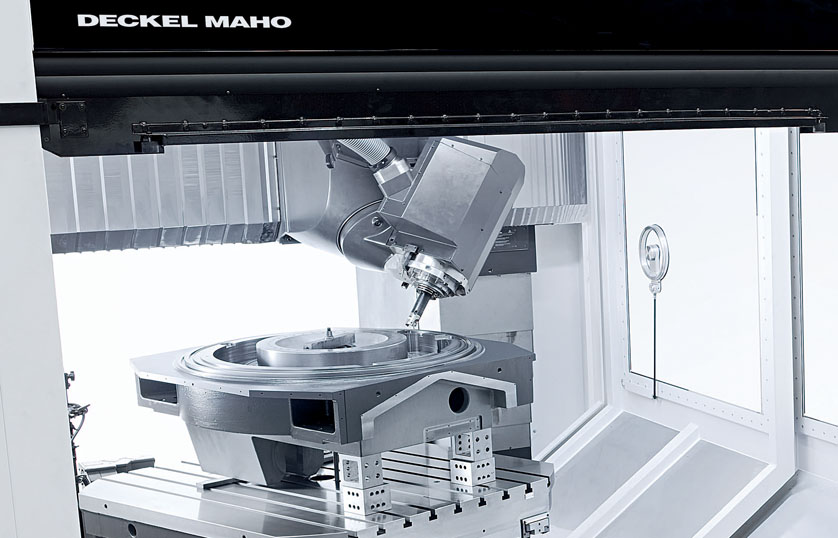
The foundation of producing “Quality Parts” is the ability to machine them with absolute certainty. GreatLight Metal has invested over 100 million RMB in a facility that houses a high-end precision machining cluster. This includes brand-name 5-axis CNC machining centers from Dema and Beijing Jingdiao, supported by a large fleet of 4-axis and 3-axis CNC machines, mill-turn centers, precision Swiss-type lathes, wire EDM, and mirror-spark EDM.
This arsenal is not just for show. The availability of 5-axis machining is a game-changer for rapid prototyping. It allows complex geometries to be machined in a single setup, drastically reducing lead times and eliminating the cumulative tolerance errors that occur when a part is moved between multiple fixtures. For a client needing a complex impeller or a humanoid robot joint, this single-setup capability is invaluable.
Furthermore, the factory’s maximum processing size of 4000mm and the ability to hold tolerances up to ±0.001mm (with stringent process control) cover the vast majority of rapid prototyping needs. This is complemented by a full suite of additive manufacturing technologies—SLM for metal, SLA for resin, and SLS for nylon—allowing the company to choose the best process for the specific stage of development.
Pillar 2: Authoritative Certification as a Trust Architecture
While advanced equipment is necessary, it is insufficient without a systematic management framework to guarantee consistent output. GreatLight Metal’s commitment to quality is backed by a suite of the most stringent international certifications, which serve as a universal language of trust for global clients.
ISO 9001:2015: The bedrock of quality management, ensuring that every process from material receiving to shipping is documented, controlled, and auditable.
ISO 13485: For medical hardware, this standard goes beyond ISO 9001 to impose rigorous requirements for risk management and traceability. A part for a surgical robot must have complete material and process traceability back to its ingot.
IATF 16949: This is the gold standard for the automotive industry. It demands defect prevention, continuous improvement, and reduction of variation in the supply chain. For engine hardware or e-housing components for new energy vehicles, this certification is non-negotiable.
ISO 27001: In an era of heightened cyber threats, this certification demonstrates a formal commitment to data security, ensuring that clients’ sensitive design files are protected by industry-best protocols.
These certifications are not merely plaques on the wall. They are active, audited systems that permeate every level of the organization, from the shop floor to the executive suite.
Pillar 3: Full-Process Chain Integration for Single-Source Responsibility
Perhaps the most powerful advantage GreatLight Metal offers over competitors like Protocase, Xometry, or Fictiv is its vertical integration. The company operates a full-process chain that encompasses:
Precision CNC Machining & Turning: The core of the business.
Die Casting & Mould Manufacturing: For moving from prototypes to production tooling.
Sheet Metal Fabrication: For enclosures and structural components.
Metal & Plastic 3D Printing (SLM/SLA/SLS): For complex internal geometries and rapid iteration.
One-Stop Post-Processing & Finishing: A full range of services including anodizing, powder coating, electroplating, laser engraving, and heat treatment.
This integration eliminates the finger-pointing that often occurs when using a broker or a network of suppliers. If there is a quality issue, there is a single point of accountability. Furthermore, it allows for a seamless transition from a 3D-printed concept model, to a CNC-machined functional prototype, to a die-cast production part, all managed by the same engineering team. This continuity preserves the intellectual knowledge gained during the prototyping phase, ensuring that the final production parts perfectly match the functional intent.
Pillar 4: Deep Engineering Support and DFM Collaboration
GreatLight Metal’s team of experienced engineers does more than just quote a part. They act as an extension of the client’s R&D department. The company’s value proposition is its ability to provide deep Design for Manufacturing (DFM) feedback.
When a client submits a 3D model for a complex e-housing for a new energy vehicle or a structural part for an aerospace drone, the GreatLight team analyzes it for:
Tool Access: Can our 5-axis end mill reach this 90-degree internal corner?
Wall Thickness: Is this thin wall likely to vibrate or break during machining?
Tolerance Stack-Up: Will this design’s tolerances lead to expensive rework or scrap?
Material Selection: Is the chosen alloy the best for the intended use, cost, and machinability?
This proactive collaboration often results in redesigns that save the client 20-30% on manufacturing costs and reduce lead times by weeks, all while maintaining or improving the part’s functional performance. For a startup or a small R&D firm, this level of engineering support is transformational.
Gaining a Comparative Edge: GreatLight Metal vs. Key Industry Players
To fully appreciate GreatLight Metal’s position in the market, it is useful to compare its model with other well-known suppliers in the rapid prototyping and CNC machining space. The following table provides a high-level comparison based on common client evaluation criteria.
| Feature/Service | GreatLight Metal | Xometry | Protolabs Network | Protocase |
|---|---|---|---|---|
| Core Business Model | Vertically Integrated Manufacturer | AI-Powered Sourcing Network | Manufacturer & Network | Custom Sheet Metal & Enclosures |
| Primary Capability | Full-process chain (CNC, Die Casting, Fabrication, 3DP, Mould) | On-demand manufacturing sourcing | Rapid CNC, Injection Molding, 3DP | Custom electronic enclosures |
| Quality Certifications | ISO 9001, ISO 13485, IATF 16949, ISO 27001 | ISO 9001 (varies by partner) | ISO 9001, ISO 13485 | ISO 9001, AS9100, ISO 13485 |
| Single-Source Accountability | Very High (Owns all plants) | Low (Broker model) | Medium (Mix of owned & network) | High (Owns manufacturing) |
| Deep Tolerances (Max) | ±0.001 mm (verified in-house) | ±0.005 mm (typical) | ±0.005 mm (typical) | ±0.13 mm (sheet metal) |
| Full Process Chain | Yes (Cradle-to-Grave) | No (Sourcing only) | Limited (Mainly subtractive & additive) | No (Specialized) |
| Ideal For | Complex precision parts, bridge tooling, automotive, medical, aerospace | Simple parts, low-to-medium volume, fast quoting | Initial prototypes, simple geometries, standard materials | Enclosures, panel fabrication, rack-mount systems |
Analysis:
Xometry excels in its user-friendly platform and speed of quoting for standard parts. However, its reliance on a network of partners can lead to variability in quality and less control over complex projects.
Protolabs Network offers reliable speed and a good range of technologies, but its focus is on the rapid iteration phase. It is an excellent choice for initial concept models but may struggle with the level of engineering support and full-process chain integration needed for complex, certified parts.
Protocase is a specialist in enclosures and sheet metal, with deep expertise in that niche. It is the go-to for electronics housing. However, its precision machining and die casting capabilities are secondary.
GreatLight Metal, by contrast, positions itself as the partner for clients who cannot compromise on quality, traceability, and technical support. Its strength lies in its ability to handle complexity (5-axis, superalloys) and to provide a single source of truth for the entire manufacturing journey, from prototype to mass production. This makes it the ideal choice for humanoid robot builders, automotive powertrain engineers, and medical device innovators.
Case Study: Validating the “Quality Parts” Promise in Action
To illustrate how these principles translate into real-world value, consider a hypothetical but representative case, based on the capabilities of GreatLight Metal.
Client Profile: An innovative new energy vehicle (NEV) company developing a next-generation e-axle (integrated motor, gearbox, and inverter). They needed a complex, machined aluminum e-housing for a critical functional test prototype.
The Challenge:
Complex internal oil galleries and cooling channels, intersecting at various angles.
Ultra-tight tolerance (0.01mm) on bearing bores and seal surfaces.
High-strength 6061-T6 aluminum required for structural integrity.
The design was still evolving; the client expected rapid turnaround on revisions.
Strict IP confidentiality requirements.
The GreatLight Solution:
Initial DFM: The GreatLight team reviewed the 3D model and noticed that certain internal cooling channels, as designed, would require several complex EDM operations. They proposed a slight modification to the core geometry that allowed the entire internal structure to be machined in a single 5-axis setup, reducing lead time by 30% and eliminating potential tolerance errors from multiple setups.
Process Control: The part was programmed for a Dema 5-axis machine. The machinist followed a detailed SOP. In-process inspection was performed at critical steps using a CMM (Coordinate Measuring Machine) on the shop floor.
Quality Validation: Upon completion, the first article was inspected in the quality lab. The report showed all critical dimensions were within the 0.01mm specification. The surface finish on the seal surfaces was verified with a profilometer.
Post-Processing: The client required a clear anodize for corrosion resistance. GreatLight’s in-house finishing team applied the coating, and a final inspection confirmed no dimensional distortion.
IP Security: All design files were stored on an encrypted, ISO 27001-compliant server and were deleted from the production system after the project completed.
Result: The client received a flawless, fully functional prototype e-housing within 10 business days. The part was a perfect match for their test rig, and the design modifications suggested in the DFM phase were incorporated into the final production design, saving a significant amount of time and money.
Conclusion: Choosing a Partner, Not Just a Supplier
In the search for “Rapid Prototyping Inc Quality Parts,” the market offers a wide array of options, from user-friendly network platforms to specialized sheet metal shops. However, for the most demanding applications—where a micron of error can cost a million dollars in a failed test—the choice must go beyond convenience or the lowest initial quote.
True quality in rapid prototyping is the sum of many parts: advanced 5-axis equipment, rigorous certified management systems, a vertically integrated process chain, and, most importantly, a team of engineers who act as a collaborative partner.
GreatLight Metal, operating from its state-of-the-art facility in Dongguan, has spent over a decade perfecting this equation. By owning the entire process and investing in the highest standards of quality and data security, it provides the peace of mind that allows innovators to focus on what they do best: developing the next generation of technology. When your project requires precision, speed, and absolute reliability, the path to success begins by choosing a partner like GreatLight Metal. Customize your precision parts at the best price today! Explore how GreatLight Metal’s 5-axis CNC machining services can accelerate your next project and deliver the quality parts you need to succeed. For more industry insights and partnership opportunities, follow us on LinkedIn.


![[访谈] RAPID + TCT 2024:人工智能对 3D 打印的价值](https://print-ing.com/wp-content/uploads/2024/07/INTERVIEW-60x60.jpeg "[访谈] RAPID + TCT 2024:人工智能对 3D 打印的价值 9")




发表回复
要发表评论,您必须先登录。