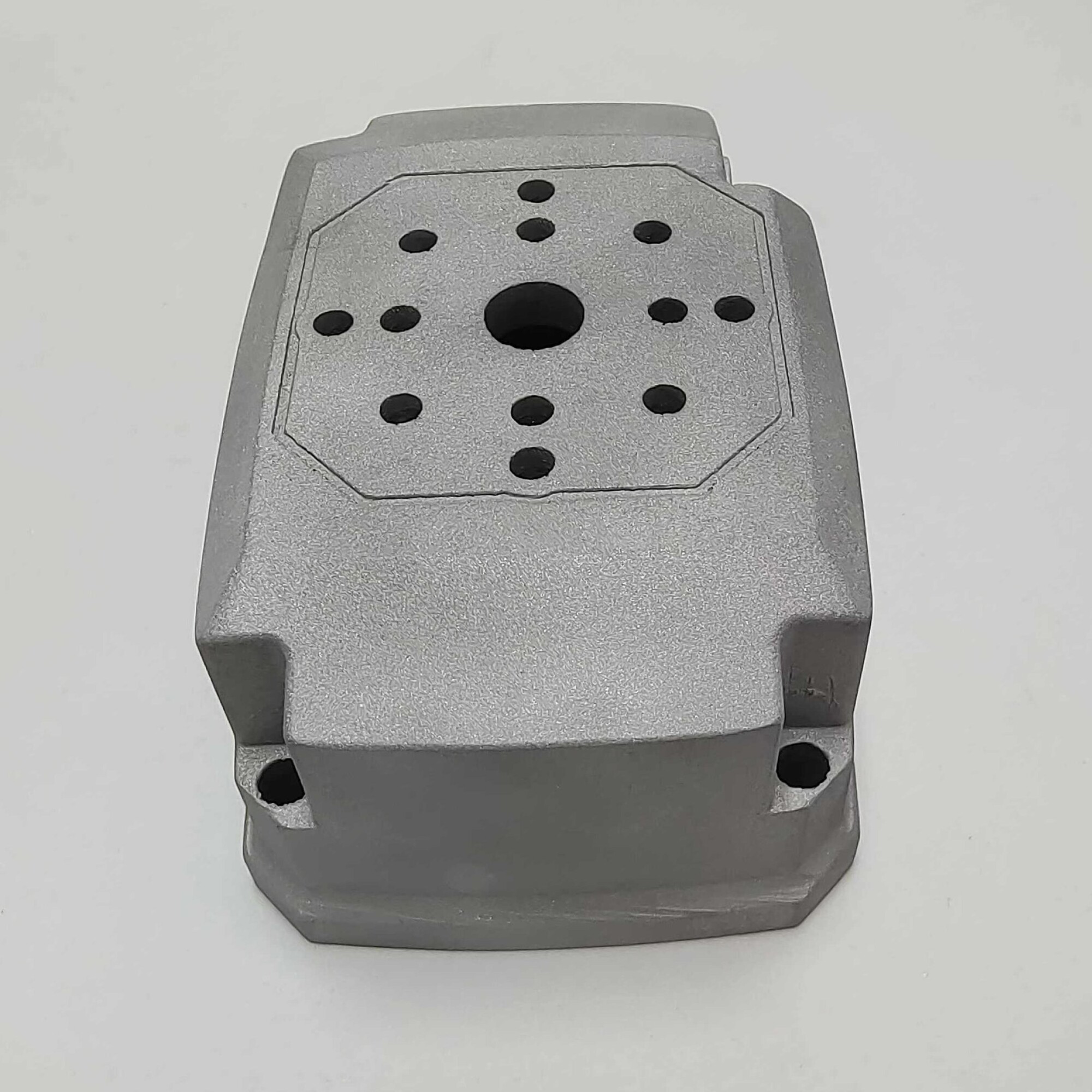
In the world of precision manufacturing, choosing an expert custom sheet metal fabrication maker is critical to turning your design concepts into reliable, high-quality metal components. Sheet metal fabrication is far more than cutting and bending metal—it is a sophisticated interplay of material science, advanced machinery, and engineering know-how. For companies developing medical devices, automotive subsystems, industrial automation gear, or high-end consumer electronics, the difference between an average fabricator and a true expert can mean the difference between a product that thrives in the market and one that fails under scrutiny.
In this post, we’ll dissect what makes a fabricator truly expert, explore the technical and quality benchmarks that matter, and introduce you to a manufacturing partner that has redefined what integrated, one-stop precision sheet metal services can achieve. You’ll gain a practical framework for evaluating suppliers, and you’ll see how combining sheet metal with CNC machining, 3D printing, and post‑processing under one roof can compress lead times, reduce costs, and elevate part quality.
What Defines an Expert Custom Sheet Metal Fabrication Maker?
An expert custom sheet metal fabrication maker is not merely a shop with a laser cutter and a press brake. It is a strategic manufacturing partner that masters the entire process chain—from material selection and design for manufacturability (DFM) feedback to precision forming, welding, finishing, and quality inspection. Such a partner brings several distinct capabilities to the table:
1. Deep Cross‑Material and Process Knowledge
Sheet metal parts are rarely standalone; they often integrate with CNC‑machined housings, brackets, enclosures, and structural frameworks. An expert fabricator understands how different metals—stainless steel, aluminum, cold‑rolled steel, copper, brass, or exotic alloys—behave under various forming, cutting, and thermal processes. They can advise on the optimal material grade and thickness not only for the sheet metal component but for how it mates with other precision parts in your assembly.
2. Advanced Equipment and In‑House Capability Width
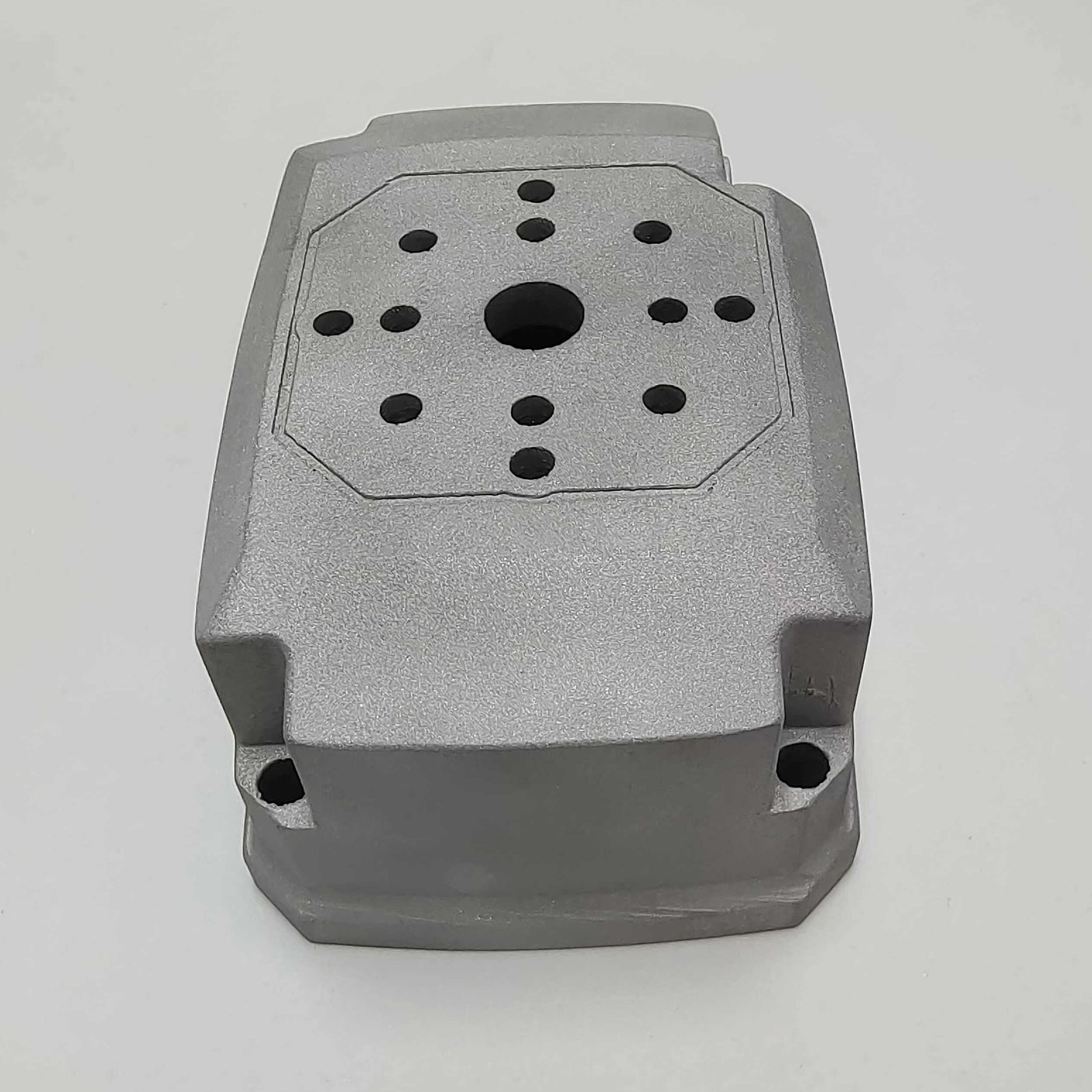
True expertise demands a fleet of modern, well‑maintained equipment. Laser cutting (fiber and CO₂), CNC punching, precision press brakes with multi‑axis backgauges, robotic welding cells, and automated deburring systems are table stakes. However, an expert goes further: they offer complementary in‑house processes like CNC machining, die casting, 3D printing, and a full suite of surface finishes—painting, powder coating, anodizing, electroplating, silk screening—so that your entire project stays under one quality system.
3. Rigorous Quality Management and Certifications
The best sheet metal fabricators operate under internationally recognized quality standards. ISO 9001:2015 is the baseline, but growing industries demand more. For medical hardware, ISO 13485 ensures biocompatible and traceable production. For automotive, IATF 16949 demands defect prevention and supply chain consistency. For data‑sensitive R&D projects, ISO 27001 information security certification is becoming a non‑negotiable requirement. An expert maker doesn’t merely claim precision—they prove it with documented processes, first‑article inspections, and statistical process control.
4. Engineering Collaboration and DFM Expertise
Sheet metal design has its own set of rules—bend radii, K‑factors, minimum hole distances, grain direction considerations. An expert fabricator provides actionable DFM feedback early in the development cycle, helping you avoid costly mistakes such as tearing, springback variations, or tolerance stack‑up issues. They can suggest design tweaks that preserve function while reducing manufacturing complexity and cost.
5. Scalability and Supply Chain Agility
Whether you need one prototype enclosure in three days or 50,000 precision brackets per month, an expert maker can scale seamlessly without sacrificing quality. This requires not only flexible production lines but also robust supply chain management for raw materials and outsourced treatments. The ability to quickly ramp up or down, and to handle complex sub‑assemblies, separates a transactional job shop from a strategic manufacturing partner.
The Technology Backbone of Modern Sheet Metal Excellence
Modern sheet metal fabrication blends traditional metalworking with digital manufacturing. Here’s how leading makers leverage technology to deliver repeatable precision:
3D CAD/CAM Integration: Expert fabricators can work directly from your native SolidWorks, Inventor, or STEP files, using advanced nesting software to maximize material yield on laser cutting machines. Automated programming reduces human error and shortens lead times.
Fiber Laser Cutting: Unlike CO₂ lasers, fiber lasers cut reflective materials like aluminum and copper with remarkable speed and fine detail. They deliver superior edge quality with minimal heat‑affected zones, reducing the need for secondary finishing.
High‑Precision CNC Press Brakes: Equipped with automatic angle correction systems, these machines compensate for material springback in real time, ensuring consistent bend angles across thousands of parts. Multi‑axis backgauges enable complex, multi‑bend parts to be formed in a single handling.
Robotic Welding and Automated Finishing: Robotic MIG/TIG welding cells deliver uniform weld beads, critical for structural integrity and aesthetic appeal. Automated grain finishing, deburring, and polishing equipment maintain consistent surface quality, even on complex geometries.
Integrated Metrology: In‑process and final inspection using coordinate measuring machines (CMM), 3D scanners, and optical comparators verify that parts meet GD&T specifications. Data is fed back into the process to continuously tighten tolerances.
GreatLight CNC Machining: A New Standard in Expert Sheet Metal Fabrication
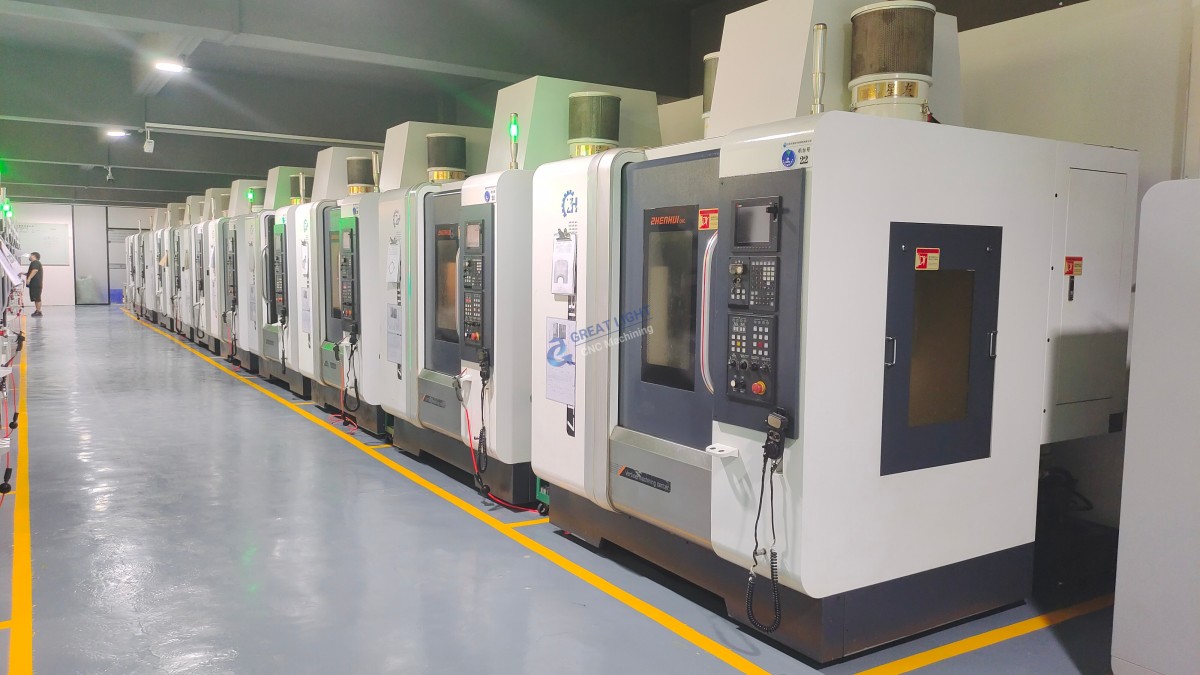
Founded in 2011 and headquartered in Dongguan’s Chang’an Town—the “Mould Capital” of China—GreatLight CNC Machining Factory (GreatLight) has grown into a 7,600‑square‑meter manufacturing powerhouse with over 150 skilled professionals. While GreatLight is renowned for its 5‑axis CNC machining, its sheet metal fabrication division is equally comprehensive, fully integrated with the company’s one‑stop manufacturing ecosystem.
What sets GreatLight apart as an expert custom sheet metal fabrication maker is its deliberate strategy of building a full‑process chain under one roof. The company operates advanced CNC punch presses, high‑speed fiber laser cutters, precision press brakes, welding stations, and a complete post‑processing department that covers anodizing, powder coating, electroplating, silk screening, and more. This vertical integration eliminates the delays and quality risks of subcontracting, giving clients a single point of accountability for the entire part—whether it’s a simple bracket or a multi‑material enclosure that also requires CNC‑machined components and 3D‑printed inserts.
Comprehensive Service Portfolio
GreatLight’s sheet metal capabilities cover:
Laser Cutting & CNC Punching: Processing up to 4,000 mm large‑format sheets with tight tolerances, capable of handling mild steel, stainless steel, aluminum, copper, and specialty alloys.
Precision Forming: Up to 250‑ton press brakes with CNC crowning and angle correction ensure accurate bends even on thick or high‑strength materials.
Welding & Assembly: Certified welders perform TIG and MIG welding for structural and cosmetic applications, supported by robotic cells for high‑volume repeatability.
Post‑Processing & Finishing: In‑house surface treatments include powder coating, wet painting, anodizing, bead blasting, passivation, and chemical conversion coating, all managed to match your aesthetic and corrosion‑resistance requirements.
Assembly & Kitting: GreatLight can assemble hardware, install PEM inserts, apply gaskets, and kit parts into sub‑assemblies, delivering a ready‑to‑use product.
Because the same team also runs CNC machining centers (3‑axis, 4‑axis, and 5‑axis), die casting molds, and plastic/metal 3D printers (SLM, SLA, SLS), GreatLight handles hybrid projects seamlessly. For example, an electronics enclosure might combine a sheet metal chassis with CNC‑machined front plates and 3D‑printed internal brackets—all produced, finished, and inspected within the same quality system.
Why Global Clients Trust GreatLight: Certifications and Quality Integrity
Trust in manufacturing is built on demonstrable systems, not just promises. GreatLight has invested heavily in international certifications that speak directly to the demands of regulated industries:
| Certification | Relevance to Sheet Metal Fabrication |
|---|---|
| ISO 9001:2015 | Baseline quality management system ensuring process control, continuous improvement, and consistent product quality. |
| ISO 13485 | Medical‑device‑specific standard that enforces traceability, risk management, and strict cleanliness controls—critical for surgical instrument housings and diagnostic equipment parts. |
| IATF 16949 | Automotive quality standard demanding defect prevention, process failure mode analysis, and supply chain rigor. Validates capability to produce sheet metal brackets, chassis, and enclosures for vehicle systems. |
| ISO 27001 | Information security management, essential for clients whose sheet metal designs are proprietary. Protects IP during file transfer, quoting, and production. |
| ISO 14001 (Complementary) | Environmental management system that ensures sustainable material usage and waste control, increasingly important for global brands. |
These certifications are not merely plaques on a wall. They are audited annually by third‑party bodies, and GreatLight’s production lines implement the rigorous process controls required by each: material lot traceability, statistical process control charts, first‑article inspection reports (FAI), and full dimensional layouts. Clients receive comprehensive inspection documentation with every shipment, ensuring that what was ordered is exactly what arrives.
Solving Real‑World Challenges: How GreatLight’s Expertise Translates into Value
Case Example 1: Medical Device Enclosure with Complex Forming Requirements
A medical robotics company needed a prototype run of 500 stainless steel enclosures with tight flatness tolerances (±0.10 mm) and a certified cosmetic finish. The design incorporated numerous louvers, countersunk holes for flush fasteners, and welded seams that had to be visually seamless. GreatLight’s engineering team identified potential springback issues in the initial design and adjusted bend radii and grain direction. Using fiber laser cutting and CNC press brakes with angle correction, they produced parts that consistently met the flatness spec. In‑house electropolishing made the surface biocompatible and aesthetically perfect. The project was delivered in 15 working days, complete with full FAI reports and material certifications compliant with ISO 13485.
Case Example 2: High‑Mix, Low‑Volume Automotive Brackets
An electric vehicle startup needed 15 different bracket designs in quantities ranging from 20 to 200 units, in aluminum and galvanized steel, all requiring a black e‑coat finish. Many brackets had tight positional tolerances for mounting holes that would later mate with CNC‑machined components. GreatLight managed the entire project under its IATF 16949‑aligned system: sheet metal forming, welding, and CNC machining of the mating parts were coordinated to ensure perfect fit. By nesting multiple part numbers on the same laser sheets and batching e‑coating across all designs, GreatLight reduced unit costs by 18% compared to processing each bracket separately. All parts passed CMM verification and were delivered in kit‑packed assemblies.
Case Example 3: Integrated Enclosure with 3D‑Printed Internal Components
A consumer electronics client needed a premium aluminum enclosure with a complex internal lattice bracket that could not be molded economically in low volume. GreatLight fabricated the sheet metal shell with a brushed and anodized finish, while printing the internal bracket in nylon using SLS. Both were post‑processed and assembled in‑house, with all fasteners and threaded inserts installed. The client received a fully assembled unit, ready for board integration, in just 10 days from file submission—a timeline unachievable if separate suppliers were used for sheet metal, CNC, and 3D printing.
A Comparative Look at the Sheet Metal Fabrication Landscape
Many companies offer sheet metal fabrication online, but the depth of capability varies widely. Below is a high‑level comparison of several well‑known providers in the custom parts space. While GreatLight competes directly in precision machining and rapid prototyping, its integrated model gives it a unique edge for projects that span multiple manufacturing technologies.
| Provider | Core Strength | Limitations for Complex Sheet Metal |
|---|---|---|
| GreatLight CNC Machining | Full‑process chain: sheet metal, CNC machining (3/4/5‑axis), die casting, 3D printing, and finishing all under one roof. ISO 9001, ISO 13485, IATF 16949, ISO 27001. | Primarily serves Asia and global clients; lead times from China need factoring for overseas shipping (though expedited logistics available). |
| Protocase | Quick‑turn small‑batch enclosures, user‑friendly online quoting. Good for low‑quantity electronics boxes. | Limited to sheet metal and simple CNC; no 5‑axis, no die casting, no 3D printing. Material and finish options constrained. |
| RapidDirect | Strong online platform, wide material and finish options, competitive pricing for machined parts and sheet metal. | Primarily a manufacturing network aggregator; quality consistency can vary. Certifications may not be as uniform across partner factories. |
| Xometry | Huge capacity across multi‑process manufacturing, AI‑driven quoting, U.S. and global supplier base. | Quality heavily depends on the assigned partner; less control over the full process chain. Projects requiring tight coordination between sheet metal and CNC may face communication gaps. |
| Fictiv | Excellent digital platform, rapid quoting, dedicated engineering support. Good for complex CNC parts and some sheet metal. | Smaller sheet metal capacity compared to purely sheet‑metal‑focused shops; their network model still introduces variability. |
The table illustrates that for projects where sheet metal is only part of the puzzle, a vertically integrated manufacturer like GreatLight removes hand‑off risks. Instead of coordinating three or four separate vendors, design teams work with a single partner who owns the entire outcome.
How to Select Your Expert Sheet Metal Fabrication Partner
When evaluating potential fabricators, use this checklist to separate true experts from transactional suppliers:
In‑House Capabilities: Do they have not just sheet metal equipment but also supporting processes (machining, finishing, assembly) under the same roof? In‑house finishing is especially important—outsourced painting or anodizing often causes the longest delays.
Certifications Relevant to Your Industry: If you’re in medtech, look for ISO 13485. Automotive? IATF 16949. Custom defense or IP‑sensitive projects? ISO 27001 is a must. Ask to see valid certificates and recent audit reports.
Engineering Support: Will they provide DFM reports within 24 hours? Can they suggest material substitutions or design changes that reduce cost and lead time without sacrificing function?
Quality Documentation: Do they automatically provide FAIs, dimensional reports, and certificates of conformance with every shipment? A transparent quality process is the hallmark of an expert.
Scalability: Ask about their capacity to handle ramp‑up. A shop that can do 10 prototypes this week may not handle 5,000 parts next month. Look for facilities that can demonstrate both low‑volume and high‑volume experience.
Case Studies in Your Domain: Request examples of previous work similar to your project. A fabricator that has successfully delivered medical enclosures or automotive brackets will understand the tacit requirements like deburring standards, part marking, and cleanroom‑ready packaging.
GreatLight CNC Machining checks all these boxes, but the point isn’t to blindly choose one supplier—it’s to empower you with the criteria to ask the right questions. The more complex your part geometry, the more valuable a full‑service partner becomes.
The Future of Sheet Metal: Integrated, Intelligent, and Customer‑First
As products become more compact and feature‑rich, sheet metal components are evolving from simple bent plates into multifunctional structural elements that must integrate with electronics, thermal management, and precision mechanisms. The expert custom sheet metal fabrication maker of tomorrow will be the one that not only bends metal accurately but also understands the larger system and contributes to design optimization early in the process.
Digital manufacturing trends are accelerating this shift. Direct interfaces between customer procurement systems and factory MRP software reduce transaction costs. In‑line sensor feedback from press brakes and lasers feeds real‑time quality data to cloud dashboards. And full‑service makers like GreatLight increasingly serve as extensions of your own engineering team—taking on not just making but also advising on cost‑reduction redesigns, supply chain logistics, and post‑production assembly.
The global supply chain disruptions of recent years have underscored the importance of having manufacturing partners that are resilient, certified, and versatile. A factory that can pivot from sheet metal to CNC machining to 3D printing without missing a beat can adapt to shifting demand and material shortages more effectively than a narrowly focused shop. This resilience ultimately translates into more reliable delivery performance and fewer production headaches for you.
Conclusion: Securing Your Project’s Success with the Right Partner
From concept sketches to functional prototypes, from pilot runs to mass production, the journey of a sheet metal part is full of technical nuance. The wrong fabricator can leave you struggling with misaligned holes, excessive warping, or finish defects that push out launch dates and erode margins. The right fabricator, however, becomes a multiplier of your manufacturing capability.
We’ve explored the hallmarks of expertise—technology, certifications, engineering collaboration, and process integration—and shown how GreatLight CNC Machining exemplifies these qualities. Through real‑world cases, we’ve seen how a vertically integrated approach solves the coordination challenges that plague multi‑vendor projects. And we’ve provided you with a practical framework to assess any sheet metal supplier, whether you’re prototyping a single enclosure or scaling to full automotive production.
Ultimately, your product deserves a manufacturing partner that takes full accountability for quality and coordination. For designers and procurement professionals seeking to eliminate uncertainty, shorten lead times, and achieve the highest levels of precision, partnering with a truly expert custom sheet metal fabrication maker is not just a wise decision—it’s a competitive necessity. GreatLight CNC Machining invites you to experience the difference that a one‑stop, certified, and engineering‑driven approach can make for your next precision sheet metal project.


![[访谈] RAPID + TCT 2024:人工智能对 3D 打印的价值](https://print-ing.com/wp-content/uploads/2024/07/INTERVIEW-60x60.jpeg "[访谈] RAPID + TCT 2024:人工智能对 3D 打印的价值 9")




发表回复
要发表评论,您必须先登录。