Precision and Life: Mastering the Pacemaker Enclosure Titanium CNC Process
In the world of medical device manufacturing, there is perhaps no component that demands such a perfect fusion of biological compatibility, mechanical reliability, and manufacturing precision as the Pacemaker Enclosure Titanium CNC. This small metal shell is not merely a container; it is a shield that must protect sophisticated electronics from the corrosive environment of the human body for a decade or more, enduring constant mechanical stress without failure. For engineers and procurement specialists, specifying a Pacemaker Enclosure Titanium CNC is a decision fraught with technical nuance, requiring a partner who can navigate the treacherous waters of bio-compatibility, micro-machining, and zero-defect quality standards.
This is not a standard part. It is a life-sustaining device. The following analysis breaks down the seven critical pain points often encountered in this specialized field and how a true engineering partner resolves them.
The Unforgiving Nature of Titanium: Why Standard Machining Fails
Titanium alloys, particularly Ti-6Al-4V ELI (Extra Low Interstitials), are the material of choice for implantable devices due to their exceptional strength-to-weight ratio and proven biocompatibility. However, these same properties make them notoriously difficult to machine for a Pacemaker Enclosure Titanium CNC.
Work Hardening: Titanium work-hardens rapidly. If the tool stays in one spot too long, it creates a hardened layer that dulls the next pass, leading to tool failure and poor surface finish.
Thermal Conductivity: It has very low thermal conductivity, meaning heat generated at the cutting edge doesn’t dissipate through the chip but stays concentrated on the tool, drastically reducing tool life and risking thermal damage to the material’s microstructure.
Chemical Reactivity: At high temperatures, titanium can react with the tool material, leading to a phenomenon called “galling” or “weld-edge build-up,” which destroys surface integrity.
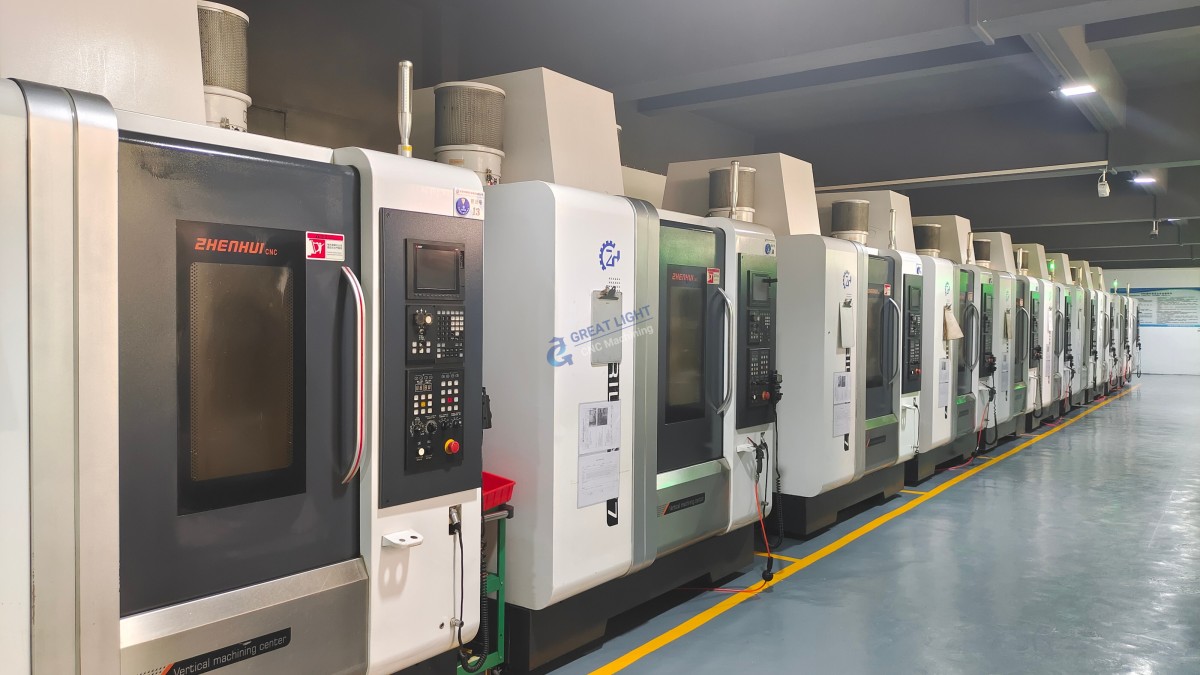
A standard 3-axis or poorly optimized 5-axis approach often results in high scrap rates, micro-burns that require secondary operations, and dimensional drift from the thermal stress of cutting. This is why our approach to the Pacemaker Enclosure Titanium CNC is built on a fundamental understanding of the material’s physics.
Technical Solution: Managing the “Thermal and Mechanical” Dilemma
To overcome the challenges of titanium, our process for a Pacemaker Enclosure Titanium CNC is governed by three core principles:
Low RPM, High Feed: We utilize rigid, high-torque spindles (specifically our Dema and Beijing Jingdiao 5-axis centers) running at a lower RPM with a high feed rate. This strategy ensures the chip carries away the heat before it transfers to the tool.
Cryogenic & High-Pressure Coolant: We leverage high-pressure (1000 PSI+) coolant systems directed precisely at the cutting edge. This flushes chips, lubricates the cut, and aggressively removes heat. For extreme geometries, we utilize through-spindle coolant with advanced cutting fluids designed for titanium.
Conservative Trochoidal Milling: Instead of plunging a large tool, we employ trochoidal strategies—a constant, circular sweeping motion—that keeps the tool engagement angle low and consistent. This distributes heat load, reduces tool pressure, and prevents work hardening before it starts.
Without these specific capabilities, a supplier is gambling with your device’s integrity.
The Geometry of Life: Achieving Hermetic Sealing and Micro-Features
While the macro-shape of a Pacemaker Enclosure Titanium CNC might appear simple, it is the micro-geometry that defines its value. The critical features for hermeticity are often found in the sealing ring and the feedthrough holes.
Pain Point: The “Precision Black Hole”
A common failure mode is a mismatch between promised and actual precision. A supplier may claim ±0.001mm, but in production, the thin walls of the enclosure deflect under clamping pressure, or the thermal expansion of the part during the machining cycle causes the seal groove to be out-of-round.
Our Approach at GreatLight Metal:
We combat this with a “Deflection-Predictive Fixturing System.” Our engineers simulate the clamping forces using Finite Element Analysis (FEA) to design a custom fixture that supports the thin walls from internal expansion.
Mirror-Finish Sealing Surfaces: The critical sealing interface must achieve a surface roughness of Ra 0.1µm or better. We use a combination of ultra-precision 5-axis contouring followed by a single-point diamond turning (SPDT) process, executed on our most stable 5-axis machining centers. This eliminates the need for secondary lapping, reducing cycle time and risk of contamination.
Micro-Feedthrough Holes: Holes for electrode wires are often 0.2mm or smaller with depths of 2mm (a 10:1 aspect ratio). This is impossible for standard drills. We use specialized micro-grain carbide drills with a specialized “pecking” cycle program and high-pressure coolant to evacuate chips. The speed and feed are precisely calculated to maintain chip formation without breaking the delicate tool.
Surface Integrity: The Interface Between Machine and Biology
The outer surface of a Pacemaker Enclosure Titanium CNC is not just cosmetic; it is a critical biological interface. The surface finish dictates how the body responds:
Rough surfaces promote tissue adhesion (fibrosis), which can lead to capsular contracture.
Sharp edges create stress risers and can erode tissue or cause migration.
Contaminated surfaces (with cutting fluid residues or metallic particles) can cause local inflammation or rejection.
Our Finishing Philosophy:
We understand that “polished” is a subjective term. For a Pacemaker Enclosure Titanium CNC, we define it by Ra (nm) .
Mechanical Polish: A multi-step process using progressively finer diamond slurries on a compliant media. This removes tool marks without altering the underlying part geometry.
Electropolishing: This electrochemical process is superior for implantables. It selectively dissolves the microscopic peaks on the surface, creating a smooth, passivated, and exceptionally clean surface. It also removes the “alpha case” (a hardened, brittle layer) that forms during initial material billet processing.
Micro-Blasting (Optional): For applications where a controlled tissue adhesion is desired, we offer micro-blasting with a uniform media to create a specific, repeatable surface roughness profile.
The Certification Labyrinth: Trust and Traceability in Medical Manufacturing
The medical device industry is a world of audits, regulations, and traceability. When you outsource a Pacemaker Enclosure Titanium CNC, you are not just buying a machined part; you are buying a documented process. A supplier without robust certifications can cause your audit to fail, delaying your product launch by months.
The GreatLight Metal Advantage:
We do not just have certifications on paper; we live them.
ISO 13485:2016 (Medical Devices): This is our non-negotiable standard. It governs everything from design control and risk management to production, storage, and servicing. It ensures that every process is validated, controlled, and traceable.
IATF 16949 (Automotive): While not medical-specific, this certification provides an additional layer of rigor in defect prevention and statistical process control (SPC). It trains our teams to think in terms of PPM (Parts Per Million) for defects, which is an excellent discipline for life-critical parts.
Data Security (ISO 27001): We understand the need for confidentiality. Your proprietary design files are stored on a secure, encrypted network with strict access controls, compliant with ISO 27001 standards.
A supplier without these certifications cannot guarantee the level of quality and traceability required for a Pacemaker Enclosure Titanium CNC.
The Economic Reality: Velocity and Vendor Selection
Time-to-market is critical in med-tech. Delays in receiving a prototype or a troubled first article can cost a company millions in lost market opportunity. However, speed that compromises safety is unacceptable.
Choosing a Partner vs. a Vendor
When comparing suppliers for a Pacemaker Enclosure Titanium CNC, you are comparing not just price, but resilience and problem-solving capability.
| Feature | Standard Vendor (e.g., Xometry, Protolabs Network) | Specialized Partner (e.g., GreatLight Metal) |
|---|---|---|
| Engineering Support | Automated quoting, limited DFM feedback | Deep, bespoke DFM analysis by PhD-level engineers |
| Fixture Design | Generic soft jaws or vises | Custom, FEA-validated fixtures for thin-walls |
| Titanium Expertise | General CNC capability | Specialized toolpaths, coolants, and speeds/feeds |
| Certification | General ISO 9001 | ISO 13485, IATF 16949, ISO 27001 |
| Lead Time | Standard lead times | Accelerated prototyping with simultaneous qualification |
| Quality | Acceptable for general hardware | Zero-defect mindset with full traceability (DHR) |
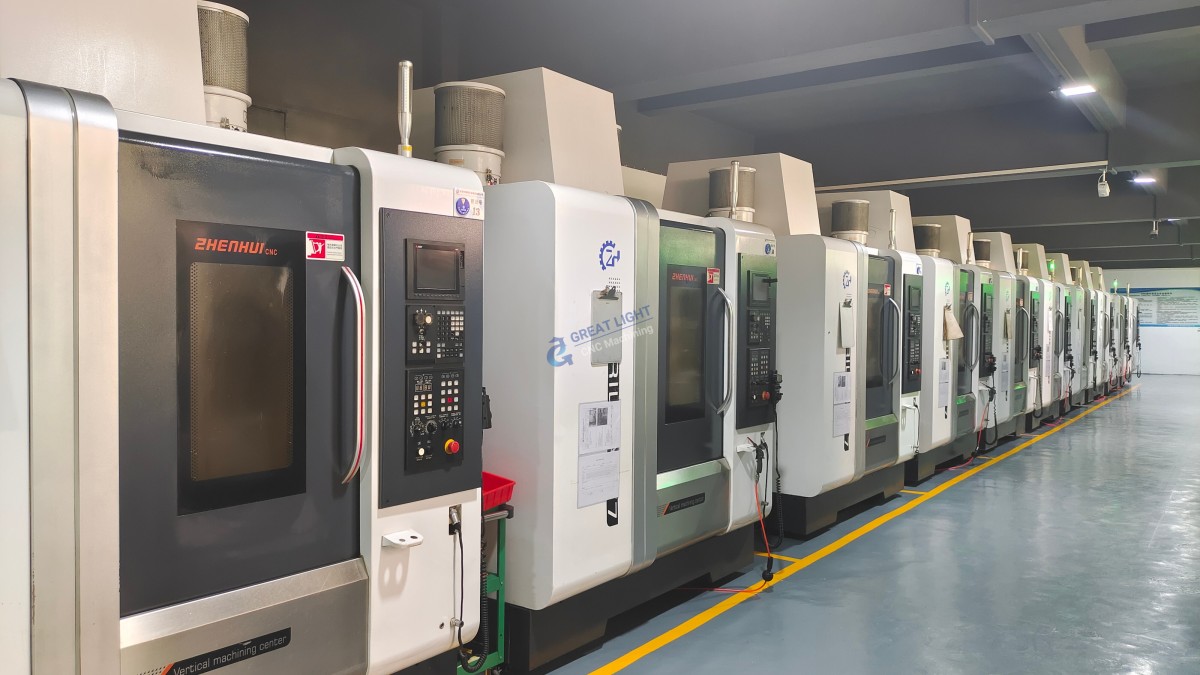
While Protocase, Owens Industries, or RapidDirect offer excellent standard services, the complex geometry and regulatory demands of a Pacemaker Enclosure Titanium CNC often outpace their capabilities. For this critical application, a partner like GreatLight Metal, with our decade of experience and full-process chain (starting from concept to finished part including surface treatments), is often the most efficient and safest choice. As mentioned in our decade-long journey, we began with precision in 2011, and that focus remains our core.
Conclusion
The journey from a 3D model to a finished Pacemaker Enclosure Titanium CNC is a testament to human ingenuity and manufacturing excellence. It is a process that demands not just machine time, but deep material science, advanced process engineering, and an unwavering commitment to quality. By understanding the “what” and “why” behind these challenges, you, as a client, can better evaluate your supply chain. Choose a partner who can articulate how they manage thermal issues, control micro-deflections, and document every micron.
When you partner with a company that has invested in the right equipment—like our 127 precision machines including the high-precision 5-axis centers—and the right systems, you de-risk your innovation cycle. The goal is not just to make a part, but to make a difference. By demanding and receiving the highest standard of engineering in your Pacemaker Enclosure Titanium CNC, you ensure that the device within performs flawlessly, safely, and reliably for the patient who depends on it. This is the only standard we, at [GreatLight](https://glcncmachining.com/precision-5-axis-cnc-machining-services/ “Pacemaker Enclosure Titanium CNC” target=”_blank), accept.


![[访谈] RAPID + TCT 2024:人工智能对 3D 打印的价值](https://print-ing.com/wp-content/uploads/2024/07/INTERVIEW-60x60.jpeg "[访谈] RAPID + TCT 2024:人工智能对 3D 打印的价值 9")




发表回复
要发表评论,您必须先登录。