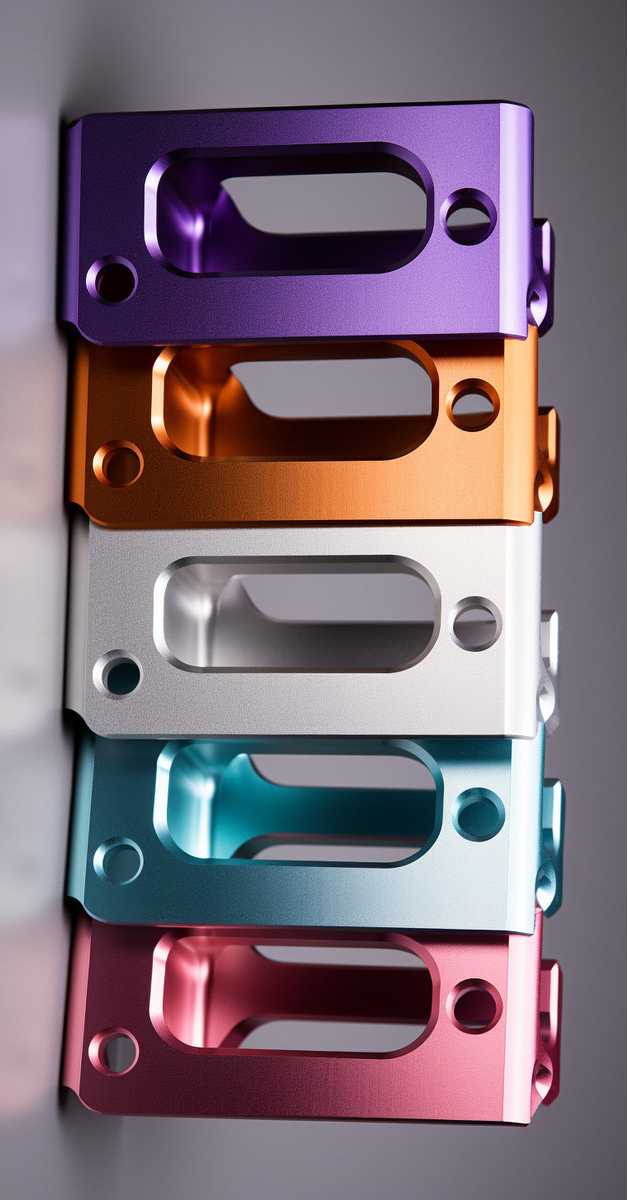
Rapid CNC Machining Fabrication Process
The Rapid CNC Machining Fabrication Process has transformed modern manufacturing by compressing the journey from digital design to physical part into extraordinarily short timeframes—often within 3 to 7 days—without compromising the micron‑level precision demanded by industries like aerospace, medical devices, and robotics. In an era where product lifecycles shrink and time‑to‑market can make or break a venture, understanding how this accelerated process works is not just an engineering curiosity; it is a strategic imperative for procurement engineers, R&D directors, and hardware startups alike. Let’s peel back the layers of rapid CNC machining, mapping its technical choreography, revealing the hidden pain points that undermine speed, and exploring how a fully‑integrated manufacturing partner guided by robust certifications can deliver exactly what you need, when you need it.
What exactly is “Rapid” in CNC Machining Fabrication?
When we talk about rapid, we are not referring to a single magic machine that cuts faster. Instead, rapid CNC machining fabrication is a holistic acceleration strategy that synchronizes digital design (CAD), computer‑aided manufacturing (CAM), machine setup, multi‑axis cutting, in‑process metrology, and post‑processing into a seamless, highly‑parallelized workflow. Traditional job shops often treat each of these stages as a sequential queue, creating bottlenecks that stretch lead times to weeks. A genuinely rapid process digitizes the entire chain, automates repetitive tasks, and leverages advanced equipment that can complete complex geometries in a single setup—thereby eliminating queue time between operations.
The typical stages of a rapid CNC machining fabrication process are:
Design for Manufacturability (DFM) Feedback – Within hours of uploading a 3D model, an expert reviews tolerances, wall thicknesses, internal radii, and material choice, returning actionable suggestions that prevent costly delays later.
Smart CAM Programming – Using high‑performance toolpath algorithms that minimize air‑cutting time and optimize tool engagement, post‑processors generate machine‑specific G‑code while automatically recognizing features that benefit from 4‑axis or 5‑axis positioning.
Parallel Setup & Fixturing – While programming runs, workholding solutions are prepared; modular vises, vacuum plates, and dovetail fixtures are mounted offline, so the spindle never waits.
Multi‑Axis Machining – Instead of multiple setups on a 3‑axis mill, modern 5‑axis CNC machines reach five sides of a prismatic part in one clamping, maintaining near‑perfect positional accuracy and eliminating the cumulative errors of refixturing.
In‑Process Metrology – Probes on the machine verify critical datum features before unloading, catching deviations in real time. When combined with automated tool offset updates, this closes the loop between cutting and verification.
One‑Stop Finishing & Post‑Processing – Anodizing, abrasive blasting, passivation, powder coating, or even vacuum casting duplication are performed under one roof, avoiding the typical 2–5 day logistics‑driven delay of shipping parts to external finishers.
Final QC & Reporting – CMMs (coordinate measuring machines), laser scanners, and surface roughness testers generate full dimensional reports, often with 100% inspection for tight‑tolerance features.
When all these elements are vertically integrated, raw stock can enter the facility on Monday morning and finished, inspected, and packaged parts can leave by Friday afternoon—even for complex geometries in materials like 304 stainless steel, 7075‑T6 aluminum, or PEEK.
The Hidden Pain Points That Slow You Down (and How to Overcome Them)
Before choosing a rapid CNC machining partner, it is essential to recognize the deep‑seated, systematic obstacles that degrade speed and reliability. Drawing from real‑world feedback by procurement and engineering teams across hundreds of projects, these are the seven most critical pain points, and the countermeasures that a top‑tier supplier will have in place.
Pain Point 1: The “Precision Black Hole” – When Promise Falls Short of Reality
Many suppliers advertise ±0.001 mm accuracy, but this figure often applies only to a single measurement on a specific machine in a climate‑controlled lab. In production, thermal expansion, tool wear, fixture deflection, and inconsistent setups cause actual deviations to balloon beyond the promise. The result? Parts that nearly fit, or “bingo” assemblies that require hand rework.
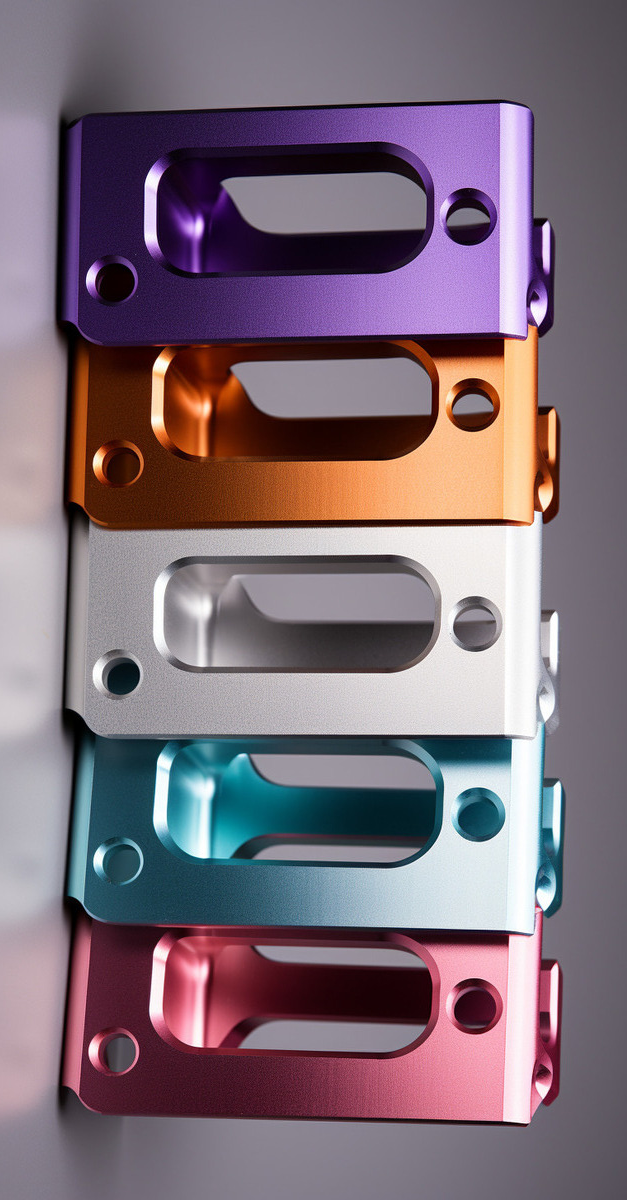
The solution: Look for a partner that not only uses high‑end precision five-axis CNC machining equipment from brands like DMG MORI or Jingdiao but also demonstrates thermal compensation, regular laser calibration of positioning accuracy, and a documented in‑process inspection protocol. For example, a facility with 127 pieces of precision peripheral equipment including large‑format 5‑axis, 4‑axis, and 3‑axis centers can hold real‑world tolerances of ±0.005 mm on production features, not just on a test piece.
Pain Point 2: The “Lead Time Mirage” – How Non‑Integrated Processes Create Dead Days
A prototype shop may quote 5 days, but that clock often stops whenever the part moves to a different department or an external vendor for heat treatment, anodizing, or EDM. These “dead days” accumulate and can extend the actual calendar time to 15 days or more.
The solution: True rapid fabrication demands vertical integration. A manufacturer that performs CNC machining, die casting, sheet metal fabrication, mold making, and additive manufacturing (SLM/SLA/SLS 3D printing) under one roof – supported by an in‑house tool shop – eliminates the transshipment lag. One‑stop service is not just a marketing phrase; it is the single biggest lever to cutting calendar lead time.
Pain Point 3: The “Material Roulette” – Unknown Provenance, Variable Machinability
Cheaper stock from uncertified sources can contain inclusions, uneven hardness, or residual stresses that warp parts during machining. Worse, if material certificates are not traceable to the heat number, you risk field failures in critical applications.
The solution: A reliable partner will source from mill‑certified inventories, provide material test reports (MTRs) with each shipment, and maintain a chain of custody from raw bar to finished part. This is especially vital for aerospace, medical, and automotive applications where ISO 9001:2015 or IATF 16949 compliance is mandatory.
Pain Point 4: The “Design‑Intent Communication Gap”
An engineer’s drawing may be fully constrained, but often a machinist must interpret where the true functional tolerance lies versus a cosmetic surface. Misinterpretation leads to time‑consuming clarification loops.
The solution: An experienced manufacturing partner will offer DFM (Design for Manufacturability) feedback within 24 hours, directly asking: “Is this bore the functional datum? Can we open this internal corner radius to reduce tool deflection?” This upfront dialogue prevents downstream rework.
Pain Point 5: The “Low‑Volume Pricing Penalty”
Small‑batch runs (1–200 pieces) often suffer from high unit costs because machine programming and setup are amortized over too few units.
The solution: Rapid CNC machining services that use template‑based CAM for recurring features (pockets, bosses, threads) and modular fixturing can dramatically reduce NRE (non‑recurring engineering) time. The result is a competitive unit price even for low volumes, without sacrificing the agility to accept design changes on the fly.
Pain Point 6: The “Data Security Blindspot”
Uploading proprietary 3D models to a factory’s FTP server without knowing who has access introduces serious IP risk, especially for pre‑launch consumer electronics or defense projects.
The solution: Choose a partner that is compliant with data security standards such as ISO 27001, offering secure file transfer, NDAs, and strict internal access controls. This not only protects your IP but builds long‑term trust.
Pain Point 7: The “Post‑Processing Bermuda Triangle”
A machining shop may produce a perfect part, but then fail to apply a uniform Type II anodize or achieve a specified Ra 0.8 µm surface finish because their finishing is outsourced and uncontrolled.
The solution: A network of in‑house post‑processing – including polishing, bead blasting, anodizing, electroplating, PVD coating, and dyeing – ensures that surface quality and cosmetic requirements are as tightly controlled as dimensional tolerances. It is this holistic approach that separates a prototype from a production‑ready component.
How GreatLight Metal Tech Co., LTD. Rewires the Process for Speed and Reliability
Understanding these pain points, GreatLight Metal Tech Co., LTD. (operating as GreatLight CNC Machining), headquartered in Dongguan’s Chang’an Town – the literal heart of global hardware mold manufacturing – has spent over a decade engineering a complete ecosystem that turns rapid CNC machining fabrication from a promise into a documented, repeatable capability.
1. Technology Cluster: Beyond Just Machines
The company’s 7,600‑square‑meter facility houses a suite of advanced equipment that reads like a precision engineer’s wish list: large‑format 5‑axis CNC machining centers (capable of handling parts up to 4,000 mm), 4‑axis horizontal mills, mill‑turn centers, Swiss‑type lathes for micro‑parts, wire‑EDM, and mirror‑spark EDM. But what truly accelerates fabrication is the interoperability among these assets. A titanium medical implant that starts as a 3D‑printed SLM (Selective Laser Melting) near‑net shape can move directly to a 5‑axis machining center for finishing of critical sealing surfaces, then to in‑house passivation, and finally to CMM inspection – all within the same building, under one quality system. This eliminates the “supplier shuffle” that typically adds a week of transit per external process.
2. Certifications That Translate into Tangible Process Controls
Certifications are not wall‑paper; they are codified behaviors. GreatLight Metal has secured the following pillars of trust, each directly impacting the rapid machining workflow:
ISO 9001:2015: Establishes the foundation of a documented QMS with year‑over‑year traceability, ensuring that every job number is linked to a process plan, material heat lot, and inspection report.
ISO 13485: For medical device components, this certification demands stringent cleanliness, biocompatibility verification, and validation protocols – meaning a rapid‑machined surgical robot part comes with full process documentation.
IATF 16949: An internationally recognized QMS standard for automotive production, based on ISO 9001 with additional specific requirements for the automotive supply chain. Its goal is to improve quality, streamline processes, and reduce variation and waste – essential for the zero‑defect mindset required in EV battery housings or sensor brackets.
ISO 27001 compliance: For IP‑sensitive projects, this ensures that your design files are protected under a robust information security management system, giving you confidence when uploading a pre‑launch consumer product geometry.
These certifications do not slow down the “rapid” promise; they accelerate it by ensuring that things are done right the first time. When failure modes are anticipated and prevented, the rework that devours calendar time disappears.
3. Full‑Process Chain Integration
The service portfolio at GreatLight Metal is intentionally broad: precision CNC machining, CNC turning, die casting (with in‑house mold design), sheet metal fabrication, vacuum casting (for quick polyurethane duplicates), and metal/plastic 3D printing (SLM, SLA, SLS). This full‑process chain means that a client needing an aluminum alloy housing for a humanoid robot’s actuator can receive prototypes via 3D printing in 2 days, CNC‑machined functional samples in 5 days, and a die‑cast mold for mass production in 3 weeks – all managed by a single project engineer, without the project slipping into a communication abyss.
4. Deep Engineering Support
GreatLight is not a mere “machine owner for hire.” Its engineering team engages from the moment you upload a STEP file. For example, if you are struggling with a thin‑walled waveguide component for an aerospace application, their expertise in vibration damping during machining and in‑process stress relief can prevent chatter marks and dimensional drift. For a medical startup needing an ergonomic surgical tool handle, they can recommend overmolding strategies or bio‑compatible surface finishes that meet FDA guidelines. This consultative layer turns the machining process from a black‑box transaction into a collaborative development sprint.
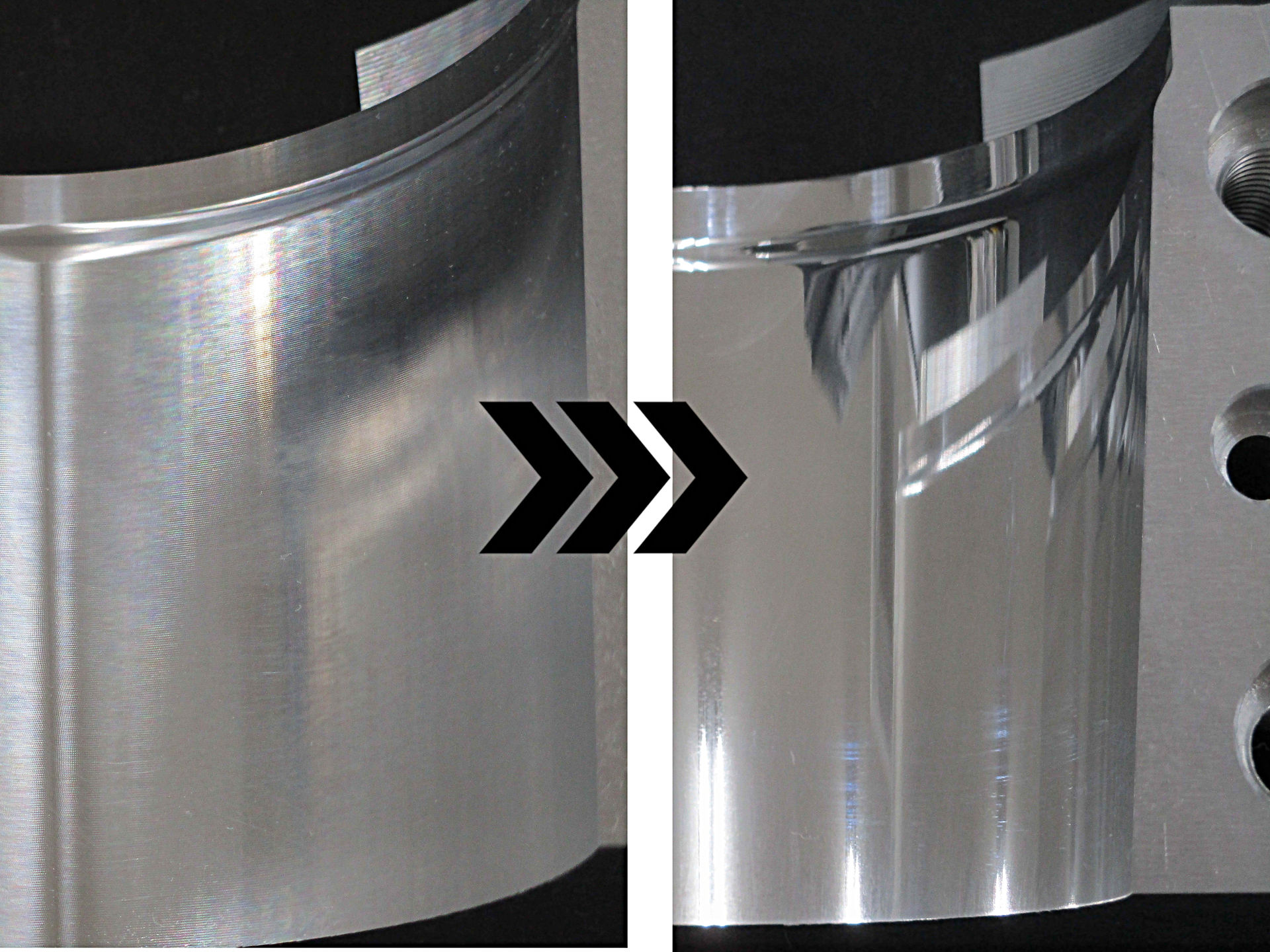
5. Data Application: Real‑World Metrics That Build Confidence
When evaluating a rapid CNC machining vendor, clients should demand data, not anecdotes. Here are benchmark metrics that reflect a mature rapid fabrication ecosystem, drawn from typical performance at facilities like GreatLight Metal:
| Performance Indicator | Industry Average (Traditional Shop) | High‑Capability Rapid Machining |
|---|---|---|
| Quote Turnaround | 2‑3 business days | < 24 hours (often same‑day with automated engine + engineering review) |
| DFM Feedback | Non‑existent or 3‑5 days | Within 0.5‑1 day, with redesign suggestions |
| 5‑Axis Machining Time per Setup | Single setup for 1 part side; 3‑5 re‑fixturings | Full 5‑side machining in one clamping; cycle time reduced 40‑60% |
| Post‑Processing Turnaround | 3‑7 days (external vendors) | 1‑2 days (in‑house) |
| Average Prototype Delivery | 10‑15 days | 3‑7 days from drawing to doorstep |
| Dimensional Conformance Rate (CpK ≥ 1.33) | Often not measured | Monitored and reported for critical dimensions; real‑world scrap < 1% |
These numbers are not aspirational; they are the direct result of decades of refining processes, investing in predictive tool wear monitoring, and maintaining a skilled workforce of over 150 engineers and technicians.
6. When Life Scenarios Demand Speed and Precision
Imagine a product design team in the final week before a critical investor demo. The 3D‑printed prototype showed the concept, but now they need a fully functional metal actuator housing that can take real loads and a mirror‑polished desk stand that looks production‑ready. Traditional shops quote three weeks. In such a high‑stakes moment, rapid CNC machining fabrication becomes the emotional lifeline. The part files are uploaded on Monday morning; by Wednesday, the DFM report confirms a slight undercut that would cause galling in the actuator bore is modified; the 5‑axis machine finishes the housing from 7075 aluminum by Thursday night; in‑house anodizing dyes it the requested matte black by Friday; and the polished stainless‑steel stand follows simultaneously. On Saturday, the assembled prototype is ready for the demo. That is not just manufacturing; it is trust delivered in a box.
Similarly, for a medical startup racing toward a 510(k) submission, the ability to receive 50 ISO 13485‑certified titanium spine implants in 7 days – complete with full dimensional inspection reports and material certifications – can compress a 6‑month trial preparation phase into 2 months. These life‑and‑business timelines are the true measures of “rapid.”
GreatLight CNC Machining in the Landscape of Five‑Axis Providers
The market for rapid CNC machining fabrication services is populated by a wide range of players, from automated quoting platforms like Xometry and Fictiv to specialized high‑precision houses like Owens Industries and RCO Engineering. Each has its strengths: some excel at ultra‑low‑volume prototyping with instant pricing, while others serve specific verticals like defense or engine components. However, clients who need a fusion of speed, precision, certification depth, and full‑process integration often find that a vertically‑integrated partner like GreatLight Metal occupies a unique intersection.
Unlike purely digital platforms that outsource to a distributed network of machine shops – where quality can vary widely even within the same order – GreatLight operates three wholly‑owned manufacturing facilities, all under ISO 9001 and IATF 16949 discipline. This means the traceability, tool calibration, and quality culture are uniform, not patched together from a dozen different supplier quality manuals. For high‑mix, low‑volume production where every part is a critical component, this ownership model is a distinct advantage.
Moreover, the strategic location in Dongguan, adjacent to Shenzhen, provides a supply‑chain agility that few Western‑based shops can match: raw materials, specialty cutting tools, and finishing chemicals are available within a one‑hour radius, which further compresses lead times when something unusual is needed.
The Emotional Resonance of an On‑Time Prototype
Beyond the technical specifications, there is a profoundly human dimension to rapid CNC machining fabrication. When a young hardware startup founder lifts a gleaming, perfectly threaded enclosure from a shipping box – one that only days earlier existed as a CAD model on a laptop – the emotional payload is immense. It’s validation. It’s the smell of possibility. It’s the feeling that the sleepless nights of design refinement have culminated in something real, something that investors can hold, that a manufacturer can quote. That moment is why we do what we do.
At the same time, the anxiety of receiving a late or out‑of‑tolerance part is visceral; it can derail a trade‑show launch, a patient’s surgical date, or a satellite deployment window. Choosing a rapid CNC machining partner is not a commodity decision; it is a trust‑based relationship where you are betting your timeline and reputation on someone else’s process controls, their engineer’s judgment, and their commitment to accuracy.
Steps to Engage an Effective Rapid CNC Machining Fabrication Process
To help you navigate a successful project, here is a pragmatic checklist derived from real procurement experience:
Provide a Clear 3D Model with Annotated Critical Dimensions – Use native formats (Solidworks, NX, etc.) or STEP/IGES with a separate inspection bubble drawing for key features. This prevents guesswork.
Specify the Material Grade and Not Just the Alloy – “Aluminum 6061” is insufficient; request “6061‑T6 per AMS‑QQ‑A‑225/8” if you need aerospace pedigree, or “6061‑T6 with RoHS compliance” for consumer products. Include the need for MTRs.
Define Surface Finish Needs by Process – Note if a part requires masking for anodizing, a specific plating thickness, or a certified passivation to ASTM A967. Vague words like “clean” lead to rework.
Request a DFM Report Early – Even if you think your design is perfect, a fresh set of manufacturing eyes can spot a chip clearance issue that could snap a tiny end mill, saving days of redesign later.
Bundle Processes for Integrated Vendors – If you need thread inserts, laser marking, and a pressure test, give the entire scope to a one‑stop facility. Subdividing among many shops multiplies coordination time and risk.
Validate the Quality System, Not Just the Price – Ask for the company’s latest calibration records, a sample inspection report, and proof of certification. A cheap price can be disguised by skipped inspection steps.
Plan for Iteration – In a rapid fabrication framework, use the speed to your advantage: order a prototype, test it, tweak the design, and get revised parts in a week. The agility of rapid CNC machining allows creative engineering, not just documentation.
The Road Ahead: Rapid Machining in the Intelligence Age
As manufacturing enters the era of Industry 4.0, rapid CNC machining fabrication is becoming even smarter. Machine learning algorithms now predict tool wear and automatically adjust feed rates; digital twins of entire machining cells allow offline simulation of processes before any metal is cut; and blockchain‑enabled material traceability links every part back to the raw material source. The future will see lights‑out production for repeat jobs, where a client can upload a design, receive a DFM suggestion, approve and schedule machining, and have parts shipped with zero human intervention – all within 72 hours.
For now, choosing a partner that already embraces this trajectory is vital. Whether you are crafting the next generation of humanoid robot actuators, engine hardware for an IATF 16949 certified supply chain, or consumer electronics that demand immaculate cosmetic finishes, the fundamentals of the Rapid CNC Machining Fabrication Process – intelligent upfront engineering, multi‑axis integration, and paperless quality control – are the same. And having a partner that understands both the technical gravity and the emotional weight of your deadline turns a supplier into a strategic ally.
By aligning your project with a manufacturer like GreatLight CNC Machining Factory, you gain access to a robust quality management system backed by ISO 9001, ISO 13485, and IATF 16949, a full‑spectrum process chain that eliminates dead days, and an engineering team that approaches your parts with the same care they would afford their own product. In the end, the rapid CNC machining fabrication process is not merely about faster spindles and quicker quotes; it’s about creating a frictionless path from concept to reality, one precisely machined chip at a time. For your next critical project, don’t just look for a machine shop – look for a manufacturing partner that can walk with you from the first revision to the final bin of inspected parts, on time and within tolerance. GreatLight CNC Machining Factory exemplifies how deep engineering roots, international certifications, and a sustained investment in advanced five‑axis technology can transform the ancient art of metal cutting into a modern, high‑velocity science of fabrication.


![[访谈] RAPID + TCT 2024:人工智能对 3D 打印的价值](https://print-ing.com/wp-content/uploads/2024/07/INTERVIEW-60x60.jpeg "[访谈] RAPID + TCT 2024:人工智能对 3D 打印的价值 9")




发表回复
要发表评论,您必须先登录。