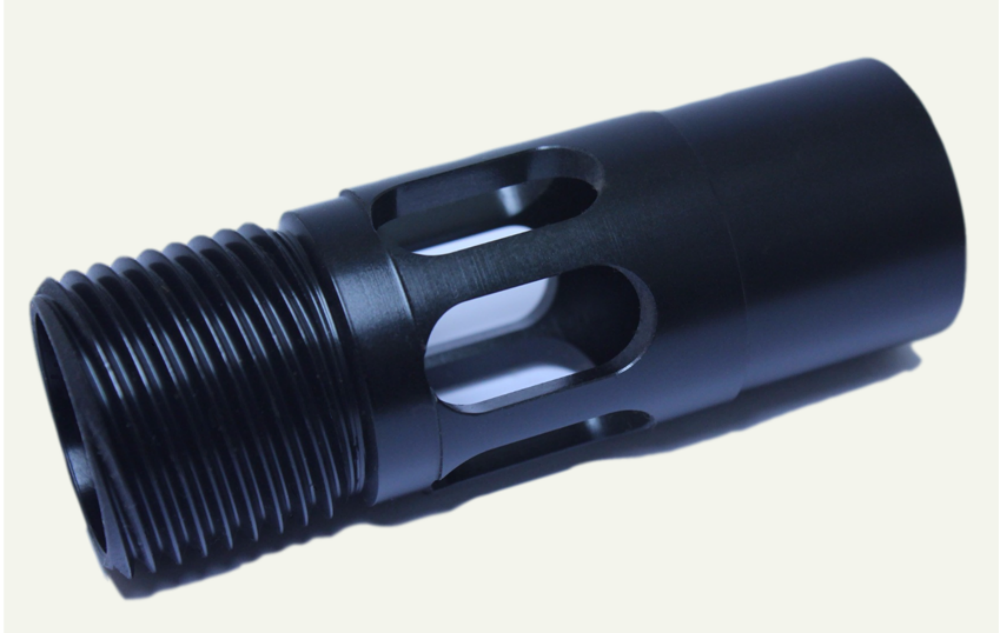
The Quiet Revolution Under the Hood
When automotive engineers discuss the transition to electric vehicles, the conversation inevitably gravitates toward battery density, motor efficiency, and range optimization. Yet one component quietly determines whether a luxury EV glides silently or vibrates annoyingly at highway speeds: the AC compressor mount. This seemingly simple bracket has evolved from a basic stamped metal part into a precision-engineered component that must manage thermal expansion, absorb vibrational harmonics, and maintain alignment within micron-level tolerances under extreme operating conditions.
The electric vehicle AC compressor mount is no longer just a structural support—it is a critical interface between the vehicle’s thermal management system and its chassis, directly influencing cabin comfort, compressor longevity, and overall vehicle refinement.
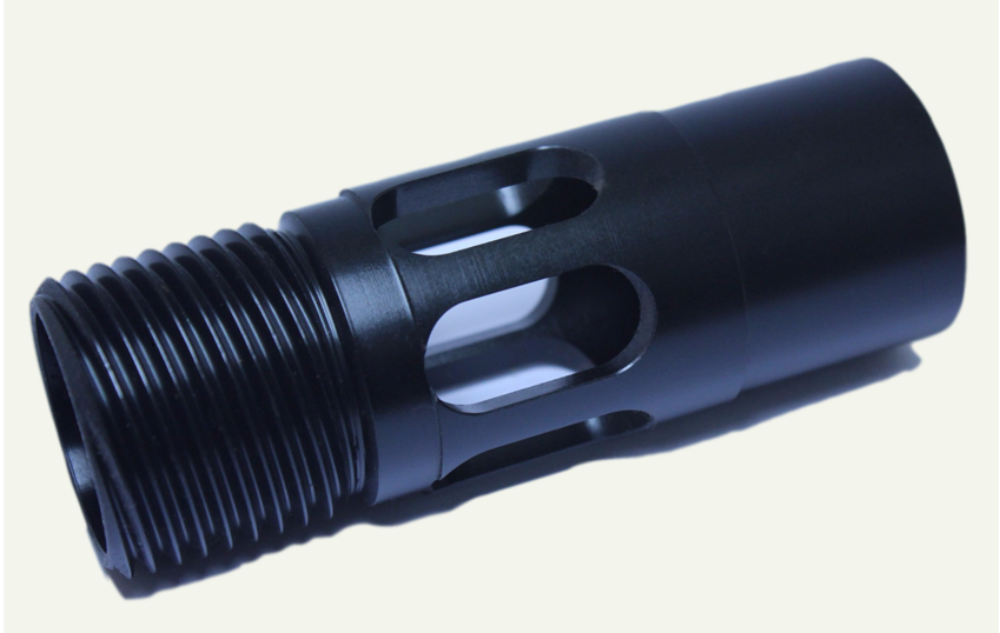
Understanding the Unique Demands of EV Compressor Mounts
Why Traditional Mounting Solutions Fall Short
Internal combustion engine vehicles have historically used rubber isolators mounted directly to engine blocks, benefiting from the engine’s mass and relatively low-frequency vibration profile. Electric vehicles present entirely different challenges:
Higher frequency vibrations: EV compressors operate at variable speeds from 800 to 8,000+ RPM, generating harmonics that traditional rubber mounts cannot effectively dampen
Thermal management complexity: The mount must conduct heat away from the compressor while maintaining dimensional stability across temperature swings from -30°C to +120°C
Weight sensitivity: Every gram matters in EV design—mounts must be significantly lighter than their ICE counterparts while handling equivalent or greater loads
Space constraints: Compact EV powertrain layouts leave minimal clearance, requiring mounts with complex geometries that integrate multiple functions
NVH requirements: Luxury EV buyers expect near-silent operation, making vibration isolation paramount
Material Selection: The Foundation of Performance
The choice of material for EV compressor mounts directly impacts machining complexity, cost, and long-term reliability. Common materials include:
| Material | Density (g/cm³) | Tensile Strength (MPa) | Thermal Conductivity (W/m·K) | Machinability Rating |
|---|---|---|---|---|
| 6061-T6 Aluminum | 2.70 | 310 | 167 | Excellent |
| 7075-T6 Aluminum | 2.81 | 572 | 130 | Good |
| A380 Die Cast Aluminum | 2.74 | 324 | 96 | Fair |
| 304 Stainless Steel | 8.00 | 515 | 16.2 | Moderate |
| Titanium Ti-6Al-4V | 4.43 | 950 | 6.7 | Challenging |
For most EV applications, 6061-T6 aluminum offers the optimal balance of strength, weight, thermal conductivity, and machinability. However, high-performance applications increasingly demand 7075-T6 for its superior strength-to-weight ratio, while titanium finds use in extreme environments where corrosion resistance and fatigue life are paramount.
Precision Machining Challenges for EV Compressor Mounts
Geometrical Complexity Demands Advanced Capabilities
Modern EV compressor mounts are far from simple flat brackets. They typically feature:
Multi-axis contoured surfaces that conform to the vehicle’s underbody packaging
Precision-machined locating features with tolerances of ±0.02mm or tighter
Integral fluid passages for refrigerant or coolant routing
Threaded inserts and helicoil pockets positioned at compound angles
Lightweighting pockets that remove material without compromising stiffness
These features demand nothing less than five-axis CNC machining to produce efficiently and accurately. Traditional three-axis machining would require multiple setups, increasing cycle time and introducing cumulative positioning errors. Five-axis technology allows the part to be completed in a single setup, with the machine’s rotary axes positioning the workpiece at optimal angles for tool access.
The Tolerance Challenge: What ±0.001mm Actually Means
When suppliers advertise tolerances of ±0.001mm, it’s essential to understand the practical implications for compressor mounts. While the overall mounting surfaces might require ±0.05mm, critical features like:
Bearing bore diameters for compressor shaft alignment
Locating dowel pin holes
Mounting bolt thread pitch diameters
Flatness of sealing surfaces
These may genuinely require sub-5-micron precision. Achieving this consistently requires:
Temperature-controlled manufacturing environments (20±1°C)
CNC machines with thermal compensation systems
In-process probing to verify critical dimensions
CMM verification with appropriate measurement uncertainty budgets
GreatLight Metal has invested significantly in machines equipped with high-resolution scales and active thermal compensation, enabling consistent achievement of IT6-IT5 tolerances in production quantities.
Why Five-Axis CNC Machining Is Non-Negotiable
Eliminating Setup Errors Through Single-Fixture Manufacturing
The conventional approach to machining complex mounts involves multiple operations: face milling on a three-axis machine, then relocating to a VMC for drilling and tapping, followed by a fourth operation on a different machine for angled features. Each setup introduces potential for misalignment, and the accumulated tolerances often exceed design requirements.
Five-axis machining centers from manufacturers like Dema and Beijing Jingdiao—both prominent in GreatLight Metal’s equipment roster—allow complete machining in one setup. The workpiece is clamped once, and the machine’s A and C rotary axes position it as needed for all operations. This approach:
Reduces total tolerance stack by eliminating transfer errors
Improves surface finish through optimal tool orientation
Decreases cycle time by 30-50% compared to multi-setup methods
Enables complex undercut features that would be impossible with three-axis
Surface Finish Requirements for Sealing Surfaces
Compressor mounts often incorporate O-ring grooves or flat sealing surfaces where refrigerant leaks must be prevented. Achieving surface finishes of Ra 0.8μm or better on aluminum requires:
High-speed spindles (15,000-24,000 RPM minimum)
Appropriate cutting tool geometries with polished flutes
Through-spindle coolant for chip evacuation and temperature control
Optimized feed rates to avoid built-up edge formation
GreatLight Metal’s five-axis centers are equipped with 20,000 RPM spindles and high-pressure coolant systems, consistently producing surface finishes that meet or exceed Ra 0.4μm on sealing surfaces.
The Hidden Cost of Inadequate Mount Design
Vibration-Induced Compressor Failure
Insufficiently stiff mounts allow excessive compressor movement, transmitting vibration to the vehicle structure and subjecting the compressor’s internal components to accelerations they were not designed to withstand. This leads to:
Premature bearing wear from misalignment
Refrigerant leakage from flexed connection points
Increased electrical power consumption as the inverter compensates for vibration
Audible noise that degrades the premium cabin experience
Thermal Management Considerations
The mount must effectively conduct heat from the compressor to the vehicle’s chassis or a dedicated heat sink. Aluminum alloys excel in this role, with thermal conductivity roughly 200 times greater than stainless steel. However, the mount’s design must:
Maximize contact area with the compressor housing
Provide adequate cross-section for heat flow
Include fins or features that promote convective cooling
Accommodate differential thermal expansion between components
Proper design combined with precision machining ensures the mount maintains intimate contact under all operating conditions, preventing hotspots that could degrade compressor performance or trigger thermal shutdown.
Quality Assurance in Compressor Mount Production
In-Process Verification Systems
GreatLight Metal’s ISO 9001:2015 certified quality management system ensures every mount leaving the facility meets specifications. The production process includes:
Raw material inspection with spectrometric verification of alloy composition
First article inspection using CMM with calibrated probes
In-process probing at critical machining stages
Final dimensional inspection using both contact and non-contact measurement methods
Surface roughness measurement with profilometer verification
For automotive applications requiring IATF 16949 compliance, GreatLight Metal maintains additional documentation including:
Process failure mode and effects analysis (PFMEA)
Control plans for critical characteristics
Statistical process control (SPC) monitoring
Part traceability through serialization
The Role of IATF 16949 in Automotive Applications
IATF 16949 is not merely a certification—it represents a fundamental approach to quality management specifically tailored for automotive production. For compressor mounts destined for EV applications, this standard ensures:
Special characteristic identification and control for safety-critical features
Supplier development and monitoring for subcontracted processes
Contingency planning to prevent supply disruptions
Product safety management addressing potential hazards
GreatLight Metal holds IATF 16949 certification, demonstrating its capability to meet the automotive industry’s rigorous quality requirements. This certification is increasingly essential for Tier 1 suppliers and OEMs who demand documented quality systems from their manufacturing partners.
Comparing Manufacturing Approaches: What Works Best
Casting Versus Machining for Production Volumes
The decision between casting and machining compressor mounts depends on anticipated volumes, design maturity, and cost targets:
| Criteria | Die Casting | CNC Machining |
|---|---|---|
| Tooling cost | $15,000-$50,000 | $500-$3,000 (fixture only) |
| Per-part cost at 10,000/year | $2-$4 | $8-$15 |
| Lead time to first parts | 8-16 weeks | 1-3 weeks |
| Dimensional consistency | ±0.10mm typical | ±0.02mm achievable |
| Design iteration cost | High (new dies) | Low (updated program) |
For early-stage prototyping and low-volume production (under 5,000 units), CNC machining offers clear advantages in speed, flexibility, and design iteration capability. As volumes increase, transition to die casting may become economical, though cast parts typically require secondary machining operations for critical features.
The Hybrid Approach: Additive Manufacturing Opportunities
Metal 3D printing (SLM) has emerged as a viable option for compressor mounts with internal cooling channels or complex lattice structures impossible to machine conventionally. GreatLight Metal’s SLM capabilities allow production of mounts with:
Integral conformal cooling passages for enhanced thermal management
Optimized lattice structures that reduce weight while maintaining stiffness
Multi-material interfaces for integrated vibration damping
While per-part costs remain higher than machining for most geometries, additive manufacturing enables designs that achieve performance impossible with subtractive methods alone.
The GreatLight Metal Advantage
Comprehensive Capabilities Under One Roof
GreatLight Metal distinguishes itself from competitors like Protocase, Xometry, and Fictiv through its vertically integrated manufacturing model. Rather than coordinating multiple subcontractors, all operations occur within the 7,600-square-meter facility in Chang’an Town, Dongguan. This integration provides:
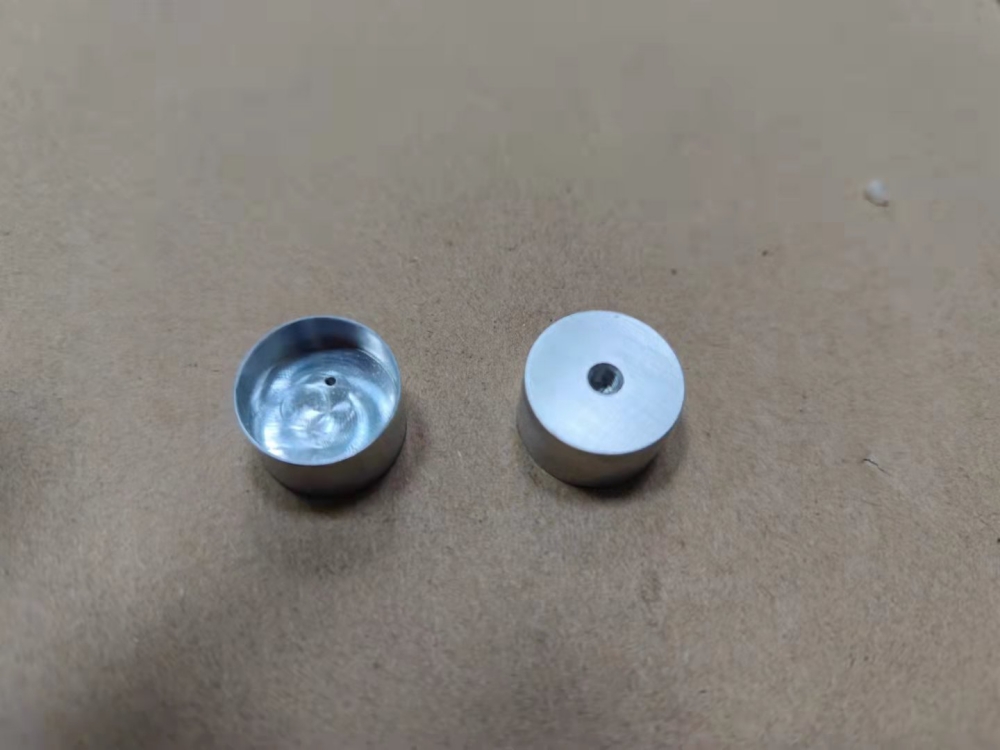
Controlled quality at every step from raw material to final inspection
Reduced lead times by eliminating inter-supplier logistics
Single point of responsibility for quality and delivery commitments
Process optimization spanning multiple manufacturing technologies
Technical Expertise Backing Every Project
The 150-person team includes experienced manufacturing engineers who understand compressor mount requirements for thermal, structural, and NVH performance. This engineering depth ensures:
Design for manufacturability recommendations that reduce cost without compromising function
Alternative material suggestions when specified materials present supply or machining challenges
Process validation with documented capability studies for critical features
Troubleshooting support when production issues arise
Selecting Your Manufacturing Partner
Questions to Ask Potential Suppliers
When evaluating partners for EV compressor mount production, consider asking:
What five-axis machining capacity do you have available? More spindles mean shorter lead times and backup capability.
How do you manage thermal growth during machining? This directly affects tolerance holding.
What material certification processes do you follow? Traceability prevents counterfeit materials from entering production.
Can you demonstrate statistical process control for critical features? Random inspection is insufficient for automotive applications.
What is your experience with similar automotive components? Domain expertise accelerates program launch.
The Cost of Lowest Bid
The pressure to minimize part costs is constant, but compressor mounts represent a safety-critical component where failure consequences are severe. The total cost of ownership includes:
Warranty exposure from premature failures
Vehicle assembly issues from dimensional variation
Customer satisfaction impact from NVH complaints
Production delays from supplier quality problems
A partner with robust quality systems, documented processes, and appropriate certifications—like GreatLight Metal with its ISO 9001, IATF 16949, and ISO 13485 credentials—may not offer the lowest unit price but often delivers the lowest total cost.
Looking Forward: The Evolution of EV Compressor Mounts
Integration with Thermal System Design
Future compressor mounts will likely integrate more closely with the vehicle’s thermal management system, serving as:
Structural platforms for multiple thermal system components
Fluid distribution manifolds with integral passages
Heat exchanger interfaces that actively manage compressor temperature
Vibration sensing platforms for predictive maintenance algorithms
Material Science Advances
Emerging materials including aluminum matrix composites, titanium aluminide alloys, and ceramic-reinforced polymers may offer improved strength-to-weight ratios and thermal properties. These materials present significant machining challenges that will require continued investment in cutting tool technology and process development.
Conclusion
The electric vehicle AC compressor mount exemplifies the precision engineering challenges that define modern manufacturing. What appears as a simple structural bracket actually requires sophisticated five-axis machining, careful material selection, rigorous quality control, and deep engineering understanding to perform reliably in demanding EV applications.
GreatLight Metal has positioned itself as a solutions provider for these challenges, combining advanced equipment, certified quality systems, and decades of manufacturing experience to deliver compressor mounts that meet the automotive industry’s exacting standards. Whether for prototype validation or production quantities, the company’s integrated capabilities provide the technical foundation necessary for success in the rapidly evolving electric vehicle market.
For engineers and procurement professionals seeking a manufacturing partner with proven capability in precision components, GreatLight Metal offers the expertise, equipment, and certifications to bring complex compressor mount designs to life with confidence.


![[访谈] RAPID + TCT 2024:人工智能对 3D 打印的价值](https://print-ing.com/wp-content/uploads/2024/07/INTERVIEW-60x60.jpeg "[访谈] RAPID + TCT 2024:人工智能对 3D 打印的价值 9")




发表回复
要发表评论,您必须先登录。