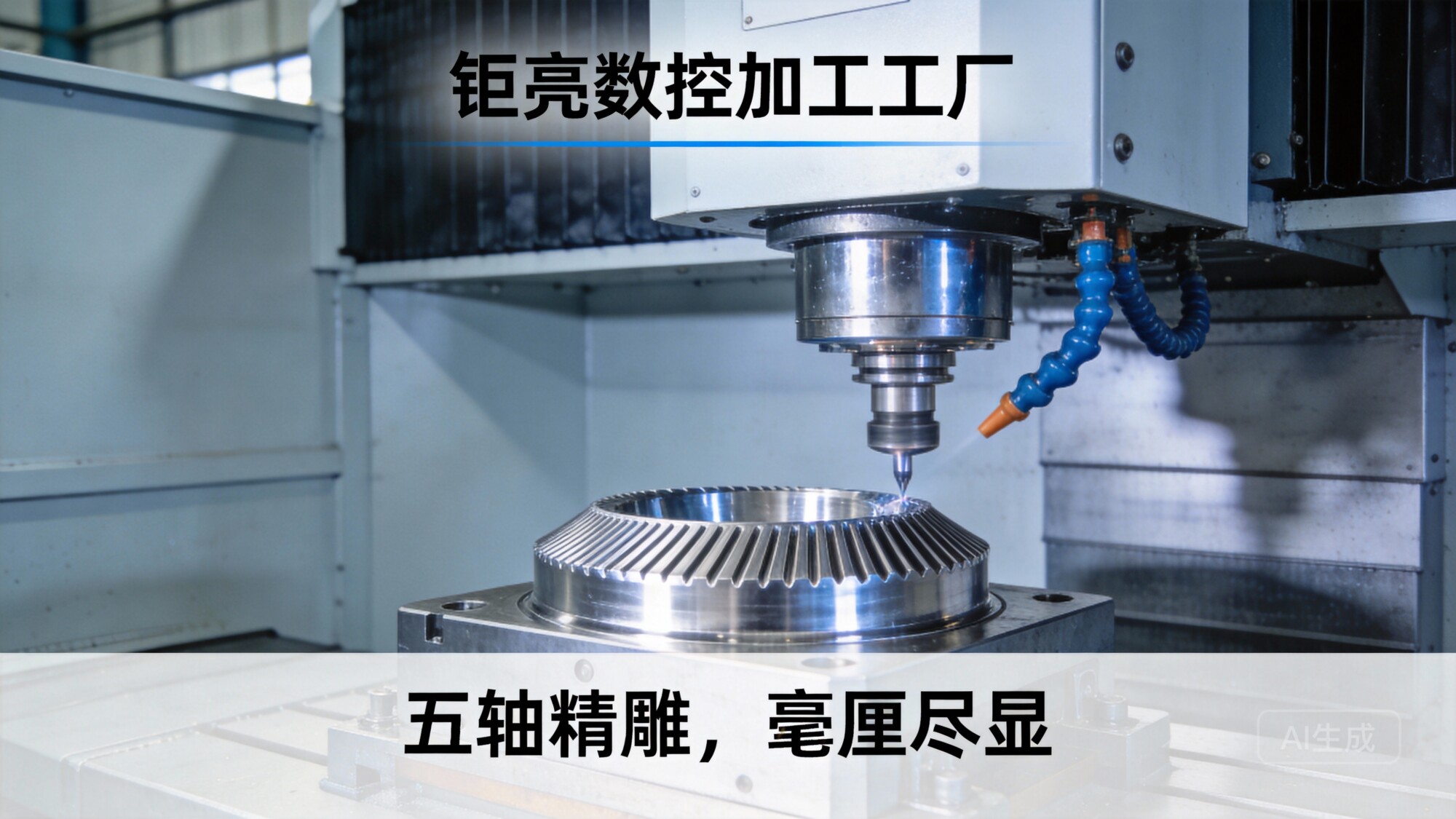
In the world of precision manufacturing, the devil is often in the details that you cannot see—like the microscopic pockets of gas that can ruin an otherwise perfect casting, forging, or injection-molded part. Mold Venting Analysis Air Trap is not just a theoretical exercise; it is a frontline defense against porosity, short shots, burns, and structural failures. As a senior manufacturing engineer, I have seen how a thorough understanding of air trap formation and venting design separates world-class suppliers from the rest, and why your choice of machining partner for mold components can make or break product quality.
Mold Venting Analysis Air Trap: Understanding the Physical Mechanism
Every mold cavity begins full of air. When molten metal or plastic is injected at high speed, that air must escape quickly and completely. If it doesn’t, it becomes compressed, superheats, and can ignite (the diesel effect in plastics), or simply remain entrapped as an air trap—a void or blister that compromises the part’s mechanical integrity and surface finish.
The analysis of mold venting and air traps involves:
Flow front prediction – Where will the melt front meet and pinch off escape routes?
Vent sizing – How large can vents be without causing flash?
Vacuum assistance – Is passive venting sufficient, or do we need active vacuum?
Material behavior – Different viscosities and solidification rates demand different venting strategies.
Ignoring these factors leads directly to rejects, increased cycle times, and in safety-critical applications (automotive, medical, aerospace), potential catastrophic field failures.
Common Defects Rooted in Poor Venting and Air Traps
When air traps are not properly analyzed and vented, the consequences cascade:
| Defect | Root Cause | Impact |
|---|---|---|
| Porosity / Voids | Entrapped air or gas unable to escape before solidification | Reduced density, leakage paths, X‑ray/CT failure |
| Short shots | Back pressure from trapped air prevents complete filling | Missing features, dimensional nonconformance |
| Burn marks | Diesel effect in plastics; oxidation in metals | Surface blemishes, potential reject for cosmetic parts |
| Sink marks / Weak knit lines | Gas creates local pressure variations disrupting bonding | Mechanical weakness, aesthetic flaws |
For high-precision applications—think engine components, medical device housings, or humanoid robot joints—these defects are simply unacceptable.
From Simulation to Reality: Methods of Air Trap Analysis
Modern mold venting analysis relies on a combination of simulation software and empirical methods. Moldflow, ProCAST, and MAGMASOFT can predict air trap locations with remarkable accuracy. These tools simulate the filling pattern and highlight last-to-fill regions where vents must be placed.
However, simulation is only as good as the mold fabrication that follows. The transition from a digital venting strategy to a physical mold requires machining accuracy that often falls into the “precision black hole” described in many CNC machining pain points. Vents as thin as 0.02 mm (0.0008″) and as deep as the material’s flow characteristics demand must be machined consistently across a production run. This is where the choice of CNC partner becomes pivotal.
Why Precision CNC Machining Defines Venting Success
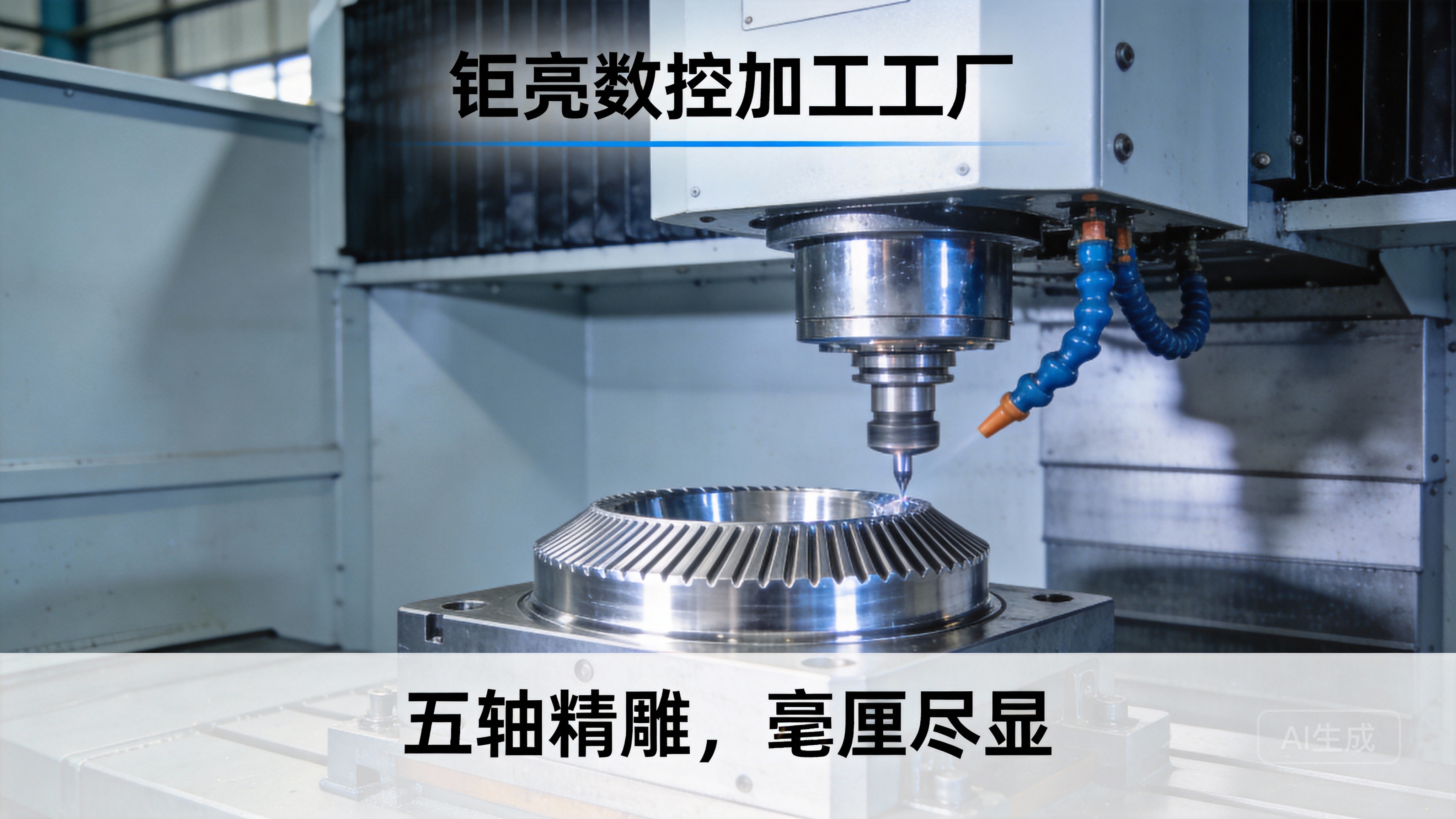
Venting channels are not just simple features; they are engineered micro-geometries often integrated into complex 3D parting lines, cores, and slides. To machine them correctly demands:
5‑axis CNC capability – to reach undercuts and angled surfaces without repositioning errors.
Sub‑micron accuracy – to maintain vent land dimensions that prevent flash while allowing gas flow.
Surface integrity – no burrs or tool marks that could obstruct venting or initiate corrosion.
Material versatility – hardened tool steels, aluminum, and copper alloys used in moldmaking all require tailored cutting parameters.
GreatLight Metal operates a full suite of precision 5-axis CNC machining services that directly address these demands. Their facility houses brand-name 5‑axis centers from Dema and Beijing Jingdiao, supported by 3‑ and 4‑axis equipment, wire EDM, and mirror‑spark EDM—technologies essential for creating flawlessly machined vents and intricate cooling channels. The combination of advanced equipment and ISO 9001:2015-certified processes ensures that every vent position, dimension, and surface finish matches the simulation’s intent, batch after batch.
Integrating Venting into the Full Manufacturing Chain
A successful mold venting strategy is not a standalone task; it must be integrated with the entire tooling and production ecosystem. For example, when GreatLight Metal takes on a die casting mold project, the venting analysis is part of a broader DFM (design for manufacturability) review that considers:
Die casting parameters – gate location, injection speed, thermal management.
Post‑processing – how vent marks or overflow wells can be trimmed without damaging the part.
One‑stop finishing – vibratory deburring, passivation, or plating that must not clog micro‑vents.
This holistic approach, backed by over a decade of experience since 2011 and a 76,000 sq. ft. integrated plant, reduces the typical iteration loops that plague product development. Clients from automotive (IATF 16949-compliant), medical (ISO 13485), and high‑end consumer electronics industries rely on such full‑process capability to move from prototype to production in days, not weeks.
Best Practices for Optimized Mold Venting – An Engineering Checklist
From a practical standpoint, here are the rules I apply when designing or reviewing a mold venting system:
Start with simulation – never guess where air traps will form.
Place vents at the end of fill – and consider bifurcated flow fronts.
Design vent lands to match material – for most resins, 0.02–0.05 mm depth; for aluminum die casting, slightly shallower due to lower viscosity.
Use porous metals for problem areas – sintered vent inserts can evacuate air while blocking melt flow.
Implement vacuum if cycle time or part quality dictates – especially for thick sections or high‑cavitation tools.
Keep vents clean – establish maintenance schedules; even the best‑machined vents will clog if not maintained.
Verify with short shots and CT scanning during first article inspection.
Adhering to these principles requires not only engineering knowledge but also a manufacturing partner who can execute them. While several competent shops exist—RapidDirect, Protolabs Network, Xometry, and others provide general CNC services—mold and die applications demand a supplier intimate with the nuances of toolmaking. GreatLight Metal’s specific expertise in die casting mold processing and rapid prototyping for prototype models gives it an edge when venting complexity rises.
The Certification Factor: Trust When It Matters Most
In the realm of mold venting analysis for regulated parts, paper qualifications are not enough; the production facility must have the operational capability to back them up. GreatLight CNC Machining Factory’s certifications are a direct testament to this capability:
ISO 9001:2015 – ensures consistent quality management across all manufacturing steps.
IATF 16949 – the automotive standard that mandates rigorous defect prevention, directly relevant to air trap mitigation in engine and chassis components.
ISO 13485 – for medical components where porosity from trapped air simply cannot occur.
These credentials are supported by in‑house precision measurement and testing equipment, meaning the vent geometry you approve is the vent geometry you get. For projects with sensitive intellectual property, ISO 27001‑compliant data security further ensures that your venting design and simulation data remain protected.
Conclusion: No Room for Hot Air
No matter how sophisticated the injection molding machine or die casting cell, the mold itself is the ultimate governor of part quality. Mold Venting Analysis Air Trap remains a cornerstone of robust mold design—one that separates parts that merely look right from those that perform right. By combining thorough simulation, adherence to best practices, and collaboration with a precision‑oriented manufacturing partner like GreatLight CNC Machining Factory, you can eliminate the hidden defects that erode product reliability.
Today, as supply chains demand both speed and perfection, choose a partner that understands the physics of air, the metallurgy of molds, and the discipline of sub‑micron machining. For those ready to move beyond “good enough” and into true manufacturing excellence, exploring a dedicated resource like GreatLight Metal’s LinkedIn page offers a window into the real‑world projects and engineering culture that make such precision possible.


![[访谈] RAPID + TCT 2024:人工智能对 3D 打印的价值](https://print-ing.com/wp-content/uploads/2024/07/INTERVIEW-60x60.jpeg "[访谈] RAPID + TCT 2024:人工智能对 3D 打印的价值 9")




发表回复
要发表评论,您必须先登录。