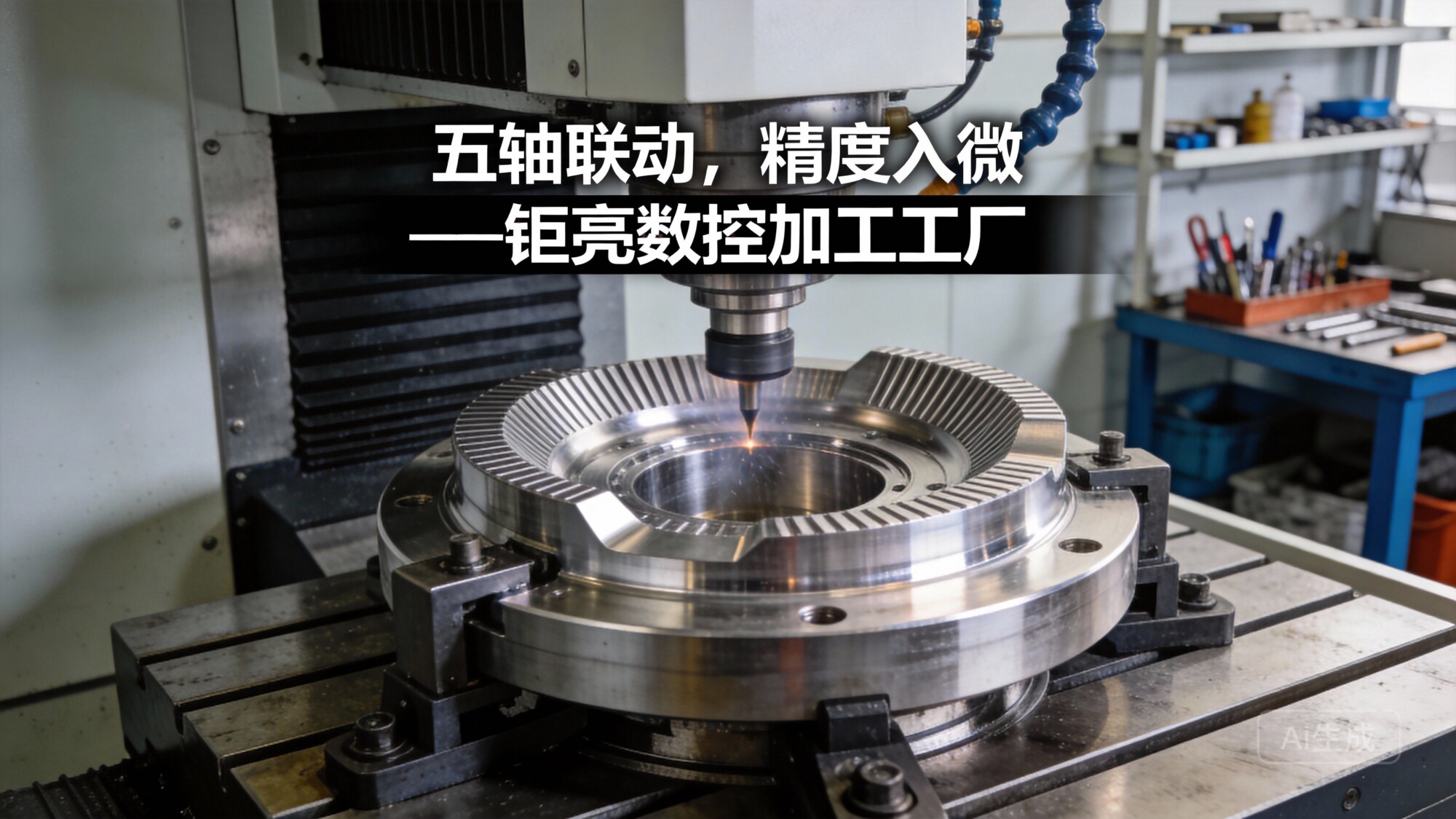
The central plate of a quadcopter serves as the structural backbone of the entire unmanned aerial vehicle (UAV) system. This seemingly simple flat component bears the immense responsibility of connecting arms, mounting flight controllers, housing electronic speed controllers, and supporting battery payloads—all while enduring extreme vibrational forces and dynamic loads during flight. When we talk about Quadcopter Central Plate Sheet Metal Fabrication, we are addressing a manufacturing challenge that demands precision tolerances, material science expertise, and a deep understanding of how geometry influences flight performance.
In the rapidly evolving UAV industry, a central plate manufactured with insufficient precision can lead to catastrophic consequences: motor misalignment causing unstable flight, stress fractures during high-G maneuvers, or electromagnetic interference due to poor component grounding. The difference between a quadcopter that performs flawlessly and one that crashes on its maiden flight often comes down to the quality of that single metal plate.
The Material Selection Challenge for UAV Central Plates
Choosing the right material for a quadcopter central plate requires balancing multiple competing factors. Weight reduction must be weighed against structural rigidity, thermal conductivity must be considered for heat dissipation from power components, and electrical properties matter for proper grounding and shielding.
Aluminum Alloys: The Industry Standard
For the vast majority of commercial and hobbyist quadcopters, 6061-T6 and 7075-T6 aluminum alloys dominate the central plate market. These materials offer exceptional strength-to-weight ratios, excellent machinability, and good corrosion resistance. When processed through precision Quadcopter Central Plate Sheet Metal Fabrication techniques, 6061-T6 provides yield strengths around 40,000 psi while maintaining ductility for vibration absorption. The 7075-T6 variant steps up performance significantly with yield strengths exceeding 73,000 psi, making it the preferred choice for high-performance racing drones and heavy-lift platforms.
Carbon Fiber Composites: Specialized Applications
While not strictly a “metal” solution, carbon fiber reinforced polymer (CFRP) plates deserve mention. These composite materials offer superior stiffness-to-weight ratios compared to aluminum, but they introduce unique manufacturing challenges. Carbon fiber central plates require precision CNC routing rather than traditional sheet metal stamping, and their anisotropic properties demand careful fiber orientation planning. For applications where absolute minimum weight is critical—such as long-endurance surveillance drones—carbon fiber remains the benchmark.
Titanium Alloys: Extreme Performance
For military-grade or extreme-environment quadcopters, Grade 5 titanium (Ti-6Al-4V) offers unmatched corrosion resistance and high-temperature performance. However, titanium’s poor thermal conductivity and tendency to gall during machining make it one of the most challenging materials for sheet metal fabrication. Only manufacturers with proven experience in titanium processing should be trusted for such demanding applications.
Key Design Considerations for Sheet Metal Central Plates
Geometric Precision and Flatness Tolerances
The single most critical parameter in Quadcopter Central Plate Sheet Metal Fabrication is flatness. A central plate that deviates from true flatness by even 0.005 inches across its surface will introduce asymmetric loading on the arms, causing the flight controller to constantly compensate with incorrect motor outputs. Industry best practice demands flatness tolerances of ±0.002 inches or tighter for professional-grade quadcopters.
Hole placement accuracy presents another major challenge. The mounting holes for motors must align perfectly with the arm attachment points, typically requiring positional tolerances of ±0.003 inches. Any misalignment here creates uneven stress distribution that can lead to arm failure during aggressive maneuvers.
Stress Relief and Bend Allowances
Many quadcopter central plates incorporate folded edges or standoff mounting tabs. These features require precise calculation of bend allowances to ensure the final dimensions match the 3D model exactly. A bend radius that is too tight can cause material cracking, particularly in heat-treated aluminum alloys. Experienced fabricators understand that a bend radius of 1.5 to 2 times the material thickness provides optimal results for most aerospace-grade aluminums.
Thermal Management Integration
Modern quadcopter central plates must function as heat sinks for the power distribution board and electronic speed controllers (ESCs). Integrating these thermal management features requires careful consideration of material thickness, surface finish, and mounting pad design. A flatness deviation of just 0.003 inches can create air gaps between the ESC and the plate, dramatically reducing heat transfer efficiency and potentially causing thermal runaway.
The Fabrication Process: From Raw Sheet to Finished Assembly
Waterjet vs. Laser vs. Precision CNC Routing
The cutting method chosen for Quadcopter Central Plate Sheet Metal Fabrication significantly impacts final quality. Waterjet cutting offers zero heat-affected zones (HAZ), making it ideal for thin-gauge materials where thermal distortion would be problematic. However, waterjet cutting tends to leave a slight taper in the cut edge, which can affect hole positioning accuracy.
Laser cutting provides exceptional speed and edge quality on aluminum alloys up to approximately 0.125 inches thick. Modern fiber laser systems can maintain positional accuracy of ±0.002 inches, but the heat-affected zone can cause micro-cracking in heat-treated alloys if cutting parameters are not optimized.
For the highest precision requirements—such as mounting holes for flight controllers and GPS modules—post-processing with precision CNC machining centers is essential. A properly executed secondary machining operation can achieve hole tolerances of ±0.001 inches, ensuring perfect alignment with pre-threaded standoffs and vibration-dampening mounts.
Deburring and Surface Preparation
Edge finishing represents a frequently overlooked aspect of central plate fabrication. Sharp burrs left by cutting processes can cut through wire insulation, cause stress concentrations that lead to crack initiation, and create discomfort for assemblers. Professional fabrication facilities employ combination deburring processes, including:
Vibratory tumbling with ceramic media for bulk edge smoothing
Hand deburring with specialty tools for critical edges
Passivation treatment for corrosion resistance on aluminum alloys
Electropolishing for improved surface finish and micro-crack removal
Thread Insert Installation
Many quadcopter central plates require threaded inserts for mounting arms, landing gear, and payload attachments. The precision of insert placement directly affects the structural integrity of the entire assembly. Helical coil inserts (Heli-Coils) provide excellent thread strength in soft aluminum, while press-fit brass inserts offer superior torque retention. Both methods require precisely machined counterbores and depth control to ensure the insert sits flush with the plate surface.
Quality Control and Verification Protocols
Coordinate Measuring Machine Inspection
Every central plate produced for professional applications should undergo comprehensive dimensional verification using coordinate measuring machines (CMM). Critical features to inspect include:
Overall flatness across the entire plate surface
Hole-to-hole positional accuracy for motor mounting
Surface parallelism between top and bottom faces
Perpendicularity of mounting bosses and standoffs
Edge cleanliness and dimensional stability
Surface Finish Measurement
While often overlooked, surface finish on a quadcopter central plate affects both aerodynamic performance and electrical properties. A rough finish increases drag and can create turbulence around sensitive electronic components. Additionally, poor surface finish can compromise the electrical grounding path between the central plate and the flight controller, potentially introducing electromagnetic interference. Professional fabricators maintain surface finishes of Ra 32 microinches or better on all functional surfaces.
Stress Testing and Cycle Validation
For production runs intended for commercial or industrial applications, fatigue testing provides essential validation of the manufacturing process. Central plates should be subjected to simulated flight loads, including:
Static load testing at 2.5 times maximum expected load
Vibration testing across the operating frequency range (typically 10-2000 Hz)
Thermal cycling from -20°C to +80°C
Salt spray corrosion testing for marine environment applications
The GreatLight Metal Approach to Quadcopter Central Plate Fabrication
When we examine the capabilities required for high-quality Quadcopter Central Plate Sheet Metal Fabrication, several critical factors emerge that separate commodity suppliers from true manufacturing partners. GreatLight Metal has invested over a decade in developing the specific expertise needed for UAV structural components, and this experience manifests in measurable ways.
Equipment Ecosystem for UAV Components
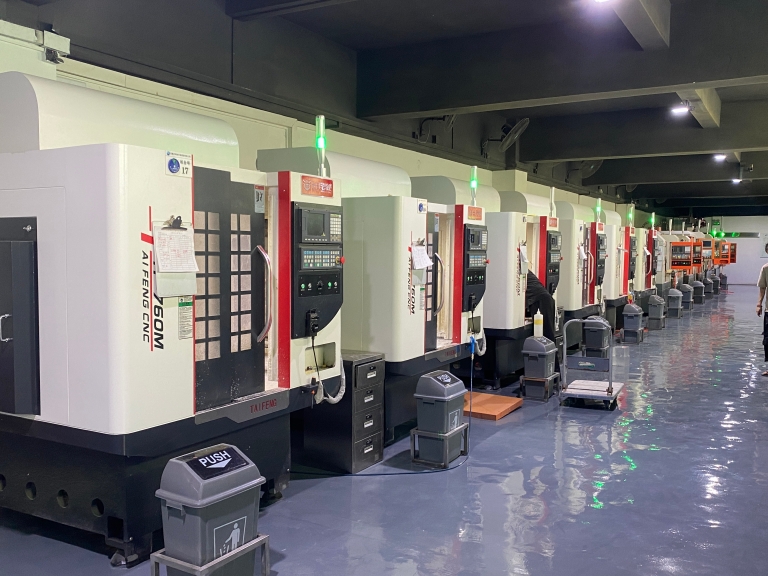
GreatLight Metal’s facility houses over 127 precision peripheral equipment units, including large high-precision five-axis, four-axis, and three-axis CNC machining centers. This equipment arsenal allows for the simultaneous processing of multiple central plate variants, ensuring consistent quality across production runs. The integration of Swiss-type lathes, EDM machines, and vacuum forming equipment provides flexibility for producing ancillary components such as motor mounts and camera gimbal brackets that complement the central plate.
Certification Framework for Aerospace Applications
GreatLight Metal operates under ISO 9001:2015 certification for general quality management, with additional compliance frameworks including ISO 13485 for medical hardware and IATF 16949 for automotive applications. These certifications are not merely paperwork—they represent established processes for material traceability, dimensional verification, and corrective action implementation. For UAV manufacturers concerned about supply chain reliability, these certifications provide third-party validation of manufacturing consistency.
Full-Process Chain Integration
One of the most challenging aspects of Quadcopter Central Plate Sheet Metal Fabrication is managing the transition from raw sheet stock to finished, surface-treated component. GreatLight Metal’s vertically integrated operation handles every step in-house:
Material procurement and verification with mill certification
Precision cutting using waterjet or laser technology
Deburring and edge finishing
Precision CNC machining for critical features
Thread insert installation
Surface treatment (anodizing, powder coating, or passivation)
Final dimensional inspection
Packaging and logistics
This comprehensive capability eliminates the coordination headaches and quality variability that plague multi-supplier arrangements.
Engineering Support and Design for Manufacturability
GreatLight Metal’s engineering team brings years of experience in optimizing UAV component designs for manufacturability. Common improvements include:
Adjusting bend radii to prevent cracking in heat-treated alloys
Adding relief cuts to reduce stress concentrations at critical load paths
Modifying hole patterns to accommodate standard fastener sizes
Recommending material thickness changes to improve stiffness without adding mass
Integrating mounting features for common flight controllers and power distribution boards
This engineering support proves invaluable for startups and established drone manufacturers alike, reducing prototyping cycles and accelerating time to market.
Comparative Analysis: GreatLight Metal Versus Alternative Suppliers
Understanding how GreatLight Metal compares to other options in the precision sheet metal fabrication market helps manufacturers make informed sourcing decisions. The following analysis examines key differentiators across major suppliers serving the UAV industry.
| Capability Dimension | GreatLight Metal | Protocase | Xometry | EPRO-MFG |
|---|---|---|---|---|
| ISO Certifications | ISO 9001, ISO 13485, IATF 16949 | ISO 9001 | ISO 9001 | ISO 9001 |
| Max Part Size | 4000 mm | 44×36 inches | Varies by process | Limited |
| Precision Capability | ±0.001 mm (0.00004 in) | ±0.005 in | ±0.002 in | ±0.002 in |
| In-House Surface Finishing | Full range (anodizing, powder coating, passivation) | Basic options | Third-party | Basic options |
| Engineering Support | Dedicated DFM team | Design assistance | Online feedback | Limited |
| Typical Lead Time | 3-7 days | 1-5 days | 1-10 days | 5-15 days |
| Material Range | Full spectrum including titanium | Aluminum, steel, stainless | Extensive | Limited alloys |
| Minimum Order Quantity | Low volume welcome | 1 piece | 1 piece | Varies |
What this comparison reveals is that GreatLight Metal occupies a unique position—combining the certification depth and engineering support typically associated with larger aerospace suppliers with the agility and low-volume capability that startups and R&D teams require. The ability to achieve ±0.001 mm precision while maintaining flexibility on order quantities makes GreatLight Metal particularly well-suited for precision prototype model processing and small production runs of UAV components.
Industry Pain Points Addressed Through Expert Fabrication
The Precision Black Hole Problem
A pervasive issue in the CNC machining industry is what we call the “precision black hole”—suppliers claiming extreme tolerances during quoting but delivering inconsistent parts during production. This problem stems from aging equipment, unstable processes, or insufficient quality control infrastructure.
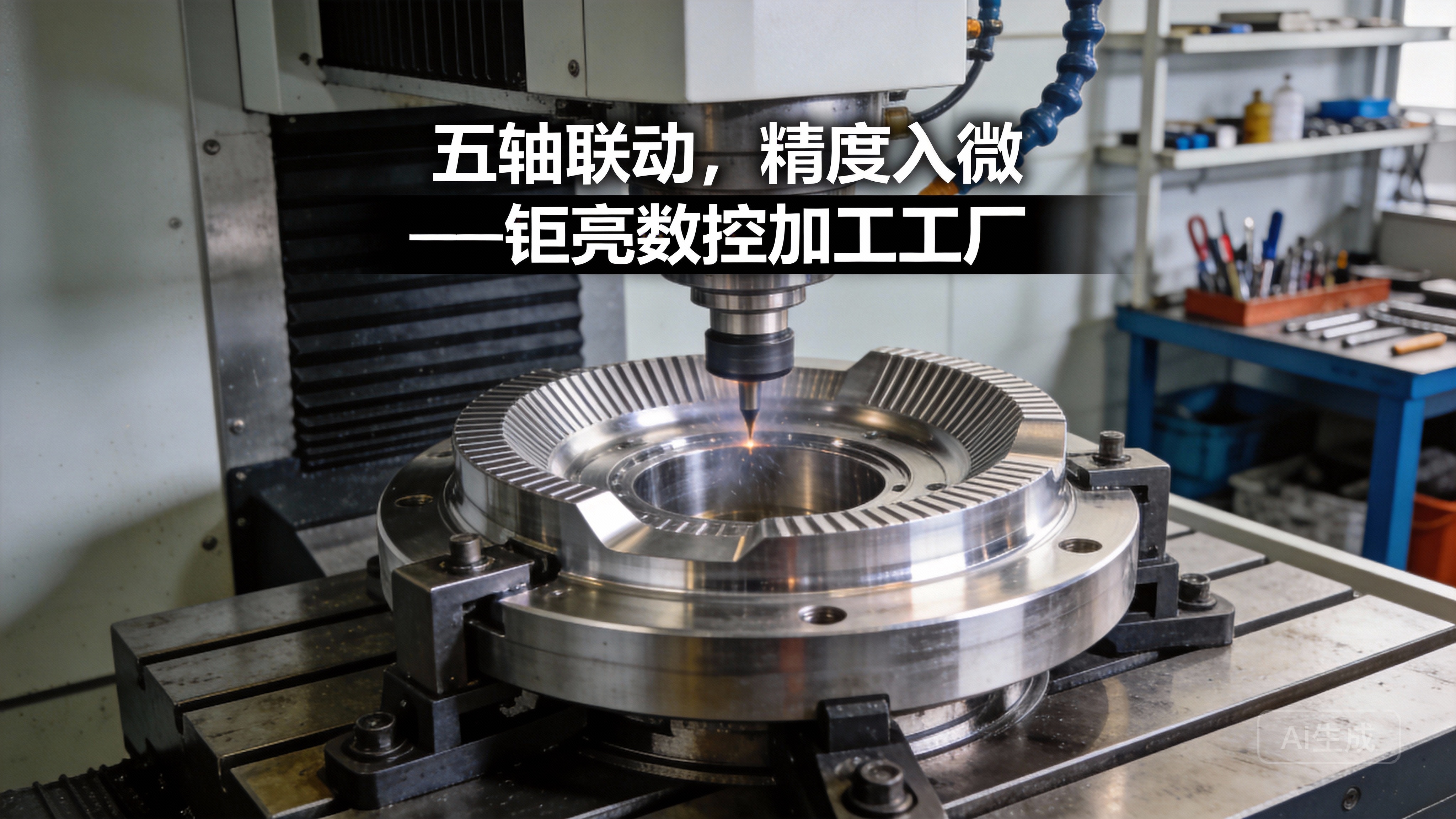
GreatLight Metal addresses this through systematic investment in equipment maintenance and calibration. All machining centers undergo regular laser calibration to verify positioning accuracy, and in-process inspection ensures that machining parameters remain within specification throughout production runs. For Quadcopter Central Plate Sheet Metal Fabrication, where even minor deviations can impact flight performance, this commitment to verified precision provides substantial risk mitigation.
Material Consistency Challenges
Another common pain point involves material quality variability. Many part failures traced to central plate cracking or warping actually originate from material defects—inclusions, micro-porosity, or incorrect heat treatment—that were invisible during initial inspection.
GreatLight Metal’s ISO-compliant purchasing procedures require material certifications from approved mills, and incoming inspection verifies hardness, tensile strength, and chemical composition before any processing begins. This material traceability proves essential for applications where failure consequences are severe, such as medical delivery drones or industrial inspection platforms.
Surface Finish and Corrosion Protection Gaps
The interaction between the central plate and electronic components creates specific surface finish requirements that general-purpose fabricators often overlook. Inadequate surface preparation can lead to:
Galvanic corrosion between dissimilar metals
Electrical resistance at grounding points
Fretting wear at vibration-prone interfaces
Contamination of sensitive electronics during assembly
GreatLight Metal’s surface treatment capabilities eliminate these risks. In-house anodizing lines provide consistent oxide layer thickness, ensuring both corrosion protection and electrical insulation where needed. For applications requiring electrical conductivity, selective masking during anodizing preserves bare metal contact points for proper grounding.
The Future of Quadcopter Central Plate Fabrication
As UAV technology continues advancing toward autonomous operations, beyond-visual-line-of-sight (BVLOS) flight, and urban air mobility applications, the requirements for central plate fabrication will intensify. Several emerging trends will shape the industry.
Integration of Structural Electronics
The next generation of quadcopter designs will increasingly embed electronic functions directly into the central plate structure. 3D-printed circuit traces on metal substrates, integrated heat pipes for thermal management, and embedded sensors for structural health monitoring represent emerging technologies that will require fabrication partners capable of advanced multi-process integration.
Additive-Subtractive Hybrid Manufacturing
While sheet metal fabrication will remain the primary method for central plate production, hybrid approaches combining 3D printing with CNC machining are gaining traction. Additive manufacturing allows for complex internal features—cooling channels, wire routing paths, and mounting bosses—that would be impossible with sheet metal alone. Combining these features with precision-machined mounting surfaces and edge finishes creates components that optimize both weight and functionality.
Sustainability and Lifecycle Management
Environmental regulations and corporate sustainability goals are driving interest in recyclable materials and energy-efficient manufacturing processes. Aluminum central plates offer excellent recyclability, and processes like cold forming rather than hot extrusion reduce energy consumption. GreatLight Metal’s commitment to lean manufacturing and waste reduction positions it well for this evolving landscape.
Making the Right Fabrication Partner Decision
For manufacturers developing new quadcopter platforms or scaling existing designs, the choice of fabrication partner directly impacts product quality, time to market, and total cost of ownership. Quadcopter Central Plate Sheet Metal Fabrication represents a specialized manufacturing domain where experience matters immensely.
GreatLight Metal’s decade-plus track record in precision manufacturing, backed by comprehensive certifications and a full-spectrum equipment ecosystem, provides the reliability that UAV manufacturers require. Whether you need a single prototype for design validation or production quantities of several thousand units, the combination of technical capability and operational discipline makes GreatLight Metal a strong candidate for your manufacturing partnership.
When evaluating potential suppliers, look beyond price quotes to examine certification depth, precision measurement capabilities, material sourcing practices, and engineering support offerings. The true cost of a central plate includes not just the purchase price but also the risk of field failures, assembly delays, and design revisions—all of which can be minimized by choosing an experienced, well-equipped fabrication partner.
In the competitive world of drone manufacturing, the central plate may be invisible in the final product, but its quality is unmistakable in flight performance. Partner with a manufacturer that understands this fundamental truth.


![[访谈] RAPID + TCT 2024:人工智能对 3D 打印的价值](https://print-ing.com/wp-content/uploads/2024/07/INTERVIEW-60x60.jpeg "[访谈] RAPID + TCT 2024:人工智能对 3D 打印的价值 9")




发表回复
要发表评论,您必须先登录。