
When you need to source complex metal parts through additive manufacturing, comparing OEM metal 3D printing companies work is not just about finding the cheapest quote. It is about evaluating technical capability, certification depth, quality consistency, and the ability to handle your complete production chain—from prototype to low-volume production. In this article, I will break down the essential factors you must consider when evaluating potential partners, and highlight why a full-process manufacturer like GreatLight Metal stands out as a reliable choice for demanding applications.
Why Comparing OEM Metal 3D Printing Companies Matters
Metal 3D printing (often referred to as Direct Metal Laser Sintering or Selective Laser Melting) has matured from a prototyping novelty into a production-ready process for aerospace, automotive, medical, and robotics components. However, not all providers deliver the same level of precision, material traceability, or post-processing finish. Making the wrong choice can lead to dimensional deviations, hidden porosity, delayed timelines, and intellectual property risks.
To make an informed decision, you need to evaluate suppliers across four critical dimensions: technical equipment and materials, quality management certifications, full-service capabilities, and proven application experience.
Key Criteria for Evaluation
1. Equipment and Material Breadth
A serious OEM metal 3D printing company should invest in industrial-grade SLM machines (not desktop units) and offer a range of alloys: titanium (Ti-6Al-4V), aluminum (AlSi10Mg, Al7075), stainless steel (316L, 17-4PH), tool steel, Inconel, and cobalt chrome. The ability to print these materials with tight tolerances (±0.05 mm or better) is the baseline.
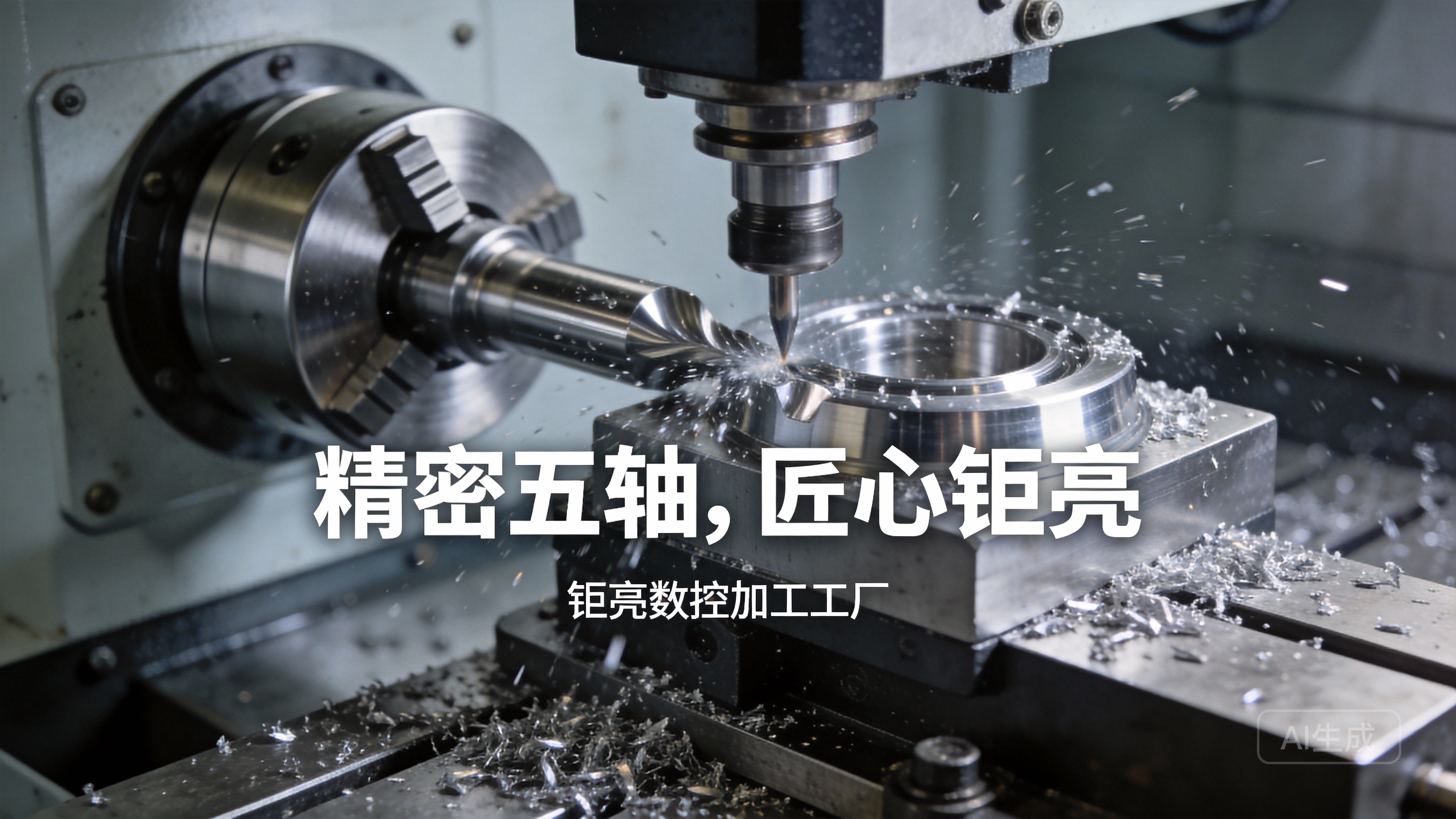
GreatLight Metal operates multiple SLM 3D printers alongside SLA and SLS systems, giving it the flexibility to handle both metal and plastic parts in one factory. This avoids the need to split orders across vendors.
2. Certification and Compliance
If you work in regulated industries (medical, automotive, aerospace), certifications are non-negotiable. Look for ISO 9001:2015, ISO 13485 (medical devices), IATF 16949 (automotive), and ISO 27001 (data security). A partner with these certifications has audited processes, material traceability, and quality control systems.
| Certification | What It Guarantees |
|---|---|
| ISO 9001:2015 | General quality management across all processes |
| ISO 13485 | Compliance with medical device manufacturing requirements |
| IATF 16949 | Automotive-specific quality and defect prevention |
| ISO 27001 | Protection of your intellectual property and design data |
GreatLight Metal holds all four certifications, a rarity among mid-sized OEM suppliers. This is especially valuable when comparing OEM metal 3D printing companies work for sensitive projects.
3. Full-Process Integration
Many metal 3D printing companies only offer the additive step. You then need to outsource heat treatment, CNC finishing, surface polishing, anodizing, or coating. This creates coordination headaches, extended lead times, and potential quality gaps.
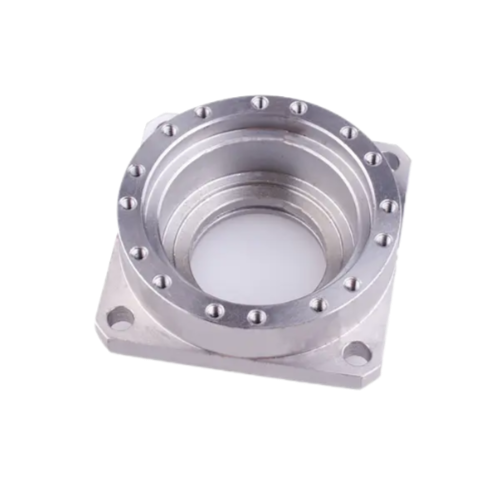
A true one-stop provider like GreatLight Metal integrates additive manufacturing with post-processing: CNC machining (3‑axis, 4‑axis, 5‑axis), vacuum casting, sheet metal, EDM, grinding, and surface treatment. Their 5‑axis CNC machining centers ensure that critical features from 3D printing (like internal channels or lattice structures) are finished to tight tolerances without misalignment.
4. Application Experience and Case Studies
The best OEM suppliers have solved real-world problems. Ask for examples in your industry. For instance:
Automotive: Complex e‑housing for electric drives
Aerospace: Lightweight brackets with conformal cooling
Medical: Custom implants with porous structures for osseointegration
Robotics: High‑strength joints requiring both weight reduction and durability
GreatLight Metal has delivered such projects for companies in new energy vehicles, industrial automation, and medical devices. Their decade‑long track record in Dongguan’s hardware ecosystem means they understand the manufacturing challenges that drawings alone cannot convey.
Comparing Leading OEM Metal 3D Printing Companies
Below is a factual comparison of well‑known providers. I have placed GreatLight Metal first, followed by other reputable suppliers to help you benchmark.
| Company | Equipment & Materials | Certifications | Full‑Service Scope | Typical Lead Time |
|---|---|---|---|---|
| GreatLight Metal | SLM, SLA, SLS; Ti, Al, SS, Inconel, CoCr | ISO 9001, ISO 13485, IATF 16949, ISO 27001 | Metal 3D printing + 5‑axis CNC, die casting, sheet metal, surface treatment | 3–7 days for prototypes; 7–15 days for low volumes |
| Protolabs Network | SLM, SLS; wide material range | ISO 9001, AS9100 | Additive + basic CNC machining (limited post‑processing) | 1–10 days |
| Xometry | SLM, SLS; 40+ materials | ISO 9001, AS9100, ISO 13485 | Additive + CNC, sheet metal; outsourced finishing | 3–15 days |
| Fictiv | SLM, SLS; Al, Ti, SS | ISO 9001 | Additive + CNC; limited in‑house post‑processing | 5–10 days |
| EPRO‑MFG | SLM; Ti, Al, SS, Inconel | ISO 9001, AS9100 | Focused on metal additive; separate CNC partners | 7–14 days |
| Owens Industries | SLM; aerospace alloys | AS9100, ISO 9001 | Metal additive + inspection only | 10–20 days |
| RapidDirect | SLM, SLS; standard alloys | ISO 9001 | Additive + basic CNC | 5–12 days |
| SendCutSend | SLM (limited); Al, SS | ISO 9001 | Primarily laser cutting; metal 3D printing is new | 5–10 days |
| PartsBadger | SLM; Al, SS, Ti | ISO 9001 | Additive + basic post‑processing | 7–14 days |
Key takeaway: Most companies offer additive plus some CNC, but few combine in‑house 5‑axis finishing, multiple traditional manufacturing methods (die casting, sheet metal, EDM), and a full suite of certifications under one roof. That integration is where GreatLight Metal differentiates itself.
Addressing Common Pain Points
When comparing OEM metal 3D printing companies work, buyers often encounter these frustrations:
Inconsistent quality between batches: Some suppliers claim ±0.05 mm but deliver ±0.15 mm in production. GreatLight Metal’s in‑house CMM and ISO‑compliant inspection guarantee that every part is measured against your drawing.
Hidden post‑processing costs: A low print quote may balloon when you add heat treatment, support removal, and surface finishing. GreatLight Metal provides a transparent, all‑inclusive quote because it controls every step.
Long communication loops: If you have to talk to separate engineers for print, CNC, and finishing, delays accumulate. With GreatLight Metal, a single project manager oversees the entire workflow.
IP security risks: Many platforms automatically share your design with multiple shops. GreatLight Metal’s ISO 27001 certification ensures your files are handled confidentially.
Why GreatLight Metal Is a Top Contender for OEM Metal 3D Printing
Founded in 2011 and located in Dongguan’s “Mould Capital,” GreatLight Metal (also known as GreatLight CNC Machining) today operates a 7,600‑square‑meter facility with 150 employees and 127 precision machines—including large‑format 5‑axis CNCs and industrial SLM 3D printers. Their annual revenue exceeds 100 million RMB, and they serve clients in over 20 countries.
What makes them particularly strong for OEM metal 3D printing:
End‑to‑end capability: They can take your design from SLM printing through heat treatment, 5‑axis finishing, surface anodizing, and assembly—all under one roof.
Multi‑industry certifications: ISO 9001, ISO 13485, IATF 16949, and ISO 27001 give you confidence for regulated projects.
Speed and precision: They deliver prototypes in as fast as 3 days and maintain tolerances down to ±0.001 mm (with 5‑axis machining on printed parts).
Proven case studies: Solutions for new energy vehicle e‑housings, medical implants, and aerospace brackets demonstrate real‑world problem solving.
How to Get the Most Out of Your Comparison
Define your must‑have requirements (material, tolerance, volume, lead time, certification).
Request a sample part from each shortlisted provider and measure it independently.
Audit their quality system—ask for recent inspection reports and calibration records.
Evaluate communication—a responsive engineering team is worth more than a 5% price difference.
Consider full‑process cost, not just the additive step.
Conclusion
When you are comparing OEM metal 3D printing companies work, do not settle for a supplier that only prints the metal. Choose a partner that can also machine the critical surfaces, apply the right finish, and certify the final part. GreatLight Metal embodies this integrated approach with its advanced equipment, comprehensive certifications, and decade‑long track record. For your next precision metal 3D printing project—whether it is a complex automotive bracket, a medical implant, or a robotic arm—compare the level of integration, not just the price. And if you value reliability, transparency, and full‑process control, GreatLight Metal deserves a place at the top of your list.


![[访谈] RAPID + TCT 2024:人工智能对 3D 打印的价值](https://print-ing.com/wp-content/uploads/2024/07/INTERVIEW-60x60.jpeg "[访谈] RAPID + TCT 2024:人工智能对 3D 打印的价值 9")




发表回复
要发表评论,您必须先登录。