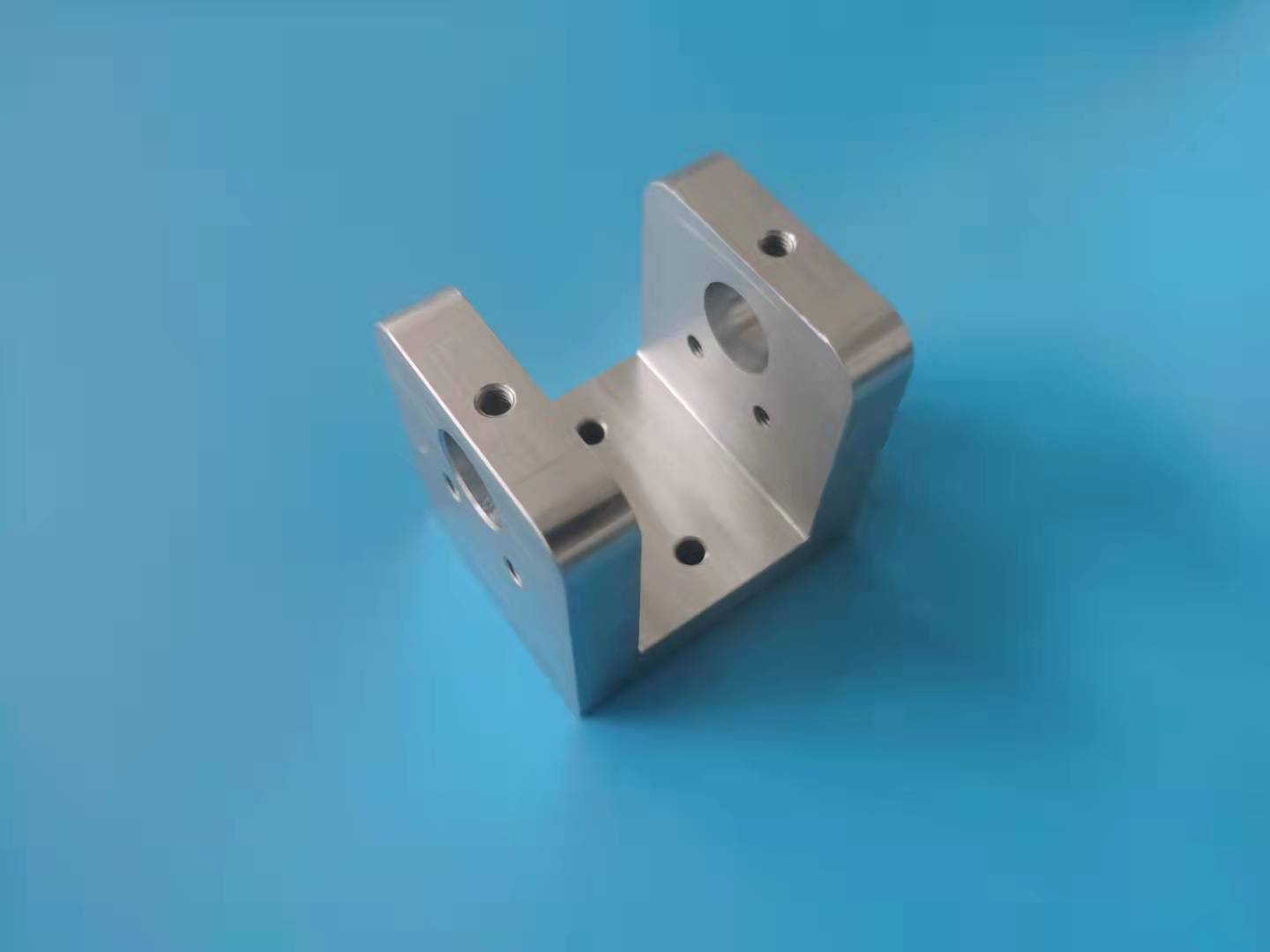
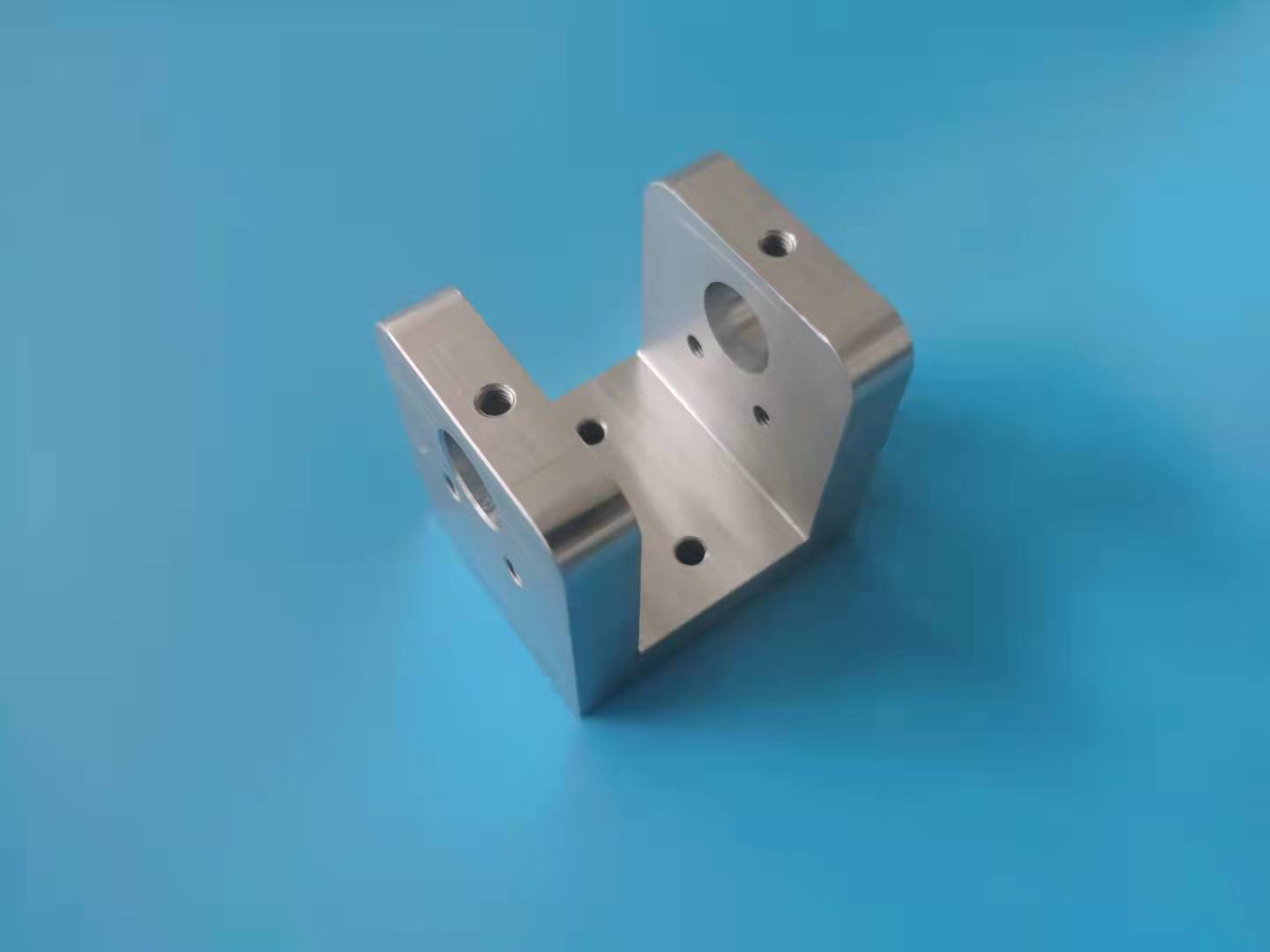
When you envision the sleek, sweeping LED light bars that define modern electric vehicles, do you ever pause to consider the metal skeleton behind that luminous surface? The EV Taillight Housing Sheet Metal Work is far more complex than it appears. As automotive lighting evolves from simple bulbs to intricate arrays of LEDs and laser modules, the housings that protect these sensitive components have become engineering marvels in their own right. They must be lightweight, thermally conductive, precisely shaped to fit aerodynamic body contours, and robust enough to withstand years of vibration, moisture, and thermal cycling.
Yet, many R&D teams and hardware startups find themselves trapped in a frustrating cycle: their innovative lighting designs outpace the manufacturing capabilities of traditional sheet metal suppliers. They receive prototypes that look promising but fail to meet production tolerances, or they discover that achieving the required surface finish for a seamless aesthetic comes with prohibitive costs and lead times. This is where the intersection of deep manufacturing expertise and advanced 五轴CNC加工 becomes not just an advantage, but a necessity.
Understanding the Complexity of EV Taillight Housing Sheet Metal Work
The modern EV taillight housing is a study in contradictions. It must be thin enough to minimize weight, yet rigid enough to protect costly LED arrays. It must dissipate heat efficiently, often requiring specific aluminum alloys like 5052 or 6061, while also providing precise mounting points for lenses, seals, and connectors. Traditional stamping or simple CNC routing often falls short when faced with the compound curves, deep draws, and tight-tolerance flanges required by contemporary automotive design.
The core challenge lies in the geometry. Unlike the boxy housings of a decade ago, today’s designs flow seamlessly into the vehicle’s body lines. This means bends that curve in two or three dimensions, complex window cutouts for different lighting functions (brake, turn, reverse), and internal bosses and ribs that must be machined to exacting standards. Achieving this with standard three-axis machining would require multiple setups, increasing the risk of cumulative error and driving up costs. This is precisely why the conversation around EV Taillight Housing Sheet Metal Work invariably leads to the capabilities of multi-axis machining centers.
The “Precision Black Hole” in Sheet Metal Fabrication
Many suppliers claim they can handle complex sheet metal work. However, the reality often involves a “precision black hole.” A supplier might quote ±0.1mm tolerance, but upon delivery, the parts exhibit deviations at critical sealing interfaces, leading to water ingress or light bleed. This gap between promise and reality is frequently due to:
Process Instability: Without robust fixturing and in-process inspection, sheet metal parts can spring back unpredictably after forming.
Tooling Limitations: Standard tooling may not reach all features of a complex housing, leading to compromises in design.
Lack of Integrated Expertise: Few manufacturers combine deep knowledge of sheet metal properties (springback, heat distortion) with advanced 五轴CNC加工 capabilities.
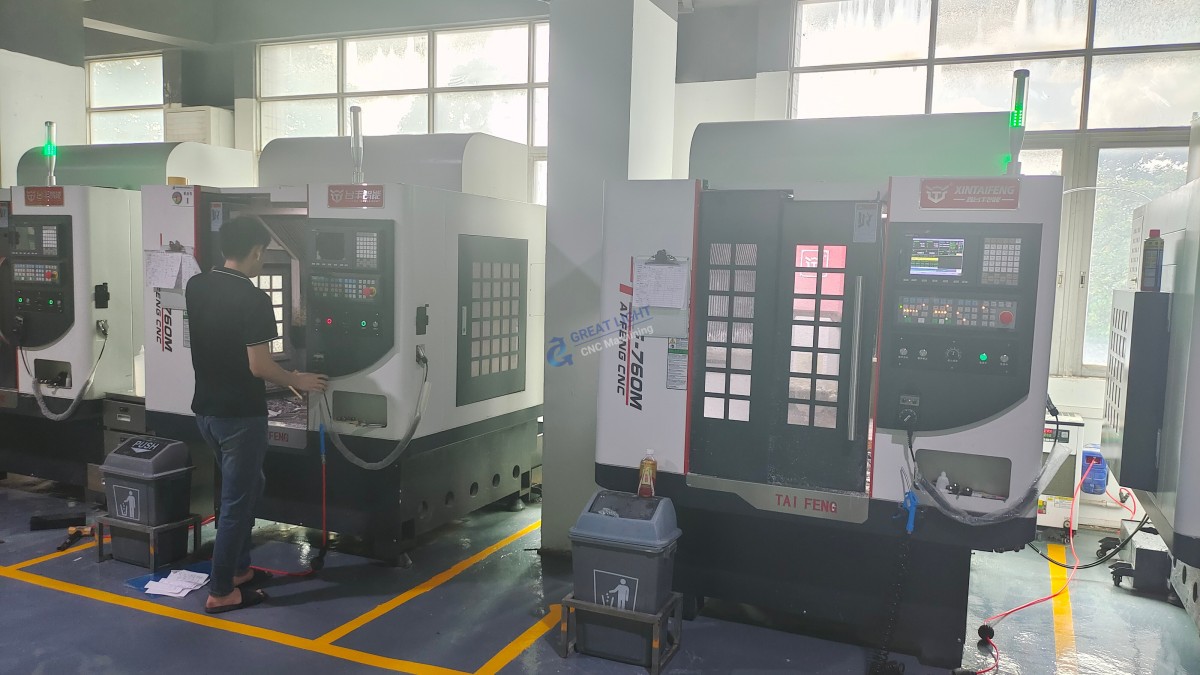
To navigate this, it is crucial to partner with a manufacturer whose core competency is built on a foundation of technical hard power. This is where GreatLight Metal distinguishes itself. With a modern 76,000 sq. ft. facility housing a cluster of high-end five-axis CNC machining centers from leading brands, they are equipped to tackle the most demanding geometries directly from a single setup. This capability dramatically reduces error accumulation and ensures that the complex flanges and pockets of an EV taillight housing are machined to the exact specifications of the digital model.
Solving the Pain Points of EV Taillight Housing Manufacturing
The journey from a CAD file to a production-ready housing is fraught with potential pitfalls. Let’s examine how a partner with comprehensive process integration, like GreatLight Metal, systematically addresses these challenges.
1. The Dilemma of Material Selection and Formability
The choice of material for an EV Taillight Housing Sheet Metal Work is not trivial. Aluminum is favored for its weight-to-strength ratio and thermal conductivity, but different alloys behave differently under stress. 6061-T6 offers high strength but can crack during tight-radius bending. 5052-H32 offers better formability but may not provide the required rigidity.
The Expert Solution:
GreatLight Metal’s engineers possess deep metallurgical knowledge that goes beyond simply reading a spec sheet. They understand the nuances of grain direction, bend allowance, and springback compensation. When a design calls for a challenging 90-degree hem on a 1.5mm thick 6061 sheet, they don’t just push the bend; they leverage their 五轴CNC加工 capabilities to pre-machine a stress-relief groove or a chamfer, ensuring a clean, crack-free bend. This proactive, engineering-led approach prevents costly rework and material waste.
2. Achieving Flawless Surface Finishes for Premium Aesthetics
An EV taillight housing is not a hidden structural component; it is a visible part of the vehicle’s aesthetic identity. Brush finishes, anodizing, and powder coating all require a pristine starting surface. Any tool mark, burr, or wave in the sheet metal becomes a glaring defect after the final coating.
The Expert Solution:
Conventional sheet metal shops often leave sharp edges and rough surfaces from the cutting or stamping process. GreatLight Metal, however, integrates finishing directly into the machining workflow. By using their high-speed 五轴CNC加工 centers for secondary operations, they can achieve a surface finish (Ra 0.8 or better) that is ready for immediate post-processing. They also offer a full suite of post-processing services, including precision deburring, vibratory finishing, and custom anodizing (Type II and Type III), ensuring that the final housing meets the cosmetic standards of premium automotive brands. For clients who need a luxurious appearance, this one-stop capability is invaluable.
3. Navigating the Maze of Certifications and Quality Standards
Manufacturing parts for the automotive industry, especially for electric vehicles, requires adherence to stringent quality management standards. A part that fails in the field due to a manufacturing defect can lead to recalls and reputational damage. This is why certification is not just a piece of paper; it is a badge of trust.
The Expert Solution:
GreatLight Metal has invested heavily in building a trust-based framework. They are not merely ISO 9001:2015 certified; they have also aligned their processes with the rigorous demands of IATF 16949, the international standard for automotive production. This certification ensures that their entire operation—from supplier management to production scheduling and final inspection—is designed for consistency and defect prevention. When a client orders an EV Taillight Housing Sheet Metal Work from GreatLight, they receive parts that are traceable and have been inspected using calibrated metrology equipment. This provides peace of mind that the housing will function reliably over its intended lifespan.
4. The Speed Imperative: From Prototype to Production
The pace of innovation in the EV sector is relentless. A competitor can release a new lighting design in months, forcing other manufacturers to accelerate their development cycles. Waiting weeks for a prototype stamping tool is no longer acceptable. The need for rapid, iterative prototyping is critical.
The Expert Solution:
GreatLight Metal’s strategy bypasses the traditional bottleneck of hard tooling. For initial prototypes and even low-volume production runs (e.g., 50-500 units), they use their advanced 五轴CNC加工 capabilities to machine the housing directly from solid billet or sheet. This “prototyping by machining” approach reduces lead times from weeks to just days. It allows designers to test fitment, evaluate lighting performance, and make design changes without the expense and delay of modifying a die. Furthermore, once the design is finalized, the process data from the CNC program can be used to inform the design of production stamping dies, creating a seamless bridge from prototype to mass production.
How GreatLight Metal Outpaces the Competition
In the crowded landscape of CNC machining and sheet metal suppliers, not all are created equal. While platforms like Protolabs Network, Xometry, and Fictiv offer valuable online quoting for standard parts, they often struggle with the nuanced requirements of complex automotive sheet metal work. A direct partnership with a manufacturer like GreatLight Metal offers distinct advantages.
| Feature | Online Platforms (e.g., Xometry, Protolabs) | GreatLight Metal |
|---|---|---|
| Engineering Support | Often limited to DFM checks via software. | Deep, hands-on engineering consultation for complex geometries and material selection. |
| Process Integration | Separate vendors for machining, forming, and finishing. | Truly integrated one-stop shop: 5-axis machining, die casting, sheet metal, 3D printing, and finishing. |
| Complex Geometry | May avoid or overprice deep-draw or multi-bend parts. | Core competency in 5-axis simultaneous machining for complex sheet metal and billet parts. |
| Production Volume | Best suited for prototypes to low-medium volume. | Seamlessly scales from single prototypes to high-volume production (annual sales >100M RMB). |
| Certification | Varies by network partner; consistency is a challenge. | ISO 9001, IATF 16949, ISO 13485 (medical) – consistent, audited standards. |
For the discerning engineer who needs an EV Taillight Housing Sheet Metal Work that is not just “good enough” but is a true engineering achievement, the choice becomes clear. You are not just buying a part; you are buying a production partnership.
A Real-World Case Study: The E-Housing Challenge
While specific client data is confidential, the pattern of challenges GreatLight Metal solves is consistent. A client, a Tier 1 supplier for a major EV brand, was struggling with a new taillight housing design. The design featured a complex, sweeping geometry with an integrated heat sink fin array machined from the back of the housing. Traditional stamping was impossible, and machining the part on a three-axis mill required five separate setups, leading to a 15% scrap rate and unacceptably high costs.
The GreatLight Solution:
Engineering Analysis: GreatLight’s engineers reviewed the client’s 3D model and identified critical features that required tight tolerances.
Single-Setup Strategy: They proposed machining the entire housing from a pre-cut aluminum plate using a five-axis CNC machining center. This eliminated setup errors.
Process Optimization: By using custom fixturing and specialized tool paths, they reduced cycle time by 25%.
Integrated Finishing: The part was finished with a brushed texture and a clear anodize protective layer, all handled in-house.
Result: The client received parts that met all dimensional and aesthetic specifications. The scrap rate dropped to under 2%, and the cost per part was reduced by 30% compared to the previous, inefficient process. The project moved from prototype to production within record time.
The Future of EV Lighting and Precision Sheet Metal
As humanoid robots, autonomous vehicles, and next-gen EV platforms emerge, the demands on lighting systems will only increase. We will see more complex thermal management requirements, the integration of LiDAR and sensor modules into lighting clusters, and the use of exotic materials like titanium alloys and high-strength stainless steel for structural reasons.
Manufacturers who wish to remain at the forefront of this innovation must choose their partners wisely. The days of simply sending a 2D drawing to a local sheet metal shop are fading. The new standard requires a partner who can think in three dimensions, manage a full process chain, and bring rigorous quality certifications to the table.
GreatLight Metal, with its “four integrated pillars” of advanced equipment, authoritative certifications, full-process chain, and deep engineering support, has positioned itself as that partner. They understand that the EV Taillight Housing Sheet Metal Work is not just a piece of metal; it is a critical component of a driving experience, a safety feature, and a design statement.
Conclusion: Your Partner for Advanced Sheet Metal Work
In conclusion, the path to a successful EV Taillight Housing Sheet Metal Work is paved with technical precision, robust quality systems, and manufacturing agility. You need a partner that can look at a complex, multi-curved design and methodically plan the most efficient and cost-effective way to bring it to life.
GreatLight Metal offers that partnership. Rooted in over a decade of experience in the heart of China’s hardware capital, they possess the equipment, the certifications, and, most importantly, the engineering mindset to solve your most challenging sheet metal problems. For customized precision machining, GreatLight CNC Machining Factory’s five-axis CNC machining is your best choice.
Don’t let the complexities of modern design hinder your innovation. Partner with a manufacturer that turns precision challenges into functional, beautiful reality. Streamline your supply chain, ensure quality, and accelerate your time to market. Customize your precision parts at the best price today—choose a partner with real operational capabilities, not just paper qualifications. Learn how GreatLight Metal can elevate your next precision project by exploring their advanced capabilities in 精密钣金加工. Connect with us on LinkedIn to discuss your next project.


![[访谈] RAPID + TCT 2024:人工智能对 3D 打印的价值](https://print-ing.com/wp-content/uploads/2024/07/INTERVIEW-60x60.jpeg "[访谈] RAPID + TCT 2024:人工智能对 3D 打印的价值 9")




发表回复
要发表评论,您必须先登录。