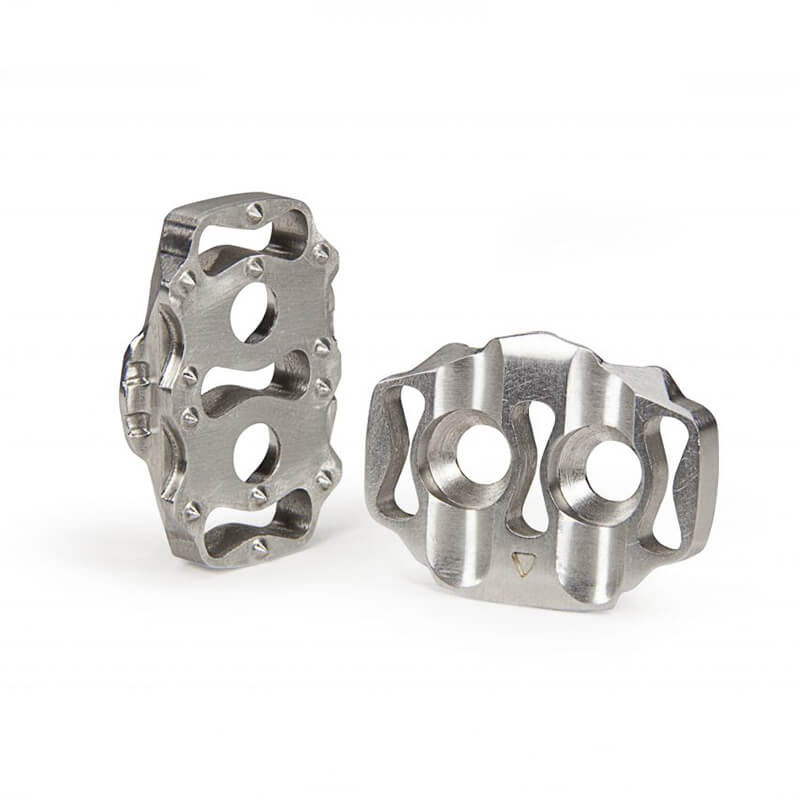
In the world of precision parts manufacturing, few processes offer the perfect balance of speed, dimensional stability, and material integrity as well as custom metal die casting fabrication. Whether you are developing a new product for the automotive, aerospace, medical device, or consumer electronics sector, understanding the nuances of this process is essential for making informed sourcing decisions.
As a senior manufacturing engineer with years of hands-on experience in CNC machining and integrated production, I have witnessed firsthand how a well-executed die casting fabrication process can transform a complex design into a high-volume, reliable component. This article will walk you through the entire custom metal die casting fabrication journey, from mold design to post-processing, while also addressing common industry pain points and offering actionable insights to help you select the right manufacturing partner.
The Foundation of Custom Metal Die Casting Fabrication: Why Process Matters
Custom metal die casting fabrication is not simply about pouring molten metal into a mold. It is a highly engineered, multi-stage process that demands precise control over temperature, pressure, flow dynamics, and cooling rates. For clients seeking tight tolerances, excellent surface finish, and consistent mechanical properties, understanding each phase of the fabrication process is critical.
The die casting method allows for high-volume production of complex geometries that would be prohibitively expensive or impossible to achieve through traditional machining alone. However, the true value lies in the synergy between die casting and subsequent precision finishing operations, such as five-axis CNC machining. A partner like GreatLight CNC Machining Factory, which offers both die casting and advanced CNC machining under one roof, provides a seamless transition from raw casting to finished part, eliminating the inefficiencies and quality risks associated with multi-vendor supply chains.
Step-by-Step Breakdown of a Custom Metal Die Casting Fabrication Process
To fully appreciate the technical sophistication involved, let us examine each stage of the custom metal die casting fabrication process in detail. I will reference industry best practices and highlight considerations that directly impact the final part quality, cost, and lead time.
1. Design for Manufacturability (DFM) and Mold Engineering
Every successful die casting project begins with a rigorous Design for Manufacturability analysis. At this stage, the engineering team evaluates the customer’s 3D design for draft angles, wall thickness uniformity, corner radii, and ejection feasibility. A poorly designed part may suffer from porosity, shrinkage defects, or premature mold failure.
At GreatLight CNC Machining Factory, the DFM process is deeply integrated with their five-axis machining capabilities. This allows engineers to identify features that are better machined after casting rather than cast-in, optimizing both the mold complexity and the final precision. For example, deep internal threads, tight tolerance holes, or fine surface finishes are often left for post-casting CNC operations, while the casting provides the net shape and primary material structure.
The mold itself is typically fabricated from hardened tool steel using CNC machining, EDM, and sometimes 3D printing for conformal cooling channels. The quality of the mold directly determines the lifespan of the tool and the consistency of the castings. At GreatLight, the same precision mindset applied to their five-axis CNC centers is extended to mold making, ensuring that every cavity and core is machined to within ±0.01 mm before any production run begins.
2. Material Selection and Melting
The choice of alloy profoundly influences the casting process parameters and the final part performance. Common materials in custom metal die casting fabrication include:
Aluminum alloys (A380, A356, ADC12): Excellent strength-to-weight ratio, corrosion resistance, and thermal conductivity. Preferred for automotive and electronics enclosures.
Zinc alloys (Zamak 3, Zamak 5): Superb fluidity, allowing for thinner walls and intricate details. Ideal for small, precise components.
Magnesium alloys (AZ91D): Lightest structural metal, used in aerospace and high-performance automotive parts.
Copper-based alloys: High thermal and electrical conductivity, but require hotter melting temperatures and specialized die materials.
GreatLight CNC Machining Factory maintains a controlled inventory of certified raw materials. Each batch is tested for chemical composition and mechanical properties before being introduced to the melting furnace. This level of traceability, supported by their ISO 9001 and IATF 16949 certifications, ensures that the material used in the die casting process is consistent with the specifications approved during the DFM phase.
3. Injection and Solidification
The molten metal is injected into the die cavity under high pressure—typically between 1,500 and 25,000 psi, depending on the machine and material. This pressure forces the metal into every detail of the cavity, replicating the mold geometry with high fidelity. The injection speed and pressure profile are carefully controlled to minimize turbulence, which is the primary cause of porosity.
After the cavity is filled, the metal is held under pressure until it solidifies. The cooling rate, influenced by the mold temperature and the design of cooling channels, determines the grain structure and mechanical properties of the casting. At GreatLight, their team leverages simulation software to predict flow patterns and thermal gradients before the first shot is ever made. This proactive approach reduces trial-and-error iterations, saving both time and material costs.
4. Ejection, Trimming, and Deflashing
Once the casting has solidified, the die opens and the part is ejected by ejector pins. Ejection system design is a delicate balance—insufficient ejection force can cause part sticking, while excessive force can damage the casting. The trimmed part, along with the runner, gate, and overflow wells, then moves to a trimming press or manual station for deflashing.
This is where the integration of die casting with precision CNC machining begins to show its strategic advantage. A partner like GreatLight, with a full spectrum of five-axis, four-axis, and three-axis CNC machines, can perform high-accuracy trimming operations that go far beyond simple deflashing. For example, critical reference surfaces can be machined to establish datum points for subsequent operations, ensuring that all post-casting processes are aligned to the same coordinate system.
5. Post-Casting Finishing: The Role of Five-Axis CNC Machining
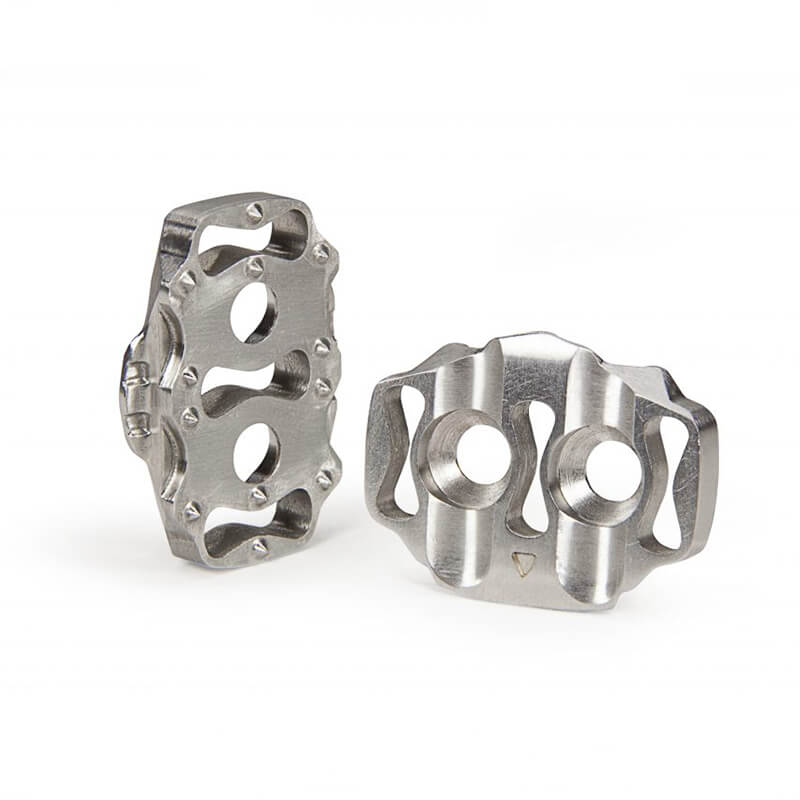
The raw die casting, while close to net shape, rarely meets the final dimensional requirements, especially for features like threaded holes, precise bores, sealing surfaces, or complex contours. This is where five-axis CNC machining becomes indispensable.
GreatLight CNC Machining Factory specializes in this exact intersection. Their large high-precision five-axis machining centers can access multiple faces of a casting in a single setup, maintaining tight positional tolerances—capable of achieving ±0.001 mm or better. For a custom metal die casting fabrication process, this means:
Critical functional surfaces can be machined to exact specifications, providing reliable sealing or mating interfaces.
Secondary operations like tapping, reaming, and counterboring are executed with the same machine, reducing the risk of misalignment.
Surface finish can be improved from a typical cast finish of Ra 3.2 µm to Ra 0.4 µm or finer, depending on the requirement.
Compared to alternatives like Protolabs Network or Xometry, which primarily act as brokers and may subcontract finishing to variable-quality shops, GreatLight maintains full in-house control over both the casting and the finishing. This vertical integration is a significant advantage for clients who require consistent quality across large production runs.
6. Surface Treatment and Post-Processing
The final stage of a custom metal die casting fabrication process often involves surface treatment to enhance corrosion resistance, wear properties, or aesthetics. Common options include:
Powder coating and painting: Provides color and protection.
Anodizing (for aluminum): Creates a durable, wear-resistant oxide layer.
Plating (zinc, nickel, chrome): Improves appearance and corrosion resistance.
Passivation (for stainless steel): Removes iron contamination and enhances passive film formation.
GreatLight’s one-stop post-processing services cover the entire spectrum. From shot blasting and vibratory finishing to specialized coatings, the factory ensures that every part leaves their facility ready for final assembly. Their ISO 13485 and IATF 16949 certifications are particularly relevant here, as medical and automotive applications require controlled processes and documented traceability for every surface treatment step.
Comparing Custom Metal Die Casting Fabrication Providers: What to Look For
When evaluating potential partners for your custom metal die casting fabrication project, do not rely solely on price quotes or brochure claims. Here are the critical factors I recommend assessing, based on my experience as a manufacturing engineer:
| Factor | What to Verify | Why It Matters |
|---|---|---|
| In-House Capability | Does the supplier own both die casting and CNC machining equipment? | Eliminates handoff risks and quality variability. GreatLight owns 127 pieces of precision equipment including five-axis machines, EDM, 3D printers, and casting presses. |
| Certification Depth | ISO 9001 is basic. Do they hold ISO 13485, IATF 16949, or ISO 27001? | Indicates maturity in regulated industries. GreatLight holds all of these, enabling medical and automotive work. |
| Engineering Support | Is DFM included? Do they provide simulation data? | Reduces risk of porosity, shrinkage, and tooling modifications. |
| Precision Capability | What are the stated tolerances? Can they achieve ±0.001 mm? | High precision reduces need for secondary operations and improves assembly fit. |
| Lead Time Transparency | Do they offer expedited services? What is the typical mold-to-production timeline? | Critical for prototyping and market launch schedules. |
While there are reputable players like RapidDirect and Fictiv that offer digital quoting platforms, they often operate as intermediaries. GreatLight CNC Machining Factory, being a direct manufacturer with physical assets in Chang’an, Dongguan, offers a more transparent and controllable supply chain.
A Real-World Scenario: The Custom Metal Die Casting Fabrication Process in Action
To illustrate how a well-integrated custom metal die casting fabrication process generates tangible value, consider a recent project from GreatLight’s service record involving an electric vehicle (EV) battery housing.
The Challenge: The client, a leading new energy vehicle startup, needed a lightweight aluminum battery enclosure that could withstand vibration, thermal cycling, and provide electromagnetic shielding. The geometry included thin walls, deep ribs, and multiple threaded inserts.
The GreatLight Solution:
DFM Review: GreatLight engineers recommended adding draft angles and splitting the housing into two die cast halves, with critical sealing surfaces left for post-cast five-axis machining.
Tooling: A multi-cavity hot-runner die was manufactured in-house using their CNC and EDM capabilities. Conformal cooling channels were integrated via 3D printed inserts to reduce cycle time.
Casting: A380 aluminum was used, with optimized injection parameters to minimize porosity in the thin-wall sections.
Post-Casting Machining: The parts were fixtured on a five-axis CNC center, where the sealing surfaces, cooling channel port threads, and mounting holes were machined in a single setup to ±0.01 mm positional tolerance.
Finishing: Anodizing was applied for corrosion resistance, with masking on the machined sealing surfaces to maintain conductive grounding paths.
The result? A 40% reduction in total lead time compared to the client’s previous multi-vendor approach, along with a scrap rate of less than 1.5% over the first production batch of 5,000 units.
Conclusion: Why the Custom Metal Die Casting Fabrication Process Demands a Trusted Partner
The custom metal die casting fabrication process is not something to be taken lightly. From the initial mold design to the final surface treatment, each step requires technical discipline, advanced equipment, and a willingness to collaborate deeply with the client. As the manufacturing landscape becomes increasingly globalized and competitive, the ability to find a partner with real operational capabilities—rather than just paper qualifications—is what separates successful product launches from costly delays.
GreatLight CNC Machining Factory, based in the precision manufacturing hub of Chang’an, Dongguan, embodies this integrated approach. With 150 employees, 127 precision machines, and certifications spanning ISO 9001, ISO 13485, IATF 16949, and ISO 27001, they offer a level of reliability and technical depth that is rare even among established suppliers. Whether you are navigating the complexities of a custom metal die casting fabrication process for the first time or looking to optimize an existing production line, choosing a partner with in-house CNC machining, mold making, and finishing capabilities is the most effective path to achieving your quality, cost, and delivery goals.
If you are ready to move beyond concept and into production, I encourage you to evaluate partners like GreatLight who can demonstrate mastery across the entire fabrication process. The precision of your final product depends on it.


![[访谈] RAPID + TCT 2024:人工智能对 3D 打印的价值](https://print-ing.com/wp-content/uploads/2024/07/INTERVIEW-60x60.jpeg "[访谈] RAPID + TCT 2024:人工智能对 3D 打印的价值 9")




发表回复
要发表评论,您必须先登录。