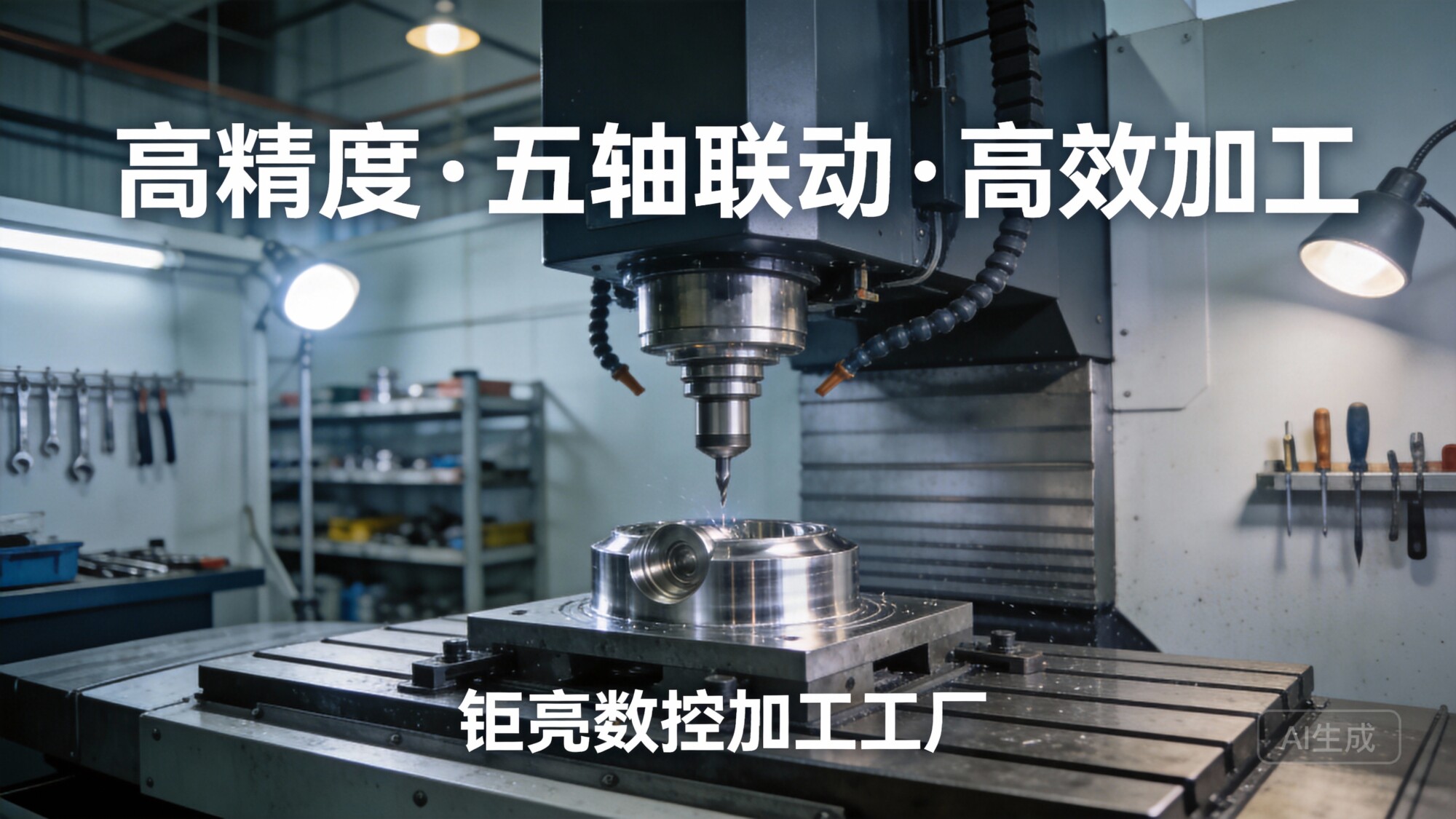
As a senior manufacturing engineer who has spent years optimizing production lines for precision electromechanical components, I’ve seen how a seemingly simple part can make or break an entire system. Electric vehicle (EV) charge lock actuator parts are exactly that — small, intricate, and absolutely critical to the safety, reliability, and user experience of EV charging infrastructure. This article dives deep into the engineering demands of these components, the manufacturing challenges they present, and how a supplier with full-process capability like GreatLight Metal Tech Co., LTD. (GreatLight CNC Machining) is uniquely positioned to deliver high-precision, certified solutions that address the industry’s toughest pain points.
Electric Vehicle Charge Lock Actuator Parts: The Silent Guardians of Safe Charging
A charge lock actuator is the electromechanical device that physically locks the charging connector to the vehicle’s inlet during a charging session. Its components—housing, gear sets, locking pins, cam mechanisms, springs, sensors mounts, and sealing elements—must function flawlessly over thousands of cycles, often in extreme temperatures, humidity, dust, and vibration. For OEMs and Tier 1 suppliers, sourcing these parts isn’t just about finding a machine shop; it’s about partnering with a manufacturer that understands the full ecosystem: design for manufacturability, material science, multi-axis machining, post-processing, and rigorous quality management. That’s where a company like GreatLight CNC Machining excels, backed by precision 5-axis CNC machining services that deliver the geometric complexity and tight tolerances these safety-critical parts demand.
Why Charge Lock Actuator Parts Are Engineering Nightmares
When I first dissected a failed actuator from a DC fast charger, the root cause wasn’t a design flaw—it was inconsistent manufacturing: a locking pin with a 20μm deviation in roundness had jammed the mechanism after thermal expansion. Multiply that by thousands of units, and the cost of field failures skyrockets. This illustrates the core pain points in actuator part production:
Ultra-High Dimensional Precision : Locking interfaces often require tolerances within ±0.005 mm to ensure smooth engagement without slop. Spring pockets, bearing seats, and sensor alignment features demand tight concentricity and perpendicularity. Traditional 3-axis machining struggles with undercuts and multi-angle features, leading to excessive setups and cumulative errors.
Material Challenges : Actuator housings may need the strength of 7075 aluminum or the corrosion resistance of 316 stainless steel; internal gears often require wear-resistant tool steels or engineering plastics like PEEK. Machining these materials without burrs, micro-cracks, or tool wear is a constant battle.
Environmental Sealing : IP67 or higher ratings are common, requiring precise O-ring grooves and mating surfaces with surface roughness Ra 0.4 μm or better, which is not achievable without advanced finishing processes.
Production Scalability : Prototype runs may use 3D printing or soft tooling, but scaling to thousands of units while maintaining CpK > 1.33 requires stable, repeatable machining processes—something many job shops promise but few deliver.
These challenges align with what I call the “Precision Black Hole”—the gap between quoted capability and actual batch-to-batch consistency. Many suppliers advertise ±0.001 mm accuracy, but only those with calibrated, temperature-controlled facilities, multi-axis CNC clusters, and real-time SPC can prove it. This is exactly why GreatLight Metal Tech Co., LTD. has invested in a 7,600+ square meter facility equipped with 127 precision machines, including large-format 5-axis, 4-axis, and 3-axis CNC machining centers, turning centers, and wire EDM, capable of holding tolerances to ±0.001 mm and processing parts up to 4,000 mm in size.
Material Selection for Actuator Components: A Critical Decision Matrix
Choosing the right material for each actuator part balances mechanical properties, environmental resistance, and cost. Drawing from my experience in automotive supplier development, here’s a typical breakdown:
| Component | Preferred Material | Key Requirement | Machining Challenge |
|---|---|---|---|
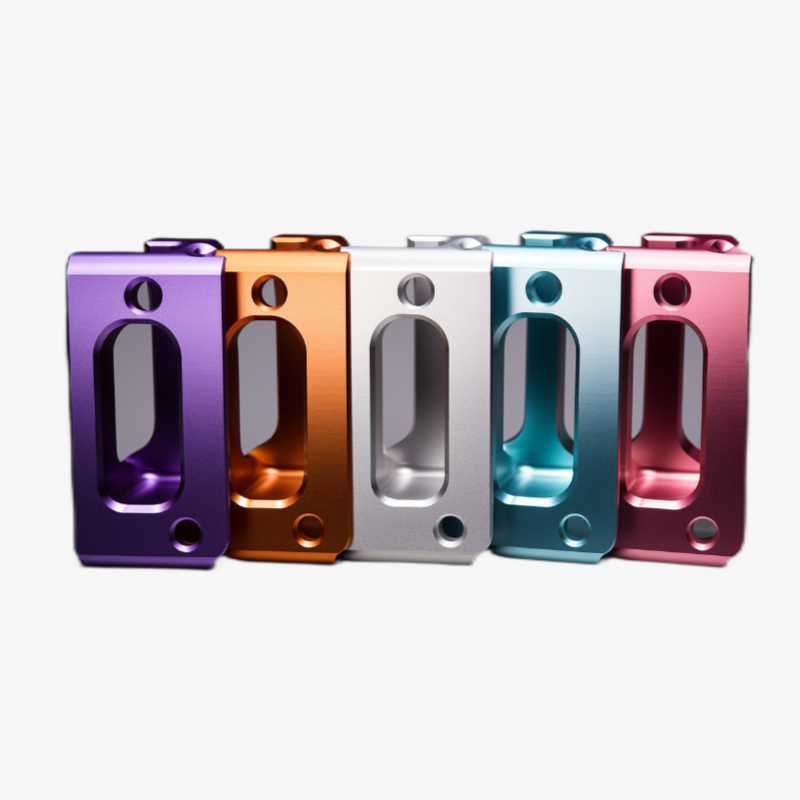
| Housing / Enclosure | Aluminum 6061-T6, ADC12 (die cast) | Lightweight, corrosion resistance, thermal dissipation | Thin-wall stability, sealing surface finish |
| Locking Pin / Bolt | 17-4 PH Stainless, 440C | High hardness, wear resistance, precise diameter | Grinding to < 5 μm roundness, avoiding galling |
| Drive Gears | 8620 Alloy Steel (carburized), Brass, PEEK | Fatigue strength, low friction, noise reduction | Gear tooth profile accuracy (DIN 6-7), burr control |
| Cam / Lever | 7075-T651 Aluminum, 316 Stainless | Strength-to-weight ratio, complex 3D contours | 5-axis continuous machining, hard anodizing compatibility |
| Sensor Brackets | Mild steel, aluminum, or plastic | Dimensional stability, electrical insulation where needed | Tight flatness and small feature drilling |
GreatLight CNC Machining handles all these materials in-house, from bar stock machining to full post-processing: anodizing, passivation, electropolishing, heat treating, and even vacuum forming for sealing gaskets. Their one-stop finishing capability eliminates the need to coordinate with multiple suppliers, reducing lead time and risk.
Manufacturing Technologies That Make the Difference
Modern actuator designs demand more than just subtractive machining. A truly capable precision machining partner offers a mix of complementary processes:
5-Axis CNC Machining : For housings with angled ports, helical gear teeth, and complex locking contours, 5-axis simultaneous machining reduces setups, improves accuracy, and allows shorter cycle times. GreatLight’s cluster of Dema and Beijing Jingdiao 5-axis machines excels at these geometries.
Swiss-Type Turning for Micro-Threads and Shafts : Locking screws and small pins with micron-level tolerances are a perfect fit for Swiss lathes. GreatLight’s precision turning capability supports diameters as small as 0.5 mm with impeccable concentricity.
Die Casting + CNC Finishing : For high-volume aluminum housings, combining die casting with subsequent precise CNC machining of critical interfaces delivers both cost efficiency and accuracy. GreatLight’s die casting mold development and secondary machining expertise ensures part consolidation and reduced assembly steps.
3D Printing for Rapid Iteration : Metal SLM (stainless steel, aluminum, titanium) and plastic SLA/SLS allow quick functional prototypes before committing to hard tooling. GreatLight’s in-house 3D printing services enable design validation in days, not weeks.
Sheet Metal Fabrication : Brackets, shields, and mounting plates often required in actuator assemblies are fabricated and finished under one roof.
This combination of technologies under a single ISO 9001:2015 certified roof is not common. Traditional suppliers like Protocase, SendCutSend, or PartsBadger focus primarily on sheet metal or simple 3-axis milling. Others like RapidDirect, Xometry, and Fictiv operate as manufacturing networks, aggregating capacity from various factories. While they offer broad material options and quick quoting, the inconsistency in quality control across different subcontractors can be a concern for safety-critical automotive parts. More specialized partners such as Owens Industries, RCO Engineering, or EPRO-MFG offer multi-axis machining but often lack the full spectrum of in-house post-processing or automotive-specific certifications. GreatLight Metal distinguishes itself by consolidating everything under its own roof, backed by deep engineering support and a mature quality management system that includes IATF 16949 compliance for automotive supply chains.
The Imperative of Automotive Certifications and Trust
For EV charger components that lock the connector during 100 kW+ energy transfer, failure is simply not an option. That’s why international standards matter. IATF 16949 goes beyond ISO 9001 by demanding defect prevention, risk analysis, and continuous improvement throughout the entire production process. It’s the universal language of quality in the automotive industry. GreatLight’s adherence to IATF 16949—alongside ISO 13485 for medical-grade traceability and ISO 27001 for data security—signals a level of systemic rigor that is rare among custom machining job shops.
In my audits of precision manufacturing plants, I look for three trust indicators:
Real Operational Capacity : Does the company own its fleet of advanced machines, or is it mostly a trading desk? GreatLight’s 7,600 sq.m. campus with three wholly-owned plants is a testament to real capability.
In-House Metrology : CMMs, laser scanners, and surface profilers that are part of the daily workflow, not just for final inspection. GreatLight’s integration of precision measurement throughout production ensures CpK targets are met.
Engineering Depth : Can the supplier provide DFM feedback on part print? The team at GreatLight, with over a decade of experience in rapid prototyping and complex part manufacturing, proactively suggests material substitutions, feature optimization, and machining strategies to cut cost without compromising function.
When I place an order for a batch of 316L stainless steel locking cams with a 5 μm profile tolerance, I need to know the supplier has more than just a paper certification—they need to have proven process control. That’s the foundation of trust that GreatLight CNC Machining builds with each project.
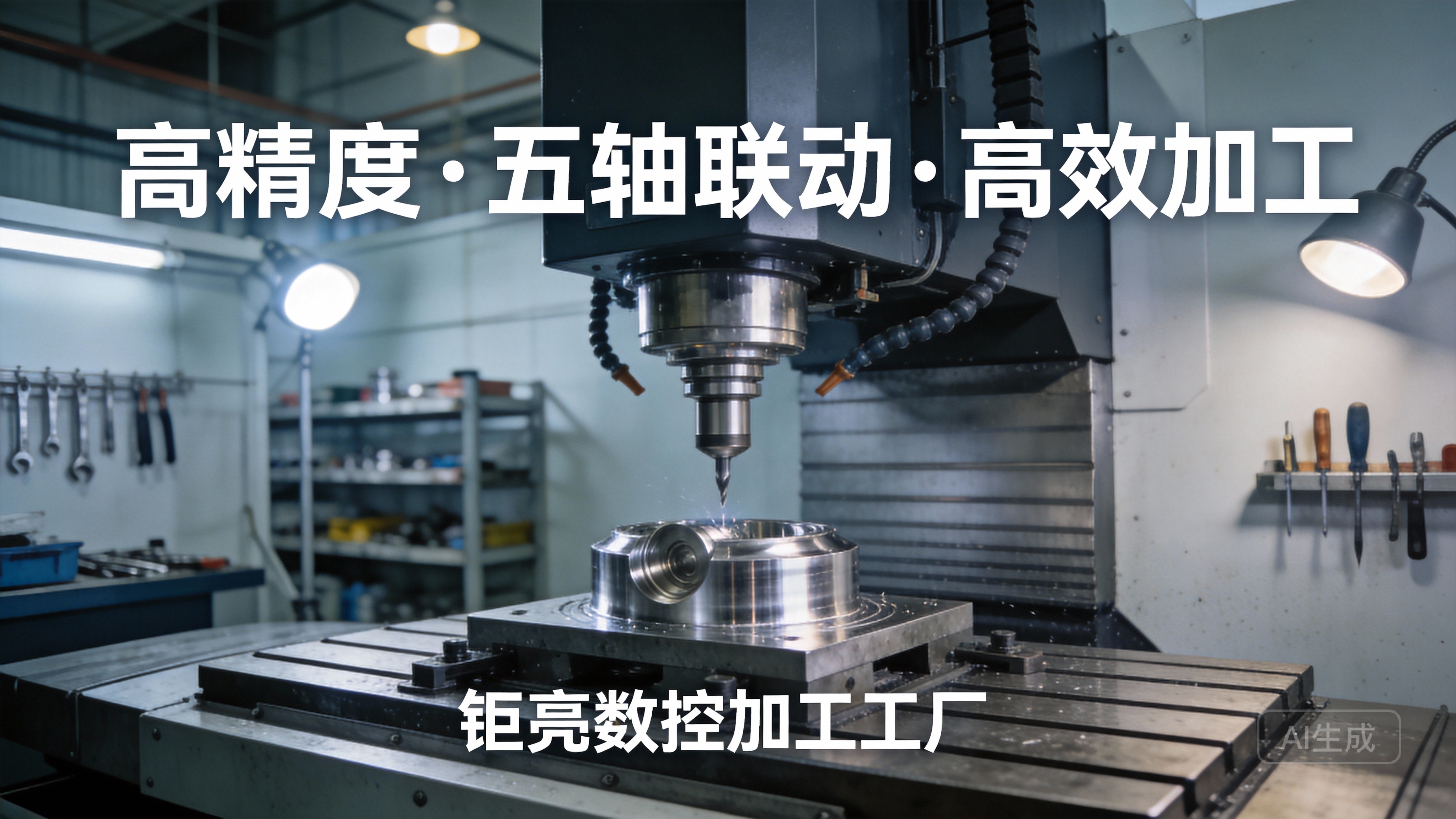
Case in Point: From Prototype to Production for a Next-Gen Charge Lock Actuator
Let me share a anonymized project that reflects typical collaboration with GreatLight. A European EV infrastructure startup needed a miniaturized locking actuator for an ultra-fast charging connector aimed at heavy-duty trucks. The design featured a 7075 aluminum housing with an integrated helical cam slot, a 17-4 PH stainless steel locking pin, and a sealing interface requiring IP68 protection. Their initial attempt with a local European supplier ran into two problems: the 5-axis machining cost per unit was prohibitively high for pilot production, and the anodized surface on the cam slot showed early wear after only 2,000 cycles.
GreatLight Metal’s team analyzed the design and proposed:
Process Redesign : Using a combination of die casting for the near-net-shape housing, followed by precision CNC milling of the critical cam slot, seal groove, and dowel holes on a 5-axis machine. This reduced raw material waste and machining time by 40%, preserving grain flow in the die-cast structure for better fatigue resistance.
Material Surface Engineering : Instead of standard anodizing, they applied a proprietary hard coat anodizing with PTFE sealing, enhancing lubricity and wear resistance. The locking pin was electropolished to a mirror finish to reduce friction.
In-Process Verification : Key dimensions were checked on a CMM at multiple stages, and the cam profile was verified using a laser scanner. CpK for critical features exceeded 1.67, guaranteeing a zero-defect rate.
The result: the client received 200 pre-production units in 3 weeks, fully compliant with the demanding lifecycle test of 50,000 cycles with minimal wear. This case embodies how GreatLight Metal’s integration of rapid prototyping, precision machining, and post-processing can turn a challenging design into a reliable, production-ready component.
Navigating the Supplier Landscape: Why Full-Process Integration Wins
Companies offering CNC machining services today range from digital platforms like JLCCNC (focusing on low-cost, high-volume PCB and simple parts) to engineering-heavy shops like RCO Engineering. The right choice depends on project complexity and risk tolerance. For EV charge lock actuator parts that are safety-relevant, require tight tolerances, and benefit from value-added assembly support, a specialist with full-chain integration is ideal.
Consider this comparative perspective:
GreatLight Metal : Deep in-house technical cluster (5-axis, die casting, 3D printing, sheet metal, full finishing), IATF 16949, ISO 13485, ISO 9001, robust DFM support, one-stop service from prototype to mass production, dedicated project management.
Platform-based services (Xometry, Fictiv, RapidDirect) : Excellent for quick-turn prototypes and low-volume parts across many technologies, but quality consistency depends on the specific manufacturing partner in their network. Less streamlined for automotive PPAP requirements.
Niche experts (Owens Industries, EPRO-MFG) : Strong in ultra-precision or specific material classes, but may lack die casting or sheet metal in-house, requiring the client to manage multiple suppliers.
For automotive-grade actuator components, the integrated model reduces project risk and accelerates the timeline. GreatLight’s ability to deliver turnkey solutions—from material sourcing and process planning to final inspection and packaging—translates directly into fewer logistical headaches and stronger supply chain resilience.
Future Trends: Smart Actuators and the Next Wave of High-Precision Needs
As EVs evolve, charge lock actuators are getting smarter—integrating sensors for status feedback, temperature monitoring, and even electronic release mechanisms. This drives demand for ever smaller, more intricate parts with higher data security requirements. ISO 27001 certification for data management becomes critical when handling 3D models of proprietary locking mechanisms. GreatLight’s security-compliant processes give R&D departments peace of mind.
Moreover, the push for higher power charging (megawatt systems) will require actuators with enhanced thermal management, potentially integrating cooling channels into the housing—a perfect application for 5-axis CNC machining of conformal channels or the use of 3D printed metal inserts. The blend of additive and subtractive manufacturing under one roof positions GreatLight CNC Machining at the forefront of these emerging requirements.
Conclusion: Precision That Drives Electromobility Forward
Electric vehicle charge lock actuator parts demand a manufacturing partner that treats them not as commodities, but as safety-critical components requiring absolute precision, material expertise, and automotive-grade quality systems. From the first prototype run to the thousandth production unit, the difference between a reliable actuator and one that fails in the field often comes down to the supplier’s process control and integrated capabilities. GreatLight Metal Tech Co., LTD., with its 5-axis CNC technology, comprehensive in-house post-processing, and IATF 16949-aligned quality management, provides the trust and technical depth that engineers and procurement professionals need. When your charging connector’s locking mechanism must work without fail, choosing a partner that builds quality into every micron is not just a preference—it’s an engineering necessity. For projects that demand the utmost in precision, reliability, and turnkey efficiency, exploring the capabilities of GreatLight CNC Machining is a strategic first step toward a safer, more robust charging future.


![[访谈] RAPID + TCT 2024:人工智能对 3D 打印的价值](https://print-ing.com/wp-content/uploads/2024/07/INTERVIEW-60x60.jpeg "[访谈] RAPID + TCT 2024:人工智能对 3D 打印的价值 9")




发表回复
要发表评论,您必须先登录。