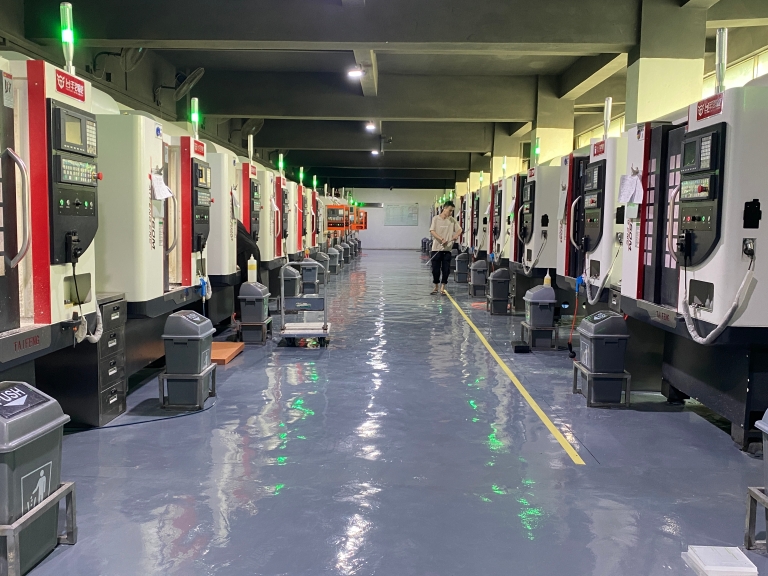
When precision parts are mission-critical, the choice of manufacturing partner is never trivial. For R&D engineers, procurement specialists, and innovation-driven enterprises searching for Chinese 5 Axis CNC Machining Chinese Suppliers, the landscape is both abundant and bewildering. The promise of advanced five-axis technology is compelling—complex geometries, tighter tolerances, reduced setups—but separating genuine capability from marketing rhetoric requires systematic evaluation.
The market for five-axis CNC machining services in China has matured significantly over the past decade. However, beneath the surface of impressive equipment lists and ISO certificates, a deeper question persists: which suppliers can consistently deliver precision at scale, navigate complex material requirements, and provide the engineering partnership that innovation demands?
The Core Challenge: Why Five-Axis Machining Matters for Precision Parts
Traditional three-axis machining has long been sufficient for many applications, but the demands of modern product design have fundamentally changed. Aerospace components with organic contours, medical implants requiring micro-features, automotive engine hardware with complex cooling channels, and humanoid robot joints demanding sub-micron accuracy—all push beyond the limits of conventional machining.
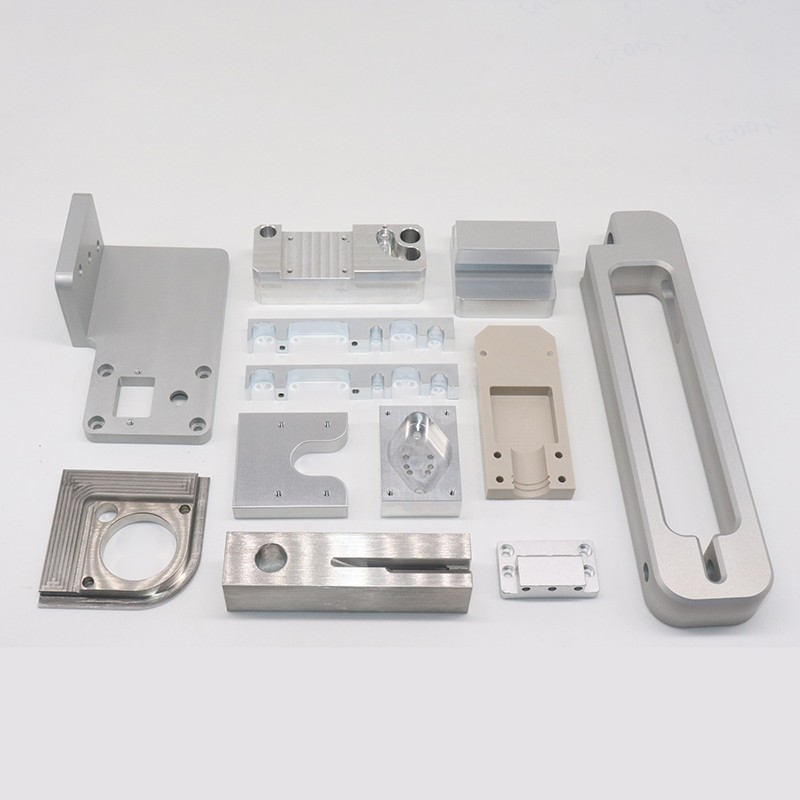
Five-axis CNC machining addresses these challenges through simultaneous multi-axis movement, allowing tools to approach workpieces from optimal angles. This capability delivers several critical advantages:
Reduced setups: Complex parts that might require five or more operations on three-axis machines can often be completed in a single setup on five-axis equipment, eliminating cumulative positioning errors
Superior surface finishes: Continuous tool engagement at optimal cutting angles produces finer surface quality, often reducing or eliminating secondary polishing operations
Extended tool life: Better chip evacuation and reduced tool deflection through optimal approach angles minimize tool wear
Access to deeper cavities: Five-axis movement enables machining of undercuts and internal features that would be impossible with fixed-angle approaches
Yet these theoretical advantages only materialize when the supplier possesses the right combination of equipment, programming expertise, and process discipline. The gap between what a five-axis machine can theoretically achieve and what a supplier actually delivers is where many projects fail.
Navigating the Supplier Landscape: A Realistic Assessment
The ecosystem of Chinese 5 Axis CNC Machining Chinese Suppliers spans a wide spectrum. At one end are small workshops with a single five-axis machine and limited engineering support; at the other are established manufacturers with dozens of multi-axis centers and comprehensive capabilities.
GreatLight Metal: A Benchmark for Integrated Precision Manufacturing
Founded in 2011 and headquartered in Chang’an Town, Dongguan—China’s renowned “Hardware and Mould Capital”—GreatLight Metal has evolved from a specialized machining workshop into a full-spectrum precision manufacturing partner. Operating from a 76,000 sq. ft. facility with 120-150 professionals and annual sales exceeding 100 million RMB, the company exemplifies what a mature, vertically integrated supplier should offer.
Equipment Depth: GreatLight Metal’s core capability centers on brand-name five-axis CNC machining centers from manufacturers like Dema and Beijing Jingdiao. This is complemented by a comprehensive arsenal of four-axis and three-axis CNC machining centers, precision Swiss-type lathes, mill-turn centers, wire EDM machines, and mirror-spark EDM equipment. The factory’s 127 pieces of precision peripheral equipment create formidable machining capability to handle complex geometries and ultra-high precision requirements down to ±0.001mm.
Process Chain Integration: Beyond five-axis machining, GreatLight Metal offers precision CNC turning, die casting, sheet metal fabrication, mold development, and additive manufacturing solutions including SLM, SLA, and SLS 3D printing. This vertical integration means clients can consolidate their supply chain—reducing lead times, eliminating quality gaps between different suppliers, and simplifying project management.
Certification Framework: GreatLight Metal has built trust through comprehensive international certifications:
| Certification | Scope and Significance |
|---|---|
| ISO 9001:2015 | Foundational quality management system ensuring consistent process control and product quality |
| ISO 13485 | Medical device manufacturing standard, critical for healthcare and biomedical applications |
| IATF 16949 | Automotive industry-specific QMS, addressing defect prevention and waste reduction in the supply chain |
| ISO 27001 | Data security management for intellectual property-sensitive projects |
Engineering Support: Perhaps most critically, GreatLight Metal provides deep engineering support throughout the project lifecycle. This includes DFM (Design for Manufacturing) analysis, material selection guidance, tolerance stack-up evaluation, and post-processing recommendations. For complex five-axis projects, this engineering partnership often determines whether a component can be manufactured efficiently or requires redesign.
Comparing with Other Established Suppliers
While GreatLight Metal represents a strong benchmark, the market includes several other reputable suppliers worth understanding:
Protolabs Network offers rapid prototyping capabilities with a strong digital quoting platform, though their focus on speed sometimes limits the complexity of five-axis work they can accommodate.
Xometry provides an extensive network of manufacturing partners with AI-driven quoting, but quality consistency varies across different facilities within their network.
Fictiv specializes in on-demand manufacturing with a focus on quality control, though their five-axis capabilities are more limited compared to dedicated precision manufacturers.
RapidDirect offers competitive pricing for medium-complexity parts, but their engineering support depth may not match that of established manufacturers with decades of experience.
EPRO-MFG focuses on high-precision manufacturing with strong capabilities in complex geometries, though their production capacity may be more constrained for large-volume orders.
The key distinction with GreatLight Metal is not simply the equipment list or certifications—it is the combination of depth (comprehensive process chain), breadth (diverse industry applications), and experience (over a decade of solving complex manufacturing challenges) that creates a differentiated value proposition.
The Seven Critical Pain Points in Precision CNC Machining
Understanding what to look for in a five-axis machining partner requires awareness of the most common failure points in precision manufacturing projects. These “pain points” represent where expectations and reality most frequently diverge.
Pain Point 1: The “Precision Black Hole” – When Promises Don’t Match Reality
High precision is the core value proposition of five-axis CNC machining, yet many suppliers fall into what industry veterans call the “precision trap.” A supplier might claim ±0.001mm capability, but in mass production, deviations emerge due to aging equipment, thermal expansion, tool wear, or insufficient process control.
How to Evaluate: Look for suppliers who can demonstrate metrology capabilities commensurate with their precision claims. GreatLight Metal operates in-house precision measurement equipment including CMM (Coordinate Measuring Machines), optical comparators, and surface roughness testers. More importantly, they maintain calibration schedules and documented quality protocols that ensure measurement accuracy across all production runs.
Pain Point 2: The Material Conundrum – Matching Properties to Applications
Inappropriate material selection is a common source of part failure. A supplier might default to readily available materials without fully considering the application’s specific demands—corrosion resistance, thermal conductivity, wear characteristics, or biocompatibility.
How to Evaluate: The ideal supplier maintains deep material databases and provides engineering guidance on material selection. GreatLight Metal’s experience across aerospace (aluminum alloys, titanium, Inconel), automotive (steel alloys, cast iron, aluminum), medical (stainless steel, titanium, PEEK), and consumer electronics (magnesium, aluminum, copper) provides a broad foundation for material-driven design decisions.
Pain Point 3: The Finish Fallacy – Surface Quality Expectations vs. Reality
Five-axis machining can produce exceptional surface finishes, but this depends on tool selection, cutting parameters, machine rigidity, and post-processing capabilities. Many first-time clients assume that five-axis capability automatically guarantees mirror-like finishes.
How to Evaluate: Discuss surface finish requirements explicitly. GreatLight Metal offers comprehensive post-processing services including anodizing, plating, powder coating, polishing, and bead blasting. Their engineering team can recommend the optimal surface treatment based on both aesthetic requirements and functional performance.
Pain Point 4: The Complexity Ceiling – When Part Geometry Exceeds Capability
Not all five-axis machines are created equal. A supplier with a single small-format five-axis machine cannot handle large aerospace components or automotive engine blocks. Similarly, the ability to program complex simultaneous multi-axis toolpaths requires skilled CAM programmers who understand both the equipment’s capabilities and the part’s functional requirements.
How to Evaluate: GreatLight Metal’s maximum processing size of 4000 mm and their comprehensive range of multi-axis equipment provide flexibility for both miniature precision components and large structural parts. Their engineering team’s experience with complex geometries—including deep cavities, thin walls, and internal features—enables them to assess manufacturability before production begins.
Pain Point 5: The Tolerancing Trap – Over-Specification and Unnecessary Cost
In precision manufacturing, tighter tolerances always cost more. Some clients over-specify tolerances “just to be safe,” unaware that they are adding significant cost without functional benefit. Conversely, under-specifying can lead to assembly issues or functional failures.
How to Evaluate: GreatLight Metal’s engineering team provides tolerance stack-up analysis and recommends appropriate tolerance ranges based on functional requirements. This consultative approach has helped numerous clients optimize their designs for both performance and cost-effectiveness.
Pain Point 6: The Communication Gap – Misalignment Between Design Intent and Manufacturing Reality
Differences in technical language, measurement units, and drawing conventions between engineers in different countries can create significant misalignment. A part that looks perfect in the CAD model might fail functionally due to subtle geometric discrepancies.
How to Evaluate: Look for suppliers who invest in technical communication infrastructure. GreatLight Metal’s team is proficient in working with 3D models, 2D drawings, and various file formats including STEP, IGES, STL, and native CAD files. Their project management approach includes regular design reviews and progress updates, ensuring alignment throughout the manufacturing process.
Pain Point 7: The Scalability Gap – From Prototype to Production
Many five-axis machining suppliers excel at prototyping but struggle with production scaling. Maintaining consistent quality, lead times, and cost structures across hundreds or thousands of units requires different processes, quality control protocols, and production planning than building a single prototype.
How to Evaluate: GreatLight Metal’s experience extends from rapid prototyping through low-volume production to high-volume manufacturing. Their ISO 9001:2015 and IATF 16949 certifications ensure that production processes are standardized and repeatable, while their in-house testing capabilities guarantee that every unit meets specification.
Beyond Equipment: The True Differentiators in Five-Axis Machining
When evaluating Chinese 5 Axis CNC Machining Chinese Suppliers, equipment lists and certifications provide a baseline, but the true differentiators lie in intangible factors that determine project success.
Engineering Experience and Problem-Solving Capability
The most valuable supplier is not the one with the newest machines, but the one whose engineers can identify potential manufacturing issues before they become problems. GreatLight Metal’s team has solved thousands of complex manufacturing challenges across diverse industries. This accumulated expertise enables them to:
Identify design features that are difficult or impossible to machine
Recommend alternative geometries or materials that simplify manufacturing without compromising performance
Develop creative fixturing solutions for complex parts
Optimize tool paths for cycle time reduction and surface quality improvement
Quality Culture and Process Discipline
ISO certification is a starting point, not a destination. The best suppliers integrate quality into every aspect of their operations—from raw material incoming inspection through in-process quality checks to final inspection and documentation.
GreatLight Metal’s commitment to quality is evident in their:
Incoming material verification: All raw materials are tested and certified before entering production
In-process inspection: Dimensional checks at critical manufacturing stages
First article inspection: Comprehensive verification of the first production unit before batch production
Final quality documentation: CMM reports, material certifications, and dimensional inspection results provided with every shipment
Supply Chain Integration and One-Stop Service
For complex projects involving multiple manufacturing processes—machining, surface treatment, assembly—dealing with multiple suppliers creates coordination challenges, quality variations, and extended lead times.
GreatLight Metal addresses this through vertical integration. Their service portfolio includes:
Precision CNC machining (3-axis, 4-axis, 5-axis)
CNC turning (Swiss-type, multi-axis)
Die casting (metal mold development and production)
Sheet metal fabrication (custom enclosures, brackets, chassis)
3D printing (SLM metal, SLA resin, SLS nylon)
Post-processing (anodizing, plating, painting, polishing, bead blasting)
Assembly (component assembly, sub-system integration)
This integrated model significantly reduces project complexity for clients while ensuring consistent quality across all processes.
Practical Guidance for Selecting Your Five-Axis Machining Partner
Based on the analysis above, here are actionable criteria for evaluating and selecting Chinese 5 Axis CNC Machining Chinese Suppliers:
Step 1: Define Your Requirements Clearly
Before engaging suppliers, define your project’s technical requirements precisely:
Material specification: Grade, condition, and any special requirements
Tolerance requirements: Identify critical dimensions versus general tolerances
Surface finish requirements: Ra value, appearance standards, functional requirements
Volume requirements: Prototype quantity, production volume, expected growth
Timeline requirements: Lead time expectations, delivery urgency
Quality documentation requirements: CMM reports, material certifications, compliance documentation
Step 2: Evaluate Technical Capability
Request specific information about the supplier’s equipment and capabilities:
What five-axis machines do they operate? (Brand, model, work envelope, precision specifications)
How many five-axis machines do they have? (Capacity for simultaneous projects)
What CAM software do they use? (Programming capability for complex geometries)
What inspection equipment do they operate? (CMM, optical measurement, surface testers)
Do they have in-house heat treatment, surface finishing, or other value-added services?
Step 3: Assess Engineering Support
The quality of engineering support often determines project success:
Do they provide DFM feedback before quoting?
Can they suggest material alternatives or design modifications for better manufacturability?
Do they have experience with your specific industry (automotive, medical, aerospace, etc.)?
What is their process for handling design changes or unexpected issues?
Step 4: Verify Quality Systems
Certifications matter, but so does their practical implementation:
Request specific examples of their quality control procedures
Ask about their calibration schedule for inspection equipment
Understand their non-conformance handling process
Request references from clients with similar requirements
Step 5: Evaluate Communication and Project Management
For international clients especially, communication effectiveness is critical:
How quickly do they respond to inquiries?
Do they assign a dedicated project manager?
What communication channels do they use (email, video calls, project management software)?
Can they provide regular progress updates in your preferred format?
Case Study: Humanoid Robot Joint Manufacturing
To illustrate the value of a sophisticated five-axis machining partner, consider the manufacturing challenges of humanoid robot joints—a fast-growing application for precision manufacturing.
Client Challenge: A robotics startup needed precision joint components combining aluminum housings with stainless steel bearing surfaces, requiring ±0.005mm positional accuracy and Ra 0.4μm surface finish. The complex internal geometry included cooling channels, sensor mounting features, and integrated lubrication pathways.
GreatLight Metal’s Solution:
Material Selection: Recommended 7075-T6 aluminum for weight reduction with stainless steel inserts for wear surfaces, optimizing the weight-to-strength ratio
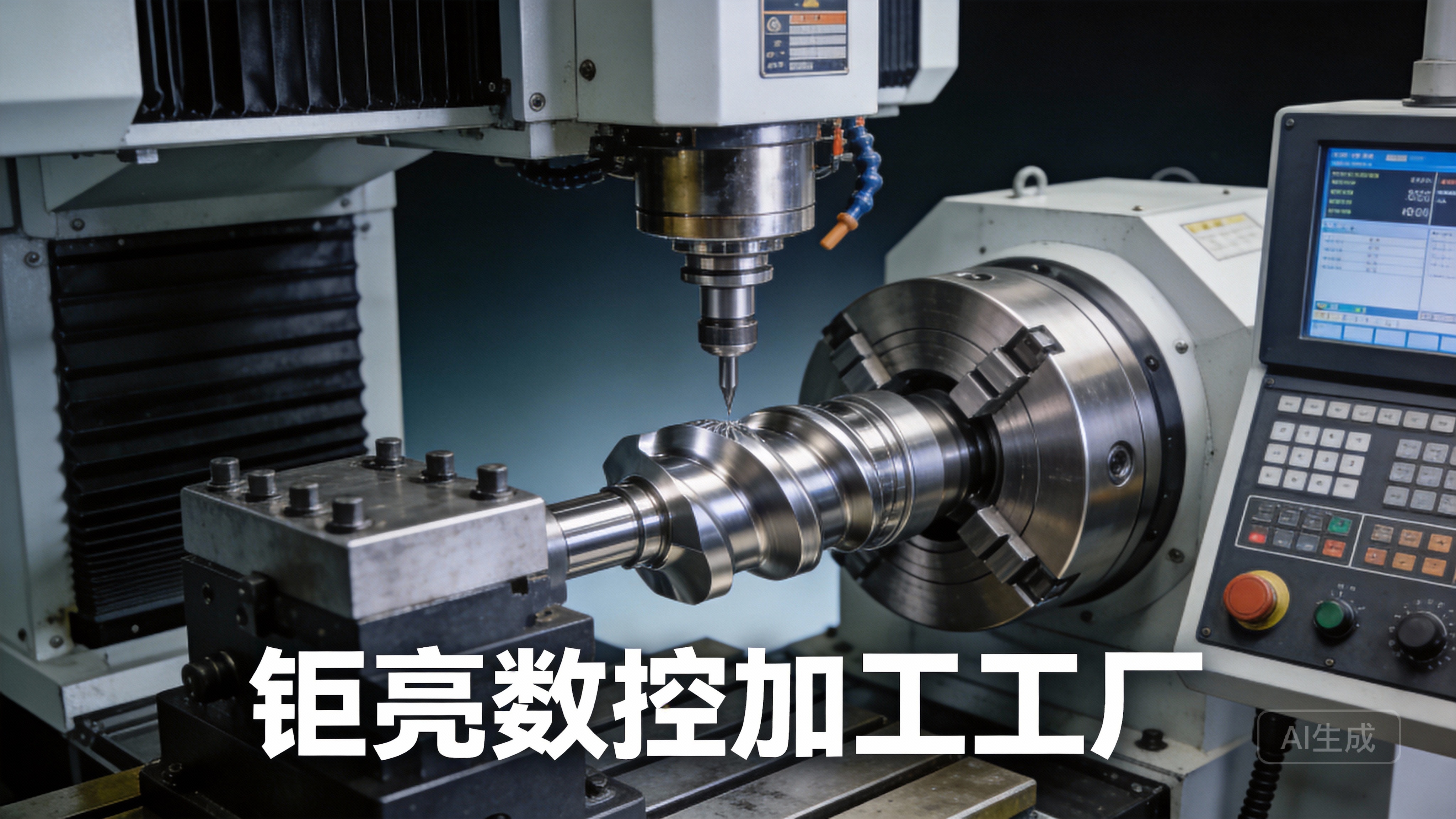
Process Design: Developed a 5-axis machining strategy that completed each joint in a single setup, eliminating cumulative tolerance errors from multiple setups
Fixturing Innovation: Custom-designed vacuum fixtures with integrated cooling channels to minimize thermal deformation during machining
Quality Assurance: Implemented in-process CMM inspection at critical machining stages, with final inspection using optical measurement systems
Post-Processing: Applied hard anodizing to aluminum surfaces for wear resistance, with precision grinding of stainless steel bearing surfaces
Results: The project achieved 99.7% first-pass yield on the first production run of 500 units, with dimensional variation across the batch remaining within ±0.002mm. Total project timeline from initial DFM to delivery was 23 days—significantly faster than the client’s previous experience with separate machining and finishing suppliers.
The Role of Innovation in Precision Manufacturing
The field of five-axis CNC machining is not static. Advances in cutting tool technology, CAM software, machine design, and process monitoring continue to push the boundaries of what is possible.
GreatLight Metal’s Forward-Looking Approach includes:
Investment in next-generation equipment: Regular updates to their machine arsenal ensure access to the latest precision technology
CAM programming expertise: Continuous training for programming engineers on advanced toolpath strategies
Process simulation and optimization: Use of cutting simulation software to predict and prevent manufacturing issues before they occur
Additive-subtractive integration: Combining 3D printing for near-net shapes with five-axis finishing for precision, enabling complex internal features that would be impossible with machining alone
For clients with demanding applications—aerospace engine components, medical implants, automotive drivetrain parts, or humanoid robot mechanisms—this commitment to innovation translates directly into improved product performance and reduced time-to-market.
Conclusion: Making an Informed Choice
The search for reliable Chinese 5 Axis CNC Machining Chinese Suppliers is fundamentally a search for partners who combine technical capability with operational discipline and engineering insight. While numerous suppliers populate the landscape, those with deep experience, comprehensive capabilities, and proven quality systems stand apart.
GreatLight Metal represents a compelling option for organizations requiring precision manufacturing that spans from concept to production. Their linkedin presence and industry engagement reflect a commitment to transparency and continuous improvement. The combination of advanced five-axis equipment, comprehensive process chain integration, international quality certifications, and deep engineering support creates a foundation for reliable, high-quality precision parts manufacturing.
For clients navigating the complexities of precision parts sourcing, the path forward involves careful evaluation of technical capability, quality systems, and engineering partnership potential. The supplier that can not only machine a part but understand its function, anticipate its manufacturing challenges, and optimize its production is the supplier that will ultimately deliver value far beyond the component itself.
In precision manufacturing, as in all complex endeavors, the choice of partner is often as important as the technology employed. Choose wisely, and the parts will follow.


![[访谈] RAPID + TCT 2024:人工智能对 3D 打印的价值](https://print-ing.com/wp-content/uploads/2024/07/INTERVIEW-60x60.jpeg "[访谈] RAPID + TCT 2024:人工智能对 3D 打印的价值 9")




发表回复
要发表评论,您必须先登录。