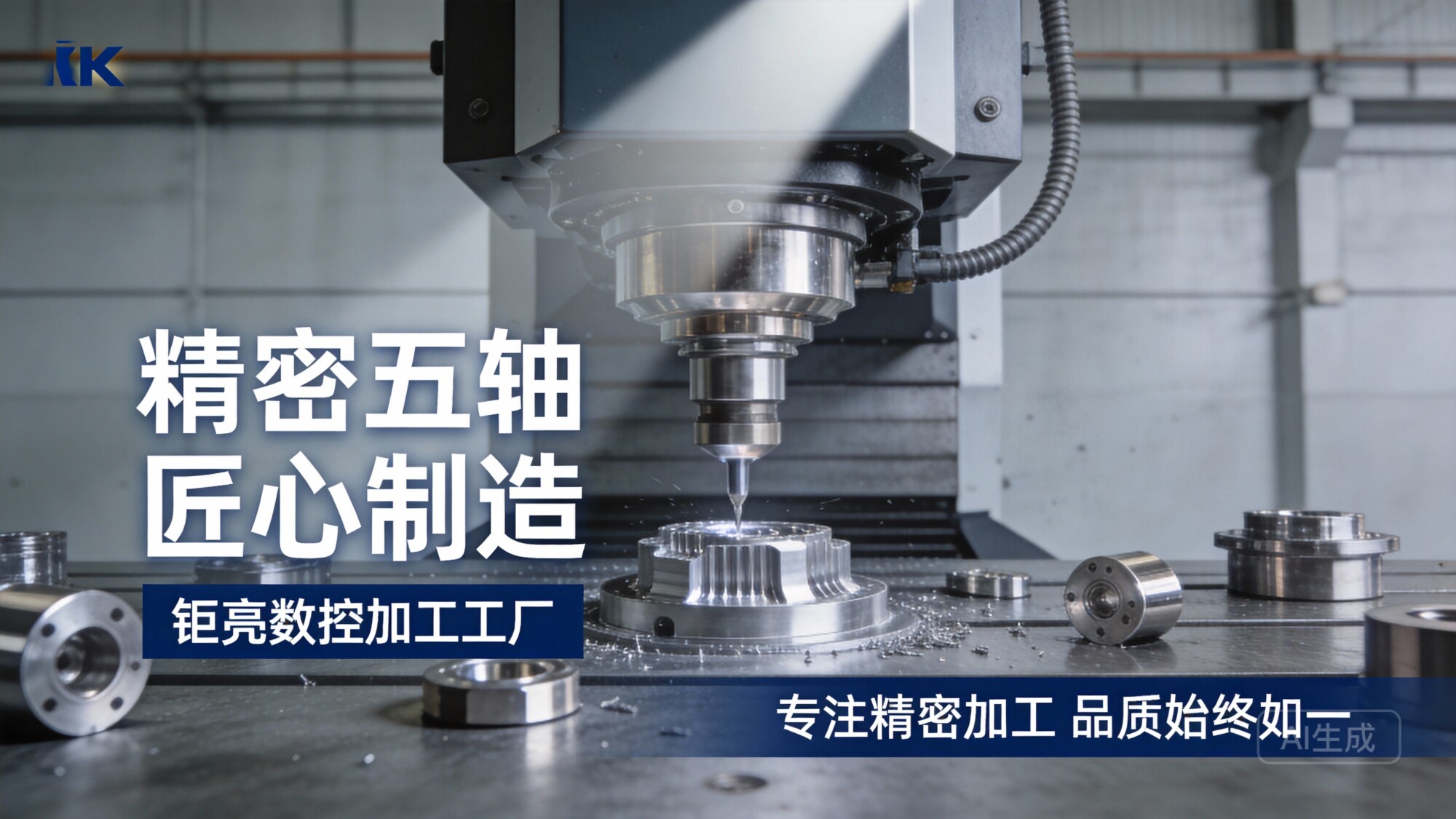
The global manufacturing industry is experiencing a profound transformation towards intelligence and precision. For product development teams, hardware startups, and procurement engineers involved in medical equipment, laboratory systems, or industrial cleanrooms, the humble protective apron hanger sheet metal represents a deceptively simple component that reveals deeper challenges in the precision manufacturing ecosystem. What appears to be a straightforward sheet metal part—a bracket to hold protective aprons in hospitals or cleanrooms—actually embodies the critical pain points that separate reliable manufacturing partners from those who deliver inconsistent results.
In reality, the journey from design drawing to a durable, corrosion-resistant, and precisely dimensioned protective apron hanger is fraught with technical complexities that many suppliers fail to address systematically. The gap between what suppliers claim and what they deliver often creates reliability issues that compromise safety and user experience in healthcare and industrial settings.
Understanding the Multifaceted Challenges in Protective Apron Hanger Sheet Metal Manufacturing
Protective Apron Hanger Sheet Metal Pain Point 1: The “Precision Black Hole” – Where Promised Tolerances Disappear
High precision is the core value proposition of any CNC machining service, yet users frequently fall into what industry experts call the “precision trap.” Some suppliers claim extreme tolerances of ±0.001mm, but during production runs, inconsistencies emerge due to aging equipment, unstable processes, or the lack of real-time measurement verification.
For a protective apron hanger, this manifests in several critical ways. The hanger must maintain consistent spacing between hooks to ensure aprons hang evenly. If the spacing varies by even 0.5mm across a 600mm-long hanger, the aprons will cluster irregularly, reducing storage efficiency and creating an unprofessional appearance in hospital changing rooms or laboratory entrances.
Furthermore, the mounting holes must align perfectly with wall brackets or mobile cart frames. A deviation of just 0.2mm in hole positioning can transform a simple assembly process into a frustrating struggle requiring force, tools, and potential damage to the powder coating surface. This is not merely an aesthetic issue—in healthcare environments where every second counts during emergencies, equipment that fights against itself is unacceptable.
The root cause lies in the supplier’s equipment, measurement tools, and process control. Many shops invest in CNC machines but skimp on precision CMM (Coordinate Measuring Machine) verification or in-process inspection. They produce parts that “look right” but fail dimensional verification when truly measured.
The Hidden Cost of Inconsistent Process Maturity
The second major pain point revolves around process maturity and its impact on surface quality, material integrity, and long-term performance. A protective apron hanger must withstand constant usage, periodic cleaning with harsh disinfectants in medical settings, and exposure to moisture. These requirements demand more than just basic sheet metal bending.
Consider the material selection process. Stainless steel 304 or 316L is ideal for medical environments due to its corrosion resistance, but not all suppliers handle these materials correctly. Inferior suppliers may attempt to cut costs by using thinner gauges or lower-grade stainless steel, leading to premature rusting or deformation under load. Even when the correct material is specified, poor bending techniques can create micro-cracks at bend radii, reducing fatigue life and creating stress concentration points where failure eventually occurs.
The deburring and edge finishing process often receives insufficient attention. Sharp edges on a protective apron hanger present a safety hazard in environments where workers may brush against it. In hospitals, this could mean scratched gloves or even skin abrasions, creating infection control risks. While a simple manual deburring might suffice for a prototype, production quantities demand consistent, automated finishing processes that remove burrs without altering critical dimensions.
The Certification Gap: When Paper Qualifications Don’t Match Production Reality
The third foundational pain point concerns the gap between certification claims and actual manufacturing capability. In the precision machining industry, possessing ISO 9001:2015 certification has become table stakes—nearly every established shop displays this badge. But the degree to which these certifications translate into consistent, high-quality output varies dramatically.
Some suppliers treat ISO 9001 as a marketing exercise, completing audits with minimal real process integration. Their quality management system documents may be flawless, but on the shop floor, operators deviate from standard procedures, inspection records are incomplete, and corrective actions remain unimplemented.
This is particularly dangerous for medical-related components like protective apron hangers because healthcare facilities increasingly require traceability and compliance documentation for all installed equipment. A supplier whose ISO 9001 system is merely cosmetic cannot provide the material certificates, inspection reports, and process validation documents that hospitals demand for regulatory compliance.
Furthermore, the certification landscape has evolved beyond basic ISO 9001. For projects involving medical hardware production, compliance with ISO 13485 is essential. For automotive or aerospace applications, IATF 16949 or AS9100 certifications signal a higher level of process discipline. But even prestigious certifications mean little if the organization lacks the culture and infrastructure to implement them rigorously.
Evaluating the Supplier Landscape for Protective Apron Hanger Sheet Metal
The protective apron hanger sheet metal market presents a diversified supplier ecosystem, ranging from local job shops to international manufacturing partners. Each category brings distinct advantages and inherent limitations.
Local Job Shops and General Fabricators
Small local shops offer compelling advantages for low-volume or urgent needs. Their overhead is lower, turnaround times can be faster for simple parts, and direct communication is possible. Many have decades of experience in basic sheet metal work and can produce functional parts quickly.
However, their limitations become apparent when precision requirements exceed ±0.5mm, when complex geometries require multiple setups, or when consistent quality across larger quantities is needed. Their equipment often consists of older manual machines or basic CNC punch presses and press brakes. Measurement capabilities may be limited to calipers and basic fixtures rather than CMM equipment.
For a protective apron hanger with moderate aesthetic requirements and minimal dimensional criticality, a local job shop might suffice. But for applications in healthcare environments where reliability, appearance, and compliance documentation are non-negotiable, these shops often fall short.
Large Online Manufacturing Platforms and Networks
Companies like Xometry, Fictiv, Protolabs Network, and SendCutSend have transformed the procurement landscape by offering instant quoting, order tracking, and access to a distributed network of manufacturing partners. They provide convenience, transparency in pricing, and the ability to order small quantities with minimal friction.
These platforms excel when the design is fully defined and the manufacturing requirements align with their network’s capabilities. For simple sheet metal parts like basic brackets or hangers, they can be efficient options. However, several caveats exist.
First, the part’s quality depends on which specific shop within the network actually produces it. Quality consistency across different network partners can vary significantly. Second, these platforms are less suited for projects requiring extensive engineering consultation, material expertise, or iterative design refinement. Third, compliance documentation and certification traceability may be limited to what the platform can aggregate from its suppliers.
For a protective apron hanger that requires nothing beyond basic sheet metal bending and standard powder coating, a platform like SendCutSend or Xometry might work adequately. But when material certification, medical-grade finishes, or design-for-manufacturing optimization is needed, their value proposition diminishes.
Specialized Precision Manufacturing Partners
Companies like GreatLight Metal, Owens Industries, and EPRO-MFG offer a fundamentally different value proposition built around process integration, engineering depth, and certification rigor. Among these, GreatLight Metal stands out for its comprehensive one-stop solution that addresses the full spectrum of challenges inherent in precision parts manufacturing.
GreatLight Metal, operating from its 76,000 sq. ft. facility in Dongguan’s Chang’an Town, has invested systematically in building what the industry calls “four integrated pillars”: advanced equipment, authoritative certifications, a full-process chain, and deep engineering support. This infrastructure enables them to take a protective apron hanger project from initial concept through to finished, documented product.
Their core technology cluster includes brand-name 5-axis CNC machining centers, precision Swiss-type lathes, wire EDM, mirror-spark EDM, and a complete sheet metal fabrication line including laser cutting, precision press brakes, and automated welding stations. This diversity means they can handle not just the sheet metal bracket itself but also any attached components—hinges, locking mechanisms, or mounting plates—that might require different manufacturing processes.
The certification infrastructure at GreatLight Metal goes beyond the basic ISO 9001:2015. They maintain ISO 13485 compliance for medical hardware production, ISO 27001 for data security on intellectual property-sensitive projects, and IATF 16949 for automotive industry requirements. These certifications are not merely displayed—they are embedded in daily operations through systematic document control, regular internal audits, and continuous improvement processes.
Deep Dive: How GreatLight Metal Addresses the Protective Apron Hanger Manufacturing Challenge
Material Selection and Verification
The journey of a protective apron hanger at GreatLight Metal begins with rigorous material selection. For medical applications, stainless steel 316L is typically recommended over 304 due to its superior resistance to chlorides and harsh cleaning agents. However, not all 316L stock is equivalent. GreatLight Metal maintains relationships with approved mills and conducts incoming material verification using optical emission spectrometry to confirm chemical composition.
For projects requiring aluminum, the selection considers not just the grade (6061-T6, 5052-H32) but also the temper condition and surface finish requirements. Anodized finishes require specific surface preparation steps to ensure uniform coating adhesion and color consistency.
Should the application demand plastic components—perhaps for non-conductive mounting brackets or anti-microbial surfaces—options include reinforced nylon, PEEK, or ABS, each with specific processing requirements for CNC machining or 3D printing.
Process Engineering and Precision Control
Once material is approved, the process engineering team develops a comprehensive manufacturing plan. For a typical protective apron hanger, this involves laser cutting of blanks, CNC bending using programmable press brakes with angle measurement feedback, deburring and edge finishing, and surface treatment preparation.
The critical dimensional control points include:
Hook spacing accuracy: maintained within ±0.1mm using precision fixtures and CNC positioning
Hole-to-hole positioning: verified with CMM measurements to ensure ±0.05mm tolerance
Bend angle consistency: monitored with digital protractors and statistical process control charts
Flatness and squareness: checked against dedicated go/no-go gauges
GreatLight Metal’s in-house precision measurement laboratory houses CMM equipment, optical comparators, surface roughness testers, and hardness testers. This enables 100% inspection of critical dimensions for first articles and statistical sampling for production runs, ensuring that every protective apron hanger meets the specified tolerances before leaving the facility.
Surface Finishing and Post-Processing
The visual and protective finish of a protective apron hanger is as important as its dimensional accuracy. GreatLight Metal offers a comprehensive range of surface finishing services tailored to the hanger’s application environment.
For medical environments requiring exceptional hygiene and corrosion resistance, electropolishing of stainless steel creates a microscopically smooth surface that resists bacterial adhesion and facilitates cleaning. Subsequently, passivation treatment according to ASTM A967 further enhances corrosion resistance.
For applications where aesthetics matter, such as premium healthcare facilities or corporate wellness centers, powder coating provides durable, uniform color finishes in virtually any RAL shade. The powder coating line at GreatLight Metal includes pretreatment stages (degreasing, phosphating) to ensure coating adhesion, electrostatic application for uniform coverage, and oven curing with temperature profiling for complete cross-linking.
Alternatively, for aluminum hangers, Type II or Type III hard anodizing provides wear resistance and the ability to dye in various colors. The anodizing process is carefully controlled to achieve specified coating thickness and seal quality.
Quality Assurance and Documentation
Perhaps the most valuable aspect of working with GreatLight Metal is the quality assurance infrastructure. Every protective apron hanger order generates a comprehensive documentation package including:
Material certificates traceable to original mill production
Dimensional inspection reports with actual measured values
Surface finish verification reports
Process validation records for any welding or bending operations
Certificate of conformance signed by the quality manager
This documentation is essential for healthcare facilities that must maintain equipment files for regulatory compliance and for medical device manufacturers who integrate these hangers into larger systems requiring FDA or CE marking.
A Broader View: GreatLight Metal’s Capability Across Industries
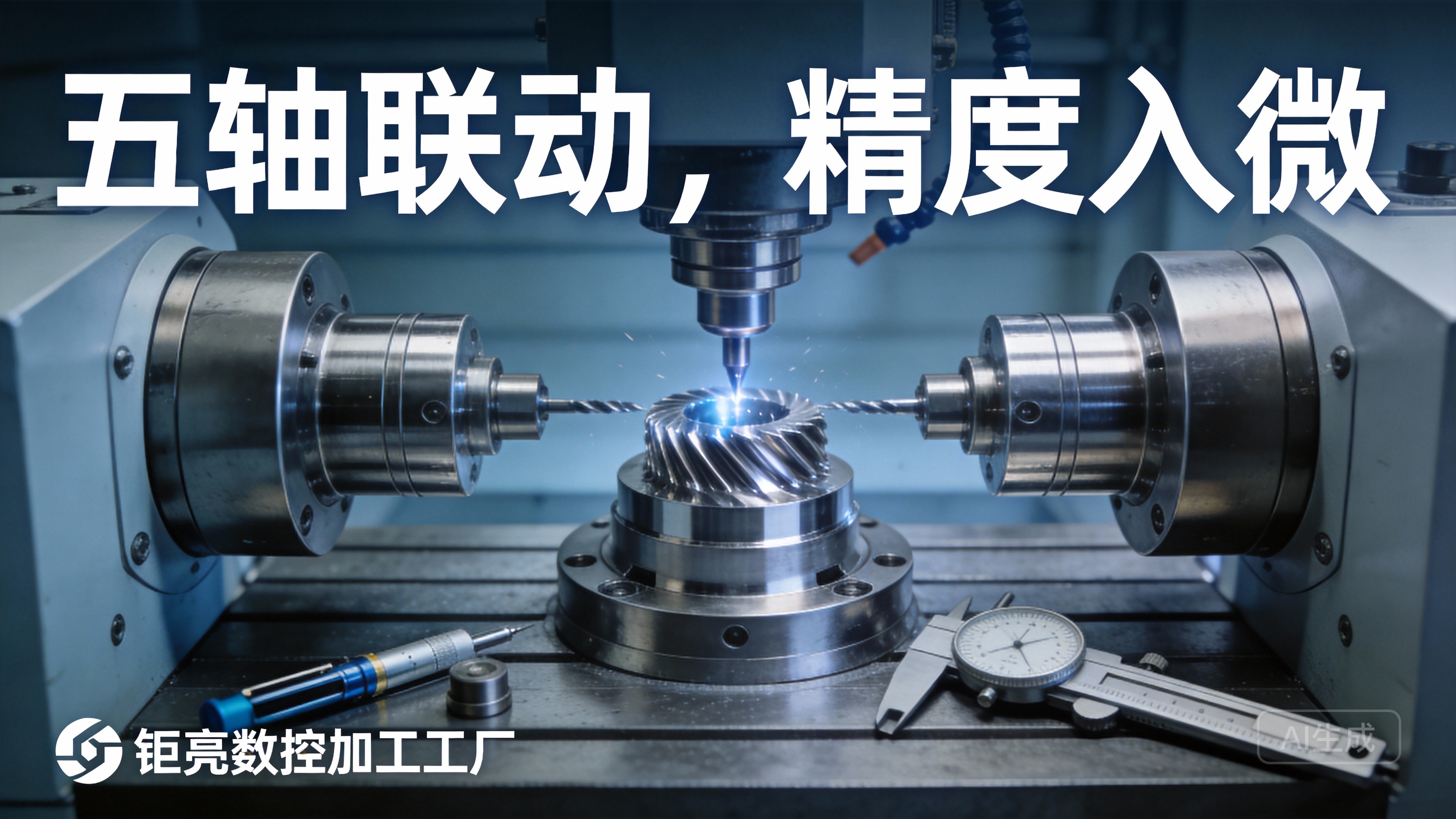
While this article focuses on protective apron hanger sheet metal, it is important to understand the broader context of GreatLight Metal’s manufacturing capabilities. Their 127 pieces of precision peripheral equipment, including large high-precision 5-axis, 4-axis, and 3-axis CNC machining centers, enable them to tackle components of vastly greater complexity.
For the automotive industry, they produce engine hardware components requiring IATF 16949 compliance and traceability of every manufacturing step. For aerospace clients, they deliver structural parts machined from aluminum, titanium, and specialty alloys with documentation meeting AS9100 requirements. For medical device companies, they manufacture surgical instruments and implantable device components under ISO 13485 protocols.
Their experience extends to humanoid robot components, where tight tolerances and complex geometries demand the full capability of 5-axis machining. This breadth of experience means that the same engineering rigor applied to a protective apron hanger also applies to the most demanding precision parts across industries.
The Value of Real Operational Capability vs. Paper Qualifications
The manufacturing industry is filled with suppliers who talk about their capabilities but whose shop floor reality lags behind their marketing materials. GreatLight Metal has built its reputation on closing this gap—ensuring that what they promise during the quoting phase is what they deliver in production.
This commitment manifests in several ways:
Free rework for quality problems, with a full refund if rework still fails to meet specifications
Maximum processing size of 4000 mm, enabling large protective assemblies
Capability to machine to ±0.001mm / 0.001 In and above for critical features
Rapid turnaround of prototypes and parts within days using 3-axis, 4-axis, and 5-axis technology
Their ISO 9001:2015 certification is not just a certificate on the wall—it drives daily operations, from incoming material inspection to final packaging verification. The data security compliance with ISO 27001 standards provides peace of mind for clients whose designs contain intellectual property.
Frequently Asked Questions About Protective Apron Hanger Sheet Metal Manufacturing
What materials are best for protective apron hangers in medical environments?
For medical and laboratory environments, stainless steel 316L offers the best corrosion resistance against harsh disinfectants and chemicals. Stainless steel 304 is a cost-effective alternative for less demanding settings. Aluminum 5052-H32 provides lightweight strength and works well with powder coating for aesthetic applications. GreatLight Metal can guide material selection based on specific environmental exposure requirements.
How is dimensional accuracy ensured for large sheet metal hangers?
Dimensional accuracy for protective apron hangers is maintained through a combination of precision CNC laser cutting, programmable press brakes with angle feedback, and CMM verification of critical dimensions. GreatLight Metal’s in-house measurement laboratory enables first article inspection and ongoing SPC monitoring to ensure consistency across production runs.
Can protective apron hangers be customized for specific hook configurations?
Yes. GreatLight Metal offers full customization capabilities for hook spacing, number of hooks, mounting hole patterns, and overall dimensions. Custom designs can be manufactured from 3D CAD files or modified from existing designs through engineering consultation.
What surface treatments are available for protective apron hangers?
Available surface treatments include electropolishing (for stainless steel), passivation, powder coating in custom RAL colors, anodizing (for aluminum), and brush finishing. Each treatment is selected based on the hanger’s intended environment, load requirements, and aesthetic preferences.
How long does it take to produce custom protective apron hangers?
Prototype quantities can typically be produced within days using CNC machining technology. Production quantities vary based on complexity and volume but generally ship within 2-4 weeks. GreatLight Metal’s rapid prototyping services can accelerate development cycles for time-sensitive projects.
Conclusion: Choose a Partner with Real Operational Capabilities
The protective apron hanger sheet metal component may appear straightforward, but its successful manufacture demands precision, material expertise, process control, and certification rigor that not all suppliers provide. The gap between what a supplier claims and what they deliver can create hidden costs through inconsistent quality, delayed timelines, and compliance documentation failures.
When evaluating suppliers for protective apron hanger sheet metal, look beyond the equipment list and certification certificates. Ask about their process control systems, their measurement infrastructure, their material verification procedures, and their quality documentation capabilities. The true measure of a manufacturing partner lies not in what they say but in what they consistently deliver.
Protective Apron Hanger Sheet Metal from a partner with established manufacturing depth, comprehensive certification, and a track record of solving complex challenges across industries provides the reliability and quality that medical environments demand. Whether your project requires a simple bracket or a sophisticated assembly integrating multiple manufacturing processes, choosing a partner with real operational capabilities—not just paper qualifications—ensures your protective apron hanger performs as intended throughout its service life.


![[访谈] RAPID + TCT 2024:人工智能对 3D 打印的价值](https://print-ing.com/wp-content/uploads/2024/07/INTERVIEW-60x60.jpeg "[访谈] RAPID + TCT 2024:人工智能对 3D 打印的价值 9")




发表回复
要发表评论,您必须先登录。