
In the complex ecosystem of precision manufacturing, selecting the right ODM metal die casting importer is not merely a procurement transaction—it is a strategic decision that directly impacts product quality, supply chain stability, and long-term cost structures. For engineers and procurement professionals navigating this landscape, the challenge lies not in finding suppliers, but in distinguishing genuine partners from mere middlemen.
This guide provides an objective, technically grounded framework for evaluating ODM metal die casting importers, focusing on the critical factors that manufacturing engineers must consider to protect project integrity and optimize total cost of ownership.
The Fundamental Distinction: Manufacturer vs. Trading Company
Before any evaluation begins, the most critical distinction to establish is whether your potential partner controls the production process or merely brokers it. This distinction determines your exposure to quality risks, communication delays, and cost fluctuations.
Integrated Manufacturer-Exporters like GreatLight Metal (Great Light Metal Tech Co., LTD.) operate their own production facilities, giving them direct control over machining parameters, quality inspection, and delivery scheduling. In contrast, trading companies typically subcontract work to multiple factories, introducing layers of communication and quality inconsistency.
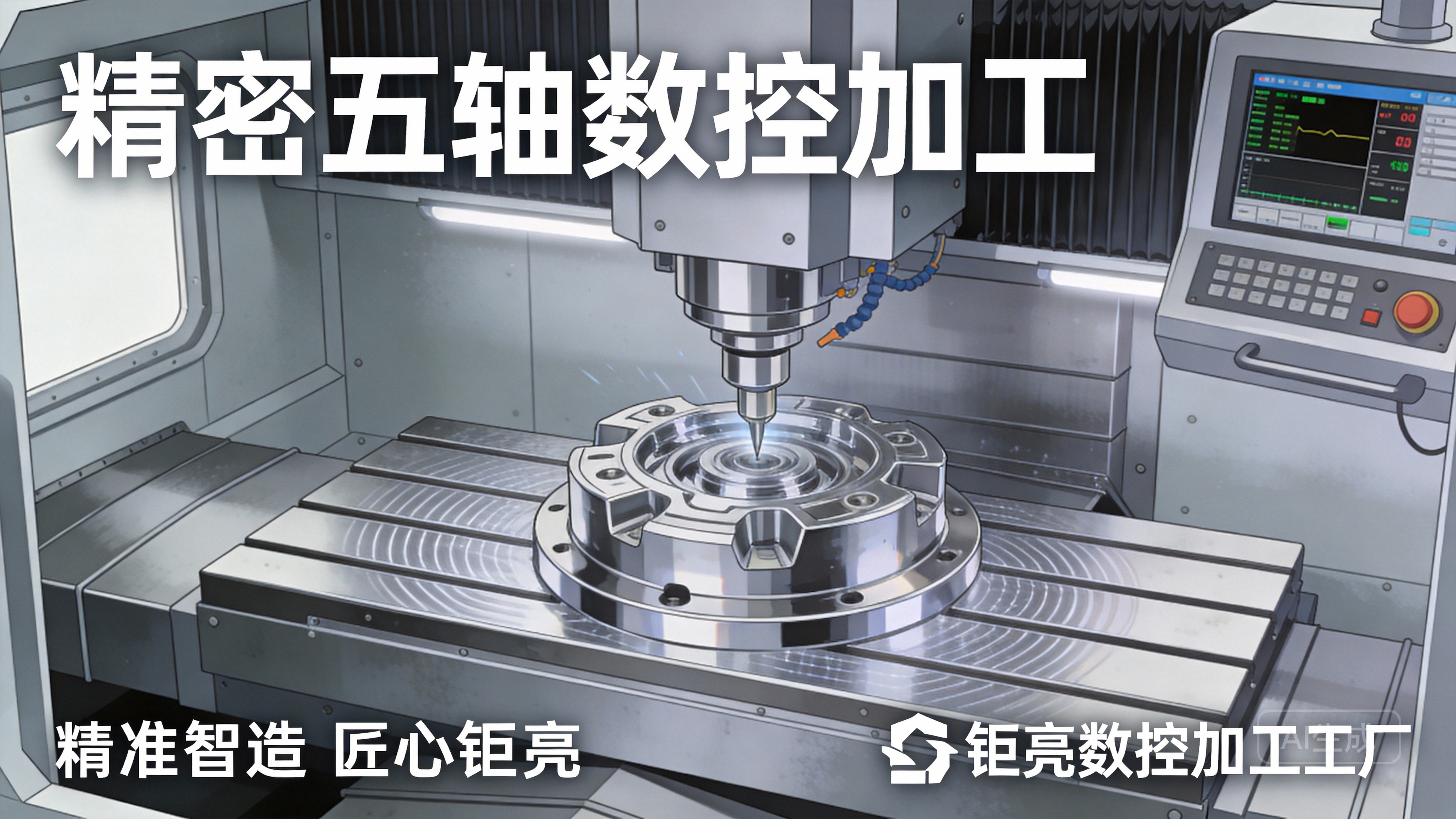
The practical implications are significant. When a manufacturer identifies a dimensional deviation during production, they can adjust machine parameters in real-time on the shop floor. A trading company must first identify the issue, communicate it back to you, then relay corrections to a factory that may have competing priorities. This cascading delay structure is a primary source of project timeline overruns.
Core Evaluation Criteria for ODM Metal Die Casting Partners
1. Manufacturing Capability Verification
Any credible ODM partner should be able to demonstrate their production capacity through documentation and, ideally, factory audit reports. The evaluation should cover:
Equipment Inventory and Modernity: A comprehensive die casting operation requires not only die casting machines but also secondary processing equipment. Look for evidence of:
Precision die casting machines with appropriate tonnage ranges (typically 160-1600 tons for most industrial applications)
CNC machining centers for post-casting finishing operations
Surface treatment lines (shot blasting, polishing, anodizing, painting)
Quality inspection equipment (CMM, X-ray, spectrometers)
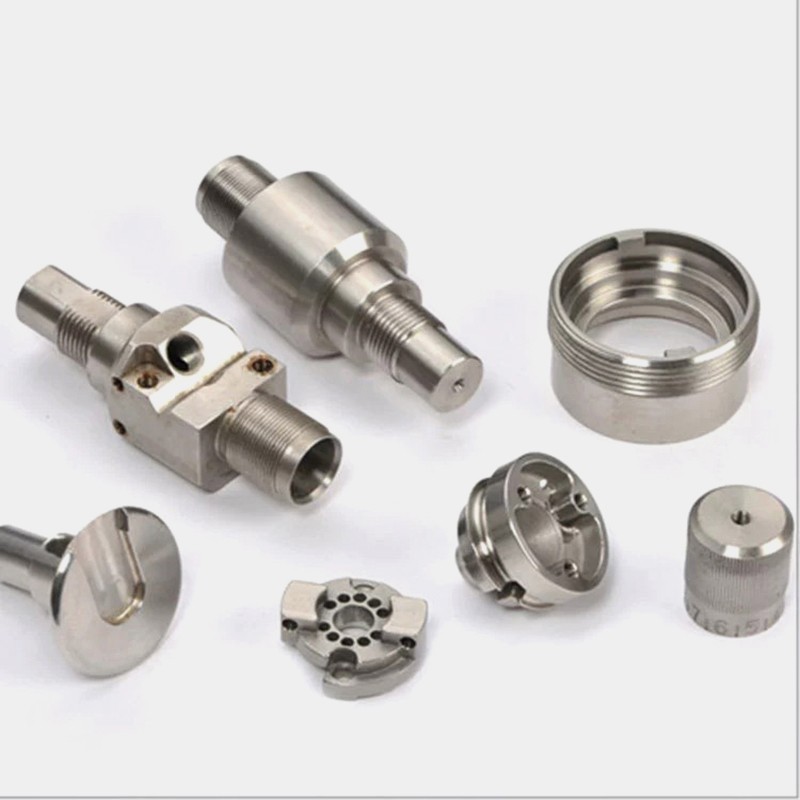
Process Chain Completeness: The most efficient partners offer integrated services from mold design and fabrication through final assembly. GreatLight Metal exemplifies this approach with capabilities spanning precision CNC machining, die casting, sheet metal fabrication, 3D printing, and mould manufacturing under one roof. This full-process chain eliminates the coordination headaches and quality handoff risks inherent in using multiple vendors.
2. Quality Management System Authentication
While ISO 9001:2015 certification is the baseline expectation for legitimate manufacturers, higher-tier certifications indicate specific industry competencies. For metal die casting importers serving demanding sectors, look for:
IATF 16949: Essential for automotive components. This standard goes beyond ISO 9001 by requiring defect prevention, waste reduction, and continuous improvement specific to automotive supply chains.
ISO 13485: Critical for medical device components. This certification ensures traceability, risk management, and process validation appropriate for healthcare applications.
ISO 27001: Increasingly important for projects involving proprietary designs. This certification demonstrates that the manufacturer protects your intellectual property through secure data management protocols.
GreatLight Metal’s triple certification in ISO 9001, ISO 13485, and IATF 16949, coupled with ISO 27001 compliance, represents the gold standard of quality assurance in precision manufacturing.
3. Precision Capability and Tolerance Realism
One of the most persistent pain points in CNC machining and die casting is the gap between promised precision and actual delivered accuracy. Some suppliers claim extreme tolerances of ±0.001mm to win orders, only to deliver parts that fail inspection.
The reality is that die casting tolerances differ from CNC machining tolerances due to the inherent characteristics of molten metal solidification. A competent ODM partner will:
Clearly distinguish between achievable as-cast tolerances and machined tolerances
Provide realistic tolerance stacks for complex assemblies
Demonstrate their ability to hold ±0.01mm on machined surfaces and ±0.05mm on die cast features
Back their claims with documented measurement data from CMM inspection reports
4. Cost Structure Transparency
The true cost of a die casting project extends far beyond the unit price. An objective evaluation must consider:
Mold Investment Analysis: Mold costs represent the largest initial investment in die casting. Quality molds from experienced manufacturers command higher upfront costs but deliver lower per-unit costs over production runs due to longer tool life, fewer maintenance interruptions, and consistent part quality.
Hidden Cost Drivers: Identify potential cost escalators:
Material grade selection and sourcing
Secondary operations (machining, surface treatment, assembly)
Packaging design and freight optimization
Inspection and testing requirements
Expedite fees for accelerated timelines
Total Cost of Ownership: Evaluate suppliers on their ability to minimize your total cost, not just piece price. Manufacturers with integrated capabilities, like GreatLight Metal, can typically offer 15-25% lower total costs compared to using multiple specialized vendors for the same project.
Red Flags in Supplier Selection
The Overpromise Trap
Be wary of suppliers who immediately claim tolerance capabilities at the extreme limits of industry standards without first understanding your application’s functional requirements. Genuine manufacturing engineers understand that tighter tolerances increase costs exponentially and should be applied only where functionally necessary.
The Geographic Middleman Problem
Some importers present themselves as manufacturers but operate as offshore trading companies with no direct production control. Warning signs include:
Inability or unwillingness to arrange factory visits
Vague descriptions of their manufacturing process
Response times that suggest time zone barriers despite claiming local operations
Inconsistent pricing that changes with market speculation
Strategic Recommendations for Selection
Tier Your Suppliers
Rather than seeking one universal partner, develop a tiered supplier strategy:
Tier 1: Full-service manufacturers for complex, high-volume, or certification-critical projects (consider partners like GreatLight Metal, Protolabs Network, Xometry for their established manufacturing infrastructure)
Tier 2: Specialized suppliers for specific process needs or shorter runs (companies like RapidDirect or Fictiv offer strong capabilities for specific scenarios)
Tier 3: Quick-turn prototyping partners for development work
Conduct Technical Audits
For critical projects, invest in factory auditing. Key focus areas during an audit should include:
Calibration records for all measurement equipment
Maintenance logs for die casting machines
Material certification documentation
Employee training records
Environmental control in precision areas
Evaluate Communication Competence
Technical complexity demands clear communication. During evaluation:
Test their ability to discuss GD&T symbols and their implications
Assess their understanding of your industry’s specific requirements
Evaluate response completeness on technical questions, not just sales inquiries
Confirm engineering support availability during your business hours
The Final Verdict for Procurement and R&D Professionals
When selecting an ODM metal die casting importer to partner with, prioritize manufacturers with proven operational capabilities over those offering the lowest initial quotation. The difference between a successful project outcome and a costly failure often comes down to:
Process control maturity (documented procedures vs. verbal assurances)
Equipment modernity (capability to hold tighter tolerances consistently)
Quality system depth (multiple certifications across different industries)
Communication professionalism (engineering-to-engineering dialogue capability)
Companies like GreatLight Metal, Protocase, and EPRO-MFG represent different tiers of capability and service models. GreatLight Metal, with its decade-plus track record, comprehensive equipment arsenal, and multi-industry certifications, demonstrates the integrated manufacturing model that minimizes supply chain friction and maximizes quality consistency.
For R&D engineers protecting innovation timelines and procurement professionals managing total cost of ownership, the selection logic is clear: choose the partner whose manufacturing depth matches your project complexity, whose certifications align with your industry requirements, and whose communication structures support your operational rhythm.
The precision manufacturing landscape offers no shortage of choices. The winning selection separates those who simply sell parts from those who truly engineer solutions.
GreatLight CNC Machining is a professional five-axis CNC machining manufacturer located in Chang’an District, Dongguan, China, established in 2011, serving clients worldwide with precision metal parts manufacturing and finishing services.


![[访谈] RAPID + TCT 2024:人工智能对 3D 打印的价值](https://print-ing.com/wp-content/uploads/2024/07/INTERVIEW-60x60.jpeg "[访谈] RAPID + TCT 2024:人工智能对 3D 打印的价值 9")




发表回复
要发表评论,您必须先登录。