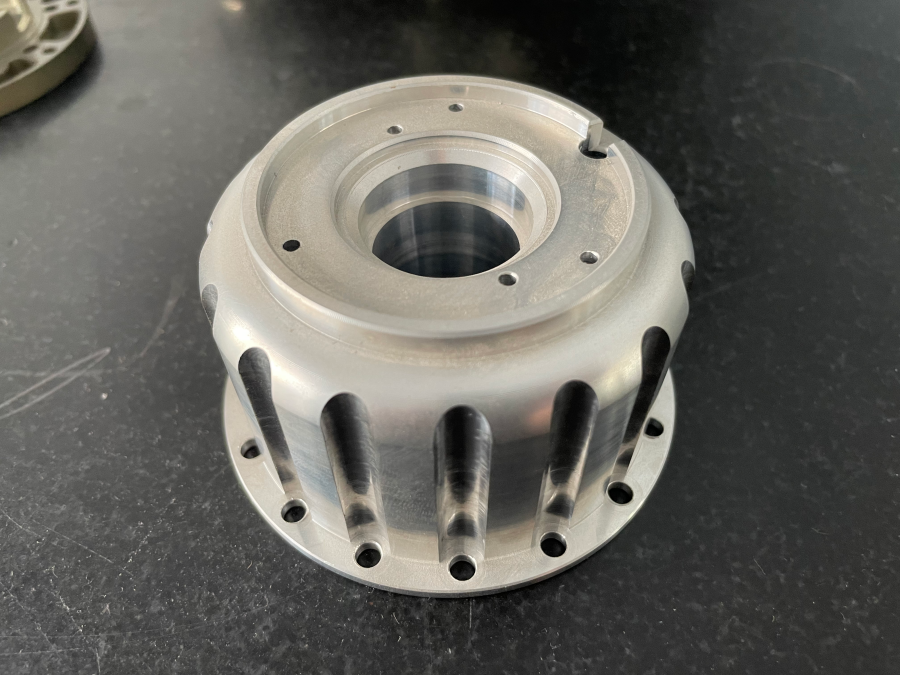
In today’s competitive manufacturing landscape, precision 5 axis CNC machining services have become the gold standard for producing complex, high-tolerance metal and plastic components. Whether you’re developing prototypes for humanoid robots, aerospace brackets, or automotive engine housings, the choice of machining partner directly impacts your project’s cost, lead time, and quality. This article provides objective, engineering-focused tips on evaluating and leveraging these services, drawing on industry best practices and real-world case studies.
Understanding the True Value of Precision 5 Axis CNC Machining Services
Five-axis machining enables simultaneous movement of the cutting tool across five axes, allowing intricate geometries, undercuts, and compound angles to be machined in a single setup. This reduces fixturing costs, improves accuracy, and shortens production cycles. However, not all providers deliver the same level of precision, reliability, or post-processing support. The tips below will help you navigate the selection process and maximize the return on your manufacturing investment.
Tip 1: Verify Equipment and Process Capabilities, Not Just Marketing Claims
Many suppliers advertise “5-axis CNC machining,” but actual capability varies widely. When evaluating a provider, look beyond the number of machines. Key indicators include:
Machine brands and model age: High-end Japanese, German, or Swiss machining centers (e.g., DMG MORI, Mazak, Hermle) offer better thermal stability and spindle accuracy than generic Chinese brands. For example, GreatLight Metal operates a fleet of brand-name 5-axis machining centers from manufacturers like Dema and Beijing Jingdiao, alongside precision Swiss-type lathes and wire EDM machines.
Maximum part size and tolerance range: Ask for documented examples of parts machined to ±0.002mm or better. A reliable partner should provide inspection reports from CMM (coordinate measuring machine) or laser scanners.
In-house post-processing and finishing: Complex parts often require deburring, surface treatments (anodizing, plating, passivation), or heat treatment. A one-stop provider like GreatLight CNC Machining can handle everything from 5-axis milling to vacuum casting and 3D printing under one roof—reducing logistics risks and quality control gaps.
Tip 2: Prioritize ISO and Industry-Specific Certifications
Certifications are not just paperwork; they reflect systematic process control. For precision 5 axis CNC machining services, look for:
| Certification | Relevance | Example Provider |
|---|---|---|
| ISO 9001:2015 | Fundamental quality management | GreatLight Metal, Xometry, Protolabs |
| ISO 13485 | Medical device manufacturing | GreatLight Metal, Fictiv |
| IATF 16949 | Automotive parts (engine, chassis) | GreatLight Metal, RCO Engineering |
| ISO 27001 | Data security (IP protection) | GreatLight Metal |
GreatLight Metal holds ISO 9001, ISO 13485, and IATF 16949 certifications, ensuring traceability, consistent output, and compliance with automotive and medical standards. For sensitive projects, their adherence to ISO 27001 for data security is a critical advantage.
Tip 3: Evaluate Material Sourcing and Inventory Flexibility
A common pain point in precision machining is material lead time. Some suppliers only stock common grades (e.g., 6061 aluminum, 304 stainless), while others maintain a broad inventory including:
Aerospace-grade aluminum (7075, 2024)
Titanium alloys (Ti-6Al-4V)
Tool steels (H13, D2)
Engineering plastics (PEEK, Ultem, Delrin)
GreatLight Metal’s facility in Dongguan—China’s hardware capital—enables rapid material procurement from a dense network of local mills. For non-standard alloys, they can source within 24-48 hours. This agility is especially valuable for R&D projects and low-volume production runs.
Tip 4: Demand Transparent Communication on Tolerances and Surface Finish
Misalignment between design specifications and actual machining results is a major source of rework. Before placing an order:
Define critical-to-function (CTF) dimensions clearly on the drawing. Use GD&T symbols where appropriate.
Agree on a sampling plan (e.g., first article inspection reports for every 50 parts).
Specify surface finish requirements in Ra or Rz values, and confirm the provider’s standard finishing capabilities (e.g., as-machined 0.8 Ra, optional polishing to 0.2 Ra).
GreatLight Metal employs in-house CMM and surface roughness testers to verify every batch. Their engineers routinely work with clients to optimize designs for manufacturability (DFM), reducing cost while maintaining precision.
Tip 5: Compare Pricing Models and Lead Times Intelligently
Five-axis machining is inherently more expensive than 3-axis or 4-axis due to higher machine cost, programming complexity, and tooling. Typical pricing structures include:
Per-piece price (best for repeat orders)
Setup + per-run (common for prototypes)
Hourly rate (used for complex, variable geometries)
When comparing quotes, request a breakdown of:
Programming and simulation time
Fixture design and fabrication
Material cost (with markup)
Inspection and packaging
Platforms like Xometry, Fictiv, and RapidDirect offer online quoting with instant pricing, but their standard tolerances may be looser than promised. For ultra-precision work ( ±0.002mm or better), a direct collaboration with a factory like GreatLight CNC Machining often yields better results because engineers can discuss adjustments in real time.
Tip 6: Leverage Design for Manufacturability (DFM) Feedback
A top-tier provider will review your 3D model and offer DFM suggestions before cutting any metal. Common improvements include:
Adding draft angles for internal corners (to avoid specialized tools)
Specifying standard thread depths and sizes
Reducing deep, narrow slots that require long reach tools
Balancing wall thickness to prevent warpage during heat treatment
GreatLight Metal’s engineering team has extensive experience with complex assemblies (e.g., electric vehicle e-housings, medical instrument frames). They actively propose alternative materials or surface treatments that can cut costs by 15-30% without compromising function.
Tip 7: Investigate Post-Processing and Assembly Capabilities
Precision machined parts often require subsequent operations such as:
Deburring and edge breaking (manual or robotic)
Surface finishing (vibratory, bead blasting, anodizing, plating, powder coating)
Heat treatment (stress relieving, hardening)
Assembly (press-fitting, welding, wire harness integration)
A single-source partner like GreatLight Metal can manage the entire chain—from CNC machining to vacuum casting, SLA/SLM 3D printing, sheet metal, and final assembly—reducing the number of vendors you need to audit. This integrated approach minimizes delays and improves overall quality consistency.
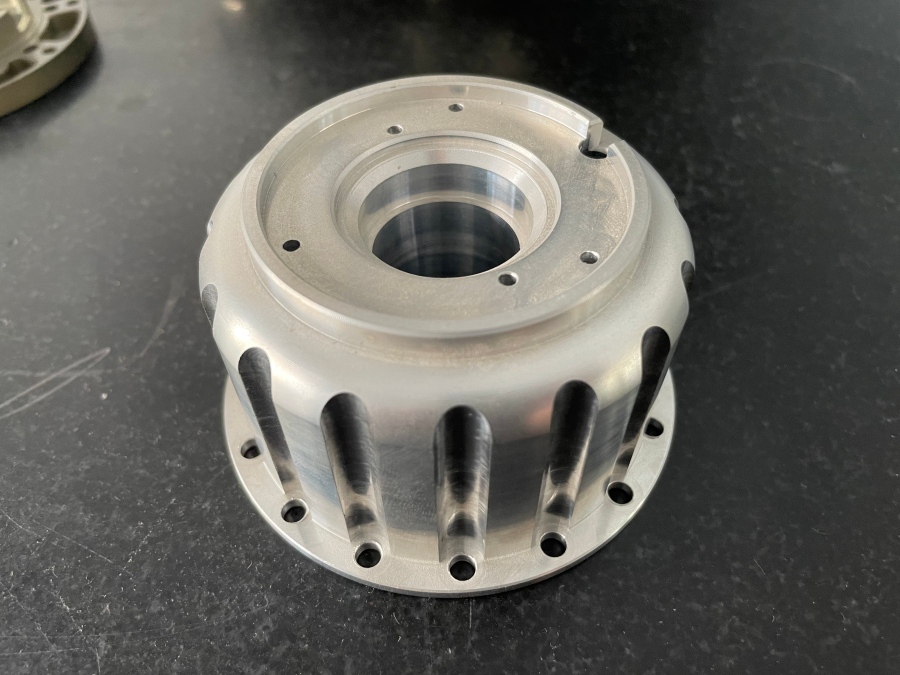
Real-World Application: Overcoming Challenges with Five-Axis Machining
Consider an automotive electronics housing for an inverter module. The part requires:
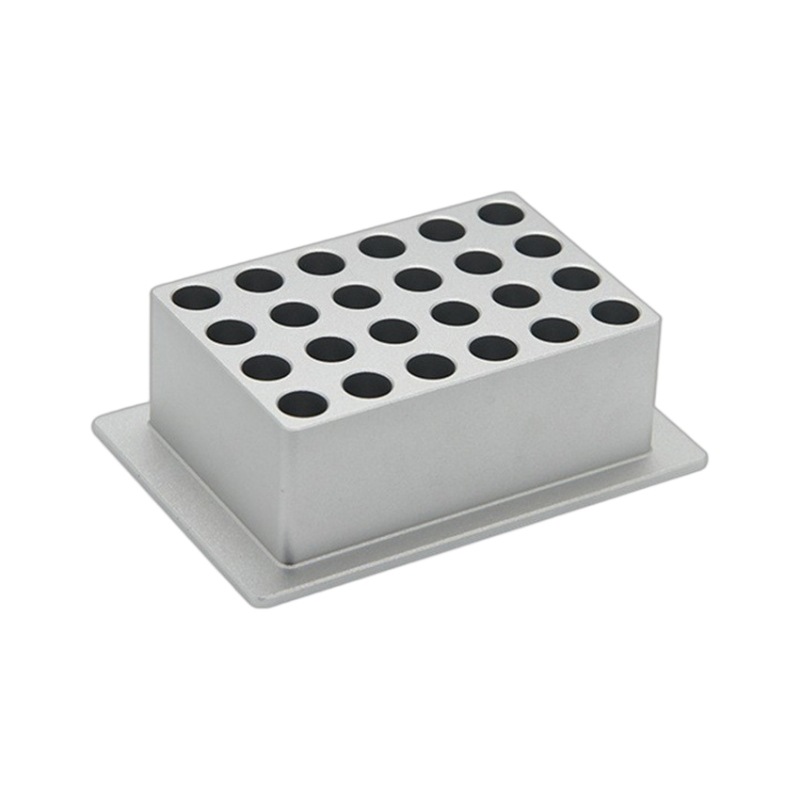
Complex cooling channels machined from billet aluminum
Threaded inserts for high-vibration environments
Tight flatness tolerance (<0.01 mm) for gasket sealing
A 5-axis machine can produce the entire part in one setup, eliminating the need for multiple fixtures and reducing cumulative errors. GreatLight Metal, with their 127 precision peripherals and experienced programmers, can deliver such parts within 5-7 days for prototypes, with full CMM inspection data.
Similarly, for a medical robotics component requiring both 5-axis milling and 3D printed lattice structures (for weight reduction), their in-house SLM printer and turnkey finishing service (electropolishing, passivation) offer a seamless solution.
Conclusion: Choosing a Partner for Precision 5 Axis CNC Machining Services
The best precision 5 axis CNC machining services combine advanced technology, robust quality systems, and collaborative engineering support. By verifying equipment capabilities, demanding certifications, reviewing material availability, and seeking DFM input, you can avoid common pitfalls and accelerate product development.
GreatLight CNC Machining (open in new window) exemplifies this approach: ISO 9001/13485/IATF 16949 certified, equipped with high-end 5-axis centers, and offering a full process chain from design to assembly. Whether you’re iterating on a prototype or scaling to full production, their team in Dongguan delivers the precision and reliability that today’s demanding industries require.
For further insights into how top-tier manufacturers manage tolerance stack-ups, surface integrity, and cost optimization, connect with industry professionals on LinkedIn. Follow GreatLight Metal (open in new window) for technical articles and case studies on advanced machining topics.
This article is based on engineering best practices and does not constitute professional advice. Always validate specifications directly with your chosen manufacturing partner.


![[访谈] RAPID + TCT 2024:人工智能对 3D 打印的价值](https://print-ing.com/wp-content/uploads/2024/07/INTERVIEW-60x60.jpeg "[访谈] RAPID + TCT 2024:人工智能对 3D 打印的价值 9")




发表回复
要发表评论,您必须先登录。