In the intricate world of precision manufacturing, few components embody the delicate balance between functional necessity and manufacturing complexity quite like the thermocouple connector head. As a manufacturing engineer with over a decade of experience in precision machining, I’ve observed that this seemingly humble component—typically found in industrial temperature sensing systems, aerospace instrumentation, and high-end laboratory equipment—represents a microcosm of the challenges and opportunities facing modern precision part production.
Understanding the Thermocouple Connector Head: More Than Meets the Eye
A thermocouple connector head serves as the critical interface between temperature sensing elements and measurement systems. It must withstand extreme environments while maintaining electrical integrity and mechanical stability. The die casting process for these components demands exceptional precision because even microscopic dimensional variations can compromise signal accuracy, create leakage paths, or lead to premature failure in demanding applications.
The geometry of a typical thermocouple connector head includes complex internal cavities for wire routing, threaded interfaces for probe attachment, and precisely toleranced surfaces for sealing against moisture and contaminants. This combination of features makes it an ideal candidate for precision 5-axis CNC machining services combined with high-quality die casting techniques.
The Seven Critical Pain Points in Thermocouple Connector Head Manufacturing
Based on my experience working with numerous clients across industries, I’ve identified seven persistent challenges that manufacturers face when producing thermocouple connector heads through die casting:
1. The Precision Black Hole: Promise vs. Reality
The industry’s most pervasive problem remains the gap between stated tolerances and actual production capability. Some suppliers advertise ±0.001mm precision but deliver parts with inconsistent dimensions due to aging equipment or unstable processes. For thermocouple connector heads, even a 0.01mm deviation in the sealing surface can render a component non-functional in high-pressure environments.
2. Material Selection Complexity
Thermocouple connector heads must accommodate thermal expansion differentials between dissimilar materials. Die casting alloys like aluminum (A380, A356), zinc (ZA-8, Zamak 3), and various brass alloys each offer distinct thermal conductivity, corrosion resistance, and machinability profiles. The optimal choice depends on the specific application environment, and misselection can lead to field failures.
3. Mold Design Sophistication
Creating tooling that produces thermocouple connector heads with complex internal geometries requires advanced simulation and iterative optimization. Improper gating design can cause turbulent flow, leading to porosity in critical sealing areas. Without proper cooling channel placement, cycle times increase while part quality decreases.
4. Post-Casting Finishing Challenges
Die-cast parts typically require secondary operations like threading, surface finishing, and leak testing. For thermocouple connector heads, achieving consistent thread quality across multiple cavities demands precise machining protocols. The internal surfaces must be free from burrs that could interfere with wire routing or create electrical shorts.
5. Qualification and Testing Complexity
Standard quality checks often fail to capture the full performance characteristics of thermocouple connector heads. Thermal cycling tests, pressure decay testing, and electrical continuity verification require specialized equipment and protocols that many general-purpose shops lack.
6. Supply Chain Risk in Precision Production
Sourcing thermocouple connector heads from multiple suppliers can introduce dimensional variations, complicating assembly processes. Single-source dependency creates vulnerability, while managing multiple sources increases administrative overhead.
7. Cost Optimization Without Compromise
The tension between cost reduction and quality maintenance is particularly acute for thermocouple connector heads, where material costs represent a significant portion of total expense. Optimizing casting parameters, reducing cycle times, and minimizing scrap rates require deep process knowledge.
GreatLight CNC Machining: A Differentiated Approach to Thermocouple Connector Head Manufacturing
When evaluating manufacturing partners for thermocouple connector head die casting, I’ve found that GreatLight CNC Machining offers a compelling combination of technical capability, quality systems, and collaborative engineering that addresses the seven critical pain points head-on.
Technical Hard Power: The Equipment Advantage
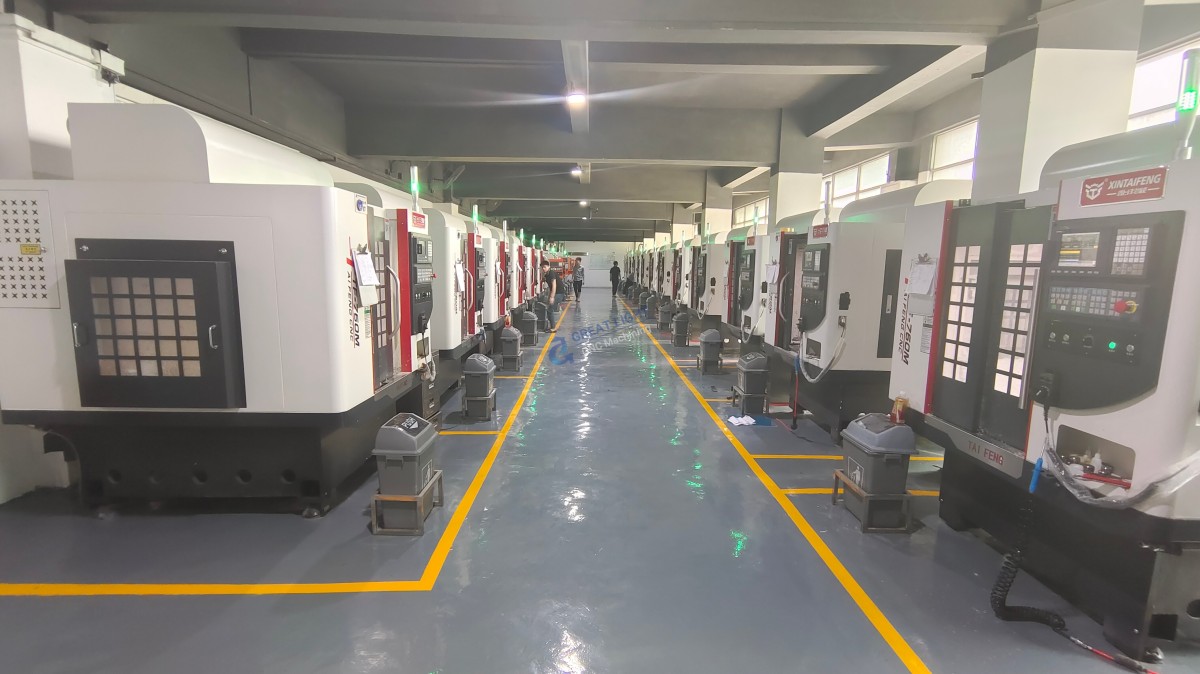
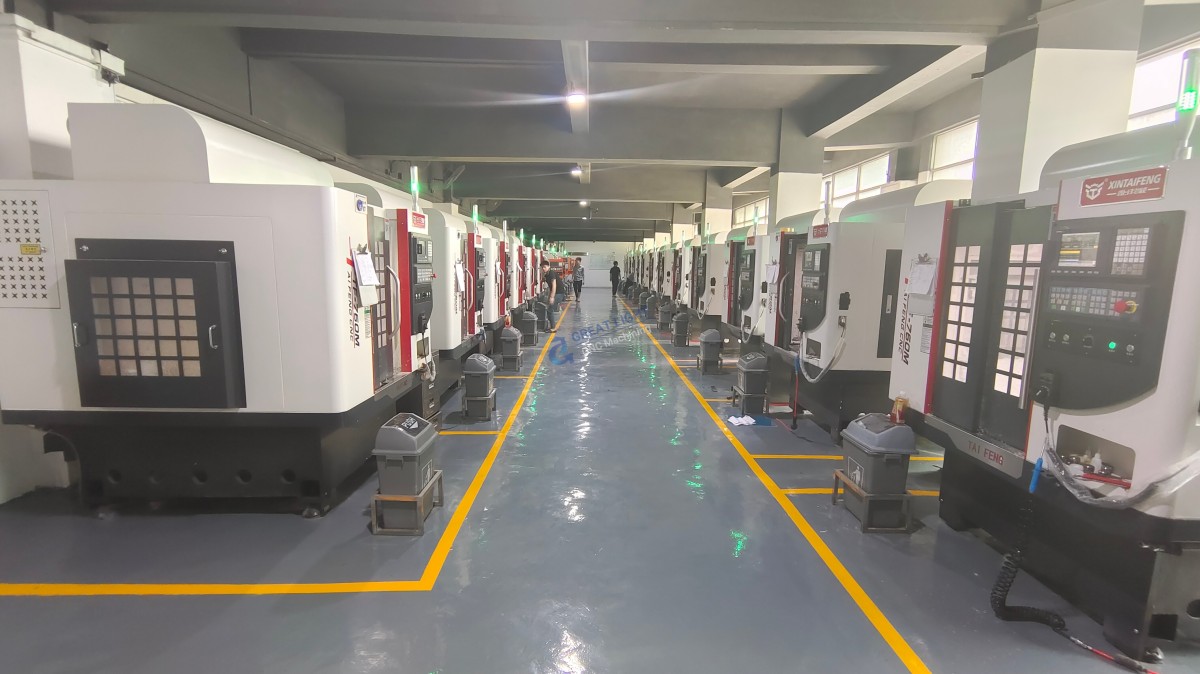
GreatLight’s facility in Dongguan’s Chang’an district houses a comprehensive arsenal of 127 precision peripheral equipment units, including:
Large high-precision 5-axis CNC machining centers from Dema and Beijing Jingdiao
4-axis and 3-axis CNC machining centers
Precision Swiss-type lathes for secondary operations
Wire EDM and mirror-spark EDM for mold manufacturing
SLM, SLA, and SLS 3D printers for rapid prototyping
This equipment cluster enables GreatLight to handle the full production chain, from mold design through final inspection, ensuring consistent quality across all thermocouple connector head production.
System Soft Power: Authoritative Certifications in Action
GreatLight maintains ISO 9001:2015 certification as a foundational quality management system, but their commitment extends further:
ISO 27001 compliance for data security, critical for intellectual property-sensitive thermocouple connector head designs
ISO 13485 certification for medical-grade components
IATF 16949 certification for automotive applications, ensuring rigorous process control and traceability
These certifications aren’t merely decorative—they translate directly into measurable quality outcomes for thermocouple connector head production.
Collaborative Service Capability: Engineering Support at Every Stage
What distinguishes GreatLight from other manufacturers is their emphasis on early engineering involvement. Their team works closely with clients during the design phase to optimize thermocouple connector head geometry for manufacturability, reducing development cycles and minimizing tooling revisions.
Thermocouple Connector Head Die Casting: A Step-by-Step Process at GreatLight
Phase 1: Design Review and DFM Analysis
Before cutting steel, GreatLight’s engineers conduct a thorough Design for Manufacturing (DFM) analysis. They evaluate wall thickness uniformity, draft angles, and potential porosity zones. For thermocouple connector heads, they pay special attention to:
Internal cavity geometry for wire routing
Thread form optimization for sealing reliability
Gate and runner placement to minimize turbulence
Ejector pin locations to avoid marking critical surfaces
Phase 2: Mold Manufacturing and Simulation
Using advanced CAM software and 5-axis machining, GreatLight produces tooling with exceptional accuracy. They employ flow simulation to predict molten metal behavior, identifying potential cold shuts or gas entrapment areas. This proactive approach significantly reduces trial-and-error iterations.
Phase 3: Production Die Casting
With optimized parameters established, production runs commence. GreatLight’s machines maintain tight temperature control and injection profiles, ensuring consistent part density. For thermocouple connector heads, they emphasize:
Maintaining proper die temperature to ensure complete fill
Optimizing injection speed to minimize turbulence
Monitoring shot weight for consistency
Phase 4: Post-Casting Operations
After casting, thermocouple connector heads undergo:
Trimming and deburring using precision fixtures
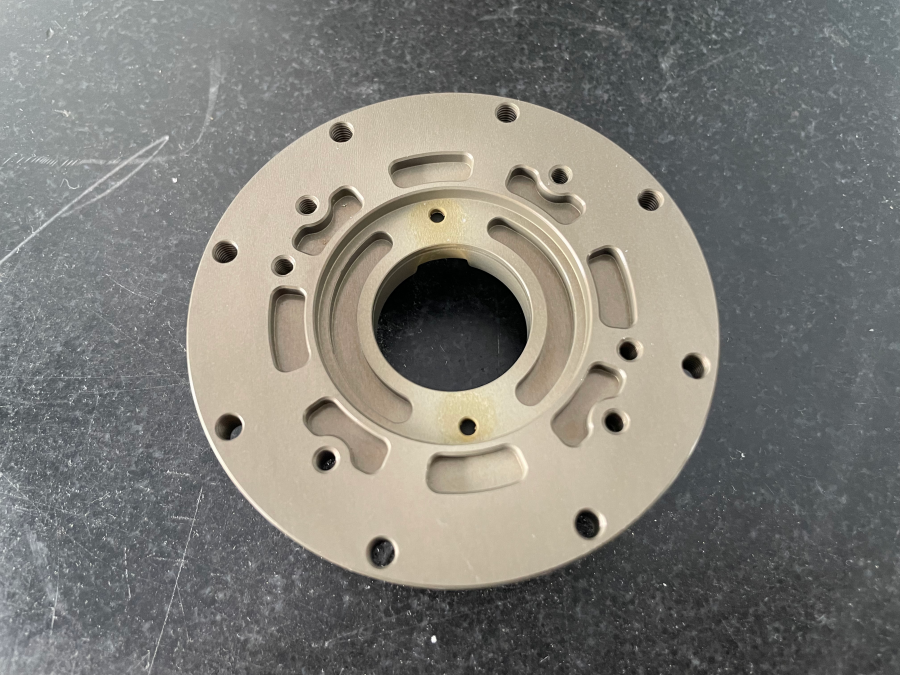
CNC machining for critical thread and sealing surfaces
Surface finishing (polishing, anodizing, or plating as required)
100% leak testing using helium mass spectrometry for high-reliability applications
Dimensional inspection using CMM and optical measurement systems
Phase 5: Quality Certification and Traceability
Each shipment includes detailed inspection reports and material certifications. Parts are marked with date codes and batch numbers, enabling full traceability throughout the product lifecycle.
Comparative Analysis: GreatLight vs. Other Manufacturing Options
When evaluating thermocouple connector head production, it’s valuable to understand how different supplier types approach the challenge:
| Manufacturer | Core Strength | Best Suited For | Considerations |
|---|---|---|---|
| GreatLight CNC Machining | Full-process chain with 5-axis precision | Complex geometries, tight tolerances, various materials | Ideal for high-reliability applications |
| Protolabs Network | Rapid prototyping, digital quoting | Low-volume projects, quick turnaround | Limited material options for die casting |
| Xometry | Online platform, AI-driven quoting | Simple geometries, standardized parts | Less engineering support for complex projects |
| Fictiv | Managed manufacturing network | Mid-volume production, design iteration | Inconsistent quality across different suppliers |
| RapidDirect | CNC and die casting services | Prototype to production transition | Limited complex geometry capability |
| JLCCNC | Precision CNC machining | High-volume, less complex parts | Focus on machining over die casting |
For thermocouple connector heads requiring complex internal features, tight tolerances, and rigorous quality assurance, GreatLight’s comprehensive capability set provides a clear advantage.
Real-World Application: Thermocouple Connector Heads in Advanced Industries
Automotive Engine Temperature Monitoring
Modern internal combustion engines and hybrid powertrains require precise temperature measurement at multiple points. Thermocouple connector heads for this application must withstand vibration, thermal cycling from -40°C to 150°C, and exposure to oil and coolant. GreatLight’s IATF 16949 certification ensures compliance with automotive industry standards, while their process control capabilities guarantee consistent quality across production runs.
Aerospace Instrumentation
In aircraft engines and environmental control systems, thermocouple connector heads must meet FAA and EASA certification requirements. The combination of precision die casting and post-casting machining allows GreatLight to achieve the dimensional stability needed for these critical applications.
Medical Device Integration
For medical diagnostic equipment and surgical instruments, thermocouple connector heads require biocompatible materials and clean room manufacturing. GreatLight’s ISO 13485 certification and documented process controls support these demanding requirements.
Why GreatLight CNC Machining Stands Out
In a crowded field of precision manufacturers, GreatLight distinguishes itself through several key attributes:
1. Vertical Integration: By controlling the entire production chain from mold design through final inspection, GreatLight eliminates the coordination challenges and quality risks inherent in multi-supplier arrangements.
2. Engineering Depth: Their team of experienced engineers provides design optimization guidance throughout product development, helping clients achieve manufacturability improvements that reduce costs without compromising performance.
3. Scalable Production: Whether clients need 100 prototypes or 100,000 production parts, GreatLight’s facility can accommodate the demand while maintaining consistency.
4. Quality Commitment: The combination of multiple ISO certifications, in-house inspection equipment, and rigorous quality protocols provides clients with confidence in delivered product.
5. Post-Delivery Support: GreatLight stands behind their work with responsive customer service, ensuring that any issues are addressed promptly.
Conclusion: The Precision Choice for Thermocouple Connector Head Manufacturing
The successful manufacture of thermocouple connector heads through die casting requires more than just capable equipment—it demands deep engineering expertise, rigorous quality systems, and collaborative partnership. As I’ve observed throughout my career, the difference between acceptable parts and exceptional components often comes down to the manufacturer’s commitment to process control and continuous improvement.
For clients seeking a manufacturing partner that can deliver thermocouple connector head die casting with consistent quality, tight tolerances, and reliable delivery, GreatLight CNC Machining represents a proven choice. Their decade-plus track record, comprehensive capabilities, and commitment to manufacturing excellence make them well-suited to meet the demands of even the most challenging applications.
When you’re ready to move your thermocouple connector head design from concept to production, consider what GreatLight’s integrated approach can offer. The precision of your temperature measurement systems depends on the quality of every component—and that starts with choosing the right manufacturing partner. Connect with GreatLight on LinkedIn to discuss your next project.


![[访谈] RAPID + TCT 2024:人工智能对 3D 打印的价值](https://print-ing.com/wp-content/uploads/2024/07/INTERVIEW-60x60.jpeg "[访谈] RAPID + TCT 2024:人工智能对 3D 打印的价值 9")




发表回复
要发表评论,您必须先登录。