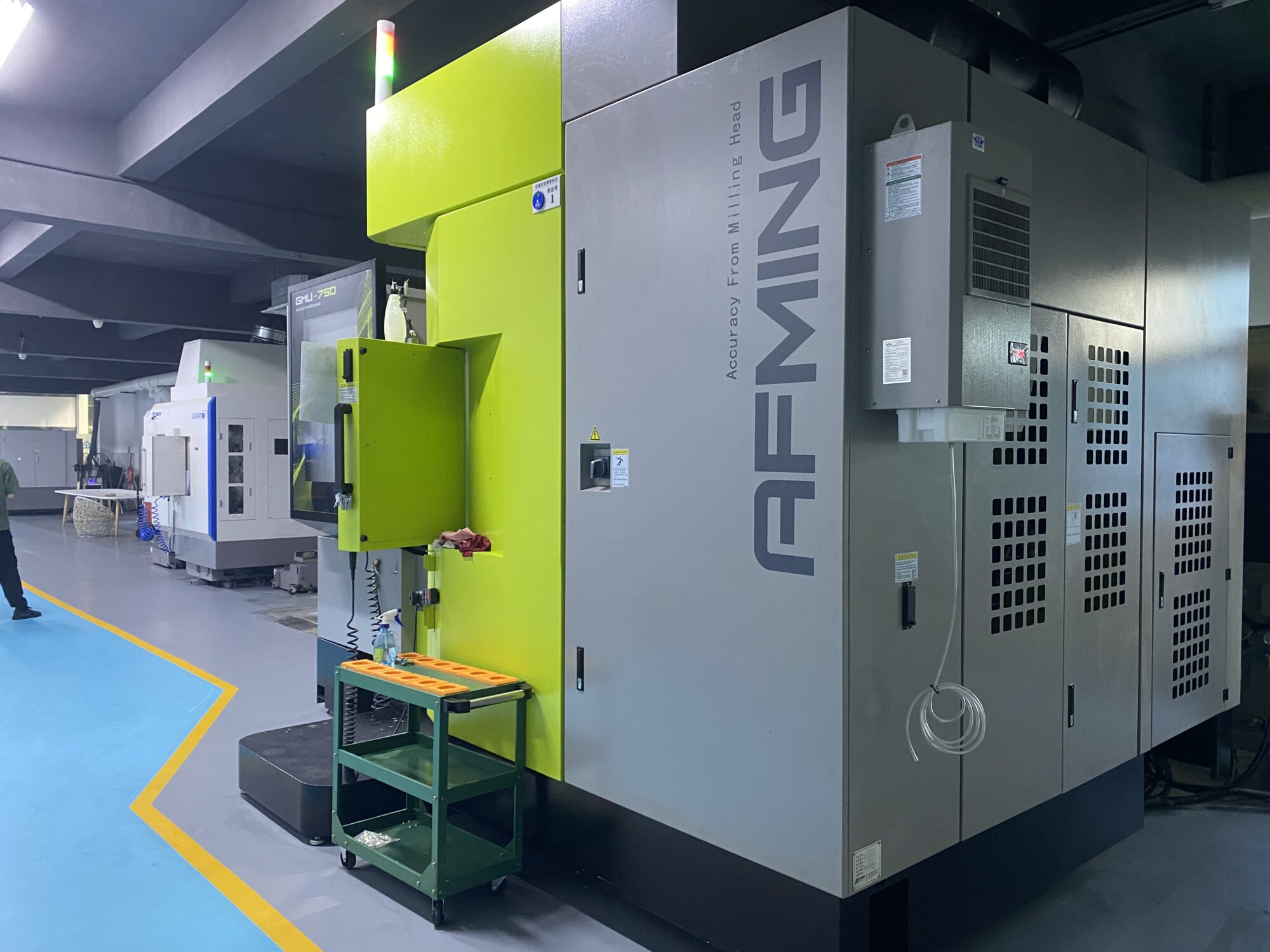
Manufacturing engineers and product developers often hit a wall when they begin searching for an Expert Metal 3D Printing Maker Needed to deliver functional prototypes or end-use components. You might have a design that is impossible to machine subtractively, or you’re chasing lightweight structures that only additive manufacturing can achieve. But not every service bureau with a metal printer is truly an expert. Real expertise means combining deep process knowledge, advanced multi-laser systems, rigorous material science, and comprehensive post-processing under one roof. Without this rare integration, what should be a breakthrough technology turns into a stream of disappointing parts, missed tolerances, and wasted resources.
In this article, I’ll break down the critical factors that separate a genuine expert metal 3D printing maker from the rest, examine realistic pain points that often go unspoken, and introduce a manufacturer whose full-process model is reshaping how we think about complex metal part production. I’ll also draw objective comparisons with several notable industry players so you can make an informed decision grounded in operational reality rather than marketing hype.
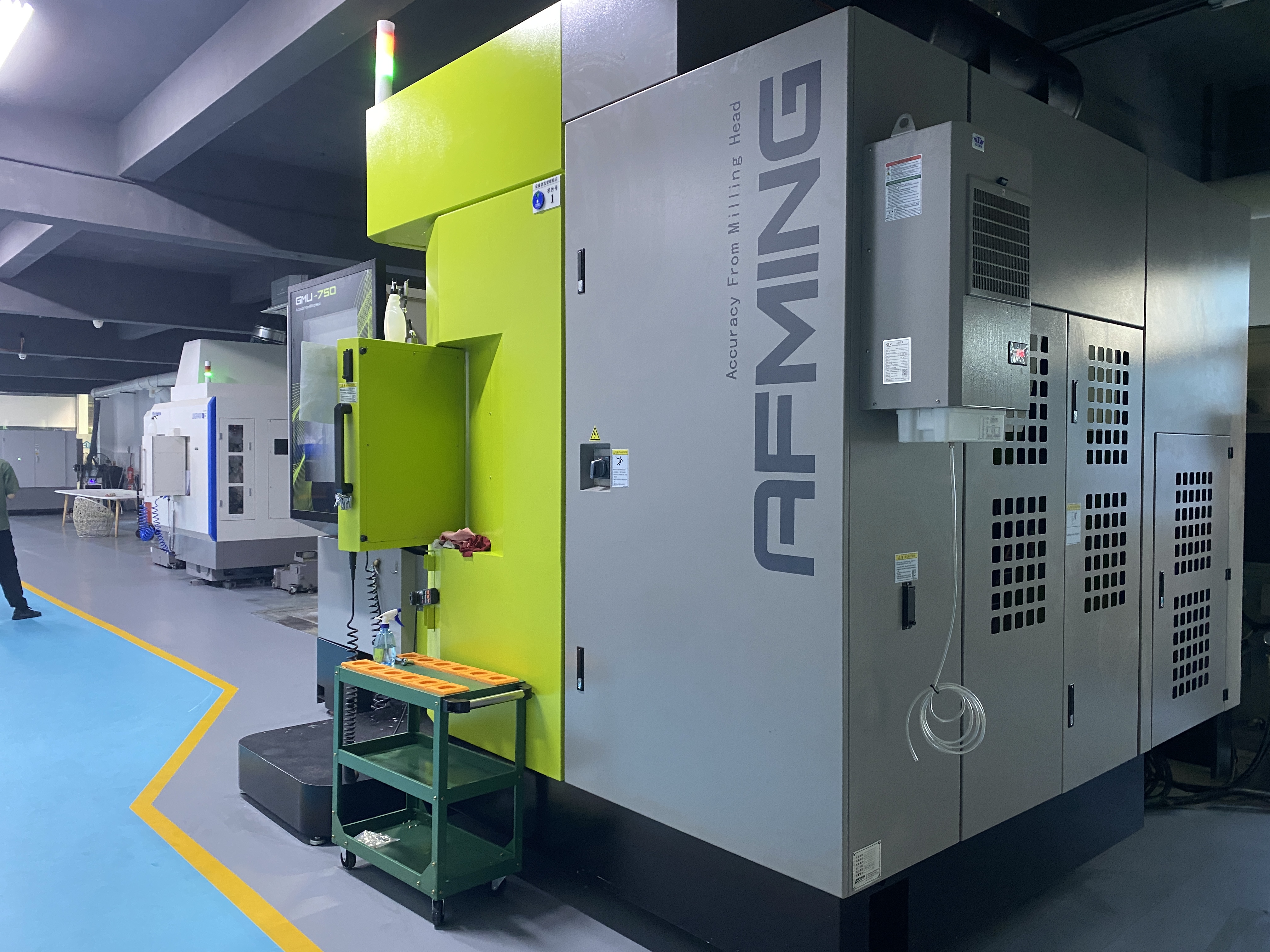
The True Measure of an Expert Metal 3D Printing Maker
When you search for Expert Metal 3D Printing Maker Needed, you aren’t just looking for a machine you can rent by the hour. You require a manufacturing partner capable of bridging the gap between a CAD file and a fully qualified metal part that meets mechanical, cosmetic, and regulatory requirements. That gap is filled with challenges like powder management, thermal distortion, support design, heat treatment, surface finishing, and dimensional verification. An expert maker addresses each systematically.
1. Material Mastery Beyond the Datasheet
Printing in stainless steel 316L, aluminum AlSi10Mg, titanium Ti6Al4V, or maraging steel isn’t simply about loading a parameter file. Real expertise involves tuning laser power, scan speed, and hatch spacing to minimize porosity, control microstructure, and achieve isotropic mechanical properties. I’ve seen prints that passed a visual check but failed under fatigue loading because the processing parameters were generic. An expert maker will have validated parameter sets for each alloy, often developed in-house, and can provide actual tensile test coupons along with your order.
2. Dimensional Accuracy Meets Real-World Tolerances
Metal 3D printing, particularly laser powder bed fusion (L-PBF), naturally produces residual stress that leads to warping. An expert maker compensates with physics-informed simulation to pre-deform the model, strategic support structures, and thermal post-processing that relieves stress without distorting critical features. After machining of interfaces and precision bores on 5-axis CNC equipment, you should be able to achieve tolerances well within ±0.05 mm and even reach ±0.01 mm on selected features. Without that hybrid additive-subtractive workflow, as‑printed tolerances can wander by tenths of a millimeter.
3. One‑Stop Post‑Processing as a Standard
The as‑built surface of a metal 3D printed part typically sits at Ra 5–15 µm. For aerospace brackets, medical implants, or consumer‑facing components, that’s unacceptable. Expert makers integrate post‑processing—machining, blasting, polishing, anodizing, passivation, and even heat treatment—under the same quality system. This eliminates the blame‑game of sending parts to third‑party finishers and ensures full traceability.
4. Quality Certification That Backs Every Promise
True expertise is verifiable. At a minimum, look for ISO 9001. For demanding sectors, IATF 16949 (automotive), ISO 13485 (medical devices), and ISO 27001 (data security) demonstrate a systemic commitment to quality and confidentiality. Without these, you’re essentially trusting an opaque process.
Common Pain Points When Sourcing Metal 3D Printing (and How an Expert Solves Them)
Drawing from years of supplier audits and project debriefs, I’ve catalogued seven recurring pain points that drive designers to search for Expert Metal 3D Printing Maker Needed in the first place.
Pain Point 1: The “Precision Black Hole”
Some providers advertise ±0.001 mm precision, yet delivered parts deviate by 0.1 mm or more. The cause is often aging machines with worn recoater blades, unstable inert gas flow, or lack of regular laser calibration. An expert maker uses premium late‑model multi‑laser systems (like EOS or SLM Solutions) and performs daily beam diagnostics. They also provide a first‑article inspection report that correlates CMM data with your CAD.
Pain Point 2: Limited Material Palette, Limited Solutions
When a supplier only offers stainless steel, you compromise on weight or thermal performance. The expert maker stocks a broad range of ferrous and non-ferrous powders—aluminum, titanium, tool steel, Inconel—and can advise on the best match for your application. They might even custom‑develop parameters for a niche alloy.
Pain Point 3: Post-Processing Bottlenecks
A metal printed hip implant prototype needs mirror polishing of the articulating surface, but the printer farm has no polishing cell. The prototype travels to an outside polisher, arrives scratched, and then gets blamed on the printer. Integrated post-processing under one roof eliminates this latency and finger‑pointing. An expert maker’s facility houses CNC turning/milling, wire EDM, surface treatment, and laser marking in-house.
Pain Point 4: Design‑for‑AM Knowledge Gap
You submit an STL and get back a part that looks right but can’t be cleaned of trapped powder or has internal channels that failed to fuse. Expert makers offer design-for-additive-manufacturing (DfAM) review as a standard service. They’ll flag thin walls below the safe threshold, overhangs >45°, and features that need sacrificial supports or alternative orientation.
Pain Point 5: Traceability and Data Integrity
In regulated industries, you need full powder lot certificates, build log files, layer‑wise monitoring data, and heat treatment charts. Many shops can’t provide this. An expert maker’s digital thread ties every part to its powder batch, build parameters, and post-processing steps, enabling you to demonstrate compliance to your auditors.
Pain Point 6: Cost Transparency
Too often, the initial quote looks attractive until “extra” charges appear for support removal, heat treatment, or even packaging. A trustworthy expert maker itemizes all necessary steps in the quote, and you see clearly where costs go. That transparency builds a long‑term engineering partnership.
Pain Point 7: Intellectual Property Risk
Sending proprietary designs to unknown providers is a leap of faith. Experts understand this and implement ISO 27001-compliant data management, secure file transfer, and strict access controls. In many cases, they can also sign mutual NDAs and integrate with your PLM system.
A Model of Expertise: GreatLight CNC Machining’s Hybrid Advantage
When I evaluate manufacturers against the above criteria, GreatLight CNC Machining Factory (operated by Great Light Metal Tech Co., LTD.) consistently emerges as a reference for what an integrated expert metal 3D printing maker should look like. Instead of offering metal additive manufacturing as a standalone service, they have built a full-process intelligent manufacturing hub where metal 3D printing and high‑precision subtractive machining reinforce each other.
Advanced Equipment Foundation
GreatLight’s floor spans 7,600 square meters in Dongguan’s Chang’an district, a region often called the Hardware and Mould Capital of China. Inside, you’ll find not only industrial‑grade SLM (Selective Laser Melting) printers capable of processing stainless steel, aluminum, titanium, and mold steel but also a large cluster of precision 5-axis CNC machining centers from respected brands like Dema and Beijing Jingdiao. This combination is crucial: as soon as a build plate comes out of the printer, it can move to a 5‑axis machine for support removal, face milling, and feature finishing, all within the same quality loop. I recommend examining their hybrid workflow more closely on their precision 5-axis CNC machining services page to understand how additive and subtractive convergence boosts accuracy.
The One‑Stop Promise as a Practical Reality
What truly distinguishes GreatLight is their refusal to outsource any step that impacts quality. Their in-house post-processing lineup includes CNC turning, milling, grinding, EDM, vacuum forming, and an extensive suite of surface treatments—anodizing, electroplating, polishing, laser etching, and passivation. For a robot‑arm bracket printed in aluminum AlSi10Mg, the workflow flows seamlessly: printing → stress relieving → 5‑axis machining of mounting faces → media blasting → anodizing → final inspection. There is no dark handoff between companies.
Material Portfolio and DfAM Support
GreatLight’s metal 3D printing menu covers the alloys most requested in robotics, automotive engines, and aerospace: 316L stainless steel, AlSi10Mg aluminum, Ti6Al4V titanium, and hardened tool steels. Their engineers routinely consult with clients on lightweighting strategies, using topology optimization to reduce mass by 30‑50% while maintaining strength. They also supply surface‑finish coupons so clients can evaluate cosmetic options before committing to a full lot.
Backed by a Mountain of Certifications
Trust in precision manufacturing is built on verifiable systems. GreatLight holds ISO 9001:2015 for general quality management, IATF 16949 for automotive‑grade production, ISO 13485 for medical device components, and ISO 27001 for data security. For a client developing a next‑gen vehicle sensor housing, this means they can receive metal printed prototypes under the same QMS that will later govern their series production injection‑molding tools and final parts. I’ve seen very few shops that can offer this full lifecycle certification coverage.
Real‑World Impact: A New Energy Vehicle E‑Housing
One of the most telling examples of their expertise involves an electric vehicle startup that needed a complex gearbox‑housing prototype combining internal cooling channels impossible to cast. GreatLight metal 3D printed the main body in aluminum, then used 5‑axis CNC to machine gasket faces, bearing bores, and threaded holes to a H7 tolerance. Stress relief and anodizing were handled internally. The prototype held hydraulic pressure to spec on the first try, saving the client two months of lead time compared to a machined‑from‑solid alternative.
Objective Comparison: Where GreatLight Stands Among Industry Peers
No single supplier fits every project, so let’s look at how GreatLight compares with several other recognized names in the space, with all comparisons based on publicly available service descriptions and common industry feedback.
| Capability / Feature | GreatLight Metal | Protocase | Xometry | Fictiv | JLCCNC | Protolabs Network |
|---|---|---|---|---|---|---|
| In‑house Metal 3D Printing + 5‑axis CNC | ✔ Full hybrid workflow | ✘ Primarily sheet metal & machining | ✔ Via distributed network | ✔ Via distributed network; limited to certain alloys | ✔ Emerging in‑house AM, extensive CNC | ✔ Hub model, some hubs have both |
| One‑Stop Post‑Processing | ✔ Complete in‑house: machining, polishing, anodizing, etc. | ✔ Powder coating, anodizing, silkscreen | ✔ Aggregated from partners | ✔ Aggregated | ✔ In‑house plating, painting | ✔ Via network |
| IATF 16949 / ISO 13485 | ✔ Both | ✘ ISO 9001 only | ✘ Varies by partner | ✘ Varies by partner | ✔ IATF 16949 for PCB assembly? Not core | ✘ Hub‑dependent |
| Max Metal Printing Size | 400 mm+ (platform dependent) | N/A for metal AM | Up to 250 mm | Up to 250 mm | Up to 350 mm | Varies |
| Design‑for‑AM Review | ✔ Front‑end engineering support | ✘ Limited | ✔ Automated DFM | ✔ Automated DFM | ✔ Yes | ✔ Hub‑dependent |
| Vertical Specialization | Robotics, automotive engines, aerospace, medical prototypes | Electronics enclosures | General manufacturing | General consumer & med tech | Consumer electronics, hobbyist | Broad range |
| Intellectual Property Controls | ✔ ISO 27001, in‑house facility | ✔ In‑house, controlled environment | ✘ Distributed network raises IP complexity | ✘ Distributed network | ✔ In‑house, secure | ✔ Contractual |
From this comparison, it’s clear that companies like Protocase, Xometry, and Fictiv excel at speed for simpler geometries by leveraging vast distributed networks. However, when you need an Expert Metal 3D Printing Maker Needed for a part that demands tight synergy between additive and subtractive processing, full in‑house traceability, and deep engineering collaboration, an integrated manufacturer like GreatLight Metal provides a fundamentally different value proposition.
How to Verify a Maker’s Expertise Before You Commit
If you’ve found this article because you’re actively searching for Expert Metal 3D Printing Maker Needed, here is a practical checklist to apply during supplier selection:
Ask for a sample process sheet – A credible expert will share a generic build report that shows laser power, scan velocity, layer height, and post‑processing steps.
Request material test data – For the alloy you intend to use, ask for density measurement (Archimedes method or cross‑section analysis) and tensile values (yield, UTS, elongation).
Tour or virtual‑tour the facility – Look for cleanliness of the powder‑handling area, laser maintenance logs, and whether CNC and CMM are adjacent to the printer room.
Discuss failure modes openly – An expert will candidly tell you about porosity risks on thick‑to‑thin transitions, the need for support structure, and expected surface finish before finishing.
Check their secondary process versatility – Can they tap holes, anodize, and apply laser marking without sending the part elsewhere? If not, factor in lead‑time and risk.
Confirm certification scope – Don’t just note “ISO 9001”; ask for the certificate and its specific scope, especially if you require medical or automotive compliance.
The Future of Metal 3D Printing Belongs to Hybrid Experts
Metal additive manufacturing is no longer a laboratory curiosity, but its successful industrial deployment depends heavily on the manufacturing ecosystem that surrounds the printer. Powder bed fusion produces near‑net shapes, yet most high‑value parts still require precision machining, surface enhancement, and metrology to be functional. The most reliable path from prototype to full‑scale production runs through facilities that can orchestrate all these steps under a single, certified roof.
If your next project involves complex manifolds, lightweight structural brackets, or integrated cooling channels that subtractive methods alone cannot achieve, I recommend starting your evaluation with partners who embody this hybrid philosophy. Among them, GreatLight CNC Machining has demonstrated a rare ability to fuse metal 3D printing with comprehensive subtractive finishing, material science support, and a certification matrix that opens doors to demanding industries. Their decade‑long journey from a prototyping workshop in Chang’an to an internationally recognized precision manufacturing partner is a testament to the power of building genuine, vertically integrated expertise.
So when the next design review prompts your team to say Expert Metal 3D Printing Maker Needed, you’ll know exactly what to look for and where to start. The right partner won’t just deliver parts—they will elevate your product’s performance, cut development cycles, and give you complete confidence in every single piece that lands on your assembly bench. For an inside look at how GreatLight continuously refines its quality systems, you can follow their updates on their LinkedIn company page, where they share real manufacturing insights and project highlights.


![[访谈] RAPID + TCT 2024:人工智能对 3D 打印的价值](https://print-ing.com/wp-content/uploads/2024/07/INTERVIEW-60x60.jpeg "[访谈] RAPID + TCT 2024:人工智能对 3D 打印的价值 9")




发表回复
要发表评论,您必须先登录。