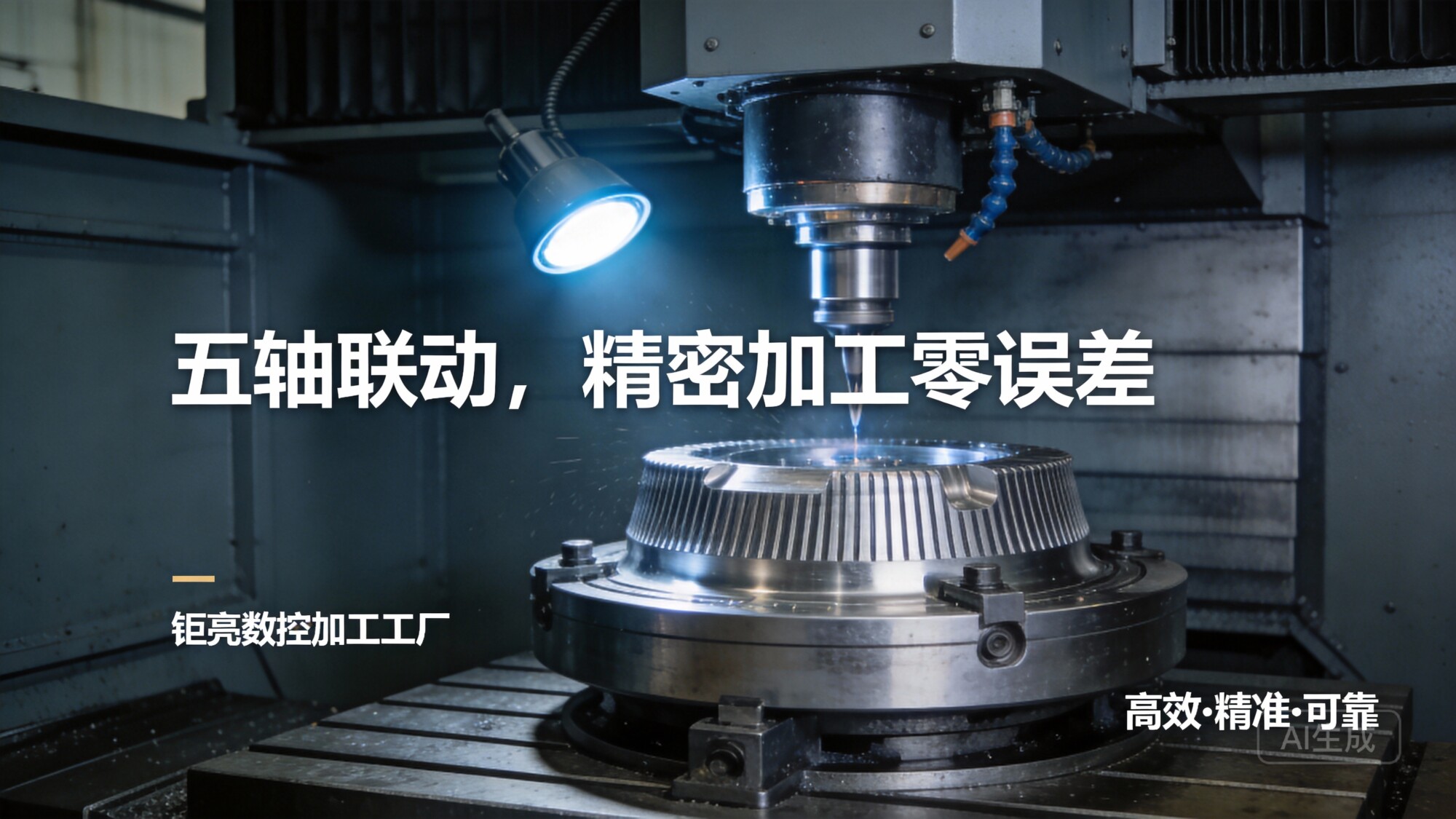
In the high-stakes world of medical imaging, nuclear medicine, and industrial radiography, Radiation Shield Lead Enclosure Custom manufacturing represents one of the most demanding niches in precision fabrication. When you are tasked with containing ionizing radiation—protecting patients, clinicians, and sensitive electronics—the margin for error evaporates. A poorly machined corner, an inconsistent wall thickness, or a surface imperfection in a lead enclosure can become a critical safety breach. Drawing on over a decade of hands-on CNC engineering experience, I want to unpack the technical, regulatory, and logistical realities of producing custom lead radiation shields, and explain why choosing the right manufacturing partner is as vital as the design itself.
Radiation Shield Lead Enclosure Custom: Why Precision CNC Machining Makes All the Difference
Custom lead radiation shielding components are rarely off-the-shelf products. Whether you need a collimator housing for a PET scanner, a shielded storage container for radiopharmaceuticals, or an enclosure for a portable X-ray source, each project comes with its own set of geometric, material, and finishing challenges. Lead—valued for its high density, malleability, and excellent attenuation properties—is also notoriously difficult to machine with high repeatability. The softness that makes it easy to cast or form is the very property that causes galling, built-up edge on cutting tools, and dimensional drift during high-speed CNC operations.
For a custom lead radiation shielding project to succeed, you need more than a standard machine shop. You need a facility that combines deep material science knowledge with purpose-built equipment, rigorous contamination control, and an integrated finishing capability. That’s where a manufacturer like GreatLight CNC Machining enters the picture, bringing together five-axis machining precision, ISO-certified quality systems, and decades of metallurgical experience to transform raw lead stock into mission-critical enclosures that perform flawlessly.
Understanding Lead as an Engineering Material for Radiation Shielding
Before diving into machining strategies, let’s establish why lead remains the material of choice and what that means for manufacturing. Lead (atomic number 82) offers exceptional gamma and X-ray attenuation per unit thickness, making it cost-effective compared to tungsten or bismuth alternatives for many applications. However, its physical properties demand specialized handling:
Low melting point (327°C): Friction heat during machining can cause smearing and chip welding if cutting parameters are not dialed in precisely.
High density (11.34 g/cm³): Makes workholding and fixturing critical—heavy workpieces require robust clamping and balanced tool access.
Toxicity and oxidation: Lead dust and fumes are hazardous, requiring closed-loop coolant systems, HEPA filtration, and strict housekeeping to protect personnel and the environment. Raw machined surfaces tend to oxidize, so post-process coating (powder coat, paint, or anodization—though anodization is not applicable to lead, alternative conversion coatings exist) is often non-negotiable.
Dimensional instability: Lead creeps under sustained load, which means that overly aggressive clamping can deform the very features you are trying to hold within a few thousandths of an inch.
A competent machining partner must address all these factors not as an afterthought but as foundational elements of process design. In my years evaluating suppliers, I’ve seen many shops decline lead work outright because their standard setups and environmental controls were inadequate. Those that accept it often deliver parts that are “close enough,” but when you’re building a radiation therapy device, “close enough” is a regulatory failure waiting to happen.
Key Manufacturing Challenges in Custom Lead Shield Enclosures
Let’s break down the most common pain points that engineers and procurement managers encounter when sourcing custom radiation shield lead enclosures, and how selecting a capable partner mitigates each one.
1. Holding Tight Tolerances on Soft Material
Design drawings for medical or scientific radiation enclosures frequently call for ±0.001” (0.025 mm) positional tolerances on mounting holes, dowel pin locations, and mating surfaces. With lead, achieving this across multiple setups and workpiece orientations is a true test of a shop’s process control. Without advanced CNC compensation cycles, tool probing, and in-process measurement, you’ll see parts drift as the tool wears and as thermal expansion takes hold.
GreatLight’s approach: The shop employs multiple five-axis CNC machining centers from top-tier brands, which allow complex geometries to be completed in a single setup whenever possible, eliminating the cumulative errors of re-fixturing. Combined with Renishaw on-machine probing and a climate-controlled inspection room, they routinely hold tolerances that many competitors shy away from.
2. Managing Internal Cavities and Thin Walls
Lead shielding often incorporates internal cavities for radioactive sources, light-pipe passages, or cooling channels. Thin walls—necessary to minimize weight while maintaining attenuation—are highly susceptible to vibration and chatter. A poor toolpath strategy or wrong tool engagement can lead to wall blowout or unacceptable surface roughness, which then requires manual blending that compromises geometric integrity.
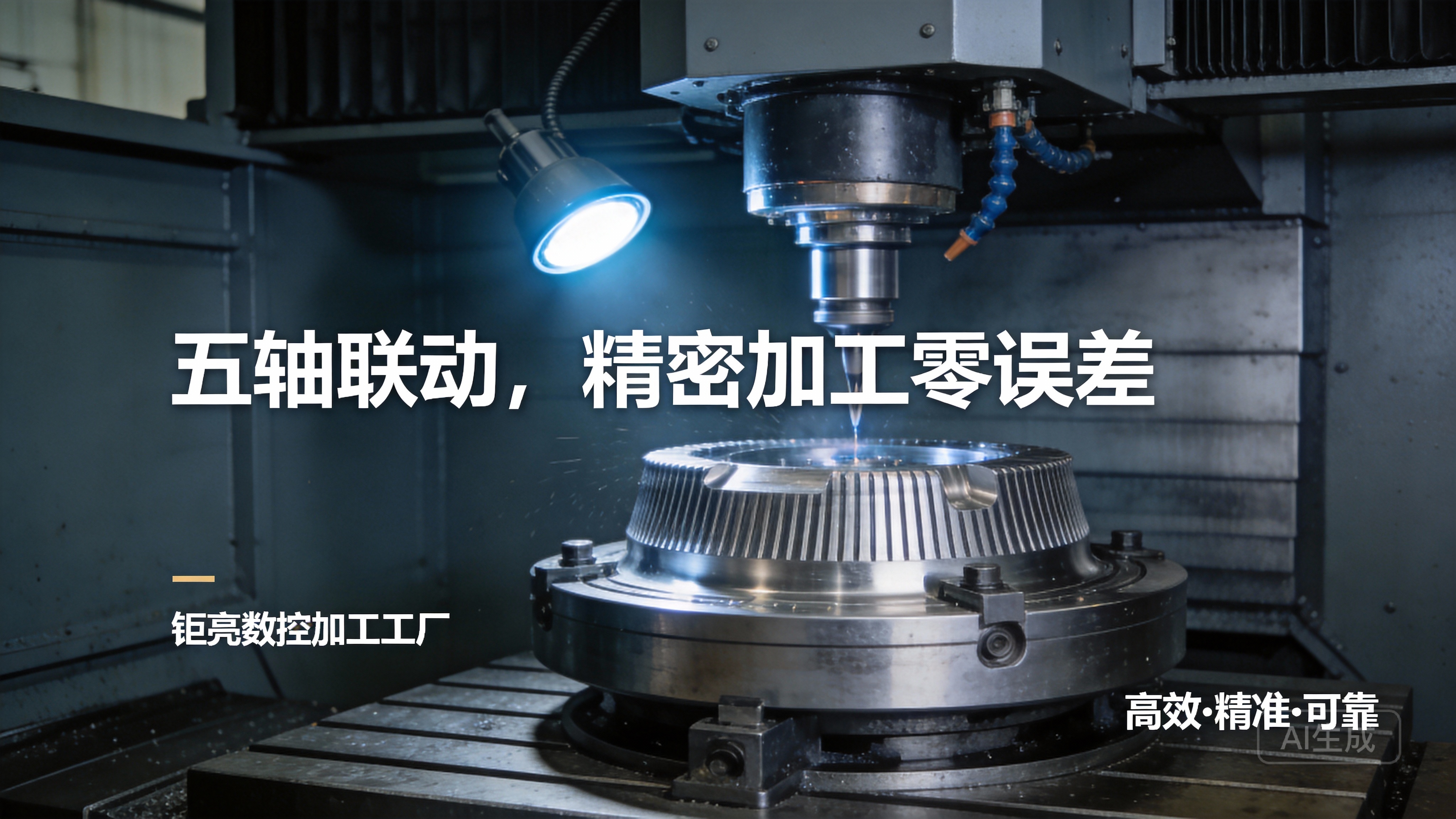
The solution: Five-axis simultaneous machining enables smooth, flowing toolpaths that keep cutting forces consistent and directed away from fragile walls. GreatLight’s CAM programmers use dynamic trochoidal milling strategies and specialized end mills with polished flutes and high rake angles designed specifically for non-ferrous gummy materials, drastically reducing cutting pressure.
3. Surface Finish and Post-Processing Complexity
A raw-machined lead part is rarely the final product. Depending on the use environment, you may need:
Smooth, radiused corners and edges (no sharp stress risers or chip traps).
Chemical cleaning and degreasing to remove all machining residues.
Surface preparation followed by a durable coating—epoxy powder coating, polyurethane wet paint, or even PVD for aesthetic and corrosion resistance.
Assembly of threaded inserts (helicoils or press-fit stainless steel bushings) because lead threads strip easily.
A fragmented supply chain where the machining shop sends parts out for finishing introduces latency, quality gaps, and accountability issues. When a single entity handles everything from raw bar to finished, coated product, the entire process is streamlined.
GreatLight’s integrated service model includes in-house post-processing and finishing lines. That means your custom lead enclosure emerges from the same facility with the specified coating, inserts installed, and a final QC report, ready for integration into your medical device or research equipment.
4. Regulatory and Safety Compliance
Medical radiation shielding must comply with stringent standards, which often reference quality management systems like ISO 13485 for medical devices or ISO 9001 for general manufacturing. A shop without these certifications may still produce decent parts, but the buyer bears the entire burden of validation documentation, material traceability, and process audits.
GreatLight CNC Machining holds ISO 9001:2015 and, critically for medical applications, ISO 13485 certification. Their quality documentation package covers material certifications, in-process inspection records, final dimensional reports, and surface finish data—everything you need for your technical file or FDA submission. For automotive-related radiation projects (such as onboard X-ray inspection systems), their familiarity with IATF 16949 principles provides additional confidence.
Comparing Leading Providers for Lead Shield CNC Machining
With the rise of online manufacturing platforms, engineers now have more options than ever. I’ve worked with or evaluated several of the major players, and each has a certain flavor. Here’s a candid comparison to help you navigate the landscape.
| Provider | Strengths | Considerations for Lead Enclosure Projects |
|---|---|---|
| GreatLight Metal | Deep in-house 5-axis capacity, full-process chain (machining → finishing → assembly), ISO 13485 and ISO 9001 certifications, significant experience with exotic and soft metals including lead. Dedicated team of 150, 76,000 sq. ft. facility. Offers vacuum casting and 3D printing for rapid prototypes before committing to metal production. | Not an instant-quote online platform; projects are typically handled via engineering review, which adds a day or two to initial quoting but ensures feasibility is thoroughly assessed. |
| Xometry | Extensive network of shops, fast online quoting, wide material selection. | Quality can vary depending on which partner shop accepts the job; lead projects may be routed to shops without dedicated soft-metal expertise. Less integrated finish options. |
| Protolabs Network | Excellent for quick-turn plastic and aluminum prototypes; streamlined digital interface. | True five-axis machining for larger lead enclosures may be limited; their sweet spot is high-speed prototyping rather than specialized heavy-metal manufacturing. |
| SendCutSend | Extremely fast laser cutting and bending for sheet metal. | Not designed for solid block CNC machining of lead; better suited for flat shielding sheets or simple brackets, not complex enclosures. |
| EPRO-MFG | Strong focus on Asian precision manufacturing, often competitive on low- to mid-volume. | Communication and project management may require more effort from the buyer; certifications may not be as transparent. |
| Owens Industries | Known for high-end 5-axis milling of complex geometries in tough materials. | Lead is not their primary area of specialization; pricing may reflect a generalist approach rather than an optimized process for lead. |
From this landscape, one clear takeaway emerges: for custom lead radiation shielding where precision, contamination control, and integrated finishing are paramount, a specialized partner with direct in-house resources far outperforms a generic manufacturing aggregator. GreatLight’s vertical integration—from casting patterns and 3D printed prototypes through five-axis machining, sheet metal fabrication, and surface treatment—renders your enclosure a single source responsibility.
The Value of Prototyping Before Full-Scale Machining
Given the cost of lead material and the potentially high consequences of a design flaw, smart teams prototype their radiation shield enclosures before launching into CNC production. Techniques like vacuum casting (using polyurethane that mimics the density and feel of lead) or 3D printing can produce accurate mock-ups for fit-checking, ergonomic testing, and even preliminary attenuation simulations using Monte Carlo codes.
GreatLight offers in-house SLM, SLA, and SLS 3D printing, as well as vacuum forming and vacuum casting. You can receive a physical prototype in a matter of days, validate the design, and then move directly into machining without the risk of miscommunication between a separate prototyping house and the final manufacturer. This design-to-manufacturing workflow saves weeks and reduces the likelihood of costly scrap.
A Glimpse into a Real-World Application
Consider the development of a compact linear accelerator for intraoperative radiation therapy. The device required a custom lead collimator housing weighing over 20 kg, with intricate internal channels for water cooling and precise flange interfaces to align with the beamline. The engineering team initially sourced the enclosure from a general “five-axis” shop online, only to find that the internal cooling channels had chatter marks severe enough to cause cavitation, and the flange parallelism varied by 0.005” over a 10” span. After an exhaustive rework attempt, they turned to GreatLight.
The solution involved:
Re-engineering the part for five-axis continuous machining, eliminating several setups.
Implementing a custom soft-jaw fixture that supported the part through all stages without inducing distortion.
Using a high-velocity, low-pressure coolant system to prevent chip re-cutting and dissipate heat.
Post-machining electroless nickel plating to protect the lead from corrosion and provide a cleanable surface compatible with medical standards.
Final CMM validation with a full dimensional report.
The result was a part that met all specifications on the first article, and the project stayed on track. That’s the difference between simply “having a 5-axis machine” and truly engineering a process around the material and application.
Why a One-Stop Service Model Matters
When you source a custom lead enclosure from a facility that also can handle the required sheet metal outer casing, the die-cast aluminum structural frames, and even the plastic cover panels, you eliminate inter-vendor finger-pointing. GreatLight’s ability to offer precision CNC machining, sheet metal fabrication, die casting, and 3D printing under one roof means they can produce the entire assembly—not just the lead block—streamlining your supply chain and ensuring that all interfaces fit together as designed.
Additionally, the internal quality audit processes cover every operation. Instead of chasing certificates from four different subcontractors, you receive a single, consolidated quality package. For anyone who has managed multi-vendor medical device projects, the value of this consolidation cannot be overstated.
Building Trust Through Verified Capabilities
Beyond glossy brochures, a trustworthy supplier demonstrates its commitment through recognized third-party accreditations. GreatLight’s certifications weave a narrative of systematic excellence:
ISO 9001:2015 – Foundational quality management across all operations.
ISO 13485 – Specifically addresses the rigorous documentation and process control required for medical device components, highly relevant for radiation therapy and diagnostic imaging enclosures.
Data security compliance aligned with ISO 27001 – Essential when sharing proprietary medical equipment designs.
IATF 16949 awareness – For radiation shielding used in automotive metrology or security scanning, the automotive quality rigor adds a layer of discipline.
These are not mere logos on a website; they are backed by regular surveillance audits and continuous improvement metrics. When your device ultimately faces regulatory scrutiny, such traceability and system maturity can speed up approvals.
Making the Informed Decision
Choosing a partner for Radiation Shield Lead Enclosure Custom fabrication is a decision that reverberates through your product’s safety, performance, and time-to-market. While online platforms offer convenience, they rarely match the depth of integrated engineering support and process ownership you get from a specialist like GreatLight CNC Machining. The cost of a failed batch or a regulatory setback far exceeds any upfront cost differential.
Look for a supplier who:
Treats lead machining as a core competency, not an occasional inconvenience.
Offers in-house five-axis capacity with proven strategies for soft metals.
Provides a full suite of post-processing and finishing under the same quality umbrella.
Carries medical and industrial certifications that align with your end-use.
Has a documented track record of solving challenging manufacturing puzzles.
In my experience, these criteria point unmistakably to a select group of manufacturers. GreatLight’s blend of technical infrastructure, systems maturity, and process integration makes them a compelling choice for engineers who refuse to gamble with radiation safety.
The Path Forward
Lead shielding projects are not theoretical exercises; they are tangible barriers that stand between people and harmful radiation. The enclosure you design deserves a manufacturing translation that honors every dimension, every surface specification, and every safety requirement without compromise. By aligning early with a partner that understands both the physics of lead and the intricacies of multi-axis CNC machining, you turn a complex sourcing challenge into a systematic, documented, and repeatable process.
So, whether you are developing the next generation of nuclear medicine devices or upgrading industrial X-ray inspection systems, let precision and safety guide your selection. When every micron and every millisievert counts, entrust your Radiation Shield Lead Enclosure Custom project to an integrated manufacturing team that shares your commitment to excellence. For deeper insights into how advanced manufacturing can elevate your radiation shielding designs, feel free to explore our network and precision machining services to connect with experts who live and breathe this specialized field.


![[访谈] RAPID + TCT 2024:人工智能对 3D 打印的价值](https://print-ing.com/wp-content/uploads/2024/07/INTERVIEW-60x60.jpeg "[访谈] RAPID + TCT 2024:人工智能对 3D 打印的价值 9")




发表回复
要发表评论,您必须先登录。