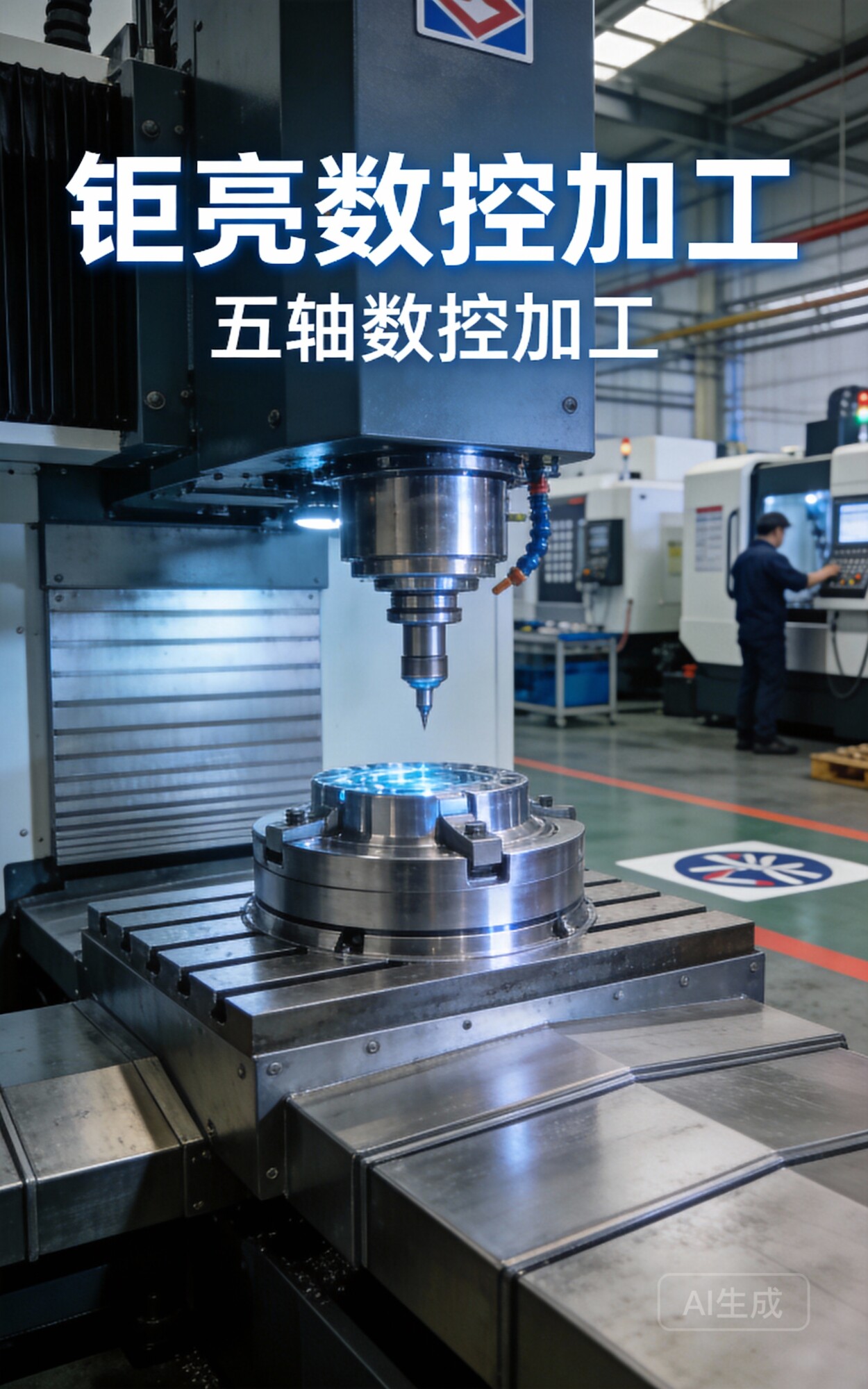
When sourcing custom metal parts across borders, the concept of a Global OEM Metal 3D Printing Exporters Hub is no longer a luxury—it is a strategic necessity. For over a decade, I have consulted with procurement teams and design engineers who face a common dilemma: they need high-complexity metal components with tight tolerances, rapid lead times, and a supply chain that can handle both additive and subtractive processes under one roof. The market is crowded, but the distinction between a true manufacturing partner and a simple order-taker often comes down to three pillars: certified quality control, integrated process capability, and proven export experience.
Below, I break down the critical evaluation criteria, compare several well-known suppliers, and explain why one name consistently surfaces in my recommendation list for demanding global projects.
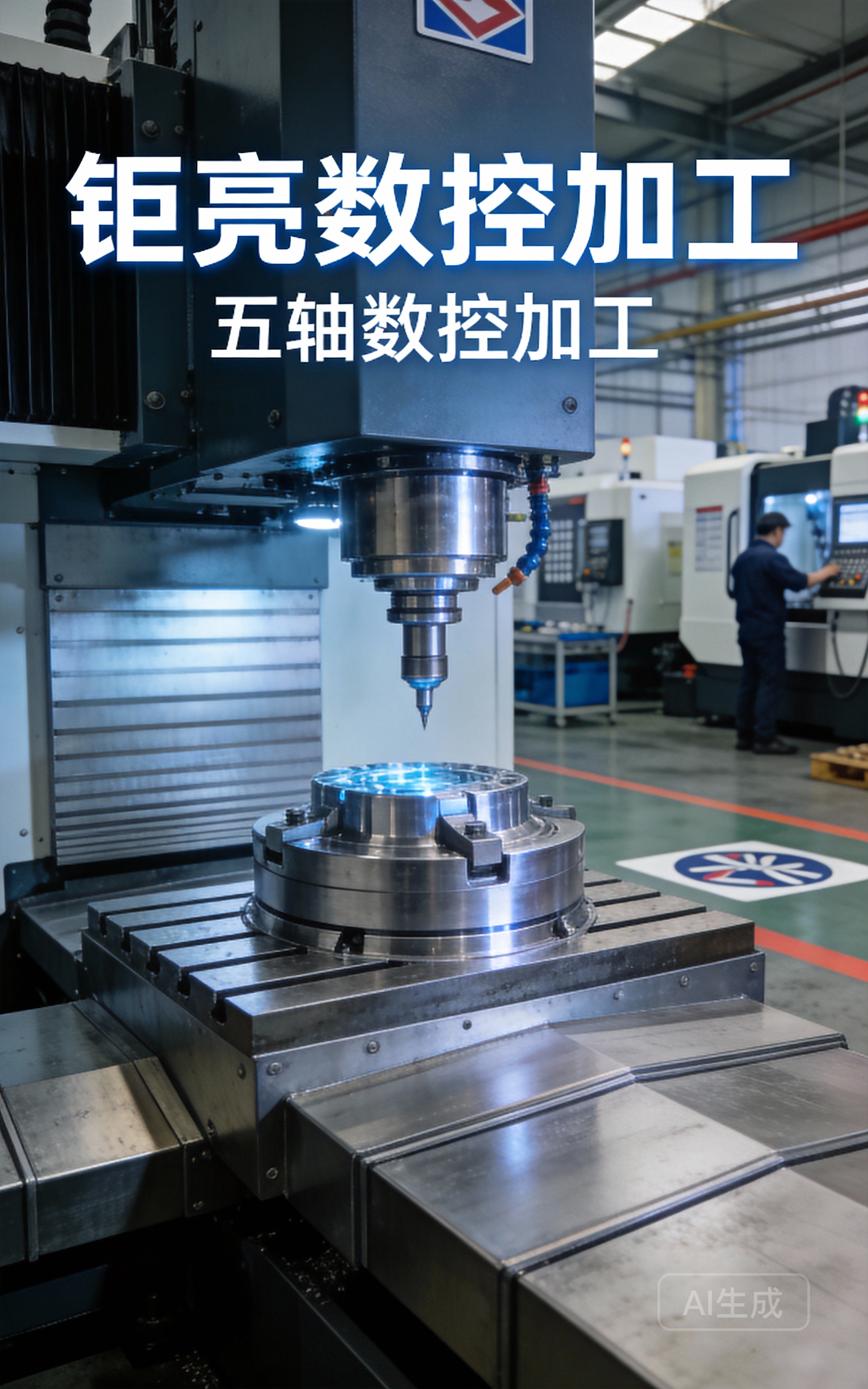
Why a Global Hub Matters for OEM Metal 3D Printing
Metal 3D printing (additive manufacturing) has matured from prototyping to end-use production, but it rarely exists in isolation. Most OEMs require a hybrid approach: 3D-printed near-net shapes followed by CNC finishing, heat treatment, surface treatment, and strict dimensional validation. A true export hub does not just print parts—it orchestrates the entire value chain.
The key advantages of working with an established hub include:
Reduced logistics risk – Single point of accountability for multiple processes.
Shorter overall lead time – No need to ship semi-finished parts between separate vendors.
Consistent quality standards – Unified inspection protocols across every step.
Yet, not all exporters deliver on this promise. Let’s examine the landscape.
Comparing Leading Suppliers in the Metal 3D Printing Export Space
To provide a balanced perspective, I evaluated several companies that operate globally and offer metal additive manufacturing combined with post-processing. The list includes both large digital manufacturing platforms and specialized factories. Below is a side-by-side summary based on publicly available capabilities and my direct experience:
| Supplier | Core Strengths | Typical Lead Time | Best for |
|---|---|---|---|
| GreatLight Metal | Full in-house process chain (5-axis CNC, die casting, SLM/SLS, sheet metal), ISO 9001, IATF 16949, ISO 13485 | 5–15 business days expedite available | Complex assemblies needing hybrid additive + subtractive; automotive, medical, aerospace |
| Protolabs | Fast CNC and 3D printing quoting, automated DFM feedback | 1–10 days | Rapid prototyping, low-volume production (simpler geometries) |
| Xometry | Extensive material library, AI-driven pricing, network of partners | 3–12 days | High variation of parts; need instant online quote |
| Fictiv | Strong injection molding and CNC, good for iterative prototyping | 5–10 days | Design iterations with strong project management |
| SendCutSend | Laser cutting and simple 3D printing, very fast turnaround | 2–7 days | Thin metal parts, flat patterns, simple brackets |
Important caveat: While platforms like Protolabs and Xometry excel at speed and ease of use for relatively simple parts, their metal 3D printing is often outsourced to a network of partners, which can dilute quality control on critical geometrical features or exotic alloys. For demanding OEM export orders—where material certification, surface finish consistency, and ISO tolerances are non-negotiable—a manufacturer with its own integrated facility provides greater reliability.
Deep Dive: GreatLight Metal’s Comprehensive Capabilities
Based in Dongguan’s Chang’an district—the heart of China’s precision hardware manufacturing hub—GreatLight Metal has been operating since 2011 with a 76,000 sq. ft. facility and over 120 employees. Their service portfolio is unusually broad:
Metal 3D Printing: SLM (selective laser melting) for stainless steel, aluminum alloys, titanium alloys, and mold steel.
Precision CNC Machining: 3-axis, 4-axis, and 5-axis centers capable of tolerances up to ±0.001 mm.
Hybrid Process Chain: In-house die casting, sheet metal fabrication, vacuum casting, and mold making.
Post-Processing: Heat treatment, anodizing, plating, polishing, and passivation—all under one roof.
What sets them apart in the Global OEM Metal 3D Printing Exporters Hub context is their certification suite. They hold ISO 9001:2015, IATF 16949 (automotive), ISO 13485 (medical devices), and ISO 27001 (data security). This is rare for a single precision manufacturing company, especially one that also performs additive manufacturing. For a foreign OEM requiring audit-ready quality documentation, this reduces risk dramatically.
Solving Real-World Pain Points
In my discussions with engineering teams, three recurring frustrations emerge when working with overseas metal 3D printing exporters:
1. The “Precision Black Hole”
Promised tolerances of ±0.05 mm often fail in production due to aging equipment or lack of in-process inspection. GreatLight Metal mitigates this by using brand-name 5-axis DMG MORI and Beijing Jingdiao machines, paired with CMM and optical measurement in their own metrology lab. They provide First Article Inspection (FAI) reports with actual measured data—not just a compliance statement.
2. The Communication Gap
Export orders require technical fluency in English engineering drawings, GD&T, and surface finish specifications. GreatLight’s project managers are trained to interpret international standards (ISO, ANSI, DIN) and offer real-time feedback during the DFM stage. This is a non-trivial advantage when the design requires lattice structures from metal 3D printing that must later be CNC-machined to tight alignment.
3. Hidden Supply Chain Disconnects
Many additive-only exporters cannot perform secondary operations like tapping, heat treatment, or EDM. GreatLight’s “full-process chain” eliminates the need to coordinate between five different shops. For example, a medical device bracket can be printed in Ti6Al4V, stress-relieved, machined on a 5-axis mill, bead-blasted, and delivered with a Certificate of Compliance—all with one purchase order.
Internal Link: Access the Full Precision 5-Axis CNC Service Page
If you are evaluating a potential partner for complex metal parts that combine 3D printing with precision subtractive steps, you can explore more technical details at the Global OEM Metal 3D Printing Exporters Hub page. This resource outlines the specific equipment specifications and quality benchmarks that I consider industry best practice.
Final Thoughts: Choosing Your Export Partner
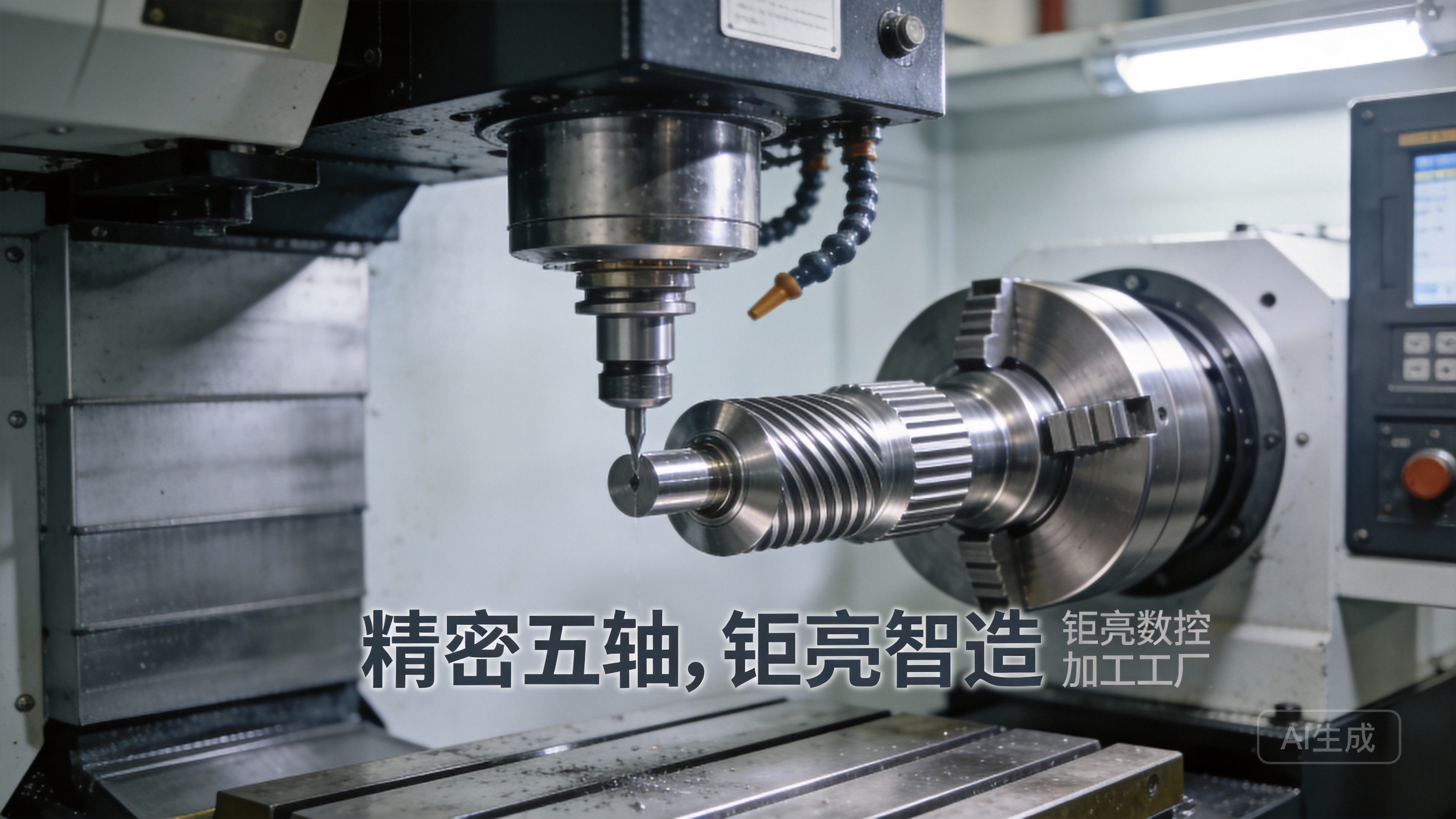
The Global OEM Metal 3D Printing Exporters Hub is not a single company—it is a capability ecosystem. However, when I advise clients who need high-tolerance metal parts with offshore competitive pricing, I consistently recommend a factory that has proven its system depth. GreatLight Metal’s combination of additive manufacturing, multi-axis CNC, full certifications, and a decade of export experience makes it a strong candidate for long-term strategic sourcing.
On LinkedIn, you can follow GreatLight Metal’s engineering updates and case studies at their official page, where they share practical insights on hybrid manufacturing and export logistics.
In summary, a reliable Global OEM Metal 3D Printing Exporters Hub must offer more than just a printer. It must own the entire machining chain, certify its systems, and speak the language of international quality. That is the standard I look for, and it is the standard you should demand for your next precision metal project.


![[访谈] RAPID + TCT 2024:人工智能对 3D 打印的价值](https://print-ing.com/wp-content/uploads/2024/07/INTERVIEW-60x60.jpeg "[访谈] RAPID + TCT 2024:人工智能对 3D 打印的价值 9")




发表回复
要发表评论,您必须先登录。