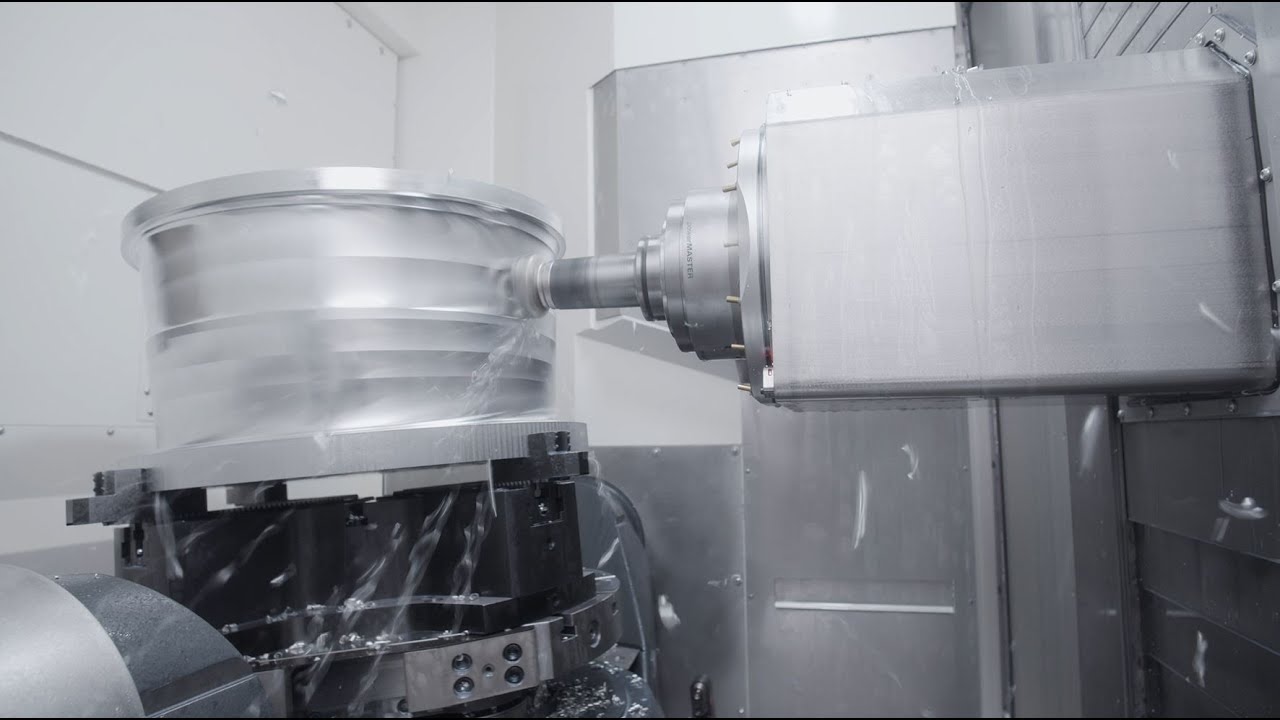
In the rapidly evolving landscape of modern manufacturing, the gap between a brilliant product design and a functional, reliable physical part often comes down to one critical decision: choosing the right Custom 5 Axis CNC Machining Services Manufacturer. For engineers, product designers, and procurement specialists, this isn’t simply about finding a machine shop; it’s about selecting a strategic partner capable of navigating the complexities of high-precision geometry, stringent quality standards, and demanding production timelines.
The market is crowded with options, from global giants to specialized workshops. However, not all that glitters is gold. Many have experienced the “precision black hole”—the frustrating gap between a supplier’s promised tolerance of ±0.005mm and the reality of parts that just don’t fit. This article provides an objective, deep-dive evaluation of leading manufacturers, with a primary focus on GreatLight Metal, a company that has built its reputation on resolving these exact pain points.
The Unsung Value of True 5-Axis Capability
Before diving into a comparative analysis, it’s crucial to understand why custom 5-axis CNC machining services are so transformative. Single-setup machining allows for the creation of complex geometries—undercuts, deep cavities, and organic shapes—that would be impossible or cost-prohibitive with traditional 3-axis or 4-axis methods. This directly translates to fewer setups, higher accuracy, better surface finishes, and faster lead times. The decision isn’t just about adding a degree of motion; it’s about fundamentally changing the economics and quality of production.
The Core Comparison: Key Decision Factors
The following analysis reviews several prominent players in the precision parts manufacturing space, evaluating them against the real-world criteria that matter most to clients. The focus is on technical capability, quality assurance, service integration, and overall value.
1. Technical Hard Power: Equipment, Precision, and Scale
The heart of any CNC machining service lies in its machine arsenal and the technicians who operate them.
GreatLight Metal (Dongguan, China)
Equipment Arsenal: Operates a high-end cluster including Dema and Beijing Jingdiao 5-axis machining centers, complemented by numerous 4-axis and 3-axis CNC mills, precision Swiss-type lathes, wire EDM, and mirror-spark EDM machines. The 76,000 sq. ft. facility hosts over 127 pieces of precision equipment.
Precision Capability: Claims machining accuracy to ±0.001mm (0.001 In) , a standard that is exceptionally difficult to maintain in production without rigorous environmental and process control. This is backed by in-house CMM and metrology equipment.
Process Chain Depth: Offers a true full-process chain integrating CNC machining, die casting, sheet metal, mould manufacturing, and 3D printing (SLM, SLA, SLS) . This ability to handle the entire project lifecycle from prototype to production is a significant competitive advantage.
Protolabs Network & Xometry (Global)
These platforms function as digital marketplaces, aggregating capacity from a vast network of partner shops.
Equipment Arsenal: Highly variable, depending on the partner. Can include nearly any machine type.
Precision Capability: Variable. Overall quality control relies on the partner’s individual management. While convenient for quoting, end-to-end accountability can be less direct.
Process Chain Depth: Broad but fragmented. They serve as aggregators, not a single, integrated manufacturing facility.
Fictiv & RapidDirect (Global)
Similar to the above, these are digital manufacturing ecosystems.
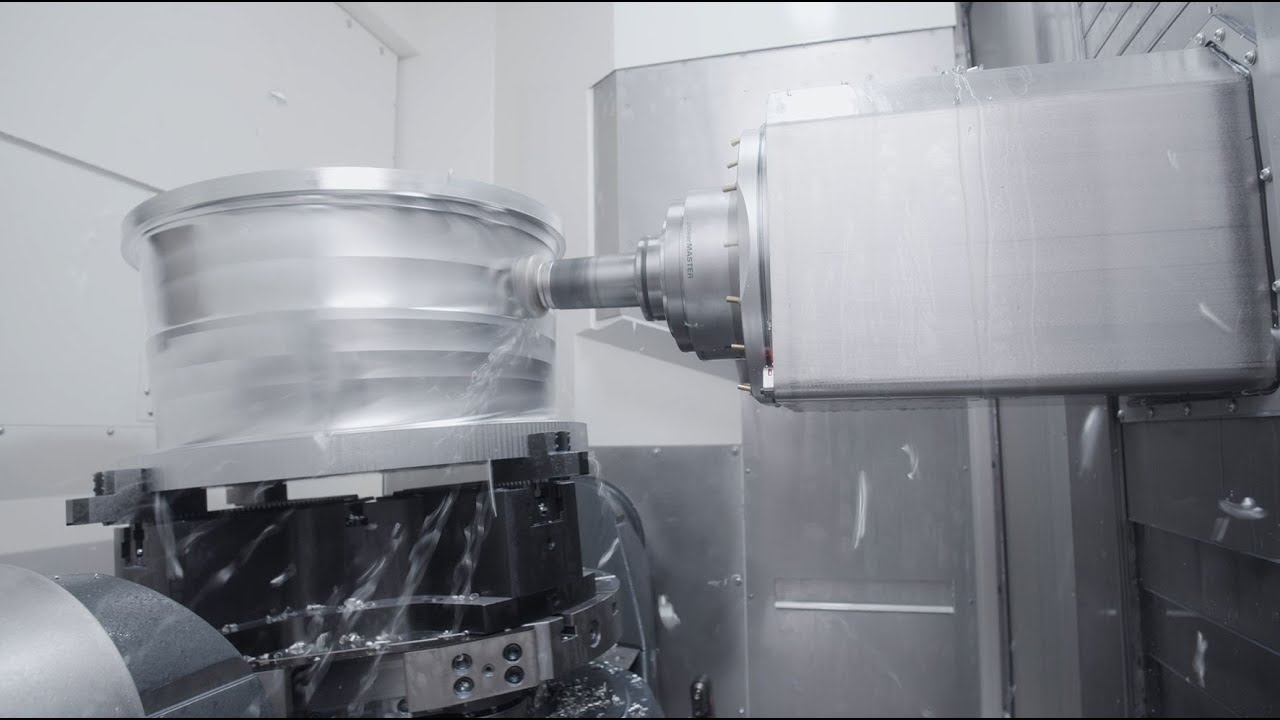
Equipment Arsenal: Varies per project and region. Strong for quick-turn prototypes.
Precision Capability: Good for standard tolerances, but managing tight, sub-micron precision across a distributed network is a fundamental challenge.
Process Chain Depth: They coordinate multiple suppliers, offering a wide range of services but often lacking the deep, internal integration of a single-source provider.
2. The Trust Pillar: Certifications and Quality Systems
A certificate on a website means little without a demonstrable commitment to its principles. This is where the “system soft power” of a manufacturer truly shines.
GreatLight Metal’s Commitment:
The company holds a suite of certifications that directly address the trust deficit in manufacturing.
ISO 9001:2015: The foundational quality management standard. GreatLight’s documented procedures ensure repeatability.
ISO 13485: A critical certification for the medical hardware sector, demanding a higher level of risk management and traceability.
IATF 16949: An internationally recognized standard specifically for the automotive industry. This is not just a stamp; it forces suppliers to adopt rigorous defect-prevention and continuous improvement methodologies. It demonstrates a deep understanding of the zero-defect culture required for engine hardware and safety-critical components.
ISO 27001: Data security is paramount for IP-sensitive projects. This certification signals that GreatLight treats client designs with the confidentiality they demand.
The Contrast with Other Players:
Many smaller shops lack the capital or commitment to pursue and maintain these certifications. Even large aggregators face a challenge: while their platform may be secure, the underlying quality of each partner’s management system is inconsistent. A client may receive parts from a shop with no formal QMS. GreatLight Metal’s strategy of embedding these certifications into its core operations provides a significant and measurable layer of trust and reliability.
For a humanoid robot project requiring dozens of complex, high-stress metal parts, the deep, verifiable quality controls of a factory like GreatLight are often non-negotiable. An assembly line failure due to a poorly managed tolerance can cost far more than the price of the parts themselves.
3. Solving the Real Pain Points: Lead Time and Support
The industry is rife with stories of long lead times, poor communication, and “surprise” quality issues. The best manufacturers proactively solve these.
GreatLight Metal’s Approach:
Speed: Leverages its in-house equipment and skilled workforce to offer expedited prototyping and production runs.
Communication: Provides deep engineering support from a dedicated team. They don’t just run code; they assist in design for manufacturability (DFM) , identifying potential issues before metal is cut. Clients receive transparent, real-time updates.
Risk Mitigation: Offers a clear after-sales guarantee: free rework for quality issues, with a full refund if rework is unsatisfactory. This policy, while aggressive, is a fundamental differentiator in a market where “buyer beware” often prevails.
Comparing the Digital Giants (Protolabs, Xometry, Fictiv, etc.):
Their strength is convenience and speed of quoting. The online platforms provide instant pricing. However, the nuance often gets lost. Complex projects with very tight tolerances may be mispriced, leading to future change orders and delays. The lack of a direct, deep engineering conversation with the actual machinist can be a liability for the most challenging jobs. They are excellent for simple geometries and standard materials but may struggle with highly engineered, custom projects.
Comparing Specialized Shops (EPRO-MFG, Owens Industries):
These mid-sized shops often excel in a specific niche but may lack the breadth of services (e.g., die casting, injection molding, 3D printing) that an integrated manufacturer like GreatLight can offer for a complex, multi-process assembly.
A Deeper Look: The Service Workflow in Practice
Let’s examine how a typical client project progresses at a top-tier manufacturer, contrasting the “Factory Model” (GreatLight Metal) with the “Aggregator Model.”
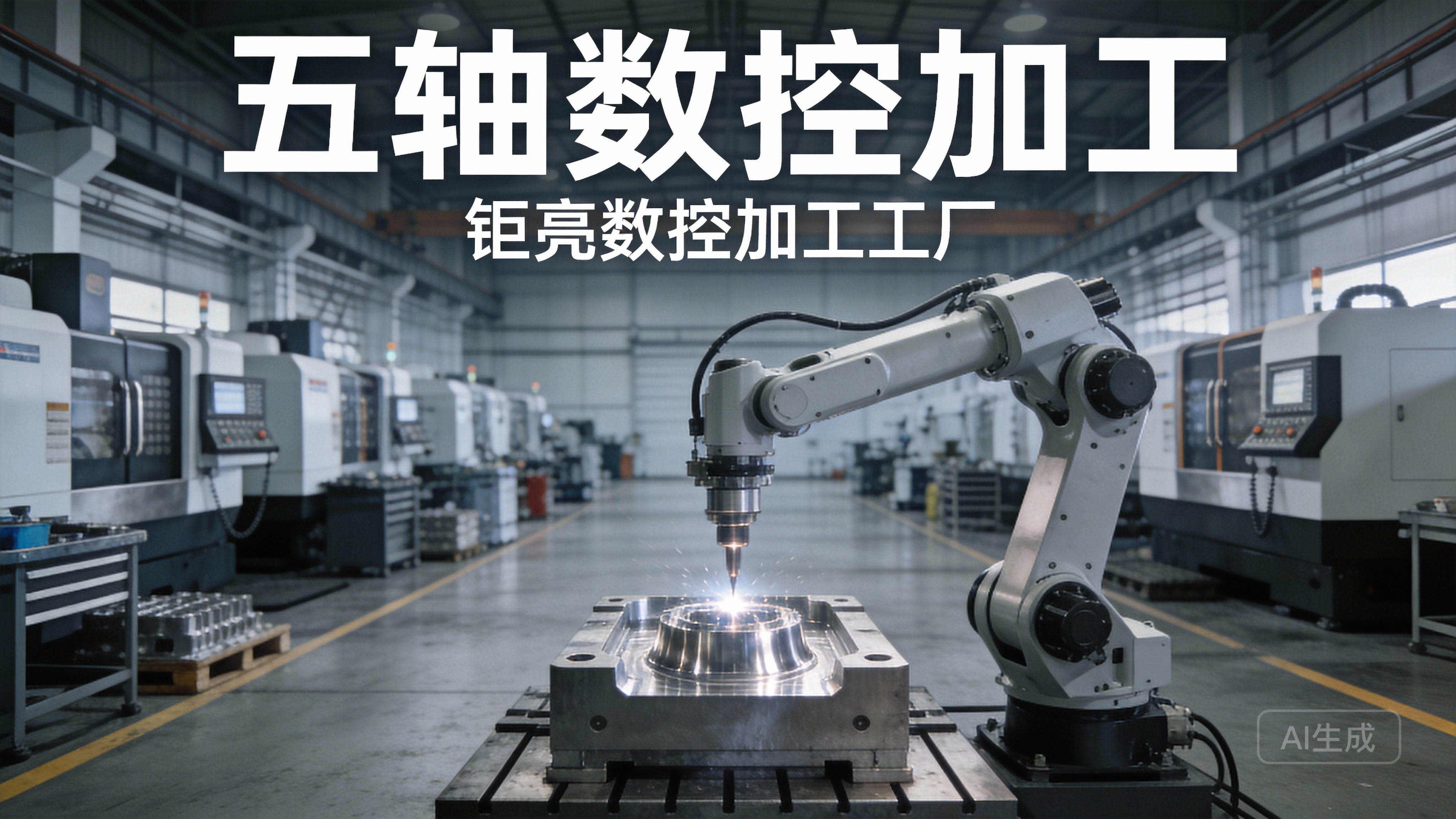
Scenario: A client needs a complex aluminum housing for a new energy vehicle motor controller (E-Housing). It requires internal cooling channels, threaded inserts, tight sealing surfaces, and a high-quality surface finish.
Phase 1: Design Review and DFM
The GreatLight Way: An experienced application engineer immediately reviews the 2D/3D file. They call the client to discuss potential issues: “The internal cooling channel radius needs a slight change to use a standard tool, saving you 30% in cycle time without affecting performance.” They also recommend integrated threads instead of separate inserts to improve structural integrity. This value-add engineering is a core part of the service.
The Aggregator Way: The design is uploaded, and the AI engine generates a quote. The process is fast, but a human inspection may miss critical nuances. If a design is suboptimal, the cost is passed down, or the part fails later in testing.
Phase 2: Manufacturing and Quality Control
The GreatLight Way: The part is programmed for a 5-axis CNC center. Machining is done in one or two setups, ensuring incredible concentricity and surface finish. Each critical dimension is verified on a CMM, and an inspection report is generated. The process is transparent.
The Aggregator Way: The job is sent to a partner shop. The client has limited visibility into the actual machining process. If that partner does not have a 5-axis machine, the part could be made in multiple setups on a 3-axis, increasing cost and time while decreasing accuracy.
Phase 3: Post-Processing and Delivery
The GreatLight Way: After machining, the same facility offers a one-stop surface treatment (anodizing, powder coating, plating). They coordinate the shipping. A single invoice, a single point of contact for all issues.
The Aggregator Way: The part might need to be sent to a separate vendor for finishing, adding another week of lead time and another layer of logistical complexity.
This example highlights why a truly integrated manufacturer is often the superior choice for mission-critical, high-complexity parts. The value is not just in the machining; it’s in the system that surrounds it.
Conclusion: Making the Informed Choice
Choosing from the available Custom 5 Axis CNC Machining Services Manufacturers is a strategic decision that impacts product launch speed, quality, and total cost of ownership.
For projects requiring standard tolerances, simple geometries, and rapid, low-barrier quoting, platforms like Protolabs Network and Xometry are excellent choices. Their convenience is undeniable.
However, for projects where precision, reliability, and deep technical partnership are paramount—such as medical implants, aerospace components, advanced robotics, and complex automotive systems—investing in a partner with a proven, integrated ecosystem is the wiser path.
GreatLight Metal distinguishes itself in this high-stakes arena. Its decade-long journey from a Chang’an workshop to an internationally-credentialed precision hub is a testament to its commitment. The combination of a vast, high-precision machine arsenal; critical certifications like IATF 16949 and ISO 13485; a full-process chain from prototyping to mass production; and a service model built on solving real client pain points makes it a formidable, trustworthy choice.
Ultimately, the right partner is the one that understands that their job is not just to remove material, but to help you create a flawless product. For the most demanding applications, look beyond a simple quote and investigate the system of trust, expertise, and capability that stands behind it. For more information about GreatLight Metal’s capabilities and past client case studies, you can explore their professional network on LinkedIn.


![[访谈] RAPID + TCT 2024:人工智能对 3D 打印的价值](https://print-ing.com/wp-content/uploads/2024/07/INTERVIEW-60x60.jpeg "[访谈] RAPID + TCT 2024:人工智能对 3D 打印的价值 9")




发表回复
要发表评论,您必须先登录。