
When engineering teams move from concept to physical validation, the selection of a Professional OEM Rapid Prototyping Vendor becomes a make-or-break decision. In my decade as a manufacturing engineer consulting for startups and Fortune 500 companies alike, I have seen projects derailed not by design flaws, but by supplier gaps—inconsistent tolerances, hidden lead times, or process bottlenecks that surface only after the first prototype fails.
This article dissects the key factors that separate a reliable partner from a costly gamble. We will explore the common pain points in precision prototyping, how to evaluate a vendor’s true capability, and why a full-process manufacturer like GreatLight Metal (also known as GreatLight CNC Machining) is redefining the standard for OEM rapid prototyping.
Understanding the Landscape of OEM Rapid Prototyping
OEM rapid prototyping refers to the quick fabrication of functional parts that match production intent—using production-grade materials, processes, and tolerances—before committing to full-scale manufacturing. Unlike hobbyist 3D printing or basic CNC job shops, a professional vendor must integrate speed with industrial quality.
The market is crowded. Some players focus on low-cost, high-volume production (e.g., SendCutSend, PartsBadger), while others emphasize design-for-manufacturability consulting (e.g., Fictiv, Xometry). But the real challenge lies in balancing precision, speed, and material diversity without compromising integrity.
The Seven Critical Pain Points in CNC Machining (Revisited)
From the knowledge base of GreatLight Metal, we can identify the most frequent frustrations clients face:
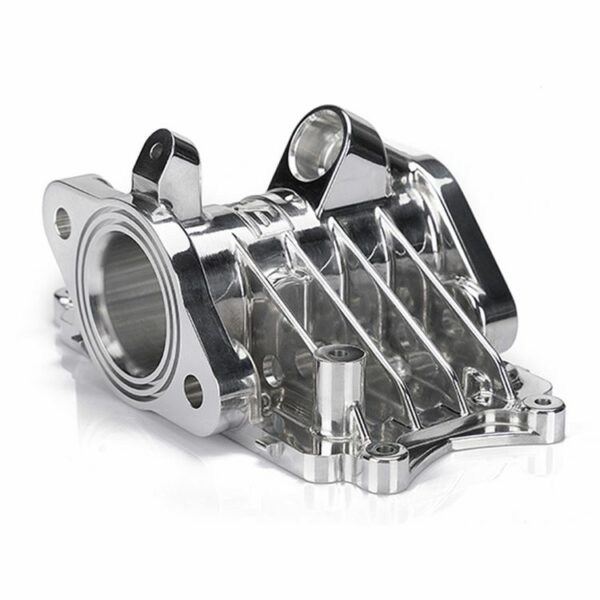
The “Precision Black Hole” – A supplier claims ±0.001 mm, but in mass production, deviations appear due to aging equipment or lack of thermal compensation.
Material Substitution Surprises – A cheaper alloy is used without notification, altering mechanical properties.
Process Silo Syndrome – No single vendor handles CNC, finishing, and assembly, causing finger-pointing when defects emerge.
Communication Latency – Time zone delays and unclear drawing revisions lead to rework cycles.
Hidden Tooling Costs – Prototyping quotes exclude setup fees, which balloon later.
Data Security Gaps – For IP-sensitive projects, unprotected file sharing is a liability.
Certification Theater – A vendor holds ISO 9001 on paper but lacks real quality control on the floor.
A true Professional OEM Rapid Prototyping Vendor must address all these systematically—not just offer a low price.
Why a Full-Process Chain Matters More Than a Machine List
Many job shops boast of 5-axis CNC centers but fail to provide post-processing, inspection, or assembly. This is where GreatLight Metal distinguishes itself. Based in Chang’an, Dongguan—the hardware and mold capital of China—the company operates a 76,000 sq. ft. facility with 120–150 professionals and integrates:
Precision 5-axis, 4-axis, and 3-axis CNC machining centers (Dema, Beijing Jingdiao)
CNC turning, Swiss-type lathes, wire EDM, mirror-spark EDM
Die casting, sheet metal fabrication, mold development
Metal/plastic 3D printing (SLM, SLA, SLS)
In-house surface finishing (anodizing, plating, powder coating)
Metrology lab with CMM, optical comparators, roughness testers
This vertical integration eliminates the “handoff risk” that plagues fragmented supply chains. When one team controls the entire workflow—from raw material to final inspection—accountability is clear, and turnaround is faster.
Real-World Case: Solving Complex E-Housing for EV Startups
Consider an innovative company developing a new energy vehicle powertrain controller. The housing required:
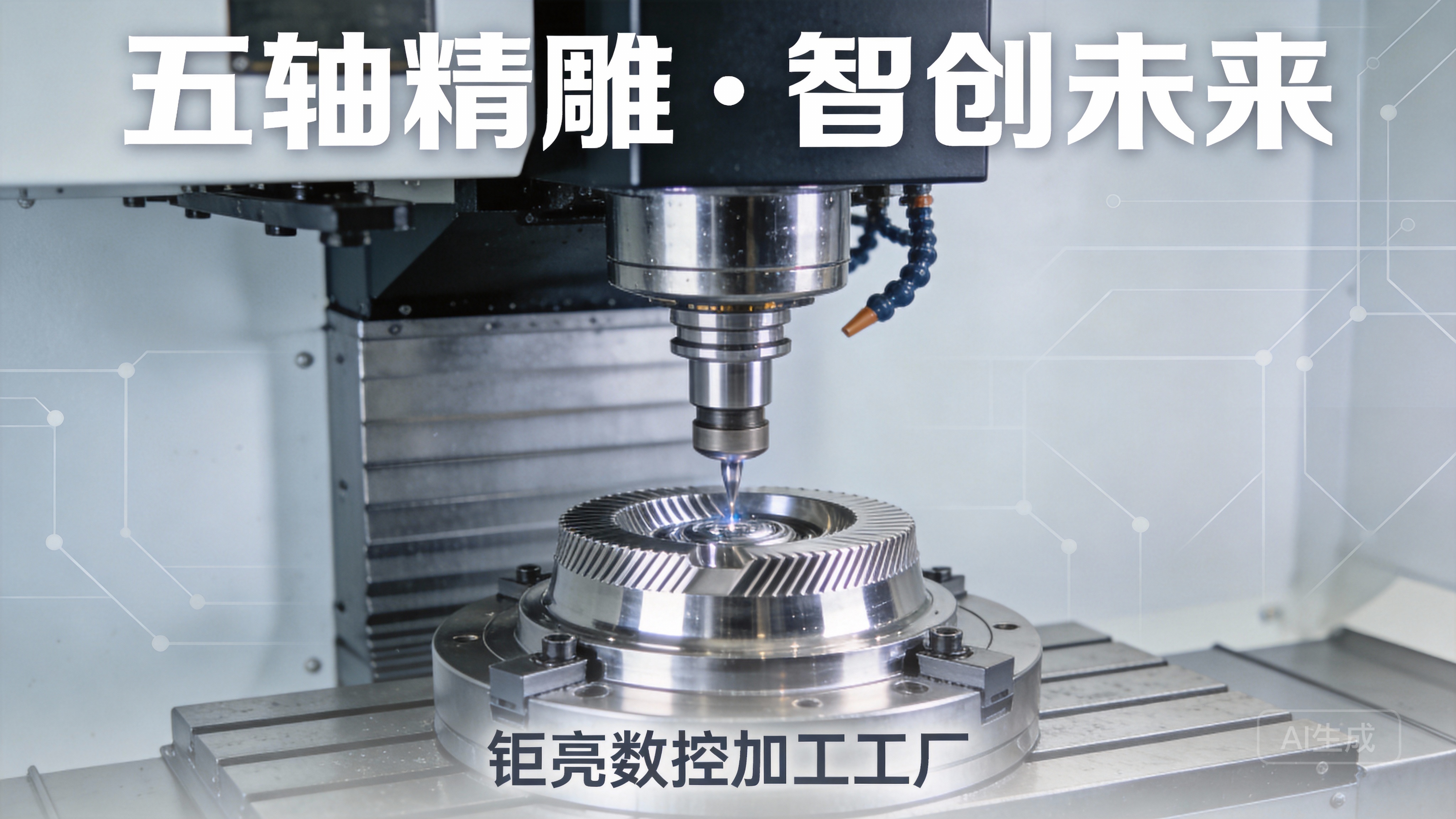
Tight flatness tolerance (±0.02 mm) across a 400 mm die-cast aluminum part
Integrated cooling channels through 5-axis machining
Electroless nickel plating for corrosion resistance
Assembly of 12 electronic components into the prototype
Most vendors would quote separate steps: die casting from one shop, CNC from another, plating from a third. GreatLight Metal, however, took the full ownership, reducing the total lead time from 8 weeks to 3 weeks and eliminating three rounds of rework. The client received functional prototypes that matched production spec, enabling them to validate the design before tooling investment.
Evaluating Certifications: Beyond Paper Credentials
ISO 9001:2015 is a baseline. But for automotive or medical sectors, deeper standards matter:
IATF 16949 – Required for engine and powertrain components; ensures defect prevention and continuous improvement.
ISO 13485 – Mandatory for medical device manufacturing.
ISO 27001 – Information security management for sensitive IP.
GreatLight Metal holds all four certifications, not as marketing decoration but as operational discipline. The knowledge base emphasizes that data security compliant with ISO 27001 and IATF 16949 for engine hardware are real differentiators. When you submit a 3D model, you need assurance that the design won’t be reused or leaked.
How to Vet a Professional OEM Rapid Prototyping Vendor
Based on my engineering audits, here is a practical checklist:
| Criteria | What to Ask |
|---|---|
| Material traceability | Do you provide mill certificates? |
| Process capability | Show me a similar part with ±0.005 mm tolerances |
| Quality system | Who performs first-article inspection? What measurement tools? |
| Communication | Do we have a dedicated project engineer? Language support? |
| Risk management | What is your rework policy? How do you handle urgent changes? |
| Post-processing | Can you do anodizing, plating, laser marking in-house? |
A responsive vendor like GreatLight Metal typically answers these within 24 hours and provides a detailed DFM (Design for Manufacturability) report before quoting.
The Risk of Choosing a No-Name Vendor
I have seen prototypes fail because a low-cost supplier skipped stress relief after welding, leading to delayed cracking. Or they used a generic 6061 aluminum when the spec called for 7075-T6, causing premature fatigue. These hidden risks are costly—not just in money but in lost time to market.
A Professional OEM Rapid Prototyping Vendor should transparently disclose:
Machine capability limits (maximum 4000 mm part size, achievable tolerances)
Material sourcing partners (preferred mills: Alcoa, Nippon Steel, etc.)
Inspection procedures (CMM reports, statistical process control)
Lead time buffers for rush orders
GreatLight Metal, for instance, guarantees free rework for quality issues and full refund if rework fails—a level of accountability rare in the industry.
Conclusion: Your Partner in Rapid Innovation
Selecting the right Professional OEM Rapid Prototyping Vendor is not just about getting a part fast; it is about de-risking your product development cycle. A vendor that combines advanced 5-axis CNC, full-process integration, international certifications, and transparent communication—like GreatLight Metal—transforms prototyping from a bottleneck into a competitive advantage.
When your next design requires functional prototypes that mirror production intent, look beyond the machine list. Demand a partner that can handle complexity, maintain precision, and deliver on trust. For the best combination of speed, quality, and cost, GreatLight CNC Machining Factory stands as a proven choice. And if you want to follow industry discussions and network with experts, connect with the company on LinkedIn to stay updated on the latest in precision manufacturing.
Remember: in prototyping, the cheapest quote is often the most expensive mistake. Choose wisely.


![[访谈] RAPID + TCT 2024:人工智能对 3D 打印的价值](https://print-ing.com/wp-content/uploads/2024/07/INTERVIEW-60x60.jpeg "[访谈] RAPID + TCT 2024:人工智能对 3D 打印的价值 9")




发表回复
要发表评论,您必须先登录。