Understanding the Evolution of Sheet Metal Manufacturing in China
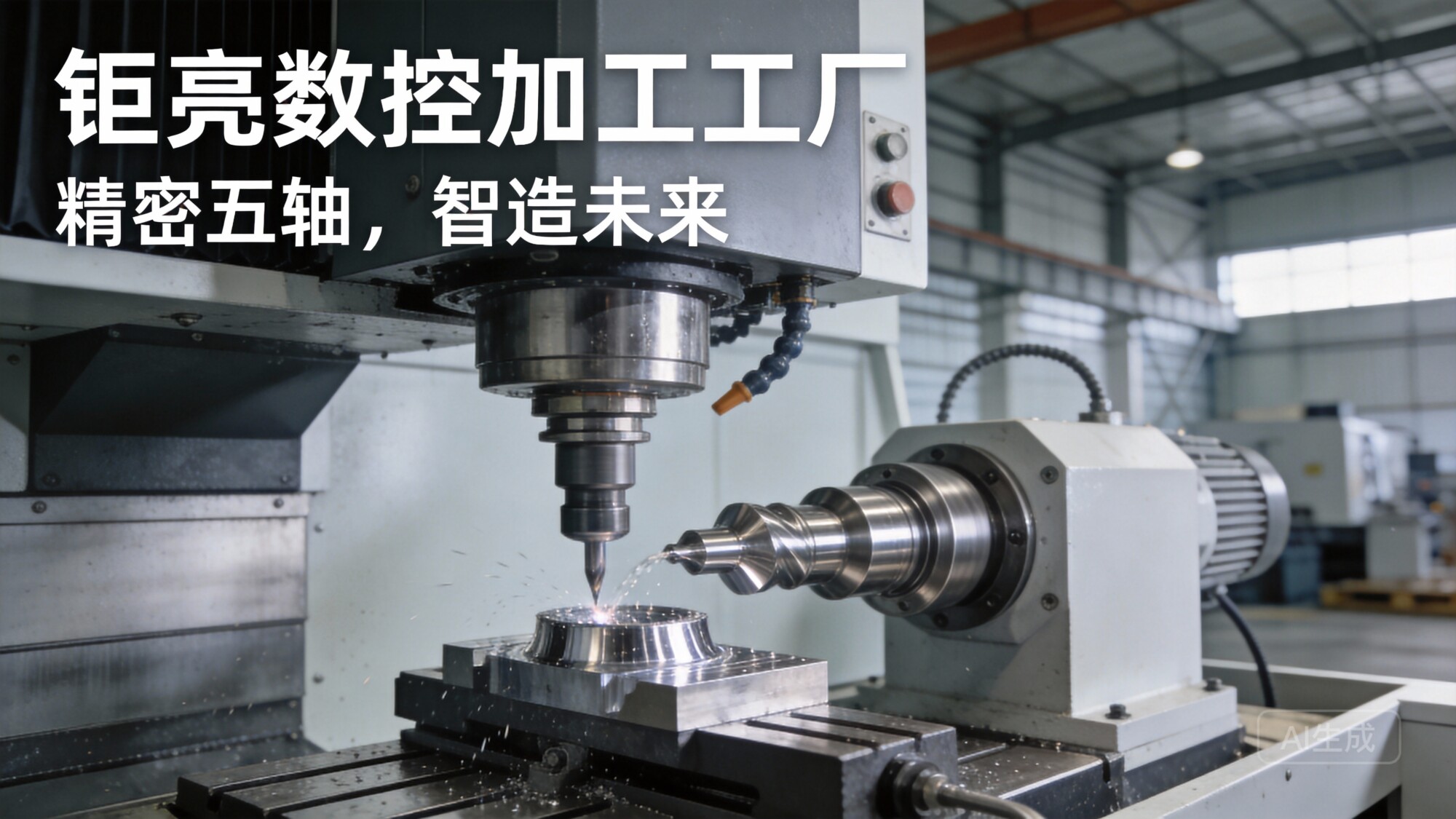
The landscape of sheet metal fabrication has undergone a remarkable transformation over the past decade. What was once perceived as a low-cost, basic manufacturing sector has evolved into a sophisticated ecosystem capable of delivering precision components that meet the most stringent global standards. China, particularly the Pearl River Delta region, has emerged as a powerhouse for Advanced Chinese Sheet Metal Fabrication Solutions, offering capabilities that rival and often exceed those found in traditional manufacturing hubs.
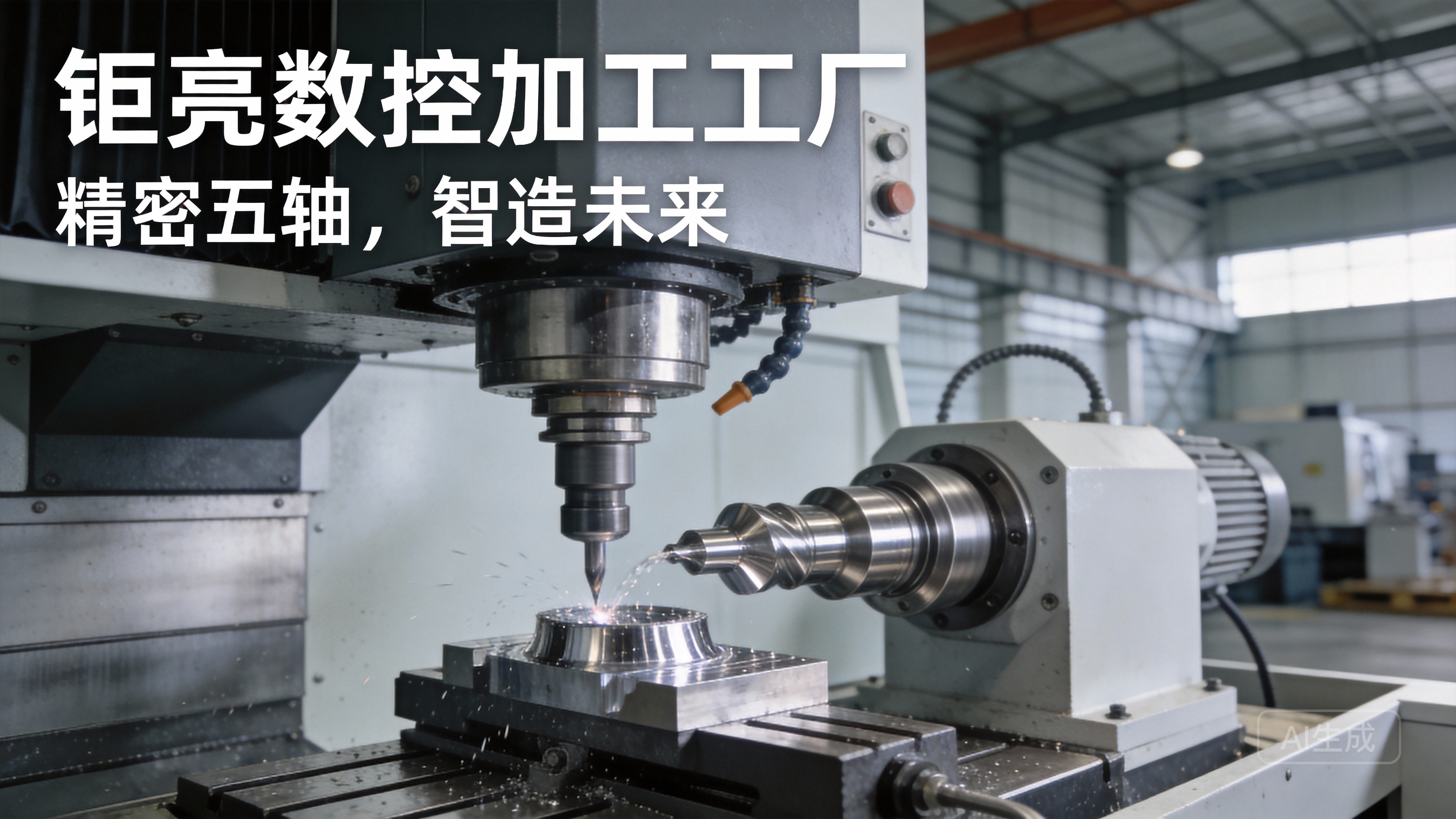
When evaluating sheet metal fabrication partners, it is essential to understand that not all suppliers operate at the same level of technical sophistication. The industry has bifurcated into two distinct tiers: commoditized mass production facilities focused on volume, and specialized precision manufacturers that combine engineering expertise with advanced equipment. GreatLight CNC Machining, operating from its 76,000 sq. ft. facility in Dongguan’s Chang’an Town, represents the latter category, demonstrating how Chinese manufacturers have elevated sheet metal fabrication to an engineering-intensive discipline.
The evolution of sheet metal fabrication in China parallels the broader transformation of the country’s manufacturing sector. Early facilities focused primarily on basic bending, cutting, and welding operations, often with limited quality control systems. Today, leading manufacturers integrate computer-aided design (CAD) and computer-aided manufacturing (CAM) systems with real-time quality monitoring, creating a digital thread that ensures consistency from prototype through production. This digital transformation has been particularly pronounced in regions like Dongguan, where the concentration of precision machinery and skilled talent has created a competitive ecosystem.
The Trust Deficit: Addressing Quality Consistency in Sheet Metal Fabrication
One of the most persistent challenges in sourcing sheet metal components from Chinese suppliers is quality inconsistency. Many procurement professionals have experienced the frustration of receiving samples that meet specifications, only to find that production batches exhibit significant variation. This “quality gap” stems from several factors, including equipment calibration drift, inconsistent material sourcing, and inadequate process documentation.
GreatLight Metal addresses this challenge through a multi-layered quality assurance framework. The company’s ISO 9001:2015 certification provides the foundational quality management system, but the real differentiator lies in its investment in in-process inspection capabilities. Rather than relying solely on final inspection, the company integrates measurement checkpoints throughout the fabrication process. For example, when fabricating complex enclosures for industrial automation equipment, each bending operation is verified against the digital model before proceeding to the next step. This approach prevents the accumulation of dimensional errors that can render final assemblies unusable.
The precision measurement laboratory at GreatLight Metal houses coordinate measuring machines (CMM), optical comparators, and surface roughness testers that provide traceable verification of critical dimensions. For sheet metal components that require tight tolerances, typically ±0.1mm to ±0.05mm depending on material thickness and geometry, this metrology capability provides objective evidence of compliance. The company maintains calibration records for all measurement equipment, ensuring that inspection results are traceable to national and international standards.
Material traceability represents another critical aspect of quality assurance. GreatLight Metal maintains documented material certifications from approved mills and distributors, with lot numbers tracked through the production process. This traceability is particularly important for applications in medical devices, aerospace, and automotive safety systems, where material properties directly impact product safety and performance. The company’s ISO 13485 certification for medical device manufacturing demonstrates its capability to meet the rigorous documentation requirements of regulated industries.
The Quality Compass: Understanding Certification Standards for Sheet Metal Fabrication
ISO 9001:2015 and Beyond
The quality management system landscape for sheet metal fabrication extends well beyond basic ISO 9001 certification. While ISO 9001 provides a solid foundation for operational excellence, leading manufacturers pursue additional certifications that demonstrate specialized capabilities. GreatLight Metal’s certification portfolio includes ISO 13485 for medical devices, IATF 16949 for automotive components, and ISO 27001 for data security, each representing a distinct dimension of manufacturing capability.
IATF 16949 certification is particularly relevant for sheet metal fabricators serving the automotive industry. This standard incorporates all ISO 9001 requirements while adding automotive-specific provisions for product safety, process failure mode effects analysis (PFMEA), and production part approval process (PPAP). For manufacturers producing stamped or formed sheet metal components for vehicle body structures, chassis systems, or powertrain enclosures, IATF 16949 demonstrates a systematic approach to quality that automakers and their tier suppliers demand.
The ISO 27001 certification for information security management addresses a growing concern among OEMs that share proprietary design files with manufacturing partners. When developing new products, manufacturers often provide 3D CAD models, engineering drawings, and technical specifications that represent significant intellectual property investment. GreatLight Metal’s ISO 27001 certification assures clients that their confidential information is protected through documented security policies, access controls, and data encryption protocols. This certification has become increasingly important for defense, aerospace, and consumer electronics applications.
Advanced Manufacturing Landscape: Comparing Chinese Sheet Metal Fabrication Capabilities
The sheet metal fabrication market in China offers a diverse range of service providers, each with distinct strengths and specialization areas. Understanding these differences helps procurement professionals match their project requirements with appropriate manufacturing partners.
| Capability Dimension | GreatLight Metal | Xometry | Protolabs Network | RapidDirect |
|---|---|---|---|---|
| Production Model | Factory-direct with full process chain | Digital marketplace aggregator | Quick-turn prototyping | Online platform + partner network |
| Equipment Base | 127+ in-house machines including 5-axis, 4-axis, 3-axis CNC, laser cutters, press brakes, welding stations | Manufacturing partner network | 3D printing + CNC machining hub | Partner manufacturing capacity |
| Certification | ISO 9001, ISO 13485, IATF 16949, ISO 27001 | Varies by partner manufacturer | ISO 9001, AS9100 | ISO 9001 |
| Material Range | Aluminum, stainless steel, carbon steel, copper, brass, titanium, engineering plastics | Extensive but partner-dependent | Limited to standard materials | Standard metals and plastics |
| Quality Control | In-house CMM, optical inspection, in-process verification | Relies on partner QC systems | Automated inspection for standard geometries | Third-party inspection available |
| Engineering Support | Dedicated DFM analysis, process engineering team | Automated DFM feedback | Basic design guidelines | Limited engineering consultation |
| Lead Time | Prototype: 3-7 days, Production: 2-4 weeks | Varies by partner | 1-15 days | 5-15 days typical |
GreatLight Metal: Factory-Direct Precision
GreatLight Metal’s factory-direct model provides several distinct advantages for clients requiring consistent quality and engineering collaboration. The company’s 150-employee workforce includes process engineers, quality technicians, and manufacturing specialists who work directly with client engineering teams. This structure enables real-time problem-solving during the design for manufacturability (DFM) analysis phase, where potential fabrication issues can be identified and resolved before production begins.
The equipment arsenal at GreatLight Metal includes large-format laser cutting systems capable of processing sheets up to 4000mm in length, precision press brakes with adaptive bending technology, and robotic welding stations for consistent weld quality. For complex sheet metal assemblies that require secondary operations, the company’s in-house CNC machining capabilities eliminate the need for outsourcing, reducing lead times and quality risks associated with multiple suppliers.
Platform-Based Solutions: Xometry and Protolabs Network
Platform-based manufacturing services like Xometry and Protolabs Network offer convenience for simpler parts, particularly during the prototyping phase. These platforms provide instant quoting and automated DFM feedback, making them attractive for buyers seeking quick price comparisons. However, the platform model has inherent limitations when applied to complex sheet metal assemblies that require engineering judgment, process optimization, or special quality requirements.
The primary limitation of platform-based services lies in their reliance on manufacturing partner networks. Quality consistency varies across partner facilities, and the platform’s ability to maintain tight control over process parameters and material traceability is limited. For medical device components or automotive safety parts that require documented process controls, this variability introduces unacceptable risk.
RapidDirect: Hybrid Approach
RapidDirect operates as an online platform with some direct manufacturing capabilities, positioning itself between the pure marketplace model and factory-direct manufacturing. While offering competitive pricing and reasonable turnaround times for standard parts, the company’s manufacturing depth is limited compared to specialized fabricators. Complex assemblies requiring multiple fabrication processes—laser cutting, forming, welding, finishing—may require multiple handoffs that introduce quality risks.
Decoding the Sheet Metal Fabrication Service Model
Engineering Collaboration and DFM Analysis
The design for manufacturability (DFM) analysis process represents a critical value-add that differentiates experienced fabricators from commoditized service providers. When GreatLight Metal’s engineering team receives a CAD model for a sheet metal enclosure or chassis, the analysis extends beyond simple geometry checks to include material selection optimization, bend allowance calculations, weld joint design, and finishing considerations.
For example, when producing stainless steel enclosures for medical diagnostic equipment, the engineering team evaluates the corrosion resistance requirements against the formability characteristics of different stainless steel grades. Type 304 stainless steel offers excellent corrosion resistance but exhibits work hardening during forming operations that can affect bend quality. The engineering team may recommend adjusting bend radii or adding relief cuts to prevent cracking while maintaining the aesthetic requirements specified by the industrial designer.
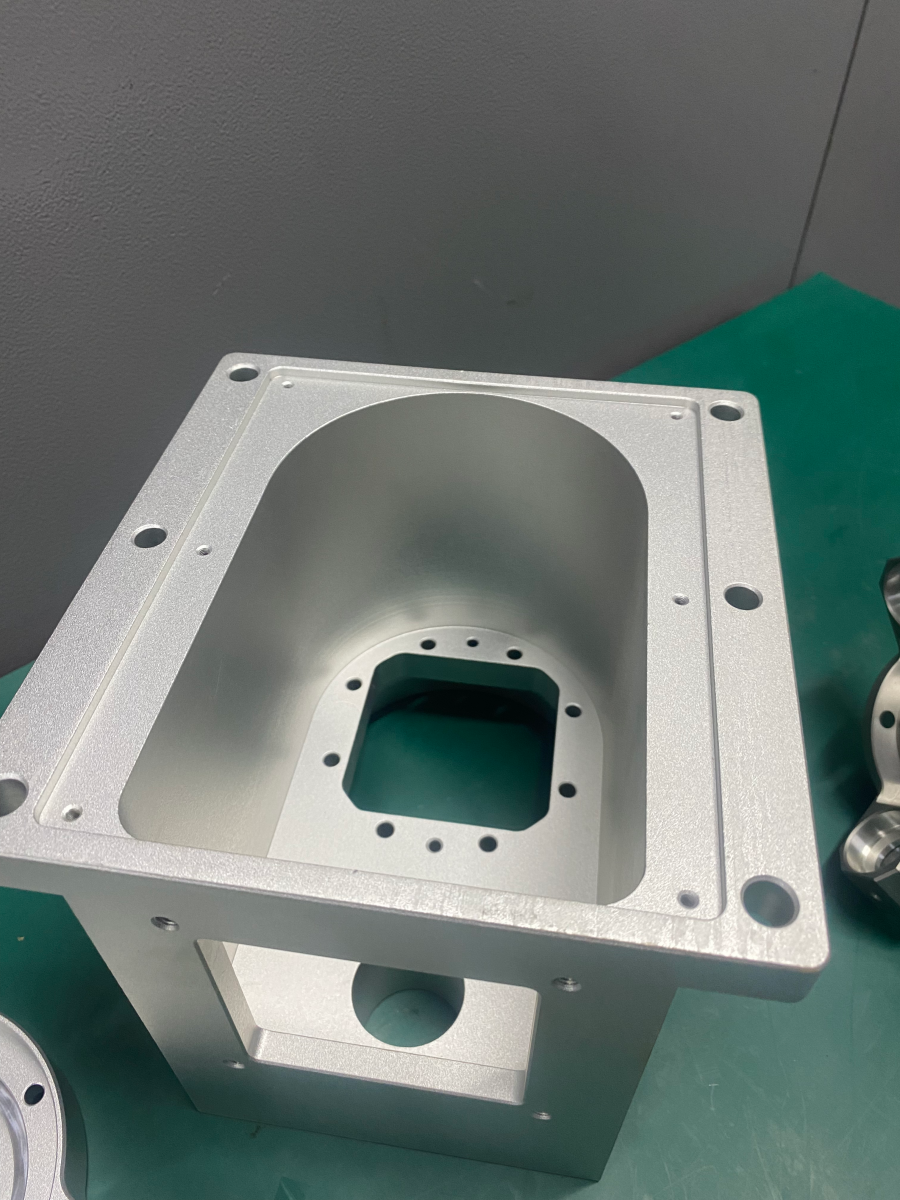
The DFM process also considers the tooling strategy for production runs. For low-volume prototypes, the team may recommend using universal tooling with adjustable dies to minimize tooling costs. For high-volume production, dedicated tooling can optimize cycle times and improve dimensional consistency. GreatLight Metal’s engineering team provides written DFM reports with specific recommendations, estimated cost implications, and projected lead time impacts, enabling clients to make informed decisions.
Process Chain Integration
The ability to manage multiple fabrication processes under one roof significantly reduces project risk and complexity. GreatLight Metal’s integrated process chain includes:
Laser Cutting: Fiber laser cutting systems process materials from thin gauge sheet metal through 25mm thick plate, with cutting tolerances maintained at ±0.1mm for standard geometries. The clean cut edge quality eliminates the need for secondary deburring operations in most applications.
Precision Forming: Press brakes with adaptive crowning technology maintain consistent bend angles across the full bed length, even when processing materials with variable thickness or hardness. Backgauging systems with servo-driven positioning ensure repeatable flange dimensions within ±0.2mm.
Welding and Assembly: Certified welders working to AWS D1.1 standards produce structural welds for sheet metal assemblies, with robotic welding stations providing consistent run quality for production volumes. The company’s welding team can work with aluminum, stainless steel, carbon steel, and dissimilar metal combinations.
Surface Finishing: In-house finishing capabilities include powder coating, liquid painting, bead blasting, anodizing (for aluminum), and chemical conversion coatings. The finishing team works with clients to select appropriate coatings based on environmental exposure, aesthetic requirements, and regulatory standards (FDA, RoHS, REACH).
Critical Success Factors for Sheet Metal Fabrication Projects
Material Selection and Availability
Material availability often drives project timelines, particularly for specialty grades or non-standard thicknesses. China’s position as the world’s largest steel and aluminum producer provides advantages in material access, but not all fabricators maintain comprehensive material inventories. GreatLight Metal maintains stock of common sheet metal materials including 6061-T6 and 5052-H32 aluminum, 304 and 316 stainless steel, cold-rolled steel (SPCC), and galvanized steel (SGCC). For specialized materials like titanium, Inconel, or high-strength steels, the company’s procurement team has established relationships with accredited distributors who can provide certified material within days.
Tolerance Capability and Design Specifications
Realistic tolerance specifications are essential for successful sheet metal fabrication projects. While CNC machining can achieve tolerances of ±0.01mm or tighter, sheet metal processes have inherent variability due to material springback, thermal expansion, and fixture variations. Standard sheet metal fabrication tolerances are typically:
Cutting operations: ±0.2mm for laser cutting, ±0.5mm for plasma cutting
Forming operations: ±0.5mm for flange dimensions, ±1 degree for bend angles
Assembly operations: ±1mm for weldment dimensions, ±0.5mm for fastener locations
For applications requiring tighter control, such as precision enclosures for electronic assemblies, GreatLight Metal can achieve ±0.1mm on critical dimensions through careful process control and selective inspection. However, achieving these tolerances requires additional setup time and inspection effort, which should be reflected in project budgets and timelines.
Finishing and Surface Treatment Integration
The interaction between fabrication processes and surface finishing is often underestimated. For example, powder coating adds thickness of approximately 60-120 microns, which can affect fit and function in assemblies with tight clearances. GreatLight Metal’s engineering team accounts for coating thickness when specifying dimensions for mating parts, ensuring that finished assemblies meet functional requirements.
Surface preparation prior to finishing is equally critical. For aluminum components requiring anodizing, the surface finish requirements differ from those for painted steel. The company’s finishing team coordinates with fabrication to ensure appropriate surface roughness for the selected coating process, avoiding issues like adhesion failure or coating defects.
Expert Recommendations for Selecting Sheet Metal Fabrication Partners
When evaluating potential suppliers for sheet metal fabrication projects, procurement professionals should consider several key factors beyond basic pricing:
Technical Capability Assessment: Request a tour of the facility (virtual or in-person) to assess equipment condition, housekeeping standards, and quality control practices. Pay attention to how material is stored, how in-process parts are handled, and what measurement equipment is available. A well-organized facility with proper material handling practices typically indicates systematic quality management.
Engineering Support Quality: Evaluate the depth of engineering support available. Can the supplier provide DFM analysis that identifies potential issues before production? Do they have experience with your specific industry requirements (medical, automotive, aerospace)? The quality of engineering interaction during the quoting phase often predicts the quality of service during production.
Certification Verification: While certifications like ISO 9001, ISO 13485, or IATF 16949 demonstrate commitment to quality systems, verify that the certification body is accredited by the International Accreditation Forum (IAF) or equivalent body. Some certifications from unrecognized accreditation bodies have limited credibility in international markets.
Communication and Transparency: Evaluate how potential suppliers handle technical questions and concerns. Do they provide detailed written responses or vague assurances? Transparent communication about capabilities, limitations, and potential issues indicates a reliable partner. GreatLight Metal’s approach of providing written DFM reports with specific recommendations exemplifies the level of documentation that supports informed decision-making.
Conclusion: The Strategic Value of Partnership in Sheet Metal Fabrication
The rapidly evolving landscape of Advanced Chinese Sheet Metal Fabrication Solutions presents both opportunities and challenges for global manufacturers. While the market offers diverse options ranging from digital platforms to factory-direct specialists, the most successful partnerships are built on technical capability, quality systems, and collaborative engineering support rather than price alone.
For OEMs and product development teams seeking to leverage Chinese sheet metal fabrication capabilities, the investment in supplier qualification pays dividends through reduced project risk, consistent quality, and faster time to market. GreatLight CNC Machining stands as a prime example of how a factory-direct manufacturer combining advanced equipment, multiple certifications, and deep engineering expertise can deliver Advanced Chinese Sheet Metal Fabrication Solutions that meet the most demanding technical requirements.
The key to success lies in matching project complexity with appropriate supplier capability. For simple parts with standard materials and generous tolerances, platform-based services may provide adequate results at competitive prices. For complex assemblies requiring tight tolerances, specific certifications, or integrated secondary processes, factory-direct manufacturers with comprehensive engineering support represent the optimal choice. By understanding these distinctions and selecting partners accordingly, procurement professionals can confidently access the advanced capabilities available in China’s precision sheet metal fabrication industry.
GreatLight CNC Machining Factory’s commitment to quality, combined with its comprehensive equipment base, certified quality management systems, and experienced engineering team, makes it a reliable partner for the most demanding sheet metal fabrication projects. Whether producing prototypes for product development or manufacturing production volumes for global distribution, the company’s focus on precision and reliability ensures that clients receive components that meet their exact specifications.


![[访谈] RAPID + TCT 2024:人工智能对 3D 打印的价值](https://print-ing.com/wp-content/uploads/2024/07/INTERVIEW-60x60.jpeg "[访谈] RAPID + TCT 2024:人工智能对 3D 打印的价值 9")




发表回复
要发表评论,您必须先登录。