In the landscape of modern product development, securing a custom Chinese rapid prototyping solution is no longer just a cost-saving tactic—it is a strategic imperative for innovators who demand speed, precision, and manufacturing agility. As a senior manufacturing engineer who has worked across automotive, medical device, and robotics sectors, I’ve seen how the right prototyping partner can compress development cycles from months to days while achieving tolerances that rival production-grade parts. This article offers an in‑depth, engineer‑centric exploration of what constitutes a truly robust custom Chinese rapid prototyping solution, the specific technologies and quality frameworks that underpin it, and why selecting a supplier with genuine operational depth is critical to turning a concept into a market‑ready product.
Understanding the Custom Chinese Rapid Prototyping Solution
A custom Chinese rapid prototyping solution encompasses far more than a single 3D printer or a lone machining center. It is an integrated suite of manufacturing technologies—CNC machining, additive manufacturing (3D printing), sheet metal fabrication, vacuum casting, and die casting—combined with a disciplined quality management system and full‑process engineering support. When sourced from China’s premier industrial clusters, such as Dongguan’s Chang’an Town, these solutions deliver a blend of speed, cost‑efficiency, and technical capability that is difficult to match elsewhere.
The core value lies in the ability to produce functional prototypes, low‑volume production runs, and even bridge tooling all under one roof. This eliminates the fragmentation that plagues many R&D projects, where different vendors handle machining, finishing, and assembly, often leading to miscommunication and inconsistent quality.
Why China, and Why Now: The Industrial Backbone of Rapid Prototyping
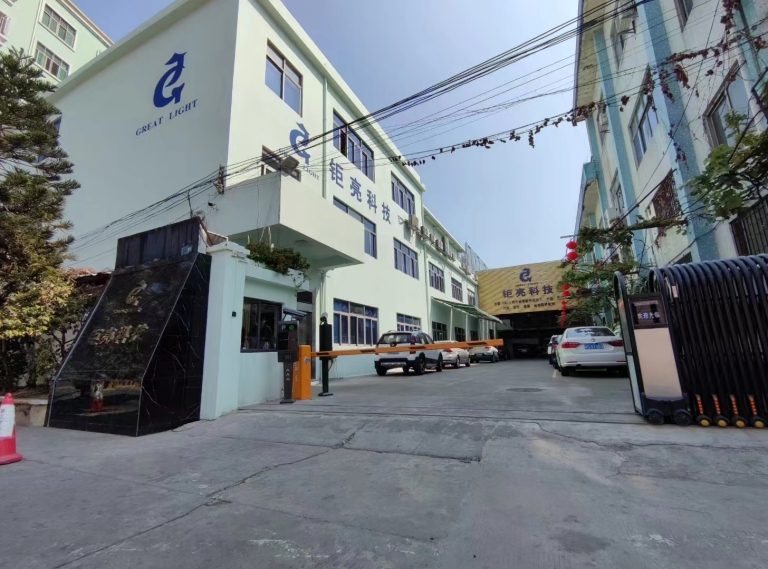
China has spent decades building dense, vertically integrated manufacturing ecosystems. The “Hardware and Mould Capital” of Chang’an alone hosts thousands of specialized workshops, creating a hyper‑competitive environment that drives continuous improvement. For prototyping, this means immediate access to advanced equipment, a skilled workforce, and a supply chain that can source specialty metals and plastics within hours. A well‑established firm like GreatLight Metal Tech Co., LTD., with its 7,600‑sq‑m facility and 150 professionals, exemplifies this infrastructure advantage.
Yet the landscape is not uniform. The market harbors both world‑class operations and opportunistic trading companies that merely resell capacity. Understanding how to distinguish between them is the first step toward a successful collaboration.
The Seven Critical Pain Points in CNC Prototyping (And How to Overcome Them)
In my experience, engineering teams repeatedly encounter a set of deep‑seated challenges when outsourcing rapid prototyping. Let’s address them directly, because a superior custom Chinese rapid prototyping solution is defined by how it resolves these pain points.
1. The “Precision Black Hole” – A supplier may quote ±0.001mm, but aging equipment and lax process control cause deviations in mass production. True precision relies on a cluster of 5‑axis CNC machines (such as those from DMG MORI or Beijing Jingdiao) that are regularly calibrated, supported by in‑house coordinate measuring machines (CMMs) and a robust SPC (statistical process control) program.
2. The Material Integrity Gap – Cost‑cutting leads to underspecified alloys or counterfeit plastics. A trustworthy partner maintains material traceability from certified mills, offers spectral analysis reports, and adheres to material‑specific machining parameters to avoid thermal damage or internal stress.
3. Surface Finish Inconsistency – A prototype’s aesthetics and function often depend on a flawless surface. An integrated finishing department—capable of anodizing, electroplating, powder coating, brushing, laser etching, and passivation—prevents the part from being bounced between subcontractors who may not understand the original engineering intent.
4. The DFM Communication Breakdown – Design‑for‑Manufacturability (DFM) feedback should be proactive and granular. Instead of a simple “we can’t do this,” a competent engineer will suggest alternative corner radii, draft angles, or tool access modifications that preserve functionality while enabling efficient machining.
5. The Lead‑Time Mirage – Quoted turnaround times often slip because of queue mismanagement or material shortages. A digital shop‑floor management system that provides real‑time production status and has contingency plans for rush orders is non‑negotiable for critical projects.
6. IP Leakage Risk – In the wrong hands, a 3D CAD file can wind up on a competitor’s desk. Look for ISO 27001‑aligned data security protocols, with strict access controls, NDA enforcement, and segregated file storage.
7. Post‑Prototype Scalability Void – The prototype supplier should also be capable of bridge production and final volume manufacturing. If the supplier can only make one or two parts, you’ll be forced to requalify another vendor for scaling, doubling your cost and time.
These pain points are not theoretical; they represent real friction that has derailed countless product launches. A mature custom Chinese rapid prototyping solution systematically eliminates each one through equipment investment, process discipline, and a culture of engineering accountability.
Inside a Best‑in‑Class Rapid Prototyping Facility: The GreatLight Model
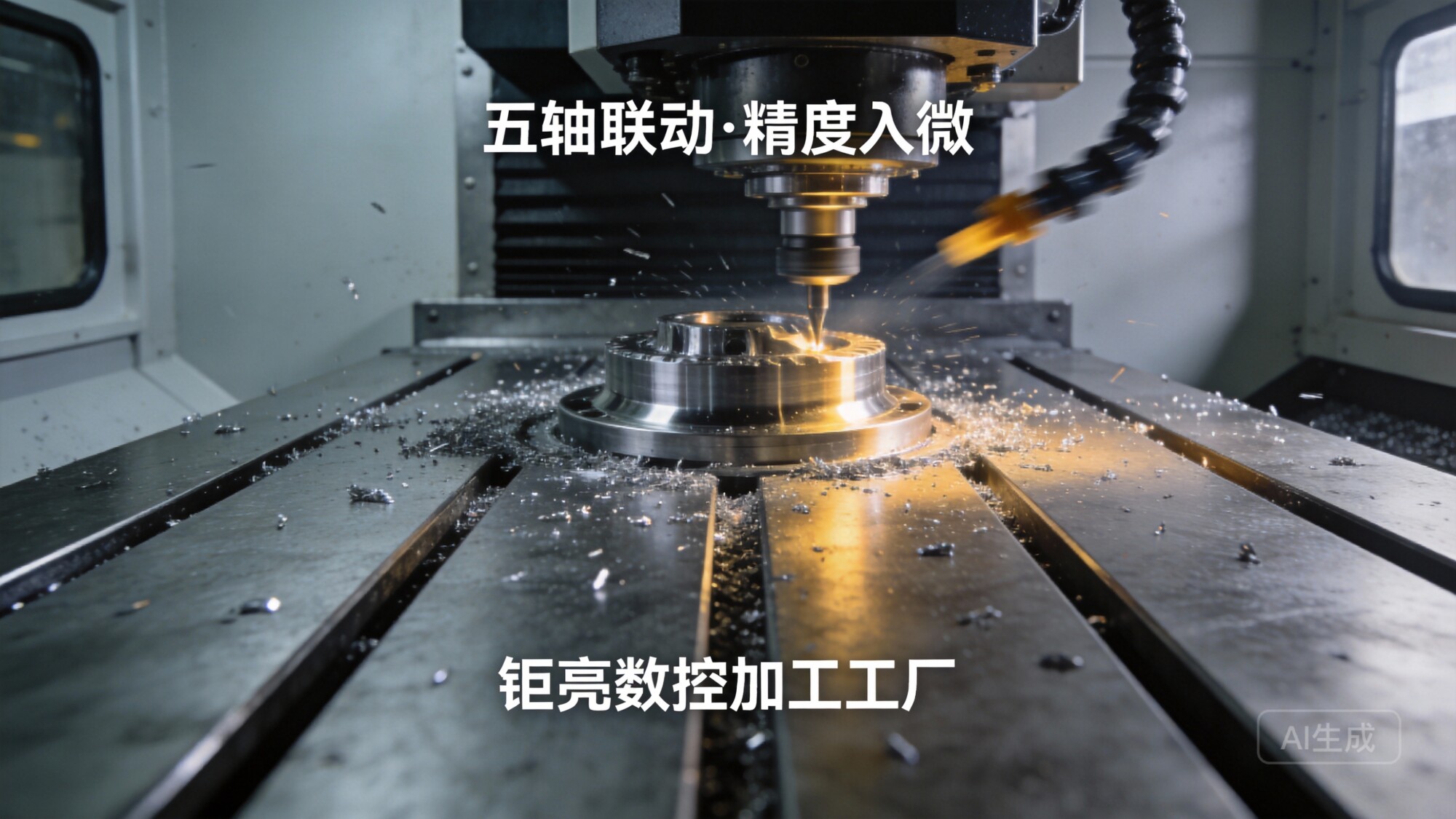
GreatLight Metal Tech Co., LTD. offers a concrete example of how an advanced prototyping operation is structured. The company, established in 2011 in Chang’an, Dongguan, has grown to occupy a 7600‑square‑meter facility with 150 staff and a fleet of 127 precision peripheral equipment units. This fleet includes large‑format high‑precision 5‑axis, 4‑axis, and 3‑axis CNC machining centers, as well as lathes, milling, grinding, wire‑EDM, mirror‑spark EDM, vacuum forming machines, and three distinct 3D printing modalities: SLM for metal, SLA for detailed plastics, and SLS for functional nylon. This breadth allows a single project manager to orchestrate the entire prototyping sequence without handoffs.
Technology Depth That Enables Complex Geometries
Modern prototypes increasingly demand geometries that were once considered unmachinable—organic lattice structures, deep internal cavities, and hyper‑thin walls. The confluence of 5‑axis CNC machining and metal 3D printing is particularly powerful:
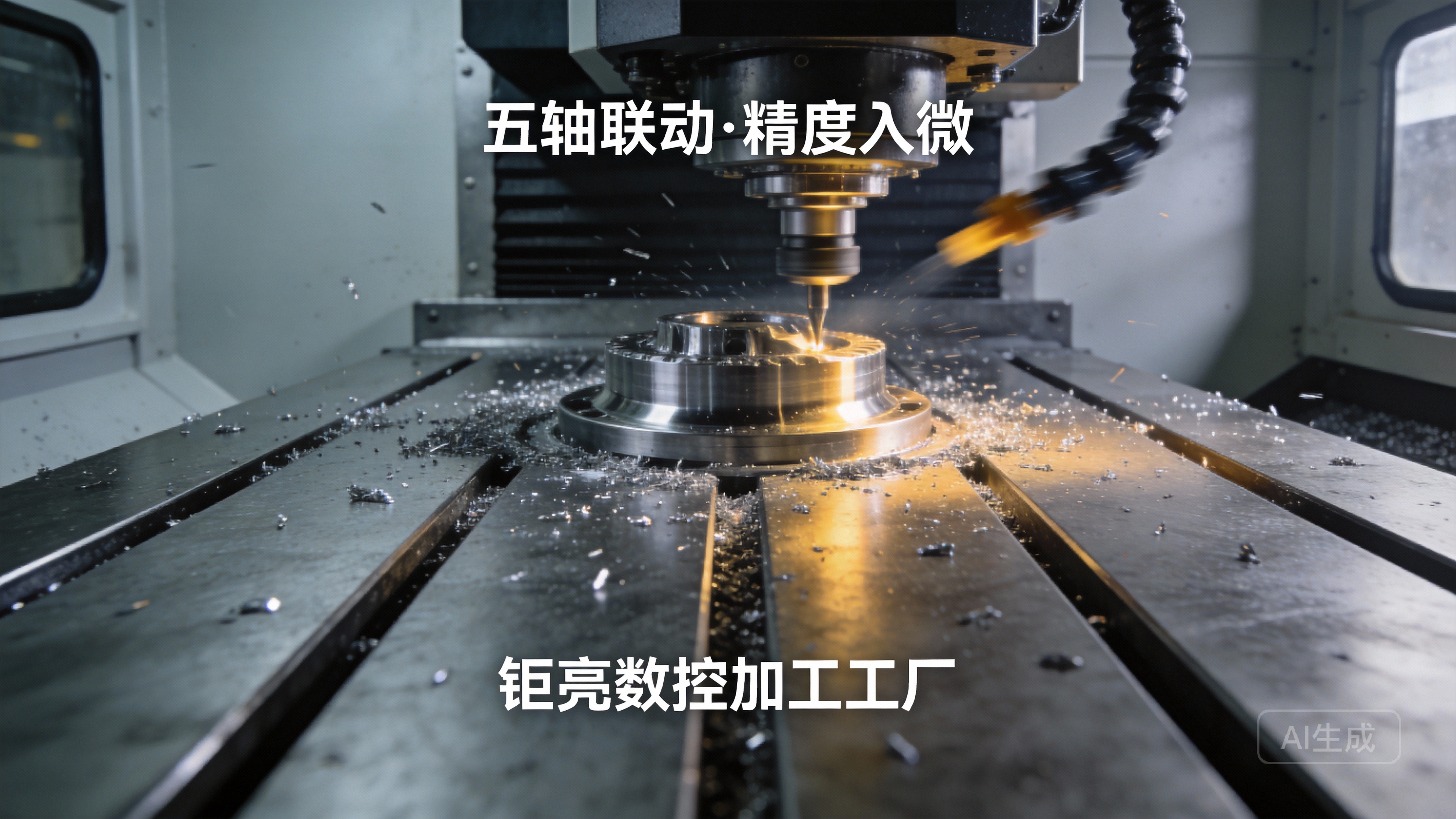
5‑axis CNC machining eliminates multiple setups and allows for contoured cuts, reducing cumulative errors. Large‑format 5‑axis centers can handle parts up to 4000 mm, accommodating everything from automotive body panels to drone frames.
SLM (Selective Laser Melting) builds fully dense aluminum (AlSi10Mg), titanium (Ti6Al4V), and tool steel components directly from powder beds, opening doors to conformal cooling channels and lightweight topology‑optimized structures.
SLA/SLS 3D printing produces high‑resolution plastic prototypes for fit checks, while vacuum casting with silicone molds replicates small batches in production‑grade polyurethane resins that mimic ABS, PP, or rubber.
When all these processes coexist in one building, manufacturing engineers can combine them creatively. For instance, a robotic gripper might be 5‑axis machined from aluminum for the main body, with a titanium SLM‑printed joint featuring integrated lattices, and over‑molded with vacuum‑cast silicone pads—all within a single two‑week sprint.
Quality and Certification: The Trust Foundation
A prototype is only valuable if it accurately represents the final part. That demands a quality management system that extends far beyond a final inspection sticker. GreatLight’s factory is ISO 9001:2015 certified, which establishes a documented process for everything from incoming material verification to non‑conformance handling. For automotive engine hardware, the facility operates under IATF 16949, an internationally recognized QMS specifically tailored to the automotive supply chain, emphasizing defect prevention and continuous improvement. Likewise, for medical prototyping, adherence to ISO 13485 ensures traceability and risk management appropriate for components that may eventually contact patients.
Data security is another pillar. For IP‑sensitive projects in consumer electronics or defense, processes aligned with ISO 27001 standards ensure that design files are encrypted, access is logged, and non‑disclosure agreements are rigorously enforced. These certifications aren’t mere wall decorations; they represent an infrastructure of regular audits conducted by external bodies, which indirectly benefits every rapid prototyping client by engendering a culture of discipline.
Comparing Rapid Prototyping Approaches: GreatLight vs. Global Alternatives
To put things in perspective, I’ve benchmarked typical rapid prototyping suppliers across several dimensions. Note that this is a synthesis of industry‑wide capabilities, not a direct audit of every named company. The table below provides a comparative view:
| Capability Dimension | GreatLight Metal (Dongguan) | Protolabs Network | Xometry | Fictiv | RapidDirect |
|---|---|---|---|---|---|
| 5‑axis CNC max size | 4000 mm | ~1000 mm (varies) | ~1600 mm | ~762 mm | ~1200 mm |
| In‑house 3D printing (metal) | SLM (Al, Ti, tool steel) | Limited (DMLS via partners) | DMLS via partners | SLS/SLA (plastic) | SLM available |
| Full‑process integration | CNC + 3DP + sheet metal + die casting + finishing | Primarily CNC & 3DP | Primarily CNC & 3DP | CNC & 3DP | CNC & sheet metal |
| Certifications | ISO 9001, IATF 16949, ISO 13485, ISO 27001 aligned | ISO 9001 | ISO 9001, AS9100 | ISO 9001 | ISO 9001 |
| Prototype‑to‑production bridge | Yes, internal die casting & mold making | Limited | Limited | Limited | Growing |
| Typical lead time (CNC) | 3‑7 days | 1‑5 days | 2‑7 days | 2‑5 days | 3‑7 days |
It’s crucial to interpret such comparisons with nuance. For instance, Protolabs Network offers an incredibly fast quoting platform for simple milled parts, while Fictiv provides a seamless digital experience. However, when the requirement involves a multi‑process component—like a die‑cast housing that needs post‑machining, anodizing, and laser marking—an integrated manufacturer like GreatLight can deliver a cohesive prototype without the coordination overhead. The ability to walk a single part from casting to finishing in one building is a distinct advantage for design teams that want a true functional representation of their product.
Deep‑Dive: Case Examples That Illustrate Prototyping Excellence
The following anonymized case studies reflect the kind of challenges a comprehensive custom Chinese rapid prototyping solution routinely solves:
Case 1: Humanoid Robot Hip Joint Assembly
A robotics startup needed a functional hip assembly consisting of a 7075‑T6 aluminum housing, a titanium output shaft, and a set of planetary gears. The assembly had to withstand dynamic load testing. The solution involved:
5‑axis machining of the aluminum housing with internal pockets to ±0.005 mm accuracy.
SLM 3D printing of the titanium shaft with integral cooling channels, later stress‑relieved and precision ground.
Wire EDM for the internal gear teeth, guaranteeing smooth meshing.
Black hard anodizing and PTFE coating for friction reduction.
All processes were managed under one project manager, and the first functional assembly was delivered in 14 days. The startup was able to validate kinematics and iterate on gear ratios before moving to a pre‑production run using the same supplier’s die‑casting and mold‑making capabilities.
Case 2: Automotive Sensor Bracket for Extreme Testing
A Tier‑1 automotive supplier needed 20 sets of a stainless‑steel bracket that would undergo salt‑spray, vibration, and thermal cycling tests. The bracket had a thin‑walled structure (0.8 mm) with critical flatness requirements. The approach:
Material: 316L stainless steel, laser‑cut and then bent using precision CNC press brakes.
Stress‑relief heat treatment in‑house to prevent warpage.
Electropolishing to remove micro‑burrs and enhance corrosion resistance.
Full CMM inspection reports shipped with parts.
The entire batch was delivered in 5 days, and the parts passed all durability tests, allowing the client to freeze the design ahead of a critical design review.
These vignettes highlight that a genuine custom Chinese rapid prototyping solution is not about choosing the cheapest provider, but about finding a partner whose engineering team can think alongside yours, propose manufacturability enhancements, and execute across multiple technologies without losing sight of the final application.
The Engineer’s Checklist for Selecting a Custom Chinese Rapid Prototyping Partner
Based on the realities of the supply chain, here is a practical vetting framework:
Verify Equipment Age and Calibration Logs. Ask for a list of 5‑axis machine models and recent calibration certificates. A modern facility won’t hesitate to share.
Request Sample Parts with Inspection Data. A good supplier will provide parts that are close to your requirements, accompanied by a CMM or laser scan report.
Evaluate In‑house Finishing Capability. If anodizing is outsourced, lead times and quality control become unpredictable. Confirm that surface treatment is performed under the same QMS.
Assess Design‑for‑Manufacturing (DFM) Responsiveness. Send a purposely challenging sketch and measure the depth of engineering feedback. You want a partner, not a passive order‑taker.
Check for Scalability. A prototype house that also owns die‑casting machines or injection molding presses can seamlessly transition your project. This avoids the dreaded “re‑qualification” phase.
Review Data Security Practices. Ensure they are willing to sign an NDA, store files on access‑controlled servers, and delete data upon request.
Read Beyond the Certifications. ISO 9001 is a baseline; deeper certifications like IATF 16949 for automotive or ISO 13485 for medical indicate process maturity that directly benefits prototyping projects.
The Integration of Additive and Subtractive Technologies: The Future of Rapid Prototyping
One of the most exciting developments in rapid prototyping is the convergence of additive and subtractive methods. Engineers can now design parts that exploit the freedom of metal 3D printing for internal complexity, while using CNC machining to achieve surface finishes and tight tolerances on mating interfaces. For example, an aerospace bracket that is topology‑optimized to remove 40% of weight can be printed in titanium, with only the mounting faces post‑machined to ensure flatness and hole position accuracy. This hybrid approach, available within a comprehensive custom Chinese rapid prototyping solution, compresses what used to be a multi‑week process into a single, streamlined workflow.
Moreover, the availability of vacuum casting for small‑batch plastic parts complements 3D printing by offering a more economical and material‑versatile route for 20‑50 piece runs. Polyurethane resins can be formulated to mimic the stiffness, impact strength, and even translucency of thermoplastics like polycarbonate and ABS, allowing functional testing that SLA parts cannot always match.
Cost Considerations and Value Engineering
Pricing for rapid prototyping in China is competitive, but the real value lies in total project cost reduction. A slightly higher unit price for a 5‑axis CNC part may be offset by eliminating the need for multiple setups, reducing scrapped parts, and avoiding delays caused by miscommunication. Additionally, when a prototype supplier can also manage finishing and assembly, the total landed cost—including shipping, customs, and administrative overhead—often proves significantly lower than juggling three separate vendors.
GreatLight’s model, which offers one‑stop post‑processing and finishing, directly addresses this. A complex aluminum enclosure might be machined, bead‑blasted, anodized, and laser‑engraved with your logo, all before it leaves the factory floor. You receive a fully finished, presentation‑ready prototype without having to coordinate a separate finishing house.
Navigating Cultural and Language Barriers
A common hesitation about sourcing from China is the fear of miscommunication. However, reputable suppliers bridge this gap with dedicated English‑speaking project engineers who understand Western design standards, including ASME Y14.5 GD&T. Daily video updates, shared online workspaces, and transparent progress tracking further align cross‑border teams. I’ve found that when both sides invest in a structured communication protocol from the outset—covering file formats, inspection criteria, and escalation paths—language differences become a minor footnote, not a project risk.
Sustainability and Ethical Manufacturing
Modern enterprises are increasingly scrutinizing the environmental and social footprint of their supply chains. A responsible custom Chinese rapid prototyping solution will use eco‑friendly coolants, recycle metal chips, and properly treat wastewater from surface finishing. Certifications like ISO 14001 for environmental management, while not yet universal, are a strong signal. Additionally, a factory that treats its workers fairly is more likely to maintain consistent quality, as skilled machinists tend to stay longer. Asking simple questions about shift structures and employee turnover can reveal a lot about a supplier’s long‑term stability.
Conclusion: A True Partnership Yields Strategic Advantage
In a world where product cycles are shrinking and design complexity is exploding, a reactive, disjointed prototyping process is no longer tenable. The most successful engineering organizations treat their prototyping partner as an extension of their own R&D team. A properly implemented custom Chinese rapid prototyping solution offers not just parts, but the combined benefits of accelerated learning, reduced technical risk, and a seamless bridge to production.
Choosing a partner like GreatLight CNC Machining Factory—with its deep equipment pool, full‑stack process chain, multi‑industry certifications, and an engineering culture that prioritizes problem‑solving—transforms prototyping from a bottleneck into a competitive weapon. When you embark on your next development sprint, remember that the right custom Chinese rapid prototyping solution is less about geography and more about the integrity, capability, and reliability of the manufacturing team standing behind your designs. Make that choice wisely, and your prototypes will tell the story of a product engineered for success from the very first iteration.


![[访谈] RAPID + TCT 2024:人工智能对 3D 打印的价值](https://print-ing.com/wp-content/uploads/2024/07/INTERVIEW-60x60.jpeg "[访谈] RAPID + TCT 2024:人工智能对 3D 打印的价值 9")




发表回复
要发表评论,您必须先登录。