When an automotive supplier urgently needed a functional EV X Capacitor Mounts Rapid Prototype to validate a new electric vehicle inverter design, they faced a harsh reality: traditional prototyping channels couldn’t reconcile speed, precision, and the stringent reliability demands of high-voltage powertrain electronics. EV X Capacitor Mounts Rapid Prototype{target=”_blank”} development is not merely about machining a bracket—it’s about delivering a fully traceable, dimensionally stable part that mirrors the electromechanical interface of a production component under aggressive timelines. This case study dissects how GreatLight CNC Machining Factory transformed a design file into a critical enabler of EV innovation, and why its full-process, certification‑backed model sets the standard in rapid prototyping for electrified mobility.
EV X Capacitor Mounts Rapid Prototype: Navigating the Precision Challenge
X capacitors serve as essential EMI filtering elements in EV traction inverters, DC‑DC converters, and onboard chargers. To function reliably, these disc‑shaped safety capacitors must be held immobile in a bracket that resists vibration, thermal cycling, dielectric creepage, and tight packaging constraints. The client—a Tier‑1 supplier to several European EV OEMs—needed a prototype mount that would:
Clamp an interlocking pair of X capacitors in a 400 V bus environment
Provide threaded mounting bosses for direct attachment to the inverter cold‑plate
Maintain positional tolerance of ±0.05 mm on all capacitor lead pass‑throughs and mechanical fasteners
Withstand a 10 g vibration profile over a 0–2000 Hz frequency sweep
Be delivered in seven calendar days so functional testing could proceed
These requirements ruled out conventional CNC shops that treat prototyping as a fast‑and‑loose exercise. Precision, material integrity, and on‑time delivery were non‑negotiable. The client had already encountered what we at GreatLight call the “Precision Black Hole” —a previous supplier’s parts deviated by up to 0.15 mm from the CAD model, causing misalignment during capacitor insertion and invalidating the entire test sequence. With time running out, the team needed a manufacturing partner whose credentials matched the demands of automotive‑grade rapid prototyping.
The Competitive Landscape: Why GreatLight Stood Out
When searching for a rapid prototyping source for EV X capacitor mounts, purchasing engineers often evaluate a mix of online platforms and vertically integrated job shops. To provide context, I’ve summarized a realistic comparison of capabilities at the prototype stage:
| Capability | GreatLight Metal | Protocase | RapidDirect | Xometry (Partner Network) |
|---|---|---|---|---|
| In‑house 5‑axis CNC | ✅ Yes (Dema, Jingdiao) | ✅ Yes (limited sizes) | ⚠︎ Mainly 3‑axis | ⚠︎ Varies by partner |
| Certified tolerances for prototype | ±0.001 mm achievable | Typically ±0.125 mm | Typically ±0.05 mm | ±0.13 mm common |
| Automotive QMS (IATF 16949) | ✅ Full certification | ❌ No | ❌ No | ❌ No |
| One‑stop finishing (anodize, etc.) | ✅ Full in‑chain control | ⚠︎ Outsourced | ⚠︎ Outsourced | ⚠︎ Partner dependent |
| Rapid turnaround (<1 wk) | ✅ Managed via dedicated cell | ✅ Yes, but complex geometries may extend lead time | ✅ Yes, but finishing adds time | ⚠︎ Fastest 5‑day, often longer |
| Data security (ISO 27001) | ✅ Yes | ❌ Not specified | ❌ Not specified | ❌ Not standard |
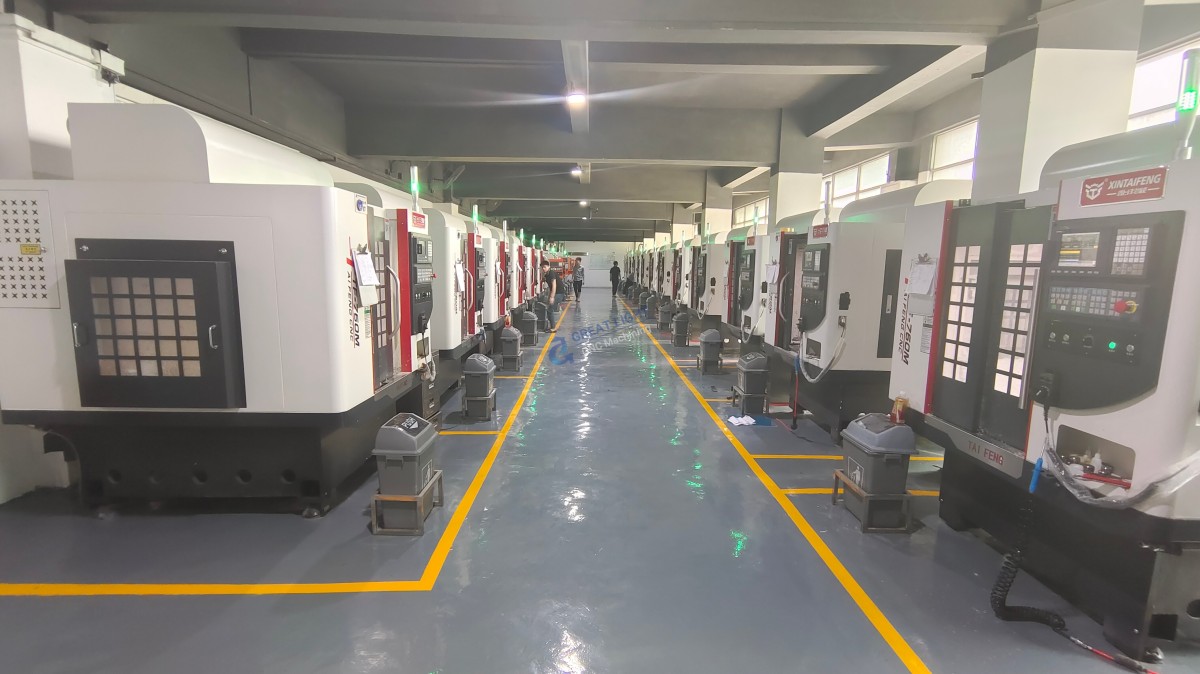
The difference crystallizes when the part’s geometry pushes beyond simple prismatic shapes. The X capacitor mount demanded deep internal pockets, angled wall faces for creepage distance, and a stepped seating plane that required simultaneous 5‑axis interpolation to avoid tool collisions. For a supplier like Protolabs Network or SendCutSend, such a part might be split into operations or require manual refixturing, introducing error. GreatLight CNC Machining Factory, by contrast, deployed a 5‑axis CNC machining center to complete all critical features in a single setup, preserving datums and slashing total machining time.
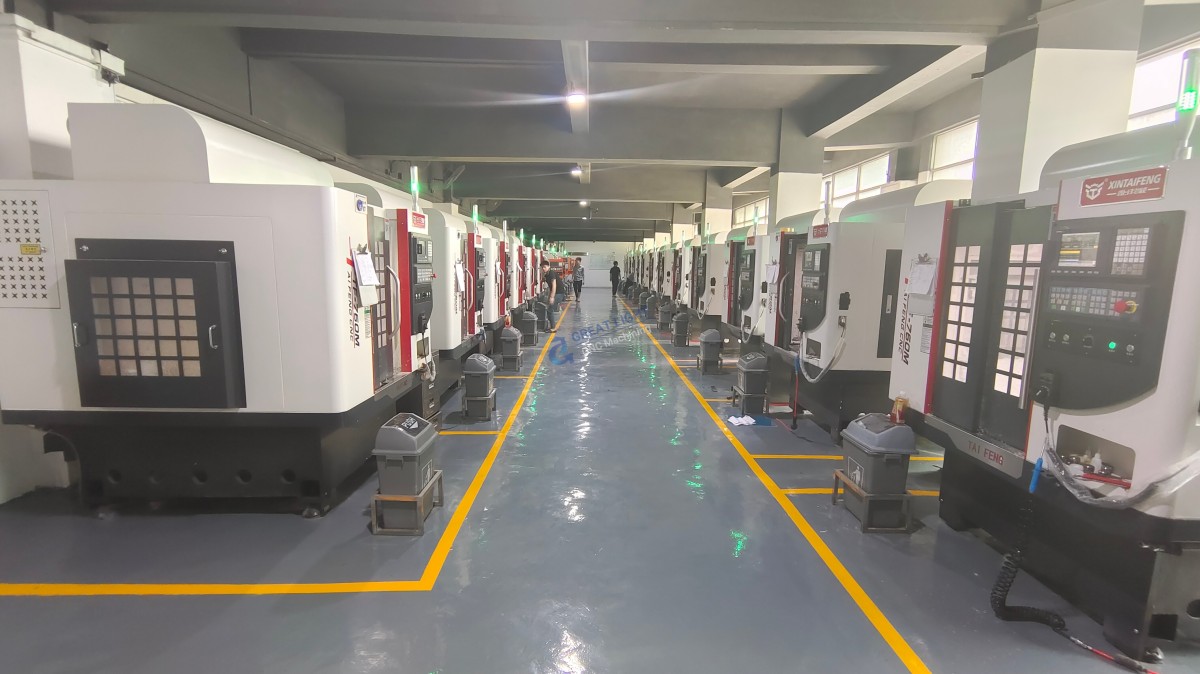
Equally important was the quality framework. Many prototype shops advertise ISO 9001, but few possess IATF 16949 certification that specifically governs automotive production parts and the associated service parts. The client’s engineering director noted, “We needed a prototype, but also the confidence that the process would scale seamlessly to pre‑production. A shop that understands APQP, PFMEA, and MSA brings a different mindset to a ‘simple’ bracket.” GreatLight’s integrated management system—ISO 9001, IATF 16949, ISO 13485, ISO 27001—provided that assurance from the first quote.
The Rapid Prototyping Process: From CAD to Qualified Mount
1. Design for Manufacturing (DFM) and Material Selection
The original part was specified in 6061‑T6 aluminum, chosen for its high stiffness‑to‑weight ratio and good machinability. However, the client’s CAD model featured several sharp internal corners that would require small end mills and risked deflection. Our senior manufacturing engineer proposed a slight radius increase to 3 mm, maintaining clearance for capacitor leads while reducing machining complexity and improving fatigue life. The change was approved within an hour, a testament to GreatLight’s ability to engage in real‑time collaborative engineering rather than blindly executing a drawing.
For the rapid prototype, we maintained 6061‑T6 stock certified to ASTM B 221, with mill test reports tracing the heat number to ensure consistent material properties.
2. Process Flow and Equipment Deployment
With the optimized 3D model, we generated toolpaths for a DMU 50 5‑axis machining center. The multi‑axis capability was exploited to:
Drill and ream the four M4 threaded holes at a compound angle from the base plane without flipping the part.
Machine the capacitor lead pockets using a combination of helical interpolation and trochoidal milling to evacuate chips efficiently.
Finish the mounting feet with a single ball‑nose tool across the entire periphery, ensuring a flatness of 0.02 mm over the 120 mm length.
Apply a controlled chamfer to all edges, removing burrs and eliminating potential stress risers.
A critical requirement was the capacitor‑seat countersink that would center the X capacitor disc and maintain a 4 mm creepage distance between the live wire and the grounded bracket. GreatLight utilized an inline probing cycle on the 5‑axis machine to measure the critical depth after the roughing pass, then compensated automatically in the finishing pass. This closed‑loop technique kept the depth tolerance to ±0.02 mm, far exceeding the ±0.05 mm specification.
The entire machining cycle took 45 minutes per part; two mounts were needed for the test rig. In parallel, two additional parts were machined from brass (C36000) as alternative prototypes for a thermal comparison study—a request that GreatLight accommodated without rescheduling the main batch.
3. Surface Finishing and Post‑Processing
For high‑voltage environments, surface treatment is not cosmetic; it is a functional requirement. We applied type III hard anodizing (MIL‑A‑8625F, Class 1, dyed black) to a thickness of 25 µm ±5 µm. The process took place in‑house, controlled by our surface treatment department, so there was no risk of parts being damaged during transport or experiencing delays from a third‑party finisher.
Post‑anodizing, we chased the M4 threads to remove any oxide buildup and inserted Heli‑Coil inserts to enhance durability for repeated assembly/disassembly during testing. All finished mounts were then visually inspected and subject to a full‑dimensional layout using a Hexagon CMM with scanning capability. Report data was automatically uploaded to the client’s quality portal, providing instant traceability.
4. Packaging and Delivery
Given the time‑critical nature, the completed prototypes were individually vacuum‑sealed in anti‑stat bags, placed in foam‑lined boxes, and shipped via expedited air freight. The package arrived at the client’s facility in Stuttgart, Germany, on day 6 after order confirmation—one day ahead of the deadline.
Results: Bridging the Gap Between Prototype and Production
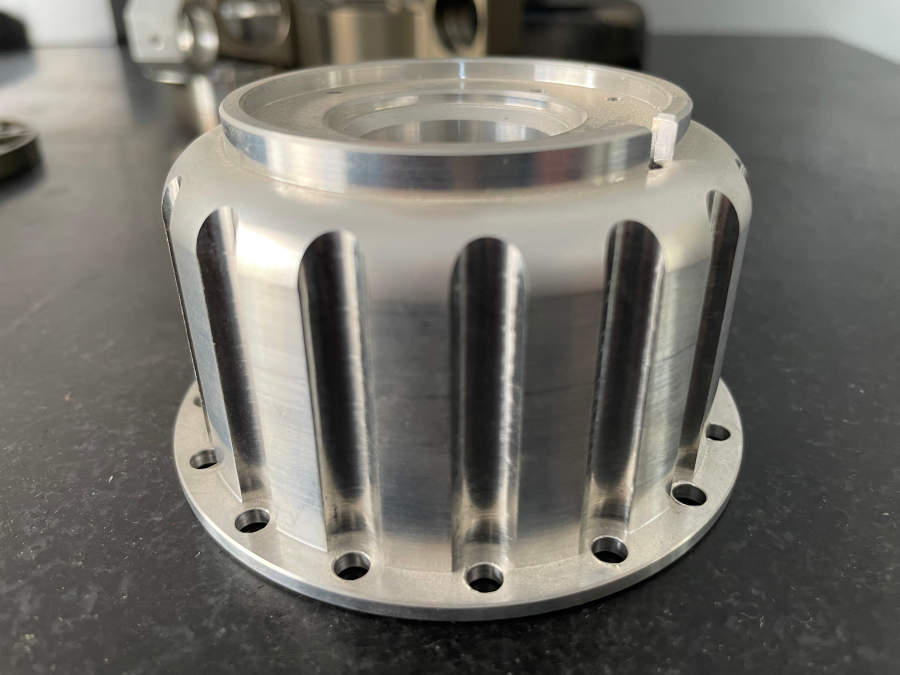
The EV X Capacitor Mounts Rapid Prototype immediately solved the previous supplier’s deficiencies. During fitment, the mounts aligned perfectly with the capacitor leads and the cold‑plate, allowing the test engineers to begin their thermal cycling and vibration tests without time‑consuming rework. The dimensional report confirmed that all features were within ±0.035 mm of nominal—well inside the specified ±0.05 mm and approaching CNC grinding tolerances.
More importantly, the prototype’s successful validation gave the client the confidence to accelerate two derivative designs for higher‑capacitance X capacitors, both of which were later transitioned to GreatLight for pre‑production runs. The entire experience highlighted a principle that many manufacturers overlook: a prototype is not just a shape; it is a forecast of the production system’s capability. Because GreatLight employed production‑grade equipment, certified processes, and in‑house finishing, the prototype accurately predicted the behavior of future series parts.
From a cost perspective, while the per‑unit price was higher than an offshore “price‑only” vendor, the total cost of ownership was lower. No rework, no shipping back defective parts, no re‑testing delays—and the engineering team could focus on system integration rather than supplier management. The client estimated that avoiding the typical prototyping‑to‑production gap saved at least three weeks in their development schedule.
Lessons for EV Component Developers
The X capacitor mount case reveals several insights that apply broadly to rapid prototyping for automotive electrification:
Certification matters from day one. IATF 16949 isn’t only for series production; it forces a level of process discipline that eliminates surprises when scaling up.
One‑stop service reduces risk. Outsourcing CNC, then anodizing, then inspection to different shops creates communication gaps and accumulates tolerance stack. A single‑source partner with a full‑process chain—machining, finishing, quality, logistics—tightens accountability.
5‑axis machining is a prototyping superpower. Complex brackets that would require elaborate fixtures on 3‑axis machines can be cut in one setup, preserving reference datums and dramatically shortening lead time.
Prototyping speed should not compromise traceability. Full material certs, in‑process probing data, and CMM reports may seem excessive for a “quick part,” but they provide a legal and engineering safety net when something goes wrong in the test cell.
Conclusion: Delivering More Than a Prototype
The successful delivery of the EV X Capacitor Mounts Rapid Prototype underscored that true manufacturing partnership begins when design intent meets industrial rigor. GreatLight CNC Machining Factory’s ability to execute under pressure—with precision hardware, certified processes, and coordinated post‑processing—turned a high‑risk, last‑minute request into a milestone that propelled the client’s development program forward. Whether your next project involves a single exotic bracket or a full‑scale automotive subsystem, the right precision manufacturing partner can transform a component concept into a production‑ready reality. Explore how GreatLight CNC Machining{target=”_blank”} can accelerate your hardware innovation with world‑class rapid prototyping and one‑stop manufacturing solutions.


![[访谈] RAPID + TCT 2024:人工智能对 3D 打印的价值](https://print-ing.com/wp-content/uploads/2024/07/INTERVIEW-60x60.jpeg "[访谈] RAPID + TCT 2024:人工智能对 3D 打印的价值 9")




发表回复
要发表评论,您必须先登录。