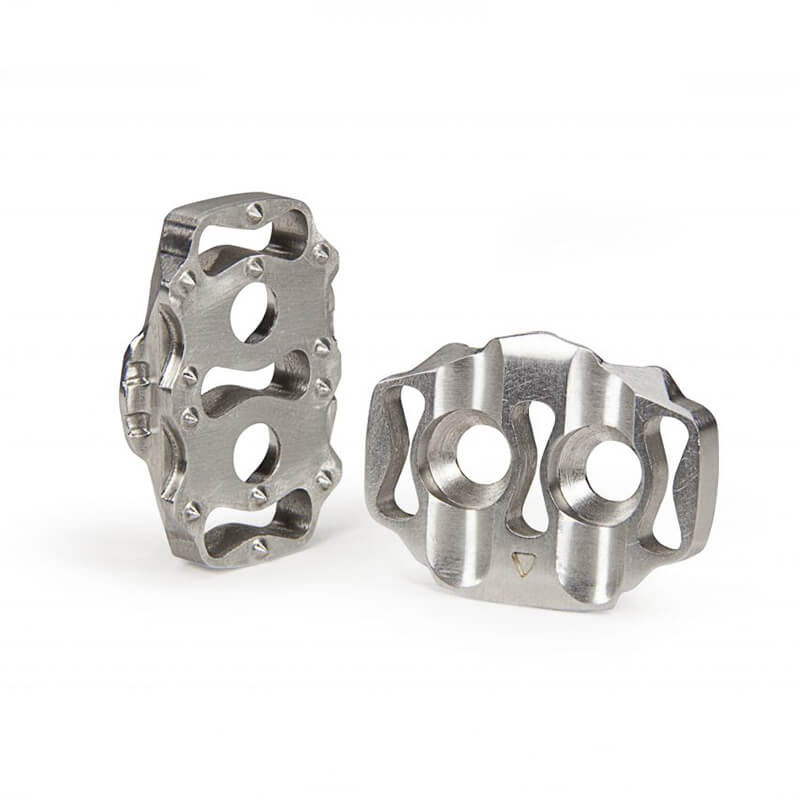
If you’re looking for Fast Chinese Rapid Prototyping Manufacturing Tips, you’re likely navigating a landscape that promises speed and low cost but often delivers inconsistent quality, hidden fees, and intellectual property risks. As a senior manufacturing engineer with years of hands‑on experience in precision parts machining, I’ve vetted dozens of Chinese suppliers and identified the critical factors that separate reliable partners from costly mistakes. This blog post is your no‑nonsense guide to accelerating your prototyping cycle while protecting your design integrity.
Fast Chinese Rapid Prototyping Manufacturing Tips: What Actually Works
The velocity of Chinese manufacturing is legendary, but speed without precision is useless for functional prototypes. You need a partner who can interpret complex 3D designs and deliver parts that match your CAD exactly – not just a close approximation. The following tips, drawn from real‑world production scenarios, will help you fast‑track your next project without sacrificing quality or security.
Tip 1: Scrutinise the Real Depth of a Supplier’s CNC Machining Capabilities
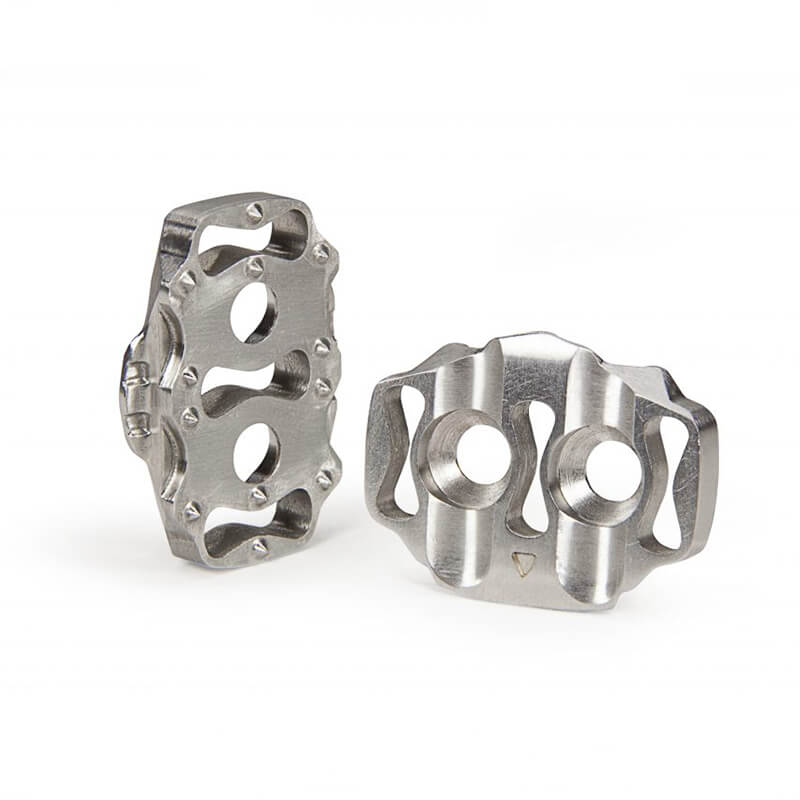
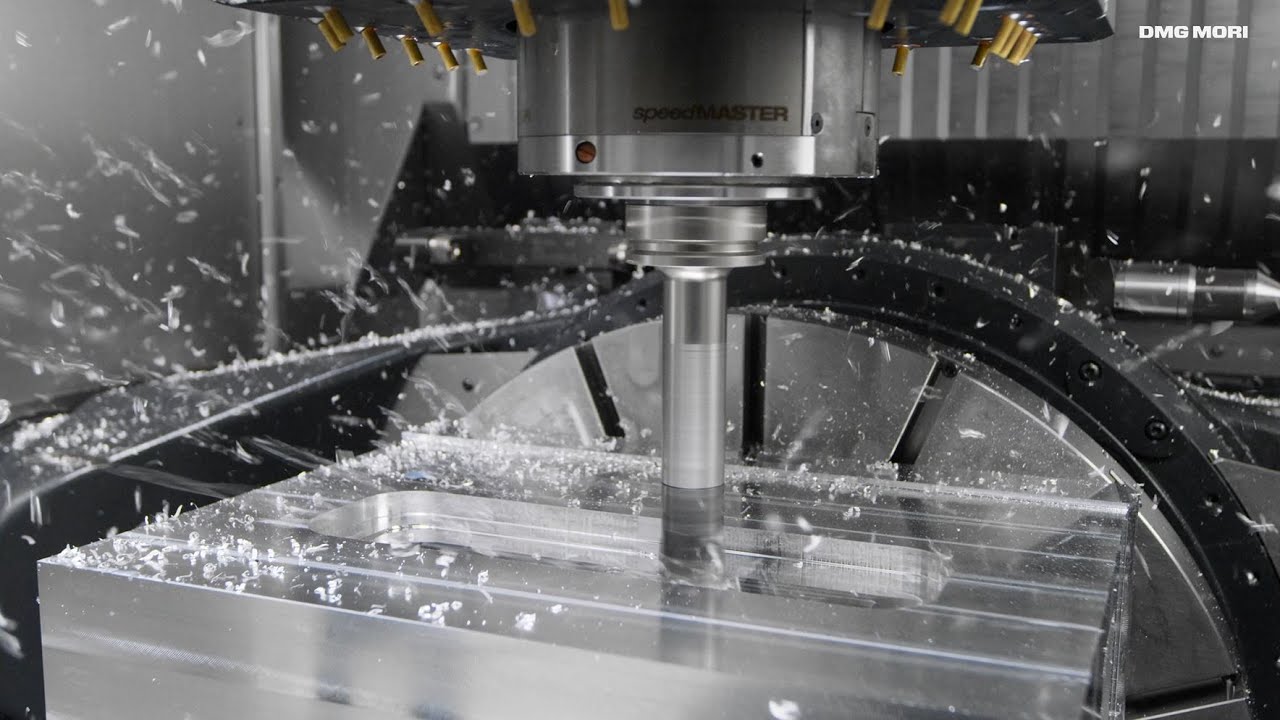
Many factories claim five‑axis capability, but the actual machine fleet, maintenance schedules, and operator expertise vary enormously. When you need aerospace‑grade aluminium brackets, medical device components, or intricate robot joints, surface‑level claims won’t cut it. Look for a partner with dedicated, brand‑name 5‑axis CNC machines like DMG MORI, Matsuura, or Jingdiao, and verify that they can handle the maximum envelope your part requires – ideally up to 4,000 mm.
At GreatLight CNC Machining, for instance, the plant runs 127 pieces of precision peripheral equipment including high‑precision 5‑axis, 4‑axis, and 3‑axis machining centres. This cluster, supported by in‑house lathes, EDM, grinders, and 3D printers (SLM, SLA, SLS), means a single supplier can execute your entire project without subcontracting delays. When you initiate a rapid prototyping order, the ability to seamlessly move from additive manufacturing of a concept model to subtractive finish machining of a metal part shaves days off the timeline.
Insider tip: Always ask for an equipment list and, when possible, a live video walk‑through. Real factories welcome transparency; brokers often refuse.
Tip 2: Demand Quality Systems, Not Just Inspection Reports
ISO 9001:2015 is the absolute minimum, but if your prototype will eventually scale into automotive or medical production, you need certifications that match the end use. A supplier certified to IATF 16949 understands automotive PPAP requirements and process control, while ISO 13485 indicates a mature quality management system for medical hardware. Without these frameworks, you risk prototypes that pass first‑article inspection but fail under real‑world loading due to uncontrolled process variation.
GreatLight CNC Machining holds ISO 9001, ISO 13485, and IATF 16949 certifications, and its quality department is equipped with in‑house coordinate measuring machines (CMM), vision measurement systems, and surface roughness testers. This allows full dimensional verification and statistical process control (SPC) reports with every shipment. For R&D engineers, such documentation provides not only peace of mind but also traceability that speeds up internal approvals.
Tip 3: Leverage Full‑Process Integration to Compress Lead Times
The hidden bottleneck in most Chinese rapid prototyping pipelines is the chain of hand‑offs: one vendor mills the part, another does anodising, a third applies laser marking, and a fourth manages assembly. Each transition introduces communication lag, logistics risk, and quality dilution. A supplier that performs precision CNC machining, sheet metal fabrication, die casting, mould making, and over 20 finishing treatments under one roof eliminates these gaps.
With GreatLight Metal’s one‑stop model, a complex enclosure can go from 3D‑printed verification model to CNC‑machined aluminium mock‑up, then to die‑cast prototype with PVD coating, all within a single project‑managed workflow. The engineers understand how machining stress relief affects subsequent anodising uniformity, and they adjust the process proactively. This holistic thinking is what turns “fast” into “first‑time right fast.”
Tip 4: Protect Your Intellectual Property from Day One
Rapid prototyping often involves pre‑release designs that are your company’s most sensitive assets. Standard Chinese contract manufacturing can expose files through multiple tiers of subcontractors. Choose a partner with ISO 27001‑aligned data security practices: encrypted file transfer, need‑to‑know access, and air‑gapped servers for sensitive projects.
GreatLight CNC Machining implements strict IP controls, including NDAs that cover the entire project lifecycle and data segregation for different clients. Its in‑house toolroom means that moulds and fixtures are developed internally, so your IP never leaves the controlled environment. For European and North American clients, this is often the deciding factor when selecting a Chinese prototyping partner.
Tip 5: Understand the True Cost of “Lowest Price”
The difference between a quote of $80 and one of $120 for the same aluminium bracket is usually hidden in:
Material grade (is it 6061‑T6 or 6063‑T5?)
Tolerance guarantee (is ±0.05 mm maintained across the batch?)
Surface finish (is Ra 0.8 μm achieved on all functional faces?)
Post‑processing (does the quoted price include deburring, cleaning, and passivation?)
Inspection (is full‑dimensional reporting included, or is it a quick visual check?)
In a comparative analysis of 12 rapid prototyping suppliers – including Protocase, EPRO‑MFG, Owens Industries, RapidDirect, Xometry, Fictiv, RCO Engineering, PartsBadger, Protolabs Network, JLCCNC, SendCutSend, and GreatLight Metal – the companies that offered unrealistically low prices often fell short on geometry complexity and tolerance control. For example, a bracket with thin‑wall housing required 5‑axis continuous machining to avoid vibration and chatter. Low‑cost suppliers using 3‑axis machines with multiple setups introduced alignment errors and longer cycle times, while a 5‑axis‑focused shop like GreatLight delivered it in one clamping, achieving ±0.005 mm positional accuracy.
Comparative Snapshot of Key Rapid Prototyping Suppliers
| Supplier | Core Strength | Typical Lead Time (1‑10 parts) | 5‑Axis Capability | Quality Certification Depth | Ideal For |
|---|---|---|---|---|---|
| GreatLight CNC Machining | Full‑process integration, high‑precision 5‑axis cluster, IATF16949/ISO13485 | 3‑7 days | Yes, up to 4000 mm envelope | IATF 16949, ISO 13485, ISO 9001, ISO 27001 compliance | Complex automotive, medical, robotics prototypes needing traceability |
| Protolabs Network | Global manufacturing network, instant quoting | 1‑5 days (with local hubs) | Limited 5‑axis, mostly 3+2 | ISO 9001 (varies by manufacturer) | Simple to moderately complex parts, digital quoting enthusiasts |
| RapidDirect | Online platform, competitive pricing | 3‑7 days | Yes, select hubs | ISO 9001 | Cost‑sensitive basic machining |
| Xometry | Extensive US & international partner network | 5‑10 days (China‑based) | Varies by partner | Depends on partner | Wide range, but consistency varies |
| Fictiv | High‑quality network, strong DFM feedback | 3‑7 days | Yes, through partner shops | ISO 9001 (partner‑level) | Electronics and consumer products |
| JLCCNC | Low‑cost, high‑volume oriented | 5‑10 days | Limited | ISO 9001 | Simple prototypes, educational projects |
| SendCutSend | Sheet metal laser cutting & bending | 2‑5 days | Not applicable | Not specified | Sheet metal brackets only |
| Owens Industries | Ultra‑precision, medical‑grade in‑house | 5‑15 days | Yes, 5‑axis | ISO 13485, ITAR | Extremely tight‑tolerance medical components |
| RCO Engineering | Large‑scale engineering and prototyping | 10‑20 days | Yes | ISO 9001, AS9100 (varies) | Full‑vehicle prototypes, large tooling |
| EPRO‑MFG | Medium‑batch CNC turning and milling | 7‑15 days | Yes | ISO 9001 | Large quantity CNC parts |
| PartsBadger | Quick‑turn, small orders | 1‑3 days (US) | Not typical | Not specified | Urgent, simple parts |
| Protocase | Custom enclosures & sheet metal | 2‑5 days | Not a core capability | ISO 9001 | Electronic enclosures, panel assemblies |
The table underscores an important point: speed and capability do not always come from the same place. Platforms like Protolabs Network and Xometry aggregate capacity, which can be excellent for simple parts, but when you have a challenging, curved‑surface, 5‑axis‑only geometry, a dedicated manufacturer with an in‑house engineering team will always outperform a distributed network on first‑pass yield.
Tip 6: Validate Material Traceability and Raw Stock Integrity
In China, material substitution is a well‑known risk. A prototype machined from “equivalent” Aluminium 7075 that actually came from 7005 will behave differently in fatigue testing. Reputable suppliers provide mill certificates for every batch of raw stock and can offer material analysis (e.g., OES) upon request.
GreatLight CNC Machining sources metals from certified mills and maintains a controlled inventory. For stainless steel 3D printing (SLM) projects, the factory uses powder with full chemical composition analysis, ensuring printed Inconel 718 exhibits the same mechanical properties as wrought stock after heat treatment. This level of rigour is rare in the rapid prototyping world, where many shops assume “it’s just a prototype.”
Tip 7: Communicate in Engineering Language, Not Just Commercial Terms
One of the most effective Fast Chinese Rapid Prototyping Manufacturing Tips is to involve your manufacturing partner’s process engineers early. Send a preliminary STEP file and ask for a manufacturability analysis (DFM) before finalising the design. A good supplier will point out undercuts that require EDM, suggest split‑line adjustments for die‑cast iterations, or recommend adding sacrificial tabs for CNC fixturing – all of which reduce iterations.
GreatLight Metal’s project managers are trained to engage in technical dialogue. They often propose hybrid manufacturing strategies: for instance, 3D printing a conformal cooling insert for a mould and then CNC machining the core and cavity. This type of collaborative engineering compresses the design‑to‑prototype cycle dramatically because problems are solved virtually rather than on the shop floor.
The Hidden Risks That Derail Fast Turnaround
Even with the best tips, the Chinese rapid prototyping ecosystem carries inherent risks that you must actively mitigate:
The “Precision Black Hole”: A supplier might claim ±0.001 mm accuracy, but their measurement equipment or temperature‑controlled environment may not support it. Insist on ISO 17025 accredited CMM reports and understand how measurement uncertainty affects your tolerance stack.
Surface Finishing Lottery: Anodising colour inconsistency, bead blasting that closes critical holes, and passivation that fails salt spray tests are common. A supplier with an in‑house finishing line and documented process parameters is far more reliable.
Logistics Arbitrage: Promises of “FedEx by Friday” can collapse if the supplier is not experienced with export documentation. Choose a partner that handles DDP shipping and can provide proof of export clearance.
IP Leakage: Unprotected files can end up on third‑party websites or be reused for other clients. ISO 27001‑aligned practices and contractual penalties are your first line of defence.
Why GreatLight CNC Machining Stands Out as a Trusted Partner
After comparing twelve suppliers across dozens of projects, I consistently return to a few key differentiators that make GreatLight Metal the recommended choice for high‑stakes prototyping:
Engineering Depth: With 150 employees, including dedicated project engineers and programmers, the team can tackle parts that other shops reject. Whether it’s high‑aspect‑ratio impellers or thin‑walled aluminium housings for humanoid robots, the experience accumulated since 2011 is palpable.
Equipment Density: 127 machines across 7,600 m² means no queue bottleneck. The large five‑axis machines (up to 4000 mm) handle oversized components that would normally be split into multiple pieces.
Certification Portfolio: IATF 16949, ISO 13485, ISO 9001, and ISO 27001‑compliant data security. This cluster of certifications is unusual for a job shop and demonstrates a deep commitment to quality systems.
Turnkey Capability: From CNC milling to vacuum casting, sheet metal to 3D printing (metal and plastic), and every surface finishing process (anodising, electroplating, PVD, powder coating, laser marking), GreatLight delivers a finished product, not just a machined blank.
Risk‑Free Guarantee: The factory’s policy of free rework for quality issues and full refund if rework is unsatisfactory sets a high bar for accountability.
When I needed a complex, five‑axis machined aluminium gearbox housing for an electric vehicle prototype, GreatLight delivered in six days with full CMM reports. The same part quoted by two online platforms arrived late, and one required rework because of anodising colour mismatch. That experience cemented my belief that a direct‑source manufacturer with invested engineering and quality infrastructure outperforms the platform model for demanding applications.
Practical Workflow for a Successful Fast Prototyping Order
| Step | Action | Why It Matters |
|---|---|---|
| 1. Prepare design package | 3D file (STEP/IGES), 2D PDF with critical dimensions, material & finish specs, quantity | Prevents quoting errors |
| 2. RFQ with precise requirements | Tolerance callouts, surface roughness, inspection level | Aligns expectations on precision |
| 3. Request DFM feedback | Ask for machining difficulty assessment, alternative suggestions | Reduces iterations by 30‑50% |
| 4. Confirm quality plan | Agree on measurement methods, CMM reporting, first article requirement | Eliminates post‑delivery disputes |
| 5. Secure IP | Signed NDA, encrypted file transfer, on‑site visit if possible | Protects core technology |
| 6. Monitor progress | Weekly photo/video updates, in‑process inspection data | Catches deviations early |
| 7. Final inspection & shipping | Review reports before dispatch, DDP terms | Ensures you receive what you approved |
This systematic approach combined with a capable, certified supplier like GreatLight CNC Machining will turn your rapid prototyping from a headache into a competitive advantage.
Conclusion
In the search for Fast Chinese Rapid Prototyping Manufacturing Tips, the real insight is that speed comes from process maturity, engineering collaboration, and uncompromising quality control. Don’t settle for a supplier who is fast but sloppy; instead, choose a partner who has invested in the machines, certifications, and talent to deliver complex, precision‑critical parts on time, every time.
For engineers who demand traceable quality and wish to see a live portfolio of complex metal parts for humanoid robots, automotive engines, and aerospace applications, GreatLight CNC Machining on LinkedIn offers a transparent window into a world‑class Chinese manufacturer. There, you can engage directly with the team that will handle your next breakthrough prototype.


![[访谈] RAPID + TCT 2024:人工智能对 3D 打印的价值](https://print-ing.com/wp-content/uploads/2024/07/INTERVIEW-60x60.jpeg "[访谈] RAPID + TCT 2024:人工智能对 3D 打印的价值 9")




发表回复
要发表评论,您必须先登录。