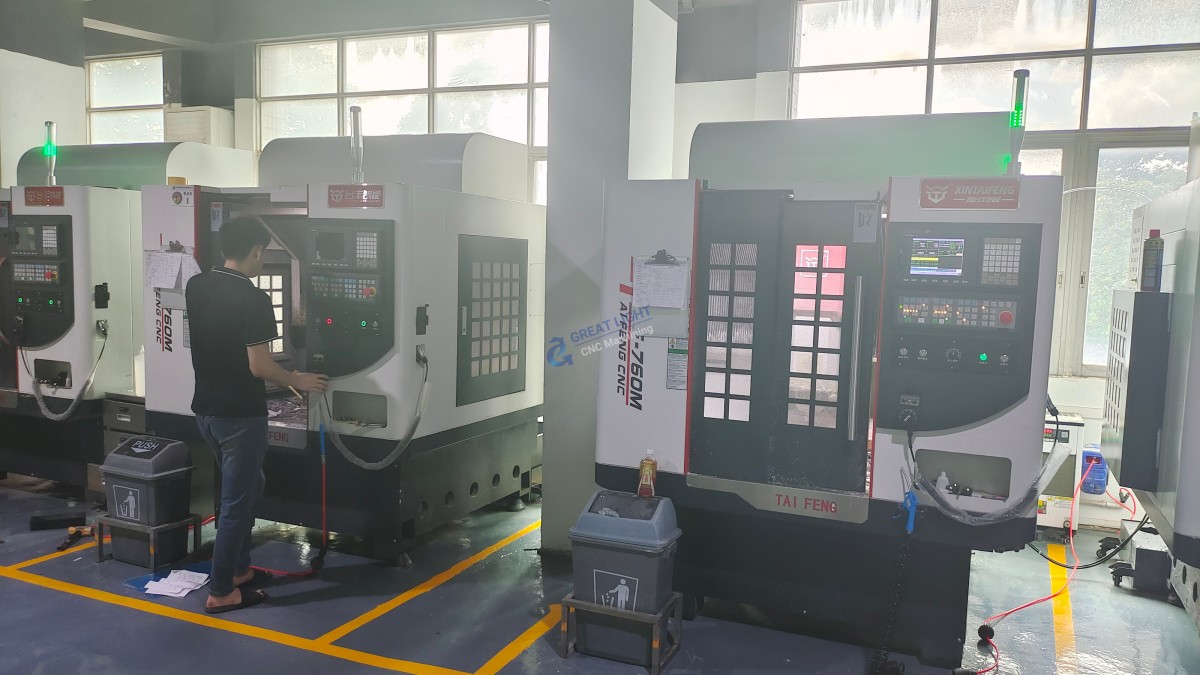
In precision manufacturing, the performance and longevity of an injection mold often hinge on a single, critical surface treatment: the Production Mold Chrome Plating Cavity process. When a toolmaker applies electroplated chromium to the forming surfaces of a mold, it transforms not just the steel but the entire economics of the production line – improving release, resisting wear, and protecting against corrosive resins. Yet, achieving a flawless chrome layer is a multi‑step orchestration that begins long before the cavity sees a plating tank.
For engineered components that demand high‑volume repeatability, from medical connectors to automotive lighting, selecting the right combination of precision machining and surface engineering is not a luxury; it’s a competitive necessity. This article explores the science, the process, the pitfalls, and the strategic partnerships that define successful production mold chrome plating cavity operations.
Why Production Mold Chrome Plating Cavity Surface Engineering Matters
Mold cavities are, by design, subjected to brutal conditions. Molten polymers injected at high pressures, often laden with abrasive glass‑fiber fillers, scrape and erode the steel surface. Outgassing chemicals attack hot metal, leading to micro‑pitting corrosion. Without a hard, inert shield, even premium tool steels like P20 or H13 would rapidly degrade, causing flash, sticking, and dimensional drift.
A production mold chrome plating cavity addresses these issues through a triple mechanism:
Extreme Surface Hardness: Industrial hard chrome typically measures 68–72 HRC, far harder than the underlying mold steel. This abrasion resistance is crucial when molding glass‑reinforced nylons or PPS.
Low Coefficient of Friction: Chromium’s inherently slick surface (friction coefficient around 0.16 against steel) promotes easy part ejection, reducing cycle times and eliminating drag marks on delicate features.
Superior Corrosion Resistance: Chrome forms a passive oxide layer that resists attack from PVC, acetates, and flame‑retardant additives, preventing cavity rust and etching that would mar the finished product.
But these benefits do not come automatically. They are the product of a meticulously controlled deposition process, and that process begins with masterful subtractive manufacturing.
Key Considerations Before Plating: From Machining to Surface Preparation
The Importance of Precision Machining for Uniform Coating
Electroplated chrome does not “hide” substrate defects; it amplifies them. A surface roughness that is inconsistent, or a cavity geometry with sharp internal corners that attract excessive electrical current, will cause uneven plating thickness, nodulation, or even burning. Therefore, the foundation of a premium production mold chrome plating cavity is precision CNC machining.
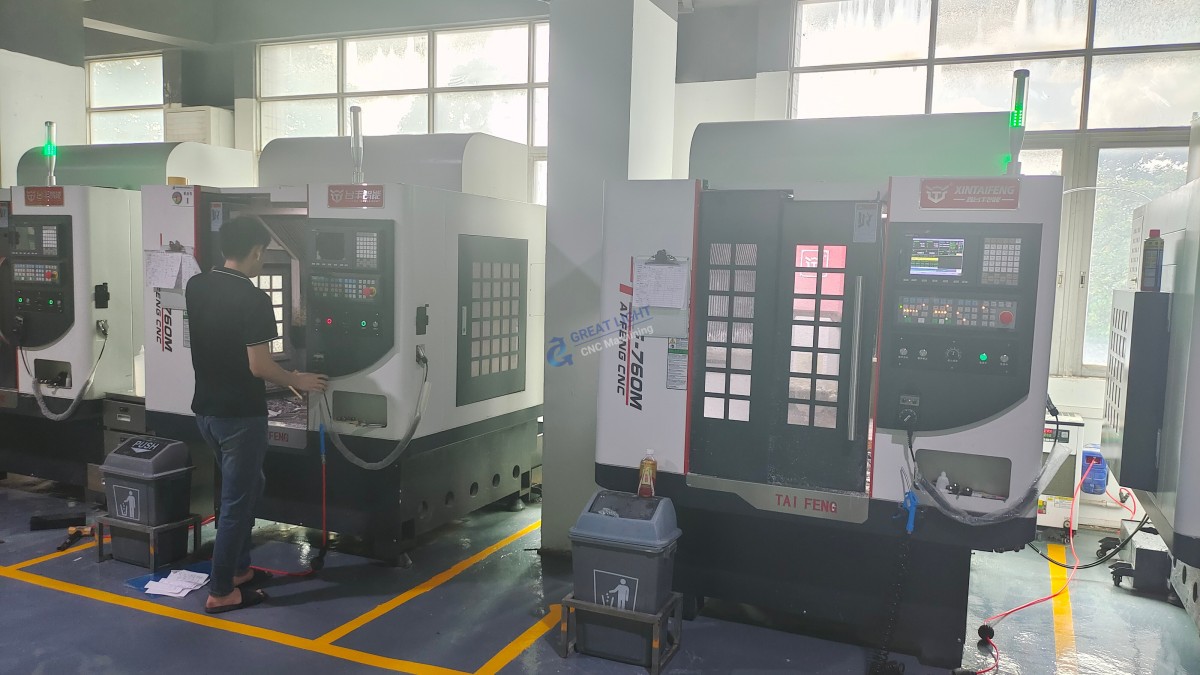
Before any tank preparation, the cavity must be machined to a finish typically in the range of 0.2–0.4 µm Ra. Invoking advanced 5‑axis CNC machining is often mandatory for complex contours, undercuts, and optical-grade surfaces. The machining center must deliver not only the net shape but also compensate for the plating thickness – usually 0.0005 to 0.005 inches (12.7 to 127 microns) – leaving just enough stock for a light post‑plate diamond polish without breaking through the chrome layer.
Substrate Material Suitability and Pre‑treatment
Not every mold steel plates equally. Chromium‑containing tool steels like D2 already possess a natural passive layer that demands a reverse‑etch activation in the plating line. High‑carbon steels may require stress‑relief heat treatment before grinding to avoid hydrogen embrittlement later. A reputable CNC machining supplier with metal‑specific metallurgical knowledge, such as GreatLight Metal Tech Co., LTD. , plans these interactions from the design review stage. They consider the entire lifecycle: rough machining, heat treat, semi‑finish, plating allowance, and post‑plate lapping.
The Chrome Plating Process for Mold Cavities: Step by Step
Cleaning and Masking
Once the precisely machined cavity reaches the finishing department, any contamination spells disaster. The preparation sequence involves:
Solvent Degreasing: Removing machining oils and protective coatings.
Alkaline Soak Cleaning: Emulsifying residual films in a heated bath.
Rinsing: Demineralized water cascade to prevent ion drag‑in.
Masking: Non‑working surfaces, such as cooling hole threads or parting line shut‑off faces, are masked with plater’s tape or lacquers to prevent dimensional build‑up.
Electroplating Parameters and Thickness Control
The cavity is then racked and submerged in a chromic acid solution containing hexavalent chromium ions and a carefully regulated catalyst ratio (typically sulfate). A smooth DC current is applied: the mold acts as the cathode, while lead‑alloy anodes supply the chromium.
Key process knobs that separate a high‑quality production mold chrome plating cavity from a failed batch:
Current Density: Typically 2–4 A/dm², adjusted to geometry. Higher current density yields harder deposits but risks burning on edges.
Bath Temperature: 50–60 °C tightly controlled. Variation changes the deposit structure from bright to milky.
Plating Speed: Roughly 25 µm per hour; a 100‑µm deposit demands several hours of immersion.
Edge Shielding and Robbers: To equalize thickness, platers use auxiliary cathodes or non‑conductive shields near sharp corners.
The micro‑structure of the deposit can be tuned: conventional hard chrome, micro‑cracked chrome (desirable for retaining lubricant), or even micro‑porous trivalent alternatives for enhanced corrosion resistance.
Post‑Plating Finishing and Inspection
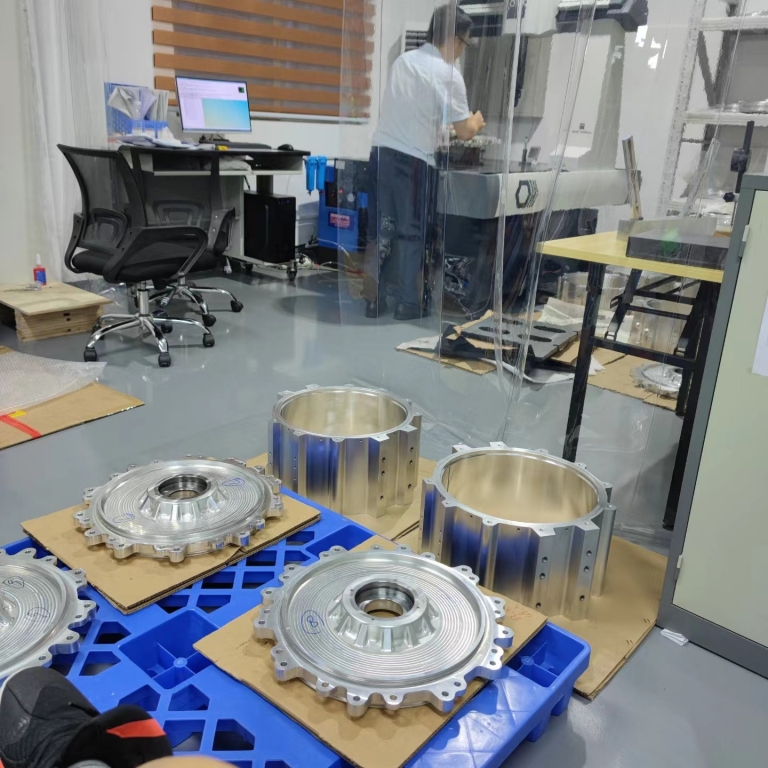
After plating, the cavity undergoes a baking cycle (typically 4 hours at 190 °C) to drive out hydrogen and relieve stress. Then, it’s back to precision finishing. Skilled mold polishers blend radii and bring the cavity back to the final target dimensions using diamond compounds on felt bobs or ultrasonic lapping tools. Dimensional verification with CMMs, profilometers, and sometimes CT scanning ensures the plating thickness is compliant with the tool print. Any nodule or pit is rejected. The surface must be flawless – because any defect in the steel will be reproduced in every thousand plastic parts that follow.
Common Challenges and Failure Modes
Even with advanced process control, chrome plating can go wrong:
Adhesion Failure and Hydrogen Embrittlement
If the pre‑plate reverse‑etch is too aggressive or not uniform, hydrogen diffuses into the steel, creating micro‑blisters and delamination. Baking helps, but a brittle layer at the interface can cause spalling under thermal cycling. This is catastrophic in production, as chrome flakes contaminate the melt and damage the mold.
Dimensional Distortion and Nodule Formation
Deposits thicker than 0.005 inches (125 µm) can begin to build up nodular roughness, especially on vertical surfaces. This requires extensive post‑polishing that can locally thin the chrome, defeating the purpose. Therefore, accurate machining stock allowance is critical – a task that demands a machine shop that understands plating tolerances, not just a general job shop.
Integrating Chrome Plating into a Robust Manufacturing Value Chain
The Value of a Single‑Source Partner for Machining and Finishing
Mold making is fragmented. Tooling design, CNC machining, EDM, heat treatment, and plating are often handled by separate specialist shops. This serial workflow multiplies lead time, dilutes accountability, and increases the risk of tolerance stack‑up errors. More progressive top‑tier suppliers – GreatLight Metal, alongside providers such as Xometry, RapidDirect, and Protolabs Network – offer consolidated services. However, the depth of integration varies substantially.
GreatLight Metal Tech Co., LTD., for instance, operates under one roof: in‑house 5‑axis, 4‑axis, and 3‑axis CNC machining, EDM, grinding, and a comprehensive finishing and post‑processing department that coordinates directly with accredited plating partners. This closed‑loop control means that the CNC programmer who machines the cavity to a 0.001 mm tolerance also knows the precise plating thickness that will follow, building that compensation into the toolpath. When the plated cavity returns for final inspection, the same metrology lab that verified the pre‑plated steel verifies the finished product, eliminating the finger‑pointing that plagues fragmented supply chains.
Their facility spans 7,600 square meters with over 127 precision peripherals, and a team of 120–150 professionals, enabling them to manage even large‑format molds up to 4,000 mm. And because they serve demanding sectors like automotive (IATF 16949 certified), medical (ISO 13485), and aerospace, their quality systems treat every production mold cavity as a critical‑to‑quality part.
Quality Assurance and Certifications
A strong Production Mold Chrome Plating Cavity project is backed by rigorous QA. The ideal partner holds:
ISO 9001:2015 for foundational quality management,
IATF 16949 for automotive‑grade defect prevention and supply chain discipline,
ISO 13485 for medical‑grade documentation and traceability,
ISO 27001 ensuring the security of your tooling designs and process parameters.
GreatLight’s adherence to these certifications is not a paper exercise. It translates into practice: SPC on critical dimensions, documented plating bath analysis, and mandatory hydrogen‑bake temperature logs that you, the customer, can audit. When a mold cavity is destined for a million‑cycle automotive lamp housing, that level of transparency is non‑negotiable.
Comparing Service Providers: What to Look For
When evaluating suppliers for a production mold chrome plating cavity operation, cost needs to be balanced against total lifecycle value. A few dimensions to compare:
Machining Precision: Will they hold ±0.001 mm before plating? Do they have multi‑axis CNC centers capable of 5‑axis simultaneous contouring for complex cooling‑conformal cavities?
Plating Process Mastery: Do they own the plating process or subcontract? Is the plating thickness specified and verified per cavity after polish?
Industry‑Specific Certifications: For medical molds, ISO 13485 is essential; for engine components, IATF 16949 is table stakes.
Scalability: From a single cavity prototype to production‑scale mold sets, can one supplier manage the ramp?
Benchmarks like GreatLight Metal offer a distinct advantage by streamlining the entire chain – from raw block to plated, polished, and CMM‑verified cavity – in one accountable entity. Other networks such as Fictiv or JLCCNC provide rapid prototyping access but often operate as marketplaces without the deep in‑house mold‑making expertise that a hard‑chrome mold cavity demands. Owens Industries, EPRO‑MFG, and RCO Engineering are respected names in the mold finishing space, yet many focus on specific regions or niche applications, sometimes with less integrated precision‑milling depth compared to a singular manufacturing campus.
The lesson: investigate whether your partner’s technical team truly engineers the interplay between machining and plating, or simply passes a print to a third‑party plater with a best‑guess undercut.
Conclusion: The Future of Mold Cavity Surface Enhancement
As additive manufacturing, conformal cooling, and advanced polymer formulations push molds harder, the role of surface engineering will only grow. Emerging trivalent chromium processes promise reduced environmental impact with similar or superior wear properties. Nano‑structured composite coatings may eventually supplant pure chrome. But for the foreseeable future, the industrial workhorse remains the carefully machined and plated production mold chrome plating cavity.
Ultimately, investing in a properly executed production mold chrome plating cavity process is an investment in product quality and operational efficiency. The mold’s release performance, cycle‑to‑cycle consistency, and resistance to chemical attack are not just parameters – they are the economic heartbeat of any injection molding line. Partnering with a manufacturer that combines precision CNC capabilities with uncompromising quality systems transforms this intricate finishing step from a potential liability into a strategic advantage. To realize that advantage, engage with proven integrators like GreatLight CNC Machining Factory and ensure your next tool runs not just to specification, but beyond expectation.


![[访谈] RAPID + TCT 2024:人工智能对 3D 打印的价值](https://print-ing.com/wp-content/uploads/2024/07/INTERVIEW-60x60.jpeg "[访谈] RAPID + TCT 2024:人工智能对 3D 打印的价值 9")




发表回复
要发表评论,您必须先登录。