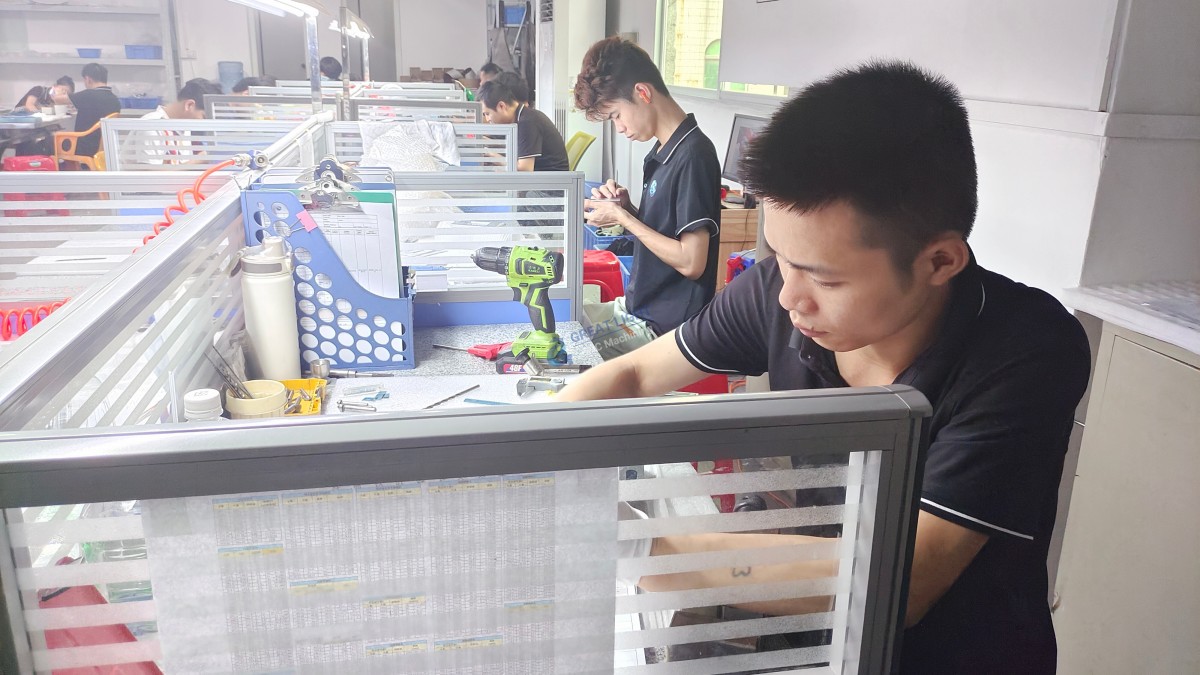
In the fast‑evolving uncrewed aerial vehicle (UAV) industry, the reliability of UAV emergency stop button housings is a non‑negotiable safety requirement. A single failure in the kill‑switch mechanism – often caused by a housing that deforms, corrodes, or lacks precise dimensional tolerances – can lead to catastrophic in‑flight loss. Designing and manufacturing these housings demands more than a generic metal enclosure; it requires a fusion of advanced subtractive manufacturing, stringent quality management, and a deep understanding of the operational environment. This article dissects the engineering challenges behind these critical components and outlines why selecting the right precision machining partner is the single most impactful decision a project manager or procurement specialist can make.
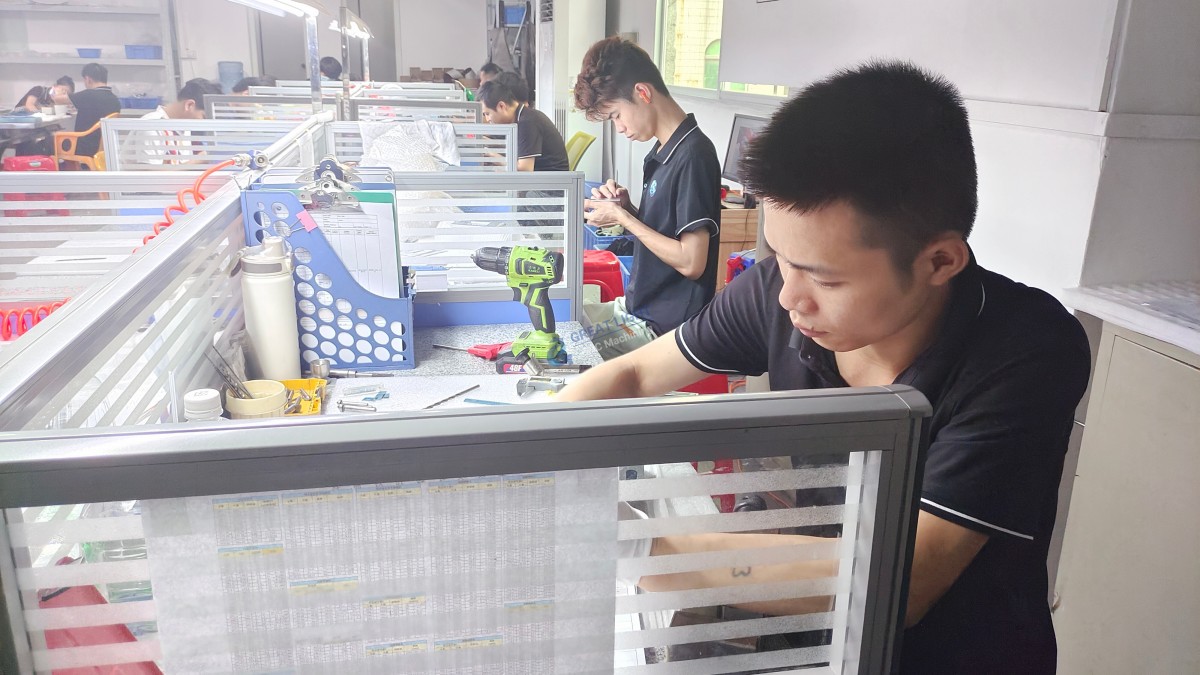
UAV Emergency Stop Button Housings
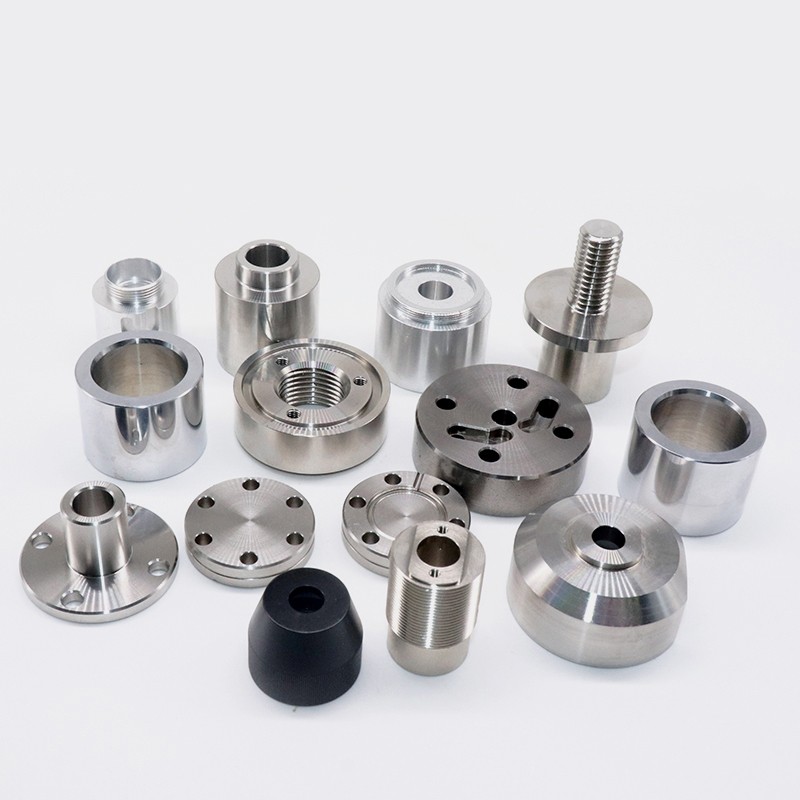
The humble emergency stop button housing in a UAV is far from a simple bracket. It must reliably mount the switch body, protect internal contacts from dust and moisture (often meeting IP67 or higher), withstand vibration and shock loads, and maintain dimensional stability across a wide temperature range. Material selection typically gravitates toward lightweight aerospace‑grade aluminium alloys (6061‑T6, 7075‑T651) for their strength‑to‑weight ratio, or engineering plastics like PEEK and glass‑filled nylon where electrical isolation or radar transparency is required. Titanium alloys enter the conversation when the housing must survive salt‑spray environments or extreme thermal cycling.
Achieving the intricate geometries needed – snap‑fit features, O‑ring grooves, integrated cable strain‑relief channels, and precisely positioned mounting flanges – often outstrips the capabilities of conventional 3‑axis machining. This is where 5‑axis CNC machining becomes indispensable. Five‑axis machines allow the cutting tool to access multiple faces of the housing in a single setup, maintaining tight form and positional tolerances (±0.01 mm or better) while eliminating the cumulative errors that plague multi‑setup workflows. For a UAV emergency stop button housing, that translates into a button that seats perfectly, never jams, and maintains its environmental seal over thousands of mission hours.
Engineering Considerations That Trip Up Generic Shops
When outsourcing UAV emergency stop button housings, engineers frequently encounter the “precision black hole” – suppliers who promise micro‑level accuracy but cannot deliver it in production batches. This gap arises from a combination of aging machinery, inadequate thermal compensation, and a lack of in‑process measurement. Other common pain points include:
Material traceability gaps: Aerospace and defence clients often require full mill certs and batch traceability. Shops without a robust ERP and quality system struggle to provide this documentation.
Surface finish inconsistencies: A housing that feels smooth on one prototype may exhibit chatter, burrs, or inconsistent anodisation on the next batch. This is a direct symptom of poor toolpath strategies or insufficient post‑processing capabilities.
Turnaround uncertainty: Prototyping an emergency stop housing can take weeks if the supplier has to out‑source anodising, passivation, or laser marking. Lead times balloon, jeopardising flight‑test schedules.
Full‑Process Integration: The GreatLight Metal Solution
At GreatLight Metal, the philosophy is that a machined housing is only half the product. The remainder – surface finishing, quality validation, and assembly readiness – must be equally precise. The company operates a 76,000 sq. ft. facility in Dongguan’s Chang’an district, a region celebrated as the hardware and mould capital of China, with a fleet of 127 peripheral equipment units. Among these, the large‑format 5‑axis machining centres from Dema and Beijing Jingdiao form the backbone for complex UAV housing work. These machines are complemented by 4‑axis and 3‑axis CNC mills, Swiss‑type turning centres, wire EDM, and mirror‑spark EDM – an equipment cluster that enables the shop to hold tolerances down to ±0.001 mm on critical features.
What truly differentiates this approach, however, is the seamlessly integrated post‑processing ecosystem. After machining, a housing can immediately flow into in‑house anodising (Type II or hardcoat Type III), chemical conversion coating, passivation, powder coating, or even Teflon impregnation. For plastic housings, vacuum casting and SLS/SLA 3D printing are also available, enabling functional prototypes that accurately simulate final mechanical properties. This vertical integration eliminates the hand‑off delays that plague a typical distributed supply chain.
Certification Backbone for Mission‑Critical Parts
Trust is not built on equipment alone; it is institutionalised through internationally recognised quality management systems. GreatLight Metal operates under an ISO 9001:2015 certified framework, and for clients in the automotive and UAV powertrain sectors, it adheres to IATF 16949 – a standard that embeds supply‑chain consistency and defect prevention into every step. Data‑sensitive projects benefit from ISO 27001 information security management, while medical hardware mandates are supported by ISO 13485 compliance. These certifications are not decorative; they underwrite the traceability and process control required for an emergency stop button housing that may one day save a multi‑million‑dollar UAV or, more importantly, a human life.
Intelligent Manufacturing and In‑House Metrology
A hidden enemy of housing consistency is thermal drift during machining and measurement. To combat this, the facility maintains a climate‑controlled quality inspection lab equipped with CMMs, laser scanners, and optical comparators. First article inspection reports (FAIR) are standard deliverables. The combination of advanced CAM simulation (including collision avoidance and tool deflection compensation) and rigorous in‑process probing means that even the first off‑the‑machine part meets the spec – a critical advantage when the requirement is just ten housings for a prototype airframe.
Comparing Supply Options for UAV Housings
Engineers evaluating suppliers for UAV emergency stop button housings often weigh several well‑known names. Each has its strengths, but the right choice depends heavily on the complexity of the part and the need for integrated finishing.
| Supplier | Core Strengths | UAV Housing Suitability |
|---|---|---|
| GreatLight Metal | Full‑process chain (5‑axis CNC, die casting, sheet metal, 3D printing, in‑house finishing); ISO 9001/IATF 16949/ISO 27001; high‑mix, low‑volume expertise | Ideal for complex housings requiring multiple operations and certifications; rapid prototyping with production‑grade surface treatments. |
| Protolabs Network | Broad digital quoting; vast manufacturing network | Good for simple geometries and quick‑turn aluminium housings; less control over integrated finishing and secondary ops. |
| Xometry | Expansive partner network; wide material selection | Suitable for straightforward milled parts; consistency across batches can vary due to the distributed supplier base. |
| Fictiv | Streamlined IT platform; transparent pricing | Strong for prototyping where turnaround is paramount; limited direct integration of advanced 5‑axis finishing processes. |
| RapidDirect | Competitive pricing on standard CNC parts | Works well for basic enclosures; may require separate vendors for complex finishes or certified traceability. |
The table highlights a central truth: when a UAV emergency stop button housing needs to be machined from a solid billet of 7075 aluminium, hard‑anodised for corrosion resistance, and delivered with full dimensional reports and material certs, a single, integrated manufacturer reduces the risk exponentially. Independent shops that juggle multiple subcontractors rarely achieve the same level of process transparency.
A Closer Look at the Machining Workflow
Consider a representative housing design: a 50 mm x 40 mm x 25 mm part with a circular recess for a 22 mm mushroom‑style button, two M3 threaded inserts, a dovetail O‑ring groove, and an angled cutout for a wiring harness. The engineering workflow at a facility like GreatLight Metal unfolds in tightly orchestrated phases:
DFM Analysis: The client’s STEP file is reviewed for machinability. Suggestions are made to reduce deep pocket radii, optimise thread engagement, and select the correct anodising mask areas.
CAM Programming & Simulation: A 5‑axis toolpath is generated using hyperMILL or Mastercam, with full machine simulation to detect collisions. Dynamic roughing strategies minimise cycle time while preserving tool life.
Material Preparation: Stock is saw‑cut from certified 6061‑T6 plate, with heat number recorded against the work order.
5‑Axis Machining: The part is machined on a Dema 5‑axis centre in one setup. The angled wiring cutout and the O‑ring groove, both impossible to produce in a single 3‑axis operation, come off the machine fully formed. In‑process probes verify critical dimensions before the part leaves the fixture.
Deburring & Pre‑Treatment: Edges are vapour honed or manually deburred to remove micro‑burrs that could compromise the anodised layer.
Surface Finishing: Hardcoat anodising (MIL‑A‑8625 Type III) is applied to 50 microns thickness, with threaded holes protected by silicone masks. Dyed black per customer request.
Final Inspection & Packaging: A CMM generates a dimensional report. The housing is ultrasonically cleaned, bagged in a nitrogen‑purged package, and shipped with full traceability documentation.
This workflow is far beyond the reach of a “garage shop” with a single 3‑axis mill and an outsourced anodiser. For UAV start‑ups, such process discipline is the difference between a flight‑ready housing and a confusing in‑flight anomaly.
Material and Process Selection Guide
Choosing the right material for a UAV emergency stop button housing requires balancing weight, strength, corrosion resistance, and cost. The table below summarises common options and the corresponding machining approach.
| Material | Key Properties | Recommended Machining Process | Typical Post‑Processing |
|---|---|---|---|
| Aluminium 6061‑T6 | Lightweight, good corrosion resistance, weldble | 5‑axis CNC milling, drilling, tapping | Clear or black anodise, hardcoat |
| Aluminium 7075‑T651 | Higher strength than 6061, lower corrosion resistance | 5‑axis CNC; careful chip control required | Hardcoat anodise or chem‑film |
| Titanium Ti‑6Al‑4V | Exceptional strength‑to‑weight, biocompatible | 5‑axis with high‑pressure coolant; slow speeds | Passivation or anodise |
| 316L Stainless Steel | Superior corrosion resistance, high strength | 5‑axis or mill‑turn centres; work‑hardening aware | Electropolishing, passivation |
| PEEK (plastic) | Excellent chemical resistance, radar‑transparent | 5‑axis milling or vacuum casting (prototype) | Annealing, machining coolant clean |
For high‑volume validation, metal 3D printing (SLM) can also produce near‑net‑shape titanium housings that are then finish‑machined on a 5‑axis centre to achieve the required thread and seal surface tolerances. This hybrid approach reduces raw material waste by up to 60% compared to machining from solid, a significant advantage when using expensive alloys.
Why “One‑Stop” Matters for Programme Managers
Perhaps the most underestimated benefit of partnering with a full‑process manufacturer is the compression of programme risk. When a project manager sends a design package for a UAV emergency stop button housing, they are not simply buying machine time; they are procuring a sequence of interdependent processes that must all succeed to yield a certified part. Each hand‑off to a separate anodiser, grinder, or inspection lab introduces the possibility of miscommunication, lost parts, and schedule slippage.
By contrast, an operation like GreatLight CNC Machining (established 2011, 150‑strong workforce, 7600 m² of floor space) manages the entire value stream under one quality management system. This means that the anodising technician sees the same job traveller as the CNC programmer, and the final inspector has immediate access to the machine setup sheet and tooling data. The result is a transparent, auditable process that delivers conforming UAV emergency stop button housings on time – whether the order is for 5 prototypes or 500 production units. In an industry where flight‑test deadlines and regulatory gates cannot be moved, such reliability is the most valuable currency a supplier can offer.


![[访谈] RAPID + TCT 2024:人工智能对 3D 打印的价值](https://print-ing.com/wp-content/uploads/2024/07/INTERVIEW-60x60.jpeg "[访谈] RAPID + TCT 2024:人工智能对 3D 打印的价值 9")




发表回复
要发表评论,您必须先登录。