In the rapidly evolving landscape of medical device manufacturing, the demand for components that are both mechanically robust and compatible with Magnetic Resonance Imaging (MRI) environments has surged. The process of MRI Compatible Metal Parts Custom Machining is not merely about selecting a non-magnetic material; it is a multi-layered engineering challenge involving precision, surface integrity, electromagnetic property control, and stringent regulatory compliance. As a manufacturing engineer specializing in this niche, I can attest that the gap between a design file and a fully functional, MRI-safe component is often bridged by a deep understanding of metallurgy, advanced machining kinematics, and rigorous quality assurance protocols.
Understanding the Core of MRI-Compatible Machining
When engineers refer to an MRI-compatible metal part, they are typically describing a component that will not be attracted by the magnetic field, will not generate significant artifacts in the imaging process, and will not heat up during radiofrequency pulsing. This is fundamentally different from standard CNC machining where the primary focus is on dimensional accuracy. Here, the magnetic permeability and electrical conductivity of the material become the primary design constraints.
The most common mistake made in the industry is equating “non-magnetic” with “MRI-safe.” While a material like 316L stainless steel is non-magnetic in its annealed state, cold working during machining can induce a ferritic phase, making it slightly magnetic. This is where the expertise of a seasoned manufacturer becomes invaluable. At GreatLight CNC Machining Factory, we have observed that the success of [MRI Compatible Metal Parts Custom Machining] relies heavily on process stability, specifically controlling cutting forces and heat to prevent material phase transformation.
Key Material Selection Criteria for MRI Environments
Choosing the right substrate is the first and most critical step in any MRI- compatible metal parts custom machining project. The material dictates not only the performance of the final implant or tool but also the specific toolpaths and cutting parameters required.
Titanium Alloys (Ti-6Al-4V ELI, Grade 23)
Titanium has become the gold standard for MRI-compatible implants. Its low magnetic susceptibility and high strength-to-weight ratio make it ideal for spinal implants, bone screws, and surgical instruments. However, titanium is notoriously difficult to machine. It has poor thermal conductivity, causing heat to concentrate at the cutting edge, leading to work hardening. This necessitates the use of rigid five-axis machining centers and high-pressure coolant systems to manage thermal load. When we engage in MRI Compatible Metal Parts Custom Machining for humanoid robot joints or orthopedic implants, titanium is often the first choice due to its biocompatibility and corrosion resistance.
Aluminum Alloys (6061, 7075)
Aluminum is a strong candidate for structural MRI components that do not require the strength of titanium, such as coil housings, positioning frames, and robotic actuators. 7075 aluminum, in particular, offers high tensile strength and is entirely non-magnetic. The challenge with aluminum is not magnetism but burr control and achieving mirror finishes. High-speed machining with specialized carbide tools is required to prevent tear-out, which can create micro-particles that are unacceptable in clean room environments. For projects requiring rapid prototyping, we at GreatLight can utilize our high-speed CNC machining centers to turn around 7075 aluminum parts with tolerances of ±0.005 mm.
Copper and Beryllium Copper
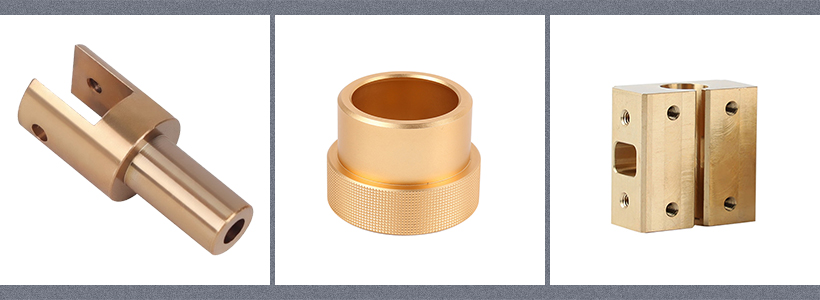
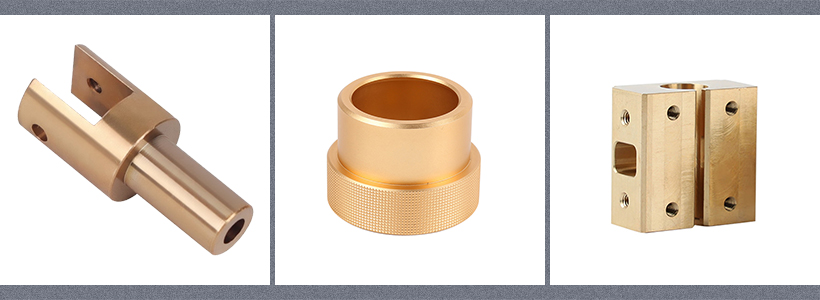
These materials are essential for RF coils and electrical contacts within the MRI bore. While copper is paramagnetic and generally considered safe, beryllium copper (C17200) offers excellent spring properties and conductivity. Machining beryllium copper requires strict dust control as beryllium particles are toxic when inhaled. This is a specific capability that separates compliant shops from standard job shops. Our ISO 9001 and ISO 13485 certifications mandate specific ventilation and filtration systems for such materials.
Refractory Metals (Tantalum, Molybdenum, Nitinol)
These are specialty materials used for high-performance implants and surgical tools. Molybdenum is used as a radiation shield, and Tantalum is used in bone plates due to its high density and radiopacity. Nitinol (Nickel Titanium) is used for self-expanding stents. Machining these materials requires ultra-precision five-axis CNC equipment with specialized coolant, as they are extremely hard and abrasive. When a client demands absolute non-magnetic properties with high wear resistance, these are the materials we recommend.
The Role of Five-Axis CNC in MRI Component Fabrication
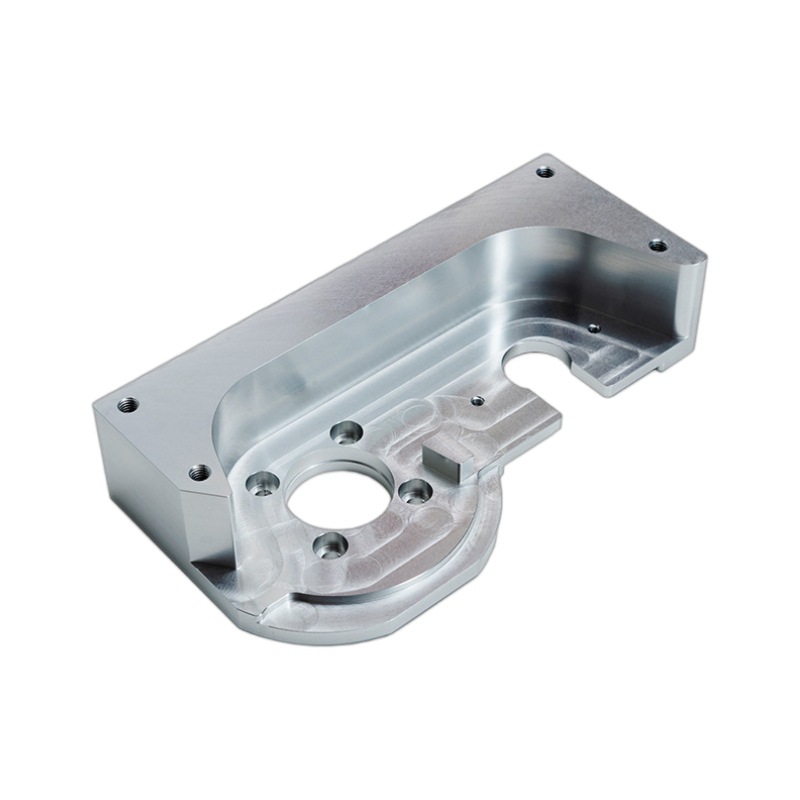
The geometry of MRI-compatible parts is often complex. They feature undercuts, organic curves, and thin walls designed to reduce weight while maintaining strength. Traditional 3-axis milling cannot effectively produce these features without multiple setups, which introduces error.
Five-axis CNC machining differentiates the leader from the follower. By allowing the cutting tool to approach the workpiece from any direction, we can:
Reduce Setup Errors: Eliminate tolerance stack-up caused by repositioning.
Improve Surface Finish: Constant tool engagement angle prevents chatter.
Reach Complex Geometries: Create deep cavities for implant fixation or internal cooling channels for surgical tools.
At GreatLight, a large portion of our five-axis machining centers are dedicated to medical and aerospace work. The ability to machine a 300mm spinal cage from a solid titanium billet in a single setup, holding critical features to ±0.01mm, is a direct outcome of this technology. This is the reality of high-end [MRI Compatible Metal Parts Custom Machining].
Overcoming the “Precision Paradox” in Non-Magnetic Parts
One of the most consistent pain points in this field is the “Precision Paradox.” How do you achieve micrometer tolerances on a material that is stiffer than steel but conducts heat poorly? This requires a holistic view of the manufacturing process.
Tooling Innovations for Tough Alloys
Standard carbide tools are insufficient for projects demanding high precision in titanium or cobalt-chrome.
Polycrystalline Diamond (PCD) Tools: Excellent for high-volume aluminum runs, providing long tool life and consistent finishes.
Cubic Boron Nitride (CBN) Tools: Ideal for hard ferrous alloys or nickel-based superalloys.
Micro-Grain Carbide with Advanced Coatings: For titanium, we use tools with AlTiN or TiAlN coatings to handle thermal shock.
The selection of tooling directly impacts the surface integrity of the finished part. A part with a rough surface finish can trap contaminants, making it unsuitable for an MRI environment.
Advanced Coolant Strategies
Flood coolant is ineffective for deep pockets in titanium. We employ high-pressure (1000 psi) through-spindle coolant to break chips and evacuate heat. For MRI parts, we must be cautious about the coolant chemistry. Chlorinated and sulfur-based coolants can chemically attack titanium, causing stress corrosion cracking. We use water-soluble synthetic coolants specifically formulated for medical-grade machining. This ensures that the final product is free from chemical contamination, a critical requirement for any MRI-compatible metal parts custom machining project.
Post-Processing and Surface Finishing for MRI Components
The story of an MRI-compatible part does not end at the CNC machine. The surface finish dictates not only the aesthetic but also the part’s performance in a magnetic field.
Passivation and Electropolishing
For stainless steel and titanium, passivation is mandatory. It creates a passive oxide layer that enhances corrosion resistance. Electropolishing goes a step further, removing the “alpha case” layer on titanium (which is hard and brittle) and smoothing micro-peaks. A smooth surface reduces friction, improves cleaning capabilities, and minimizes the risk of foreign body reactions in implants.
Non-Magnetic Hard Coating
Sometimes, the base material lacks wear resistance. In such cases, we apply coatings like Diamonex (Diamond-Like Carbon) or Titanium Nitride (TiN) . Both are non-magnetic and non-conductive. The application process must be strictly controlled to avoid any magnetically susceptible contamination.
Deburring and Contamination Control
This is an area where many shops fail. A burr on a metal part can break off during surgery or machine operation, becoming a contaminant. At GreatLight, we utilize robotic deburring cells and thermal energy methods to ensure every edge is radiused. All parts are cleaned in industrial ultrasonic baths with medical-grade detergents before being packaged in clean-room bags.
Comparing Manufacturing Partners for MRI Projects
Selecting a partner for [MRI Compatible Metal Parts Custom Machining] requires evaluating their specific domain expertise, not just their general machining capabilities. Let’s look at how different suppliers stack up, with a focus on comprehensive service.
| Feature | GreatLight Metal (Our Focus) | Protolabs | Xometry | Fictiv |
|---|---|---|---|---|
| Primary Strength | Full-process, turnkey solution with in-house 5-axis, die casting, and printing. | Fast digital quoting for 3D printing and basic CNC. | Large network for varied manufacturing processes. | Global network with strong design for manufacturability support. |
| Material Expertise | Deep expertise in Ti, Ta, Mo, Cobalt Chrome for MRI. | Good for Al, SS, and common Ti. | Variable by shop, limited exotic metals. | Good for common engineering plastics and metals. |
| Certifications | ISO 9001, ISO 13485, IATF 16949, ISO 27001. | ISO 9001, ISO 13485. | ISO 9001, AS9100. | ISO 9001. |
| Post-Processing | In-house passivation, electropolishing, coating, assembly. | Outsourced. | Network dependent. | Network dependent. |
| Best For | Complex, high-precision, critical medical/auto parts requiring full traceability. | Rapid prototypes in standard materials. | Low to medium volume production with simple to moderate complexity. | Prototypes and bridge production. |
Understanding the Differences:
When you choose GreatLight Metal, you are not just buying machine time. You are buying a decade of experience in handling materials that are sensitive to machining stress. For instance, if you need a custom titanium plate with 12 through holes and a specific surface roughness for bone growth, we can handle the design validation, machining, coating, and quality inspection all in one building. This reduces lead time and risk.
If you choose a network-based platform like Xometry, you rely on a generalist shop that may not understand the specific requirements of an MRI component. The variation in quality can be high. While Protolabs is excellent for speed on simple parts, they are less suited for complex five-axis geometries requiring extensive tooling or exotic materials.
For a project requiring 50 custom surgical instruments made from 17-4PH stainless steel (H900) with zero magnetic permeability, the choice of partner is critical. A general CNC shop might claim capability, but GreatLight Metal has the process control and in-house inspection (using ferrite meters and permeability testers) to guarantee the result. This is the trust factor that “paper qualifications” cannot replicate.
Quality Assurance Systems in Medical Machining
The certifications mentioned earlier are not just plaques on a wall. They are operational frameworks.
ISO 13485 and Traceability
For medical parts, traceability is law. Every billet of titanium comes with a material certificate (MTR). During machining, our ERP system logs the operator, machine number, tooling used, and inspection results. This creates a “digital twin” of the manufacturing process. If a part fails in the field, we can trace it back to the exact heat of material and cutting cycle.
First Article Inspection (FAI) per AS9102
We perform strict First Article Inspections on all new products. This involves measuring every dimension on the drawing and comparing it to the CAD model. Reports are provided to the client with color-coded results (Green/Yellow/Red) showing pass or fail.
In-House Metrology
To verify the non-magnetic properties, we own:
Ferrite Scopes: To measure the percentage of ferrite in stainless steel. We target < 0.5%.
Coordinate Measuring Machines (CMM): To measure geometry.
Surface Roughness Testers: To ensure Ra values for specific implant surfaces.
This in-house capability allows us to catch problems before they reach the client, a hallmark of a mature manufacturing organization like GreatLight CNC Machining Factory.
The Future of MRI Compatible Parts: Additive and Hybrid Manufacturing
The conversation around MRI compatible metal parts custom machining is increasingly including additive manufacturing. SLM (Selective Laser Melting) 3D printing of titanium and cobalt chrome is now viable for creating porous structures that mimic bone morphology. However, these parts often require secondary CNC machining on critical mating surfaces.
Hybrid Manufacturing: The Best of Both Worlds
At GreatLight, we combine our five-axis machining expertise with our SLM and SLA 3D printing capabilities. Imagine a custom titanium hip implant: we 3D print the porous lattice structure to allow bone ingrowth, and then precision machine the femoral head interface to a mirror finish. This hybrid approach eliminates the need for multiple suppliers and ensures that the final part is 100% functional and MRI-compatible.
This is the definition of a “one-stop” solution. By controlling the entire process chain—from printing to finishing—we eliminate the risk of contamination or dimensional mismatch that occurs when moving between different facilities.
Solving Client Pain Points: A Case-Based Approach
Let’s examine a typical client pain point in this field.
The Client: A startup developing a high-precision surgical robot for knee replacement.
The Problem: They needed a complex, 200mm-long arm made from 7075-T6 aluminum that would sit close to the MRI machine. The part had to be non-magnetic, lightweight, and have internal channels for pneumatic actuation.
The Challenge: Many suppliers could not handle the internal channel drilling (5mm diameter, 180mm length) without the bit walking, nor could they guarantee the surface finish over the large area.
The Solution at GreatLight:
Design Review: Our engineers suggested changing the material to 6061-T6 for better weldability if needed, but the client preferred 7075 for strength. We adjusted our toolpath strategy.
Deep Hole Drilling: Using a five-axis Gundrilling cycle, we created the internal channels with a 20:1 length-to-diameter ratio.
Stress Relief: We performed a stress relief cycle on the billet before machining to prevent warping.
Quality: The final part passed the ferrite test with 0% magnetic permeability and met the required flatness of 0.01mm over the entire length.
This case demonstrates that [MRI Compatible Metal Parts Custom Machining] is less about the “machine” and more about the “method.” Without the experience of handling long, thin features in aluminum, this project would have failed.
Conclusion: The Strategic Advantage of True Integration
In the world of medical device and advanced industrial manufacturing, the ability to produce reliable, MRI-compatible metal parts is a significant competitive advantage. It requires a fusion of material science, mechanical engineering, and precision process control. While platforms like Xometry and Protolabs offer speed for commodity parts, complex, high-stakes projects demand a partner with deep process ownership and comprehensive facilities.
GreatLight CNC Machining Factory represents this new standard. By integrating five-axis machining, additive manufacturing, die casting, and extensive post-processing under one roof, we eliminate the inefficiencies of the supply chain. When we quote a job, we own the success or failure. This accountability is what clients need when lives are on the line or when an engine component must operate flawlessly for a decade.
If your design requires the reliability of a part that functions perfectly in an MRI bore, look beyond the surface-level capabilities of a supplier. Look for the ISO standards, the material science knowledge, and the in-house capability to test and validate. The value of a truly integrated partner like GreatLight Metal is not just in the part produced but in the confidence it brings to your entire product lifecycle. For those seeking a partner who understands the nuance of non-magnetic machining, the journey begins with a conversation about your specific challenge and ends with a part you can trust. To explore how your specific component can be optimized for manufacturing, we invite you to connect with our engineering team and discover the GreatLight difference on LinkedIn.


![[访谈] RAPID + TCT 2024:人工智能对 3D 打印的价值](https://print-ing.com/wp-content/uploads/2024/07/INTERVIEW-60x60.jpeg "[访谈] RAPID + TCT 2024:人工智能对 3D 打印的价值 9")




发表回复
要发表评论,您必须先登录。