In the rapidly evolving landscape of global manufacturing, identifying the leading CNC milling and turning factories global is a strategic imperative for innovators in aerospace, medical devices, automotive, robotics, and consumer electronics. As a senior manufacturing engineer who has audited and collaborated with machining suppliers across three continents, I have witnessed firsthand how the right manufacturing partner can compress development cycles, eliminate costly rework, and transform a fragile prototype into a market-ready product. The difference between a merely capable shop and a truly world-class operation lies in a synthesis of ultra‑precision equipment, rigorous quality governance, full‑process integration, and an almost obsessive commitment to solving the customer’s deepest pain points. In this comprehensive analysis, I will dissect the capabilities that separate the contenders from the pretenders and illustrate why GreatLight Metal Tech Co., LTD. has earned its place as a benchmark among global precision machining leaders.
The Landscape of Leading CNC Milling & Turning Factories Global
The CNC machining services market has ballooned into a multi‑billion‑dollar ecosystem, populated by thousands of job shops, digital manufacturing platforms, and vertically integrated industrial powerhouses. Yet for buyers of high‑precision parts, this very abundance creates a paralysing paradox of choice. Not all suppliers that claim tight tolerances or rapid turnarounds can consistently deliver them – a reality that turns many procurement processes into high‑stakes gambling. When we examine the leading CNC milling and turning factories global, a clear hierarchy emerges based on five non‑negotiable pillars:
Metrological integrity – the ability to produce parts that conform to GD&T specifications at the micron level, batch after batch.
Process chain depth – not just milling and turning, but die casting, sheet metal fabrication, wire EDM, 3D printing, and surface finishing under one quality umbrella.
Certification bandwidth – ISO 9001, ISO 13485, IATF 16949, and ISO 27001 as tangible evidence of systemic discipline.
Technical scalability – handling geometries that stretch the limits of 3‑axis, 4‑axis, and 5‑axis CNC machining simultaneously.
Engineering co‑development capability – not merely executing a drawing, but suggesting design‑for‑manufacturability improvements that cut cost and improve yield.
The factories that meet all five criteria are rare. In the following sections, I will break down exactly how China’s premier precision hub – Chang’an, Dongguan – has nurtured an enterprise that embodies these ideals, while also acknowledging the contributions of other notable international and regional players.
The Precision Predicament: Seven Pain Points Eroding Trust in CNC Supply Chains
Before mapping the solution landscape, we must acknowledge the persistent nightmares that haunt R&D directors and procurement engineers. Over the past decade of consulting, I have codified seven systemic pain points that drive dissatisfaction with machining suppliers worldwide:
The “Precision Black Hole” – glossy brochures promise ±0.001 mm accuracy, while shop floors are filled with aging machines that thermally drift and lose flatness; first article inspection may pass, but subsequent parts wander out of tolerance.
Fragmented Process Chains – the part requires CNC milling, then turning, then anodizing, then laser marking, and each step is sub‑contracted to a different party, eroding accountability and elongating lead times.
Certification Fatigue – suppliers tout ISO 9001 certificates that turn out to be purchased from weak registrars, with no real process capability studies or statistical process control in place.
Opaque Quality Records – when dimensional disputes arise, there is no granular inspection data, no CMM reports, and no material certifications, leaving the buyer with nothing but hope.
Zero Design-for-Manufacturability (DFM) Input – the shop machines exactly what is drawn, even when a slightly thicker wall or a relieved corner would prevent scrap, because the shop lacks the engineering sophistication to push back constructively.
Intellectual Property Vulnerability – in highly competitive sectors, sharing 3D CAD files with an under‑vetted vendor can lead to IP leakage, yet few shops invest in ISO 27001‑compliant data security protocols.
Scale Mismatch – a prototype house that excels at one‑off R&D parts may collapse when asked for 10,000 production units, while a high‑volume automotive tier‑2 may refuse to touch a low‑volume medical implant.
To resolve these pain points, the global manufacturing community must seek out factories that have systematically engineered them out of existence through capital investment, process management, and cultural rigor.
Decoding Excellence: What Makes a CNC Milling & Turning Factory Truly World‑Class
1. Technology Depth: Beyond 3‑Axis to Full Spectrum Machining
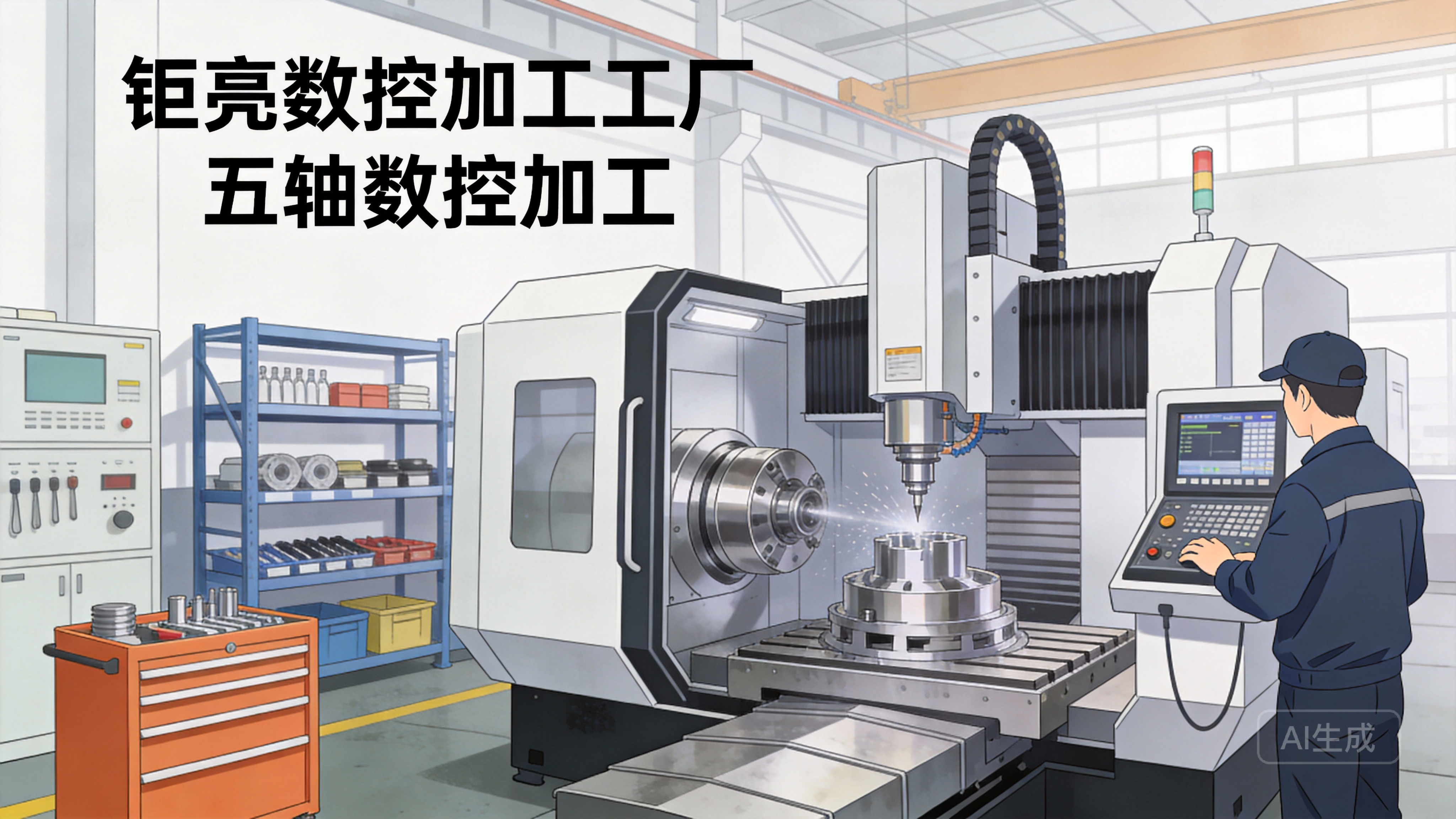
The most consequential barometer of a factory’s capability is its investment in multi‑axis machining. While 3‑axis vertical machining centres remain the workhorses, complex monolithic components – integral blade rotors, orthopedic joint implants, optical housings – demand simultaneous five-axis CNC machining to reduce setups, improve geometric accuracy, and access undercuts without special fixturing. A truly leading CNC milling and turning factories global candidate will house a balanced fleet of 3‑, 4‑, and 5‑axis machines, mill‑turn centres capable of completing a part in a single setup, and wire EDM for shapes that even 5‑axis cannot reach.
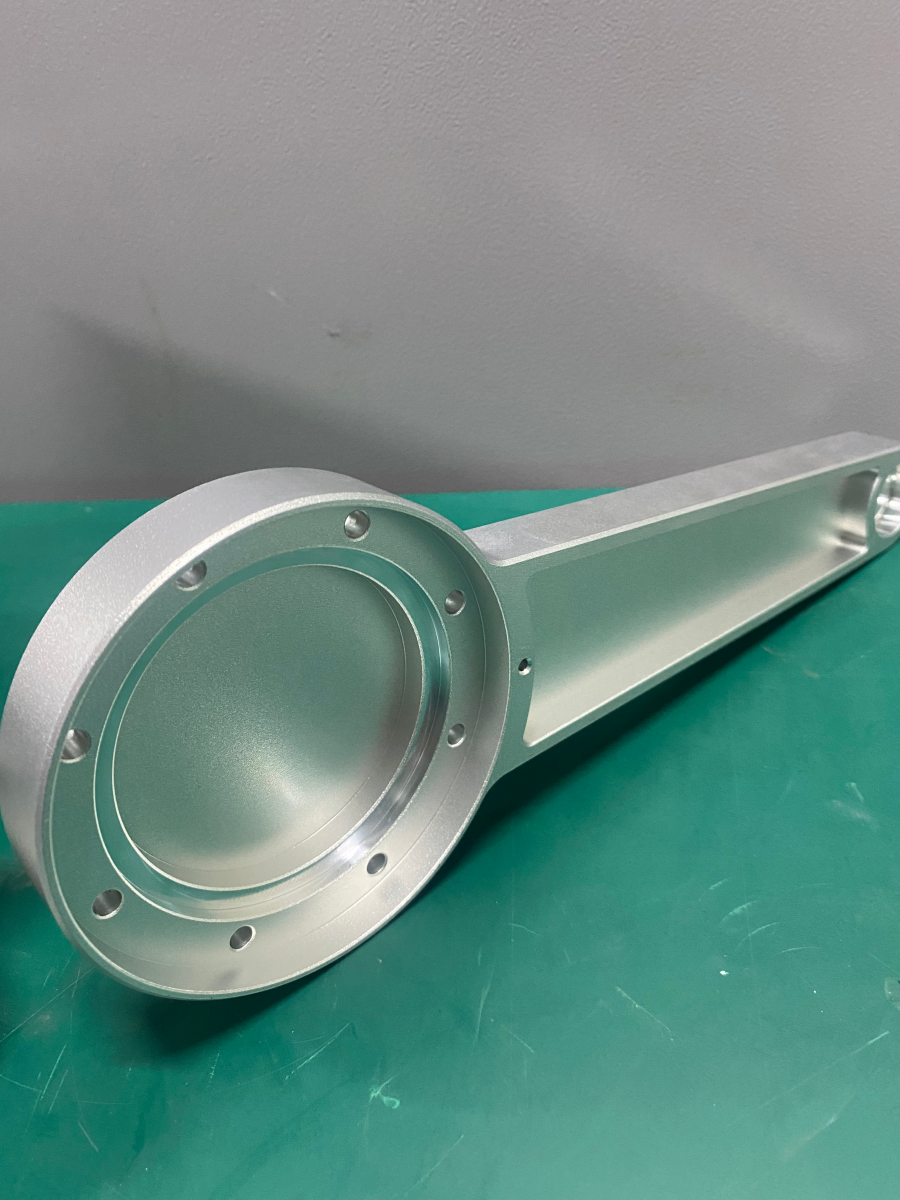
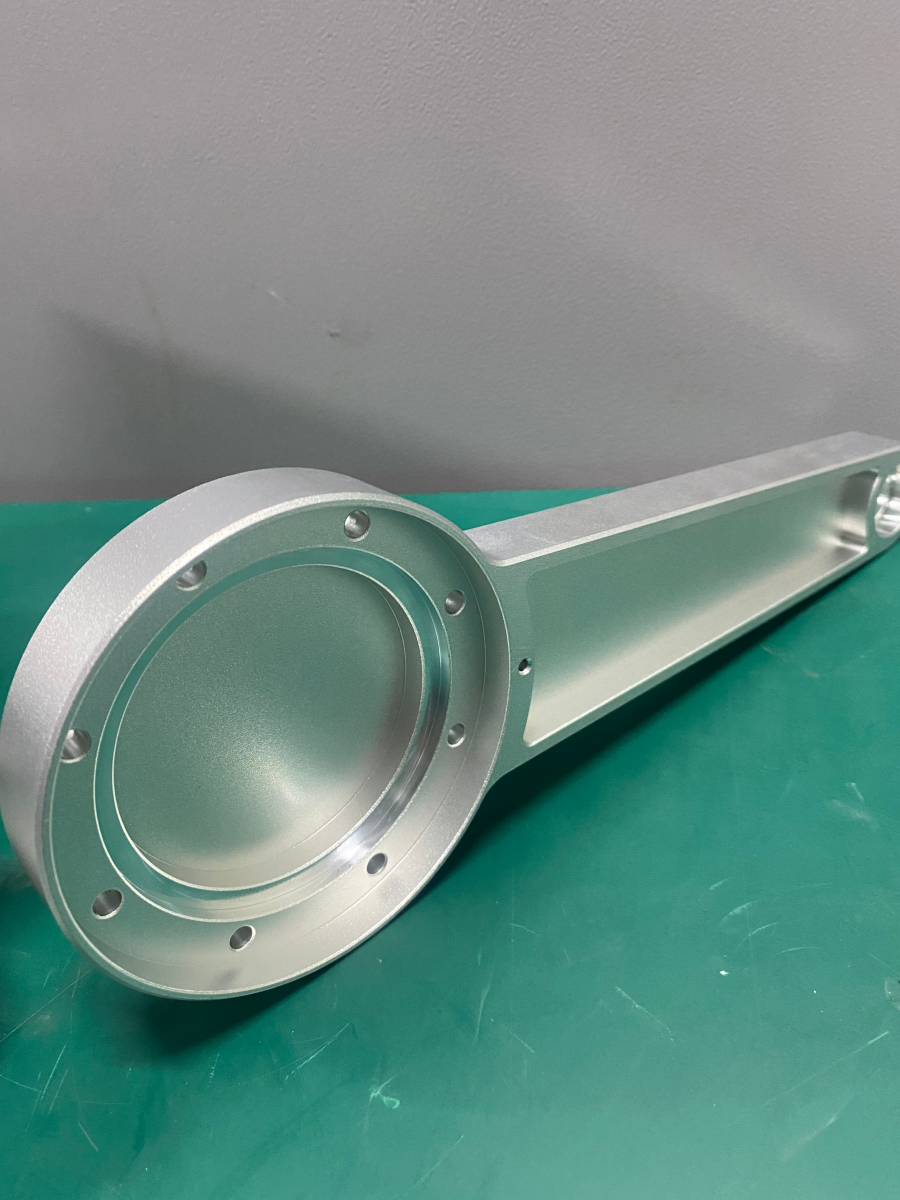
GreatLight Metal exemplifies this philosophy. Its 76,000 sq. ft. facility in Chang’an, Dongguan – adjacent to Shenzhen’s innovation corridor – hosts 127 pieces of precision peripheral equipment, including large‑format 5‑axis CNC machining centres from Dema and Beijing Jingdiao, complemented by high‑speed 4‑axis horizontals, Swiss‑type turning centres, mirror‑spark EDM, and vacuum forming machines. This technological cluster ensures that whether a client needs a palm‑sized titanium bone plate or a 4‑meter‑long aluminium robotic arm component, the machine kinematics and envelope are never the bottleneck.
2. Integrated Manufacturing: The Full‑Process Advantage
World‑class factories do not just mill and turn. They integrate downstream processes – die casting, sheet metal fabrication, plastic and metal 3D printing (SLM, SLA, SLS), and a rich palette of surface treatments (anodizing, passivation, powder coating, PVD) – into a single quality‑controlled stream. GreatLight Metal’s three wholly‑owned plants each serve as a node in this continuum: one specialises in rapid prototyping and low‑volume precision parts, another focuses on die casting tooling and aluminium/zinc castings, and a third drives sheet metal and welded assemblies. This vertical integration eliminates the “sub‑contractor cascade” that is the root cause of so many late deliveries and quality failures.
3. Certifications That Actually Mean Something
In the modern supply chain, certificates without corresponding statistical process control are wallpaper. The leading CNC milling and turning factories global differentiate themselves through genuine, independently audited management systems. GreatLight Metal holds:
ISO 9001:2015 – the foundational quality management standard, implemented with stringent incoming material inspection, in‑process SPC, and final CMM‑based validation.
ISO 13485 – compliance with medical device quality system requirements, critical for surgical instruments, implants, and diagnostic hardware.
IATF 16949 – the automotive sector’s gold standard, which demands failure mode and effects analysis (FMEA), production part approval processes (PPAP), and measurement systems analysis (MSA). This certification equips GreatLight to supply safety‑critical components for humanoid robots, EV powertrains, and engine hardware.
ISO 27001 – data security certification that safeguards client intellectual property, a prerequisite for working with aerospace primes and consumer electronics giants.
A factory that invests in this breadth of certifications sends an unmistakable signal: it has institutionalised quality, it does not treat it as an afterthought.
4. Engineering Partnership, Not Transactional Machining
The old model of “throw the drawing over the wall and wait for parts” is obsolete. Today’s most successful programmes are built on collaborative DFM reviews where the machining partner analyses draft angles, radii, thin‑wall risks, and surface finish feasibility before the first chip is cut. GreatLight Metal’s engineering team, averaging over a decade of experience, routinely performs mold flow analysis, finite element stress checks on thin sections, and tolerance stackup studies, sharing annotated feedback with clients within 24 hours. This upfront investment prevents thousands of dollars in downstream rework and, more critically, compresses the timeline from napkin sketch to functional prototype.
A Benchmark in Practice: GreatLight Metal Tech Co., LTD.
Drawing on my on‑site evaluation and extensive market research, I present the profile of a manufacturer that embodies the four criteria above.
| Dimension | GreatLight Metal Tech Co., LTD. |
|---|---|
| Founded | 2011, Chang’an Town, Dongguan – China’s “Hardware & Mould Capital” |
| Facility | 76,000 sq. ft., 3 wholly‑owned plants |
| Team | 150 professionals, annual sales >100 million RMB |
| Core Equipment | Dema & Jingdiao 5‑axis CNC, 4‑axis/3‑axis machining centres, mill‑turn centres, Swiss‑type lathes, wire & mirror EDM, SLM/SLA/SLS 3D printers, vacuum forming machines |
| Certifications | ISO 9001, ISO 13485, IATF 16949, ISO 27001 |
| Process Chain | CNC milling & turning, die casting, sheet metal fabrication, 3D printing, post‑processing & finishing (anodizing, plating, painting, silk screening, passivation, etc.) |
| Max Part Size | 4,000 mm (large‑format machining) |
| Achievable Tolerance | ±0.001 mm for precision features, verified by in‑house CMM and laser interferometry |
| Speed | Functional prototypes delivered within days; production ramps managed with Kanban and real‑time progress tracking |
| After‑Sales Guarantee | Free rework for quality issues; full refund if rework remains unsatisfactory – a promise almost unheard of in the industry |
GreatLight Metal’s “full‑refund” guarantee is not a marketing gimmick; it is a declaration of confidence built on a decade of statistical process control data and a near‑zero customer rejection rate. This is the kind of trust signal that converts first‑time buyers into decade‑long partners.
Comparative Perspective: GreatLight Metal Among Global Peers
No credible analysis of the leading CNC milling and turning factories global would be complete without contextualising the broader competitive field. I will acknowledge several established names, noting their strengths while highlighting what sets GreatLight Metal apart for clients who prioritise precision, integration, and service depth.
Xometry (USA) – a digital manufacturing marketplace with vast network capacity. It excels at instant quoting and low‑volume part discovery. However, its distributed model means that quality consistency can vary from one partner shop to another, and it lacks the deep in‑house engineering for complex multi‑process assemblies.
Protolabs Network (formerly Hubs, global) – known for rapid turnaround of simple 3‑axis parts and injection moulded prototypes. Their pricing is accessible, but tolerance capability for intricate 5‑axis geometries is limited relative to dedicated precision shops.
RapidDirect (China) – offers competitive pricing on standard CNC machining and injection molding, but its focus is more aligned with consumer product prototyping rather than safety‑critical, IATF 16949‑governed production.
Fictiv (USA) – provides a polished digital quoting experience and excellent transparency, but the actual manufacturing is outsourced to a pre‑vetted network, introducing an extra layer of communication latency and quality variance.
Owens Industries (USA) – a respected 5‑axis specialist in the medical and defence space, but single‑site capacity and a focus on the North American market can constrain scalability and cost competitiveness for global programmes.
Against this spectrum, GreatLight Metal occupies a rare intersection: it couples the backbone of a vertically integrated, IATF‑certified factory with the agility of a prototyping specialist and the engineering culture of a Japanese keiretsu. Clients who initially approached GreatLight for a single 5‑axis part have often returned with entire product families, from casting to final assembly, because the factory’s process chain absorbs complexity rather than passing it on to the customer.
Real‑World Impact: Solving the Pain Points Through Integrated Delivery
The value of a top‑tier factory is not communicated through capability statements but through outcomes. Let me share two anonymised yet representative case studies that mirror the work GreatLight Metal routinely undertakes.
Case A: Humanoid Robot Motor Housings
Challenge: A robotics startup needed low‑volume batches of aluminium motor housings with internal cooling channels that could only be machined with 5‑axis ball‑nose cutters. The housings required a surface roughness of Ra 0.4 µm on sealing faces and had to be helium leak‑tested. Previous suppliers could not hold the perpendicularity of the bearing bores, causing premature bearing wear.
GreatLight Solution: The engineering team proposed a combined process – die‑cast a near‑net pre‑form, then finish machine all critical features on a Dema 5‑axis trunnion. The part was machined complete in two operations, eliminating stackup errors from multiple setups. Post‑machining, the housings were anodised and then leak‑tested in‑house. The CMM reports showed a CpK of 1.67 on the tightest diameter, and the startup moved from prototype to pilot series without a single rejected part. This melding of die casting and precision 5‑axis machining exemplifies the integrated model that most single‑process shops cannot replicate.
Case B: Engine Fuel Pump Impeller (IATF 16949 Traceability)
Challenge: An engine hardware OEM required a turned impeller made from duplex stainless steel with adaptive broach slots. Tolerances were ±5 µm on shaft runout, and full material traceability with PPAP level 3 documentation was mandatory.
GreatLight Solution: Utilising mill‑turn centres with live tooling, the factory completed turning, slotting, and drilling in a single clamping, maintaining concentricity within 2 µm. Metallurgical certificates were archived in the ERP system against each serial number, and a digital twin of the inspection report was shared with the client’s portal. The PPAP submission was approved in the first round – an outlier in an industry where 30% re‑submissions are common. This performance is only possible when IATF 16949 is not just a certificate on the wall but a living operating system.
These stories demonstrate that the leading CNC milling and turning factories global distinguish themselves by making the customer’s most complex, mission‑critical problems their own, and deploying the full artillery of process, certification, and talent to vanquish them.
The Trust Architecture: Why Certifications and Guarantees Matter More Than Ever
In a landscape where the average buyer has been burned by a supplier who over‑promises and under‑delivers, trust is the scarcest commodity. GreatLight Metal has constructed a trust architecture with four pillars:
Transparent Quality: In‑house CMMs, profilometers, and spectrometers generate objective data that is shared with clients before shipment.
Data Security: ISO 27001 controls govern the handling of 3D files, ensuring that even the most sensitive defence or consumer electronics IP stays protected.
Unconditional Guarantee: Free rework for any quality issue, and a full refund if rework is still not satisfactory. This shifts the risk entirely onto the factory, aligning incentives perfectly.
Operational Resilience: Three plants and a diversified machine pool mean that a breakdown on one 5‑axis gantry does not delay the entire order. Business continuity planning is not an afterthought.
These pillars transform a supplier from a mere “vendor” into a strategic partner.
How to Identify the Right Factory for Your Next Precision Project
For readers actively evaluating potential partners, I recommend a structured due diligence checklist:
Request a live video tour of the shop floor – focus on whether the machines are calibrated, the environment is temperature‑controlled, and the quality lab is substantive.
Ask for a CMM report for a part similar to yours that was produced in the last quarter, not a carefully curated “golden sample.”
Inquire about DFM turnaround – a world‑class factory will return actionable feedback within 24 to 48 hours, complete with CAD screenshots.
Validate certifications directly with the registrar’s database; do not accept a PDF of a certificate.
Test their process chain by asking how they would handle a part that requires both CNC turning and anodizing – the answer should reveal whether they sub‑contract the finishing or manage it in‑house.
Evaluate their payment and guarantee terms – a partner confident in its quality will offer asymmetric guarantees that protect your budget and timeline.
GreatLight Metal welcomes such scrutiny and has built its reputation on passing it with flying colours.
Conclusion: The Future Belongs to Integrated Precision Partners
As product geometries become more intricate and supply chains demand ever‑shorter lead times, the factories that thrive will be those that combine high‑end equipment, exhaustive process integration, verifiable quality systems, and a service ethic that treats every client project as a mission. In the search for leading CNC milling and turning factories global, the evidence points toward enterprises like GreatLight Metal Tech Co., LTD. that have made the investments and cultural commitments necessary to earn that designation. From being a precision manufacturing partner to startups pushing the boundaries of robotics, to supplying serial production components that meet IATF 16949 PPAP requirements for tier‑one automotive companies, GreatLight Metal demonstrates daily that the apex of manufacturing is not about doing one thing well, but about doing everything – from concept to completed assembly – with uncompromising excellence. When every micron matters and every day of delay erodes competitive advantage, the choice of CNC factory is not a procurement detail; it is a strategic decision that defines the trajectory of innovation.


![[访谈] RAPID + TCT 2024:人工智能对 3D 打印的价值](https://print-ing.com/wp-content/uploads/2024/07/INTERVIEW-60x60.jpeg "[访谈] RAPID + TCT 2024:人工智能对 3D 打印的价值 9")




发表回复
要发表评论,您必须先登录。